
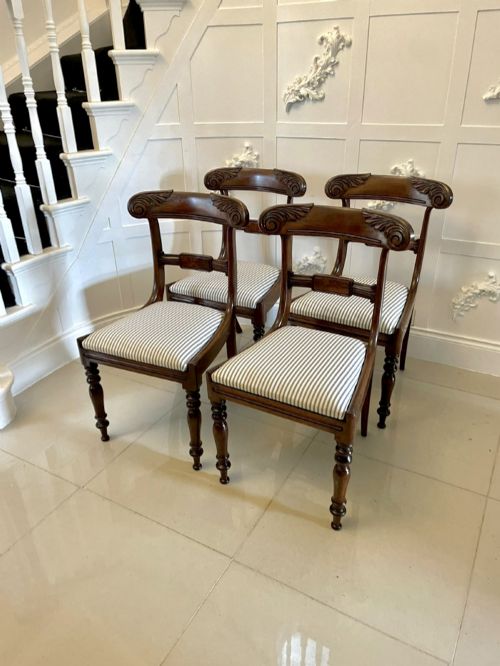
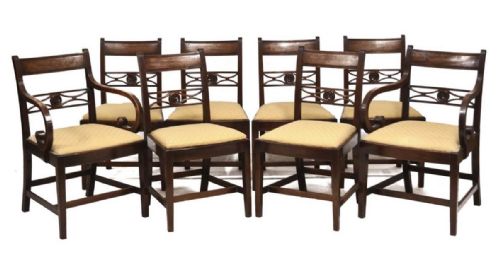
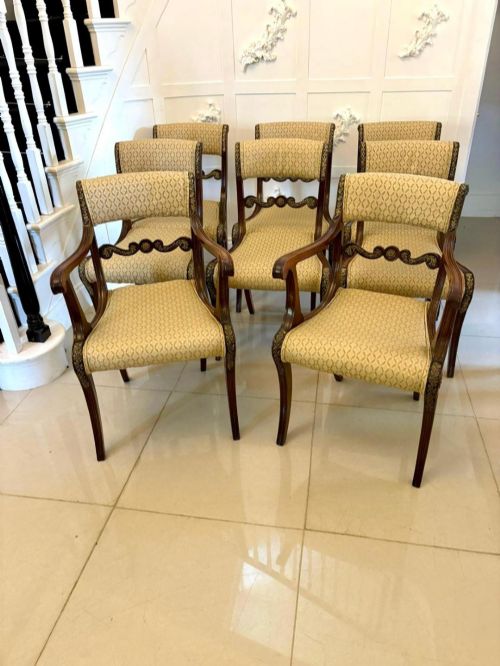
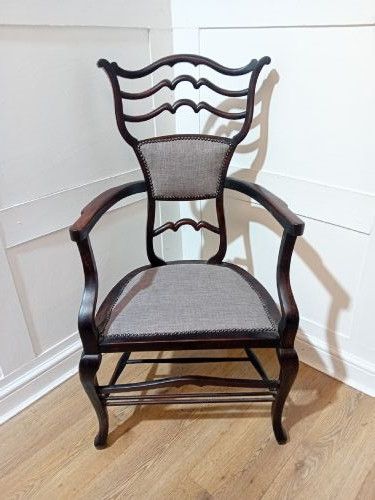


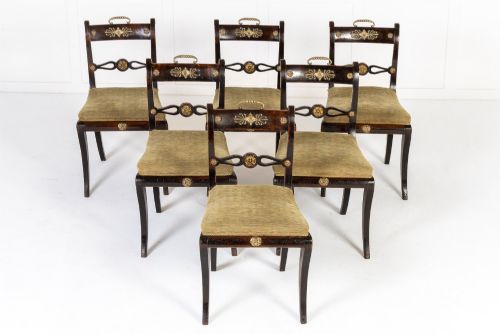
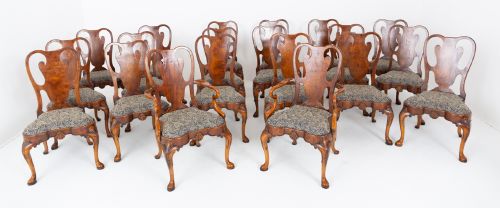
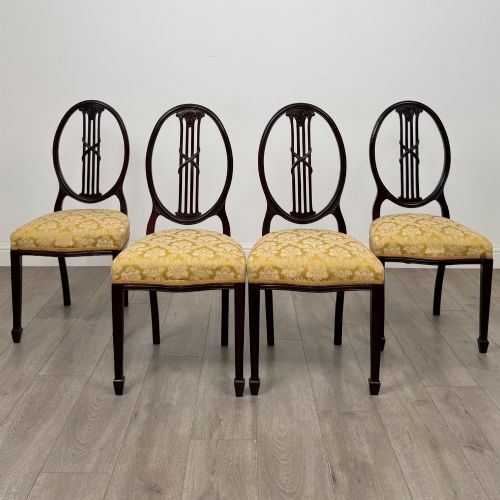
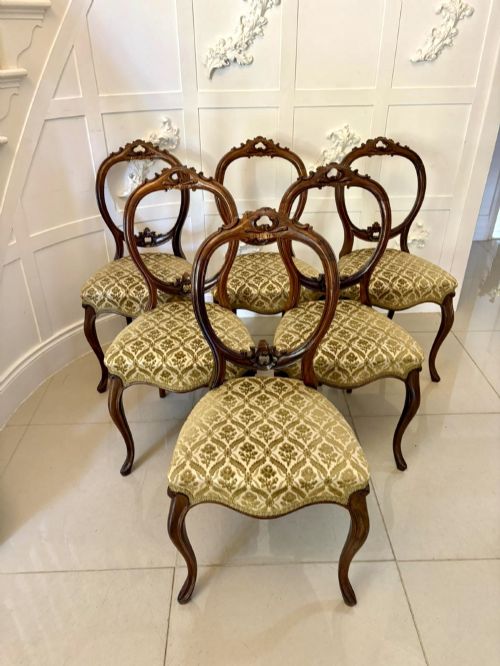
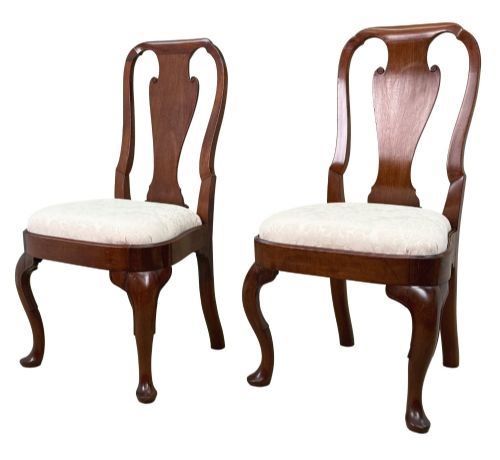
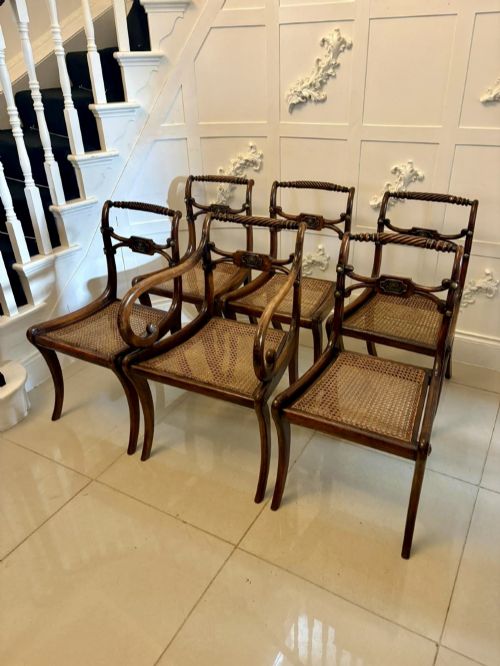
Period Side Chairs
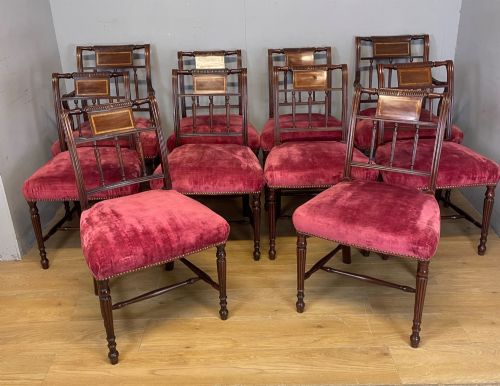
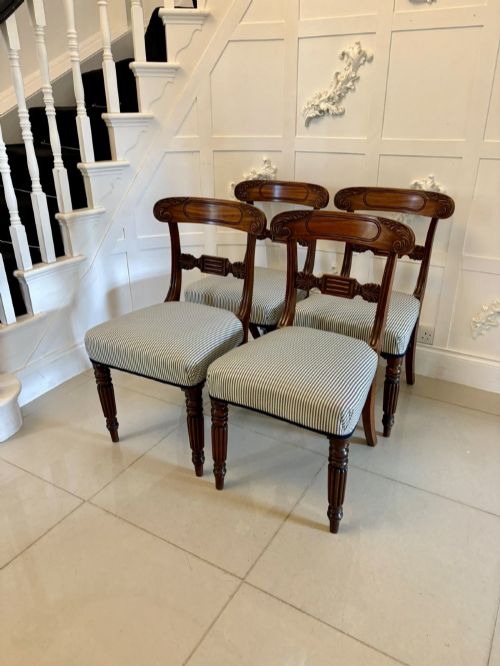
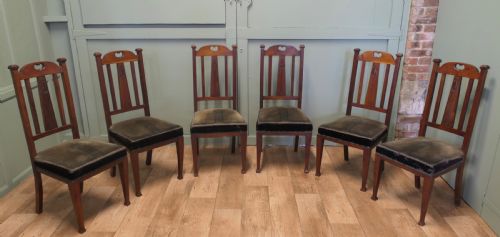
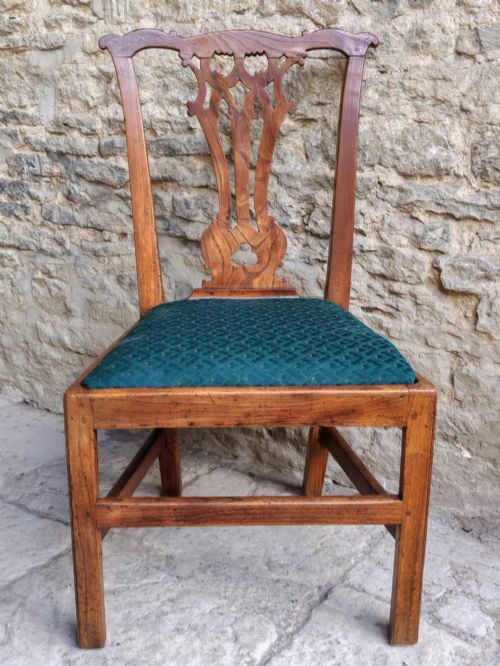
Period side chairs offer compact seating in walnut and mahogany across centuries of design.
How they were made
Cabinetmakers constructed these chairs using solid hardwoods like mahogany, walnut and oak, often employing mortise and tenon joinery for structural stability in the frames. Carved details on splats, knees and crest rails were shaped by hand using chisels and gouges.
Seat construction utilised drop-in frames, webbing, and cane work covered in textiles, velvet or upholstery fabric. Timber surfaces were finished with French polish, wax or oil to highlight the natural grain of the wood.
What varies in quality
The refinement of carved ornament and the precision of the joinery determine the standing of an individual piece. Timber selection matters greatly, with well-figured mahogany or burr walnut marking the higher end of production.
The survival of original elements, such as needlework seat covers, cane panels and surface finishes, influences the character of each chair. Proportions and the crispness of details like shield backs, bar backs or cabriole legs separate standard domestic items from exhibition examples.
Listings feature woods including mahogany, walnut, oak, birch, rosewood and fruitwood across the eighteenth, nineteenth and twentieth centuries.
Charles Tozer·Maple and Co·Gillows of Lancaster
The Period Side Chairs Glossary
- Bar back
- A horizontal curved slat across the upper back of a chair, common in nineteenth-century designs.
- Cabriole leg
- A furniture leg that curves out and then in, resembling an animal's leg, frequently seen on Queen Anne and Georgian pieces.
- Cane seat
- A woven seat panel made from rattan or cane strips, providing a light and resilient surface.
- Carver
- An armchair designed to match a set of smaller dining side chairs, often placed at the head of a table.
- Shield back
- A chair back shaped in the outline of a shield, popular during the Hepplewhite and Sheraton periods.
- Splat
- The vertical wooden strip down the centre of a chair back, often pierced or carved.
Period Side Chairs: Frequently Asked Questions
Can I use antique side chairs for daily dining?
Most wooden side chairs from the eighteenth and nineteenth centuries were built for daily domestic use and remain structurally robust. Ensuring joints are tight allows them to serve around a modern dining table.
Care should be taken with delicate cane seats or antique textiles to preserve their condition.
What is the difference between a side chair and a carver?
A side chair is built without armrests, making it compact enough to tuck neatly beneath a dining table or line a hallway wall. A carver includes armrests and was traditionally reserved for the head of the dining table.
Sets often combined a majority of side chairs with a matching pair of carvers.
How should I care for mahogany and walnut frames?
Periodic application of quality beeswax helps nourish the wood and maintain a soft sheen without building up residue. Keeping timber away from direct heat sources and strong sunlight prevents the grain from drying out.
Dusting with a soft dry cloth removes grit that might otherwise scratch the polished surface.