


Period Print
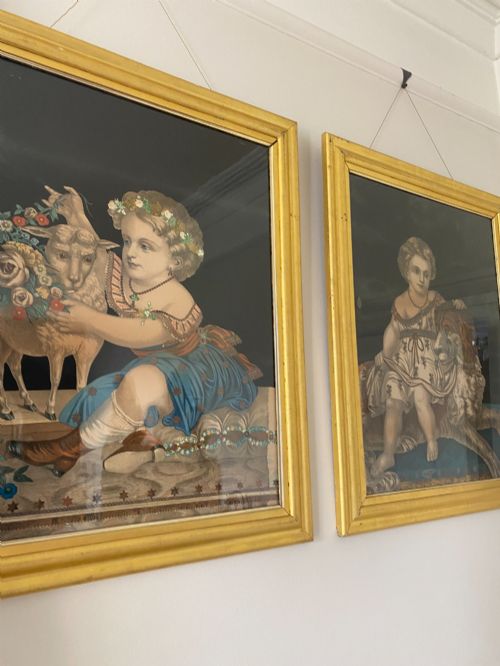
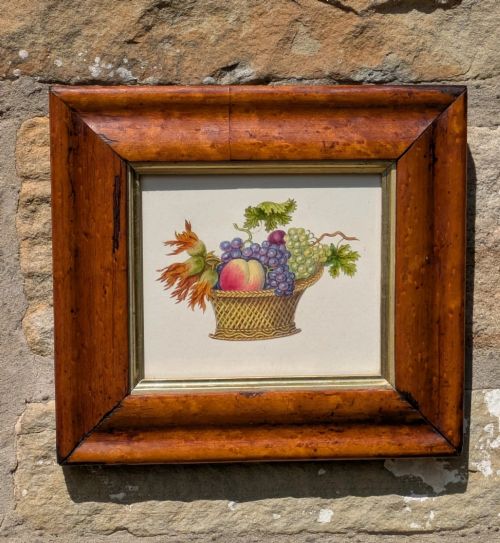
A period print captures historic portraiture, delicate botanical studies, and traditional woodblock imagery preserved inside authentic antique frames.
Period Print
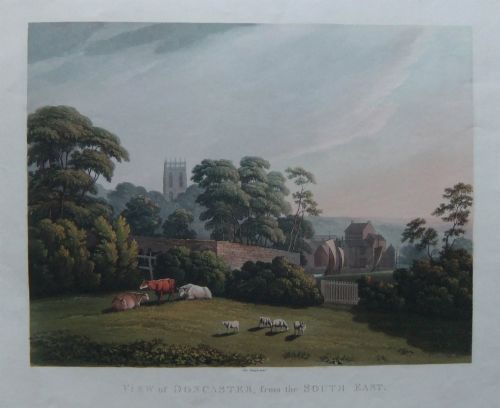
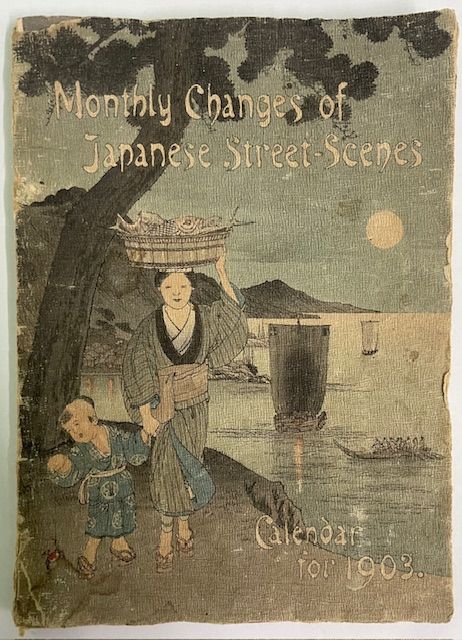
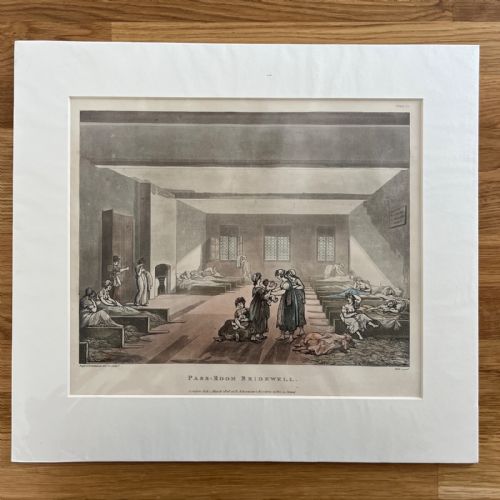
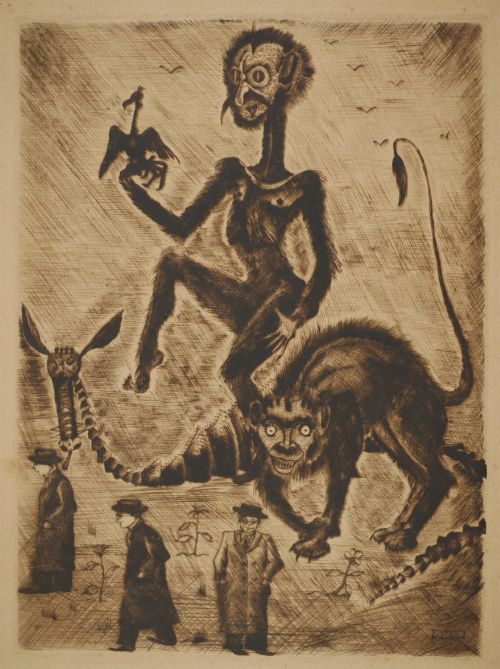
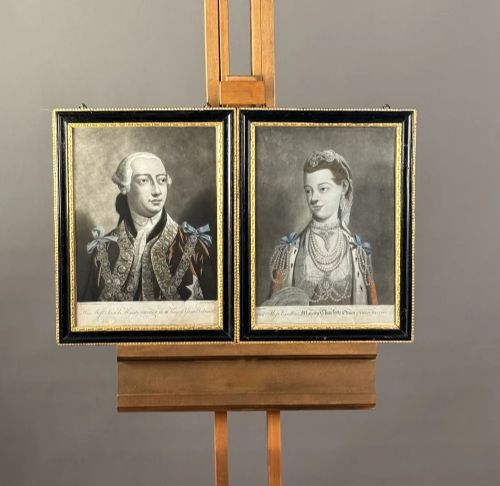
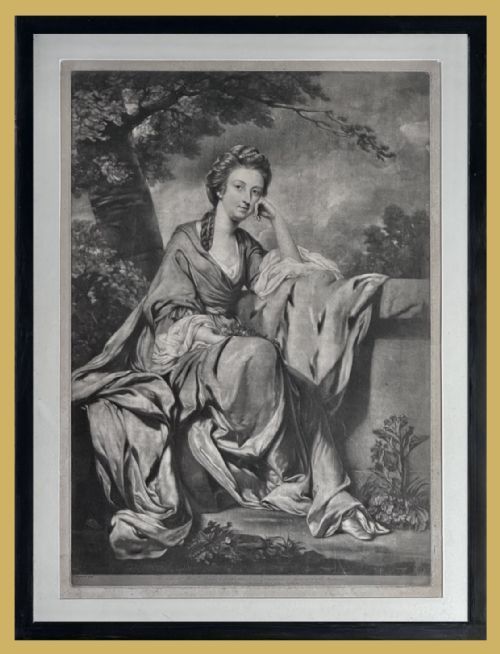
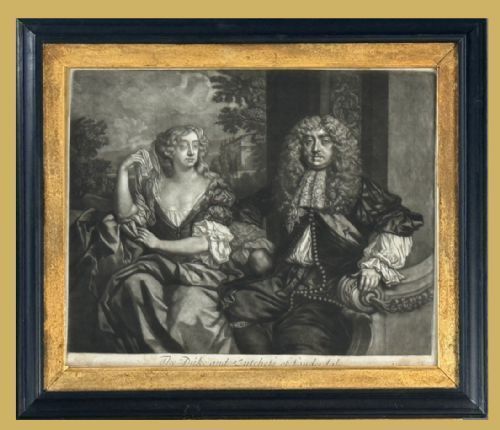
A search for a period print encompasses historic paper works, engravings, and mezzotints produced across multiple centuries. Buyers commonly encounter hand-coloured plates, royal portraits, and Japanese woodblock compositions originating from seventeenth to early twentieth-century workshops.
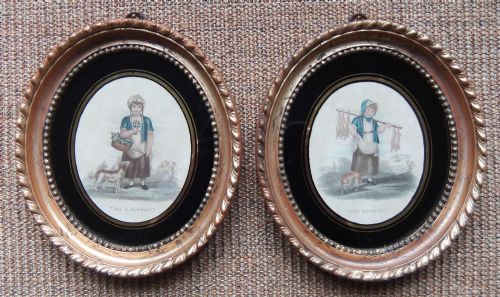
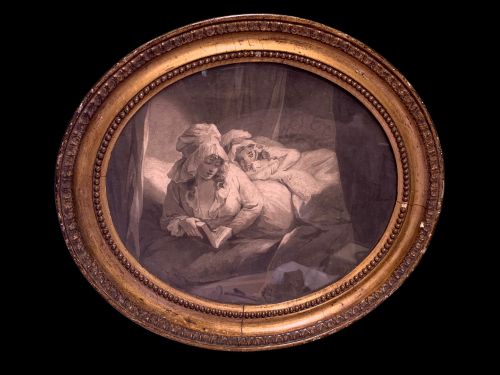
The objects take various forms including framed artwork, wall art, and bound plates extracted from historical volumes. Many examples retain their original wooden, walnut, or gilt frames which help date the complete piece.
These works bridge the gap between historical documentation and decorative art, capturing subjects ranging from classical academic studies to distant landscapes. Collectors select them to anchor historic interiors with authentic graphic works.
Materials and Techniques
Production relied heavily on laid paper and ink, often enhanced with hand-applied watercolour or tinting applied directly to the printed surface. Engravers and mezzotint artists worked copper plates by hand, creating tonal depth before transferring the image to paper under high pressure.
Framing materials matched the status of the print, utilising walnut, gilt wood, and glass protection that survived alongside the paper artwork. Specialised mounts such as silk brocade occasionally appear in East Asian woodblock mountings.
Period Print Retail Price Guide 2026
Typical asking prices for period print among the pieces listed under this phrase on Sellingantiques today, from the lower quarter to the upper quarter. They describe what is for sale here now, not the wider market.
The inventory combines European portrait engravings and Japanese woodblock prints within various period frames.
Quality and Execution
Quality rests upon the crispness of the impression pulled from the plate and the preservation of the paper substrate. Early strikes show sharper detail in linework and lettering compared to worn later impressions.
The survival of original hand-colouring and the integrity of the period frame elevate certain examples above standard decorative sheets. Expert execution by documented engravers after renowned painters also defines the upper tier.
Thomas Frye·Richard Purcell·Edward Fisher·Sir Joshua Reynolds·John Smith·Thomas Murray·Robert Williams·Sir Peter Lely·Hokusai·Katsukawa Shunshō·Kitagawa Utamaro·Kunisada
The Period Print Glossary
- Mezzotint
- A printmaking process where the copper plate is roughened uniformly to produce rich dark tones and subtle gradations of light. This technique allowed printmakers to reproduce oil paintings with remarkable fidelity.
- Engraving
- A method of cutting design lines directly into a metal plate using a sharp tool called a burin. The resulting lines hold the ink that transfers to paper under the printing press.
- Woodblock
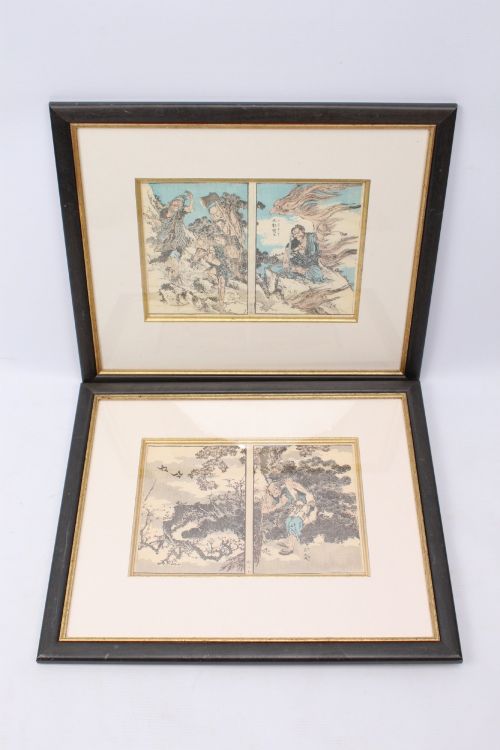
- A relief printing technique where material is carved away from a wooden block, leaving the design raised to accept ink. Japanese ukiyo-e masters utilised this method for multi-coloured artistic editions.
- Reverse glass print
- An image painted or transferred onto the underside of a glass pane to be viewed through the front. This technique protected the delicate pigments from dust and fading.
- Lithography
- A planographic printing process based on the mutual repulsion of oil and water on a flat stone surface. It dominated commercial and artistic print production during the nineteenth century.
Period Print: Frequently Asked Questions
How do I care for a period print?
Keep paper works away from direct sunlight to prevent fading and colour degradation.
Maintain stable room humidity to protect both the fragile paper and the antique wooden frame.
Are these prints original to their frames?
Many retain their original period frames made of walnut, giltwood, or simple moulding appropriate to the era.
Slight variations in frame joinery or backing boards help determine whether the pairing is original.
What subjects are most common?
Portraits of nobility, theatrical actors, and military figures dominate the seventeenth and eighteenth-century English works.
Japanese examples frequently feature traditional landscapes, legendary figures, and domestic scenes.
How can I distinguish an engraving from a lithograph?
Engravings display slight depressions in the paper where the metal plate pressed into the damp sheet during printing.
Lithographs present a flat surface without plate marks, relying on fine granular patterns visible under magnification.