




Period Paper Art
Period paper art brings together centuries of delicate watercolours, prints, and drawings framed for display.
Period Paper Art
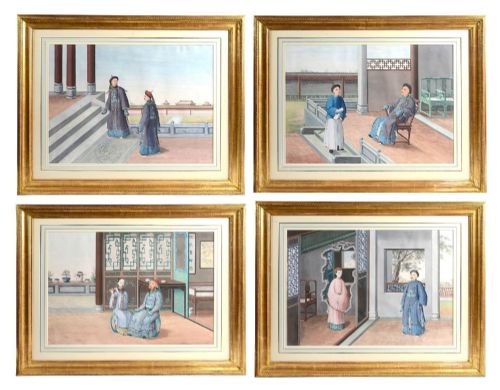
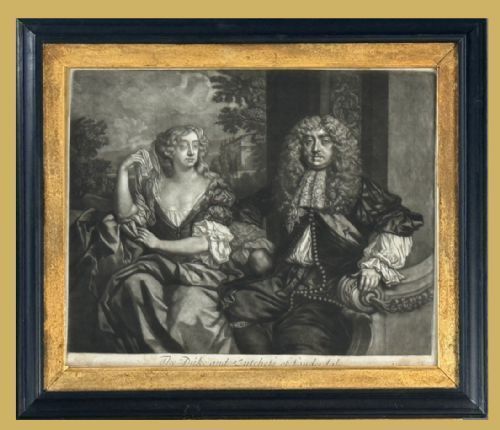
Period paper art encompasses original watercolours, engravings, mezzotints, and woodblock prints spanning from the seventeenth century through to the art deco era of the 1930s.
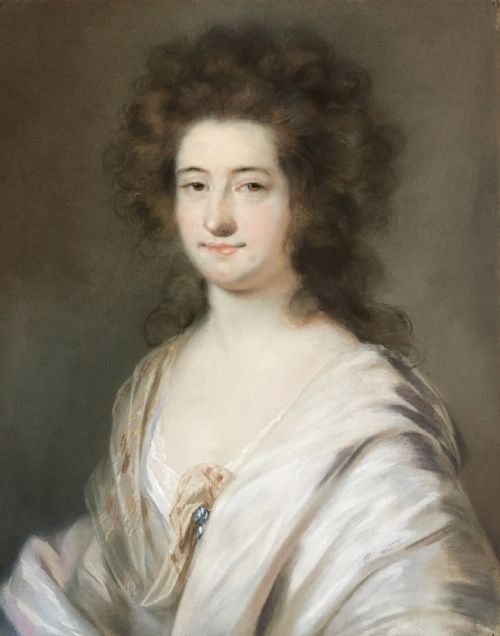
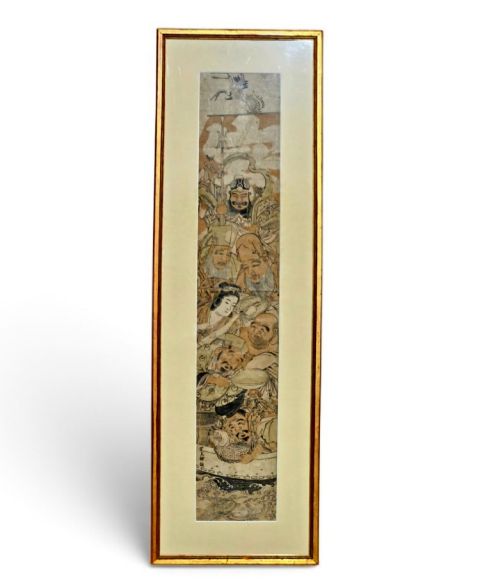
Buyers regularly encounter eighteenth-century portraits, nineteenth-century academic life studies, and Japanese Ukiyo-e woodblock prints preserved behind glass.
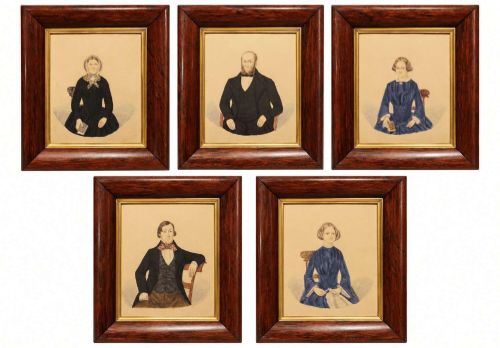
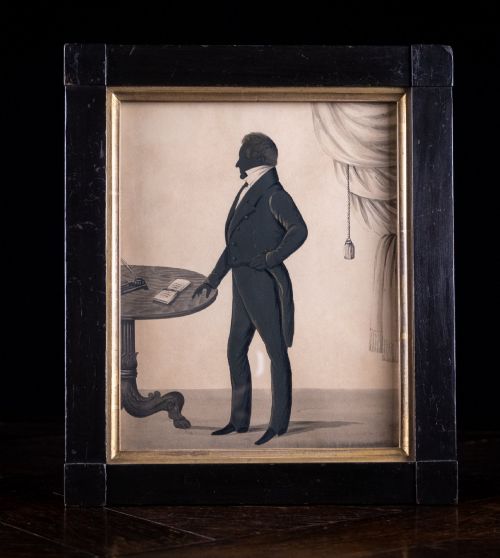
Framed artwork ranges from grand tour watercolours of Corfu and Provence to silhouettes and intricate hand-tinted prints.
How they were made
Works rely on paper supports combined with ink, watercolour, pastel, and charcoal, frequently enhanced with gold leaf or metal embellishments.
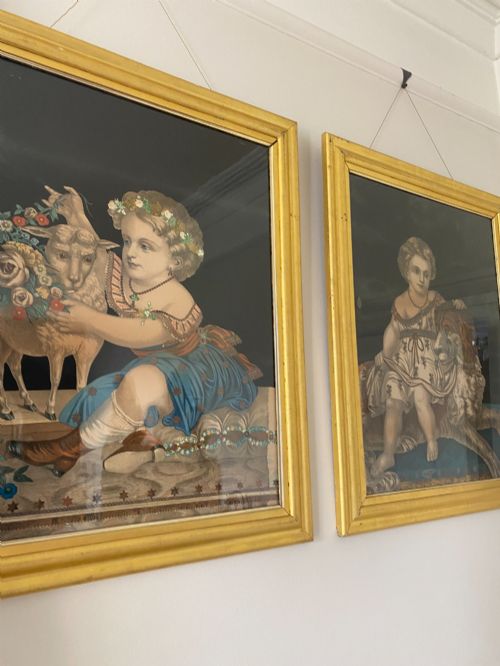
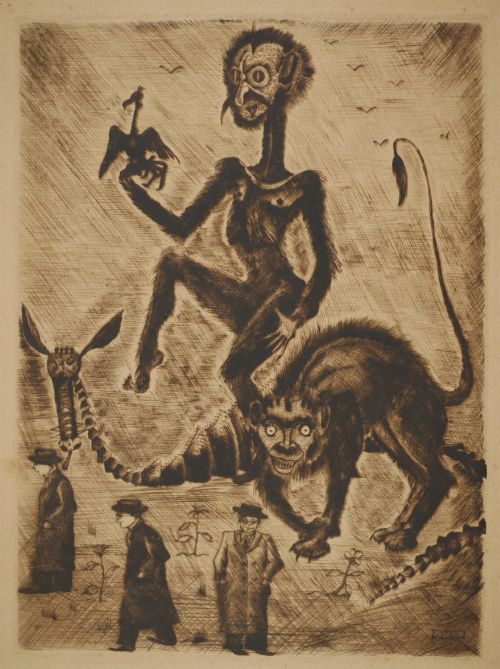
Printmakers utilised woodblock carving, etching, lithography, and mezzotint techniques, often applying hand-tinting directly onto the printed surface.
Framing typically involves wood and gilt wood surrounds, sometimes enclosing delicate textiles or painted silhouettes.
Period Paper Art Retail Price Guide 2026
Typical asking prices for period paper art among the pieces listed under this phrase on Sellingantiques today, from the lower quarter to the upper quarter. They describe what is for sale here now, not the wider market.
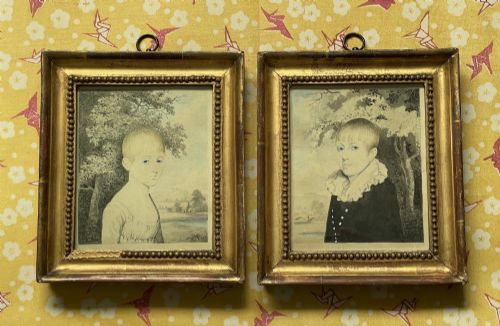
One nineteenth-century print pairs children with unusual metal embellishments glued directly onto their clothing.
What varies in quality
Execution and handwork distinguish master draftsmen and established printmakers from anonymous studio followers.
Preservation of the paper support, vibrancy of pigments such as watercolour and ink, and originality of the period frame dictate desirability.
Edward Fisher·John Smith·Katsukawa Shunshō·Kitagawa Utamaro·Takashi Nakayama
The Period Paper Art Glossary
- Mezzotint
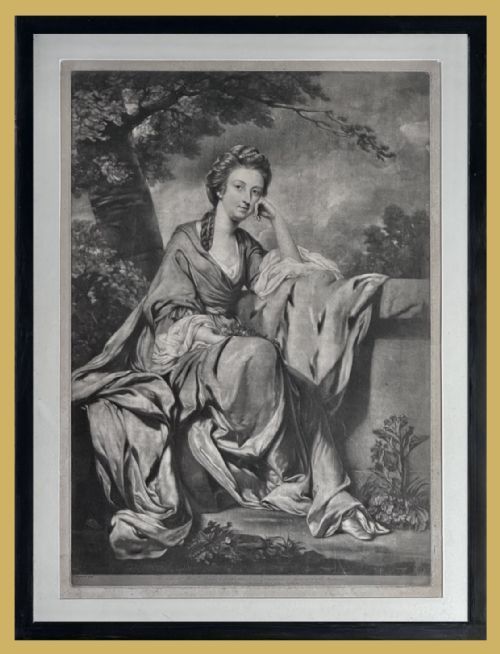
- A printmaking process of the tonal method, enabling rich dark areas and subtle gradations of light. It was widely used for reproducing oil paintings of nobility.
- Ukiyo-e
- A genre of Japanese art translating to pictures of the floating world, depicting woodblock prints and paintings of landscapes and actors. These works reflect Edo period aesthetics.
- Silhouette
- A portrait cut from paper or painted in profile, popular during the Georgian and Regency eras. They often feature delicate highlights in gold leaf.
- Academic life study
- A detailed drawing of a human figure executed by students or masters within formal art academy training. These pieces demonstrate mastery of anatomical form.
- Engraving
- A printmaking technique where an image is cut into a metal plate with a burin. The resulting lines hold ink to produce sharp, durable impressions on paper.
Period Paper Art: Frequently Asked Questions
How should I hang period paper art?
Keep these works away from direct sunlight to prevent fading of watercolours and inks. Acid-free mounting and framing protect the paper from degradation over time.
Ensure rooms maintain stable humidity levels. Glass should not touch the paper surface directly.
What is the difference between an engraving and a mezzotint?
An engraving relies on precise lines cut directly into a metal plate. A mezzotint builds up dark tones and smooth gradations through roughened plates.
Mezzotints yield velvety dark backgrounds suited for portraiture.
Are Japanese woodblock prints original?
Period woodblock prints were produced using hand-carved blocks for each colour layer. Artisans printed impressions onto handmade paper during the Edo period.
Signatures and publisher marks often appear in the margins.
How do I identify a Georgian silhouette?
Georgian silhouettes typically feature profile portraits of sitters painted on card or cut from black paper. They are frequently housed in small wooden or ebonised frames.
Details like hair or clothing may be highlighted in gold.