

Period Oak Writing Desk
A period oak writing desk brings centuries of solid craftsmanship and practical writing space into a room.
Period Oak Writing Desk
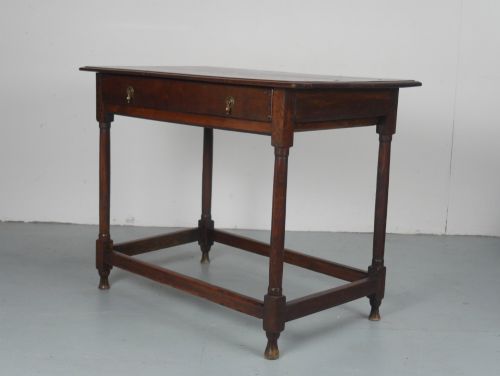
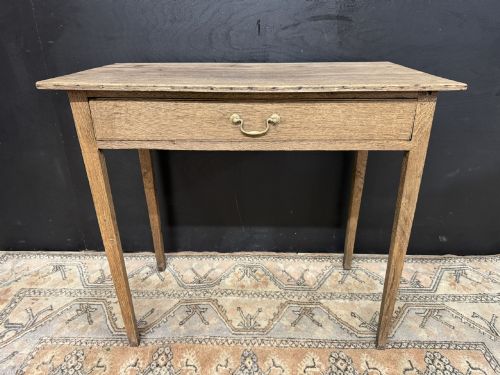
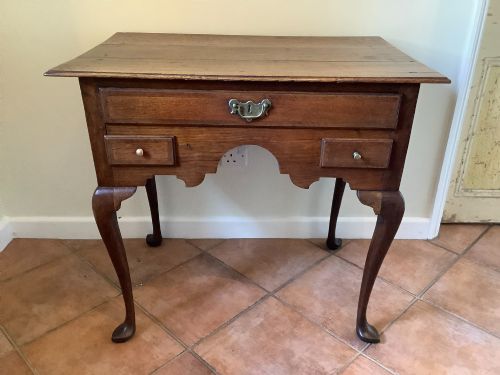
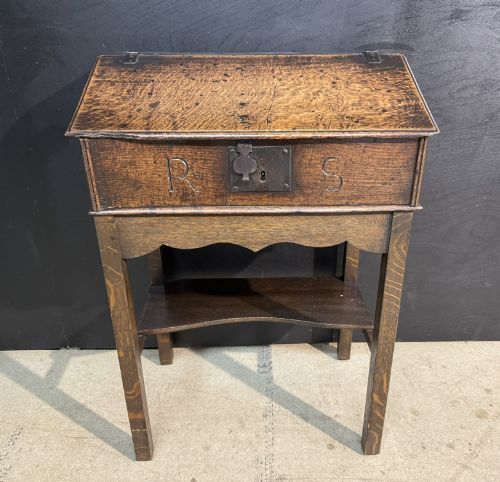
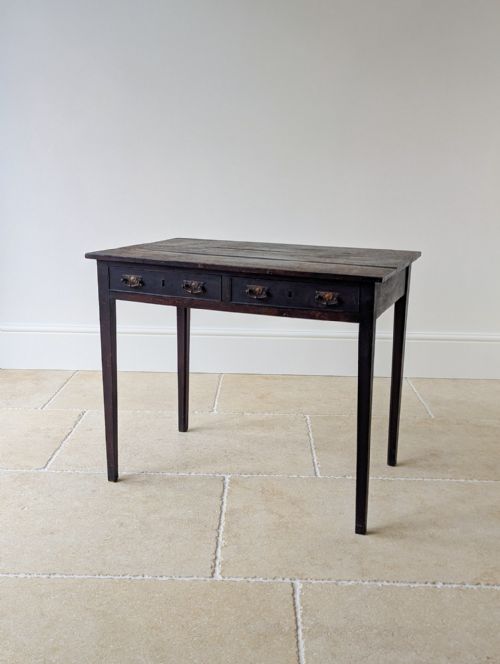
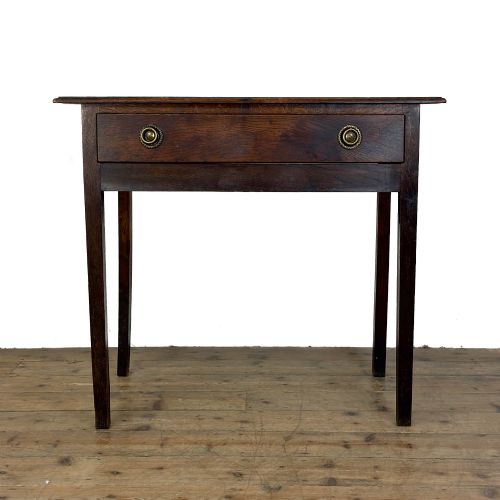
A period oak writing desk encompasses various historic forms designed for correspondence and storage, ranging from compact desk boxes to substantial bureau desks. When searching for a period oak writing desk, buyers encounter forms that span several centuries, including early 17th-century writing slope boxes and later Georgian writing tables.
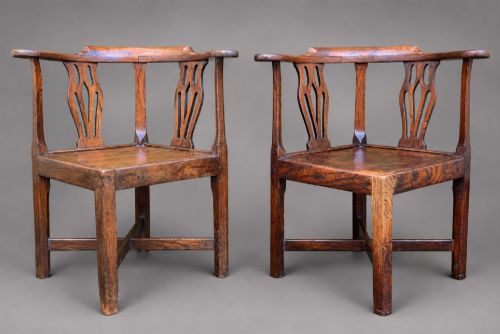
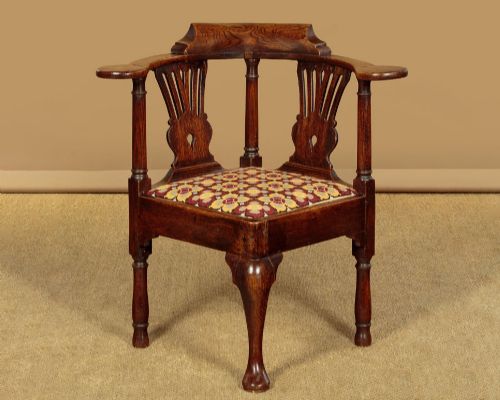
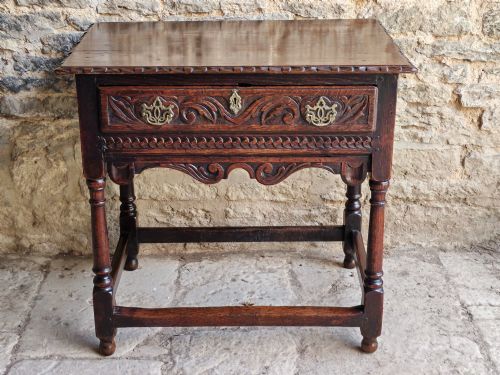
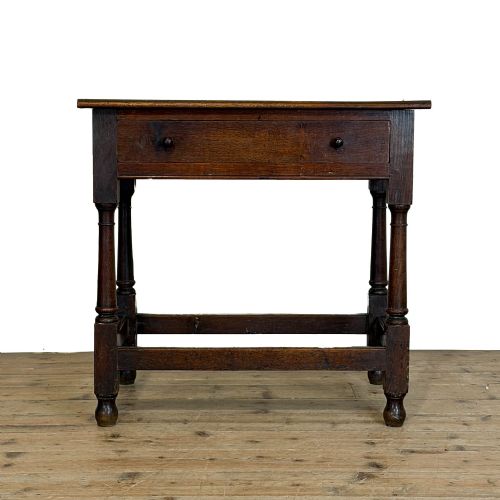
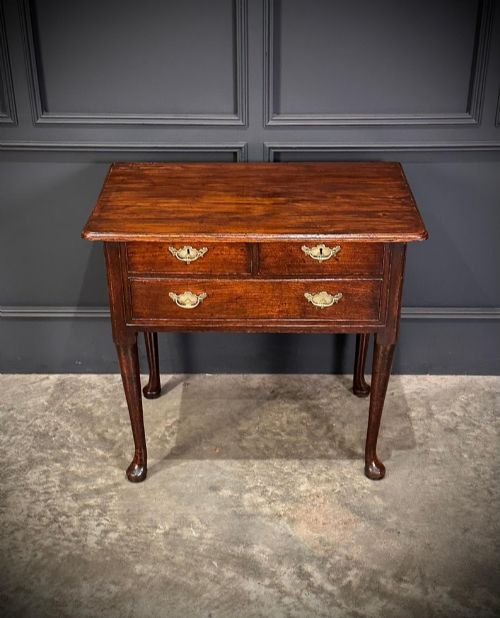
The selection on this page relies heavily on side tables, lowboys, and bureau desks originating from the 17th, 18th, and 19th centuries. These forms reflect the changing domestic requirements for writing furniture over successive periods.
Originating largely from English workshops, these items demonstrate traditional construction methods adapted for writing tasks. The combination of oak with auxiliary materials like brass hardware and leather inserts defines the typical pieces available here.
How they were made
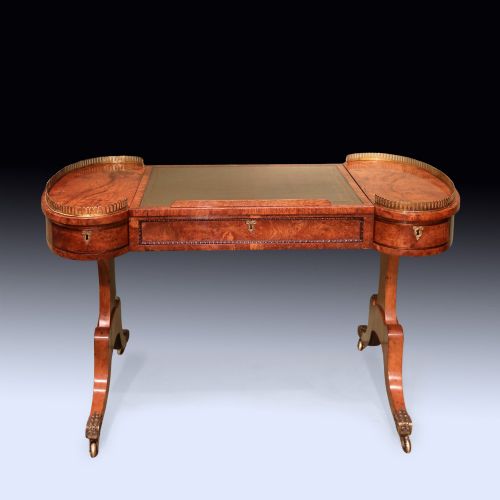
Makers utilised solid oak as the primary structural timber, often supplemented by burr oak, walnut, or mahogany veneers in later Regency and Edwardian examples. Iron and brass provide functional hardware such as hinges, handles, and lock escutcheons.
Construction techniques involve traditional joinery suitable for heavy timbers, alongside decorative additions like holly and bog oak inlay or carved panels. Leather surfaces appear on writing tables and desks to provide a suitable writing texture.
Period Oak Writing Desk Retail Price Guide 2026
Typical asking prices for period oak writing desk among the pieces listed under this phrase on Sellingantiques today, from the lower quarter to the upper quarter. They describe what is for sale here now, not the wider market.
Some early desk boxes manage to store centuries of ghost ink spots inside their tiny hidden compartments.
What varies in quality
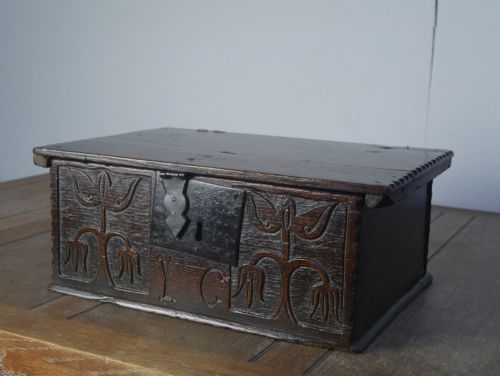
Quality separates through the crispness of carved details, the selection of figured timber such as burr oak, and the integrity of the original interior compartments within bureaus and desk boxes. Early pieces with intricate geometric or floral carving command attention for their sculptural presence.
The degree of original hardware, unaltered timber surfaces, and sophisticated internal drawer arrangements dictate the standing of individual writing desks and side tables within the broader range.
The Period Oak Writing Desk Glossary
- Lowboy
- A small table with drawers, commonly used as a dressing table or writing surface during the 18th century. These pieces usually feature cabriole or straight legs supporting a compact top.
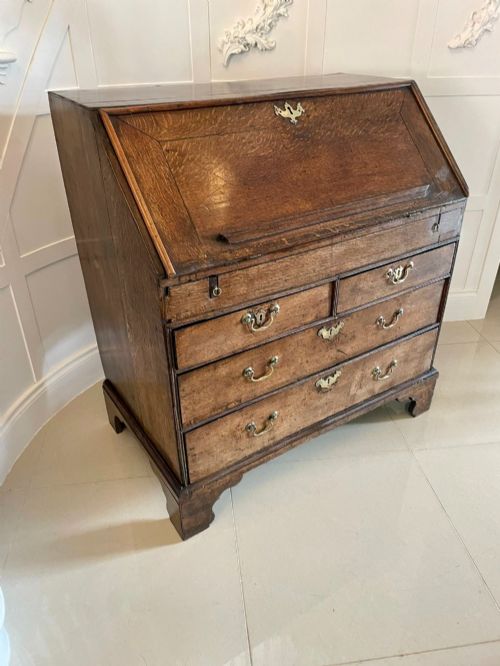
- Bureau desk
- A writing cabinet featuring a sloping lid that folds down to reveal a fitted interior of pigeonholes and small drawers. They frequently sit upon a chest of drawers or a frame.
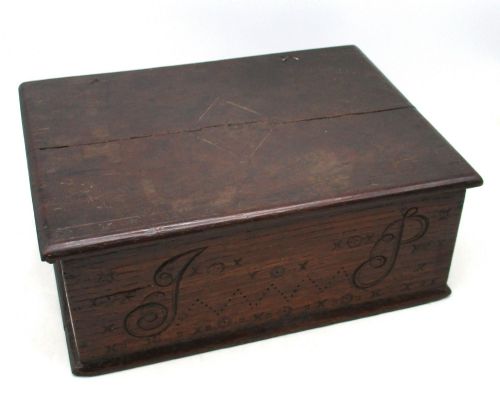
- Bible box
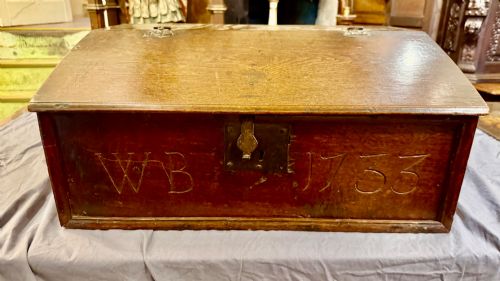
- A portable wooden box used originally for holding heavy books or writing equipment, often placed on tables. Many feature slanted lids suitable for reading or writing.
- Writing slope
- A portable box with an angled top that opens to reveal compartments for writing implements and paper. They were essential for correspondence before fitted desk furniture became standard.
Period Oak Writing Desk: Frequently Asked Questions
What is a lowboy?
A lowboy is a small table equipped with one or more tiers of drawers beneath the work surface. These versatile pieces served various domestic functions in the 18th century.
They frequently double as compact writing tables or dressing surfaces in smaller rooms. Their proportions make them easy to integrate into modern interiors.
How do I use a Bible box?
A Bible box sits on top of a table or desk to store documents, books, and writing materials. The slanted lid provides an inclined surface for reading or writing.
Today, they function well on sideboards or desks for letter storage. They offer secure, enclosed space while taking up minimal floor area.
What distinguishes a bureau desk?
A bureau desk includes a hinged sloping flap that drops down to form a writing ledge. This flap conceals a fitted interior filled with small drawers and pigeonholes.
When closed, the desk hides writing clutter neatly away. This combination of storage and workspace made them popular throughout the 18th and 19th centuries.
How do I identify oak furniture?
Oak furniture displays distinctive grain patterns with visible medullary rays, often referred to as silver grain. The timber is dense, heavy, and ranges in colour from pale straw to deep brown.
Historic pieces show patination developed through centuries of handling and polishing. This ageing process gives the wood a warm, durable finish.