



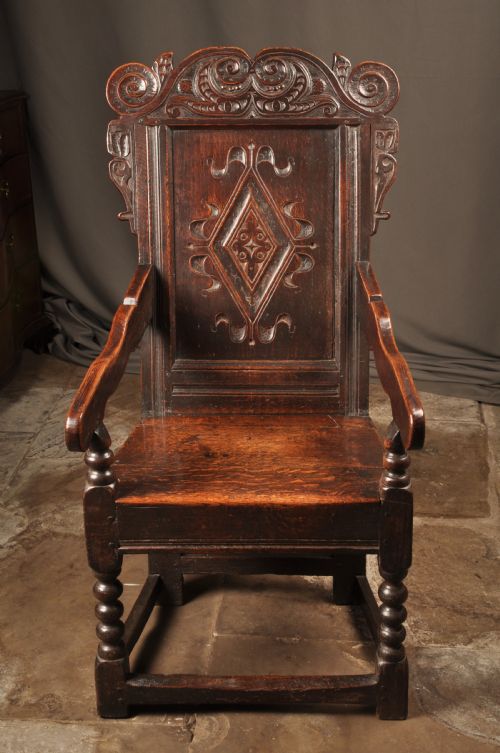


Period Oak Throne Chair
A period oak throne chair carries the substantial presence of early domestic life, offering heavy timber construction and high-status seating for the home.
Period Oak Throne Chair
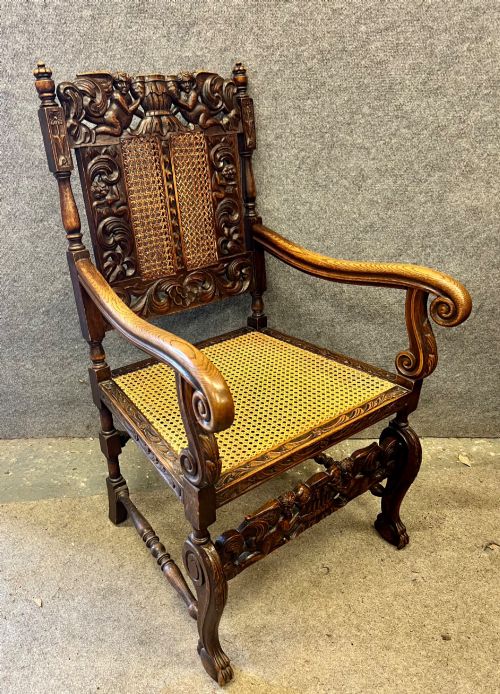
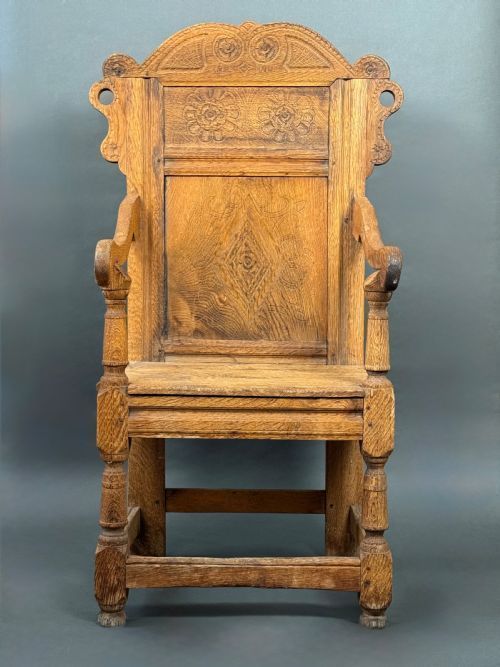
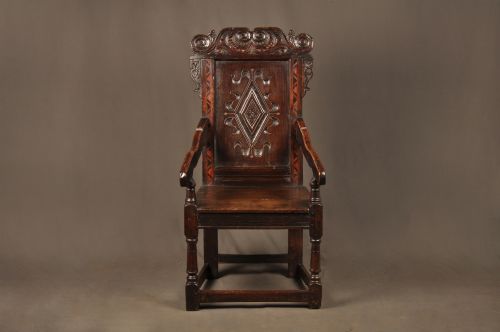
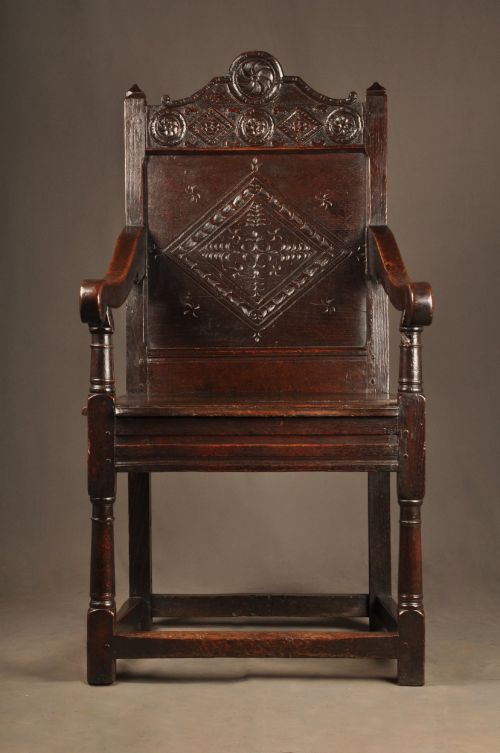
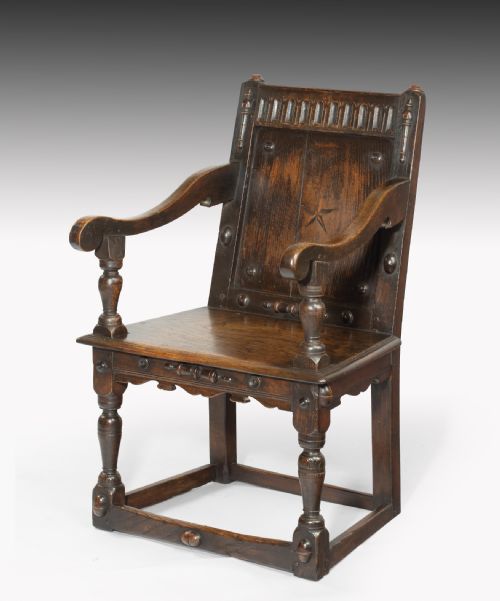
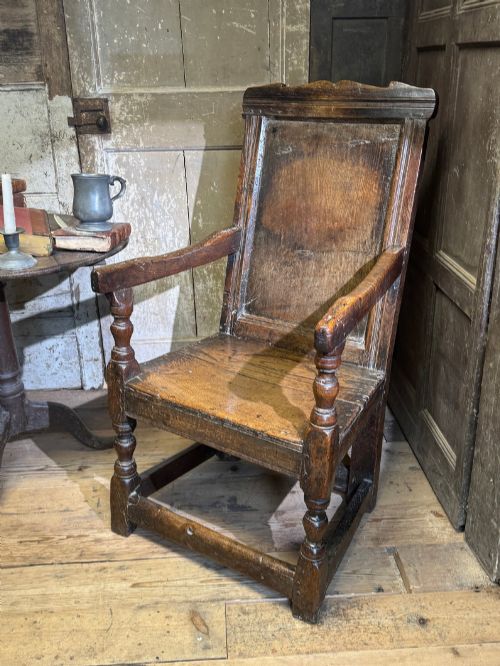
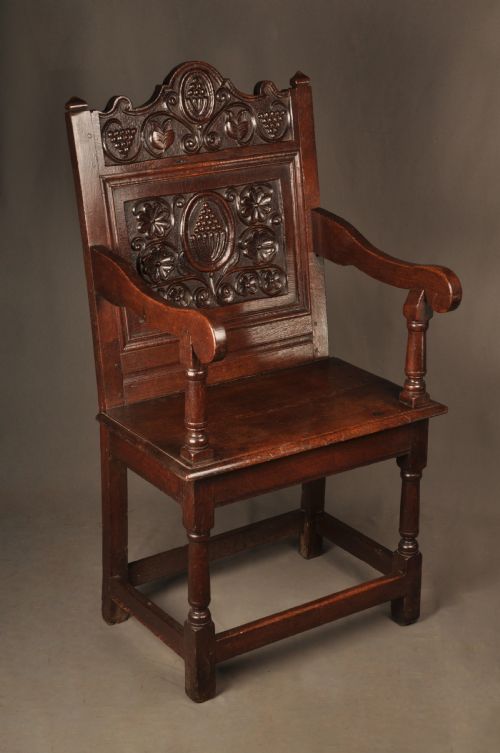
A period oak throne chair primarily takes the form of the wainscot armchair, an enclosed wooden seat built for status and durability during the seventeenth and eighteenth centuries. These substantial armchairs feature high panelled backs, solid wooden seats, and sturdy armrests designed to hold authority in a domestic interior.
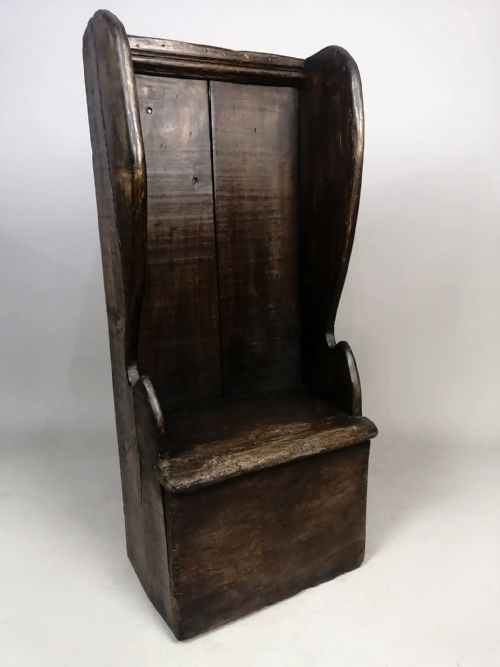
Regional variations emerge across the selections, with examples originating from Lancashire, Yorkshire, and Wales. Country workshops shaped these regional styles, producing vernacular seating with carved panels, turned legs, and occasionally contrasting timbers like yew-wood or fruitwood.
While many pieces date to the seventeenth century and the Jacobean era, later eighteenth-century interpretations and Victorian revivals also appear. The core of the selection remains heavy wooden armchairs built from solid timber with panelled construction.
How they were made
Makers utilised solid oak as the primary timber, relying on its strength to construct heavy panelled frames held together with traditional joinery. Secondary woods such as fruitwood and yew appear in specific panels or child-sized variants.
Upholstery is minimal or absent in the earliest forms, though occasional pieces integrate leather or velvet pads. Metal elements remain functional, restricted mainly to brass fixings where required.
Period Oak Throne Chair Retail Price Guide 2026
Typical asking prices for period oak throne chair among the pieces listed under this phrase on Sellingantiques today, from the lower quarter to the upper quarter. They describe what is for sale here now, not the wider market.
Listings span from the seventeenth century through the Victorian era, dominated by solid oak wainscot armchairs with regional Welsh and northern English origins.
What varies in quality
The depth and clarity of carved decoration on the back panels distinguish finer examples from plain utilitarian seating. Crisp execution of motifs demonstrates the skill of the original vernacular cabinetmaker.
Proportion and timber figure dictate visual appeal, particularly where quarter-sawn oak displays distinct medullary rays. The richness of the surface colour depends on age and the accumulation of patination through centuries of use.
The Period Oak Throne Chair Glossary
- Wainscot chair
- A heavy wooden armchair with a panelled back and solid seat, common in the seventeenth century. The term originally referred to fine imported oak boards used for panelling.
- Jacobean
- The style prevailing during the reign of James I, characterised by solid construction and geometric carved ornamentation. It forms a primary stylistic anchor for early oak furniture.
- Vernacular
- Furniture made by local country craftsmen following regional traditions rather than metropolitan high-style designs. These pieces often display idiosyncratic details specific to areas like Wales or Yorkshire.
- Fruitwood
- Dense timber gathered from fruit-bearing trees, utilised by makers for smaller components or child-sized chairs. It offers a smooth texture and a distinct warm tone compared to standard oak.
- Patina
- The surface sheen and deep colour developed by timber over long periods through handling and exposure. It serves as an indicator of age and continuous preservation.
Period Oak Throne Chair: Frequently Asked Questions
How do I date a 17th century oak chair?
Dating relies on observing construction methods, joinery types, and carved decorative motifs characteristic of the period. Earlier pieces from the Jacobean era often show geometric strapwork and heavier proportions.
Regional traits also help narrow down the origins, as Welsh and northern English workshops utilised distinct carving styles. Comparing the timber grain and the depth of the patination provides further context for the age.
Where were these chairs used?
These large armchairs typically occupied the head of the table or sat near the hearth in substantial homes. Their imposing presence marked the seat of the head of the household.
Smaller regional variants and child-sized versions indicate they served various domestic spaces. Over time, their role shifted from functional high-status seating to decorative statement pieces.
How do I care for period oak furniture?
Period oak requires a stable indoor environment away from direct heat sources and dramatic humidity fluctuations. Excessive dryness can cause timber to split or joints to loosen.
Applying traditional beeswax occasionally helps nourish the wood and maintain its protective finish. Avoid modern chemical polishes that can alter the historical surface.