


Period Oak Tavern Table
These period oak tavern table pieces bring solid timber, plain function and centuries of use straight into a modern room.
Period Oak Tavern Table
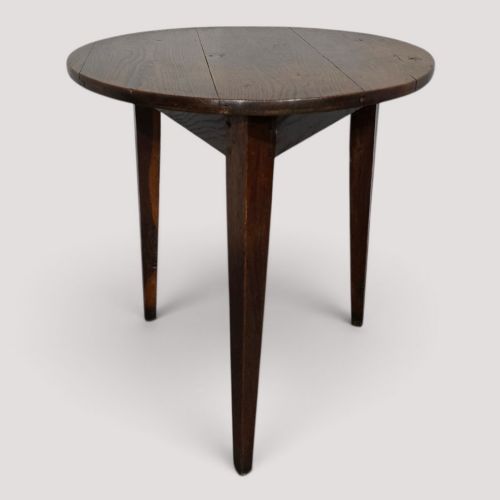
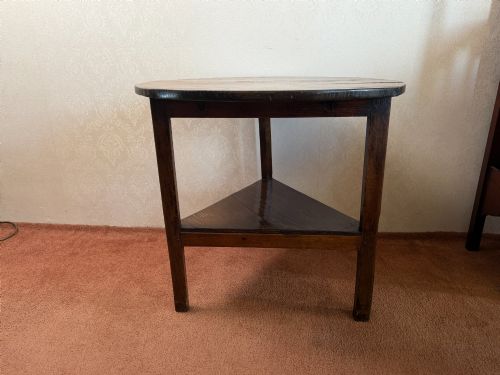
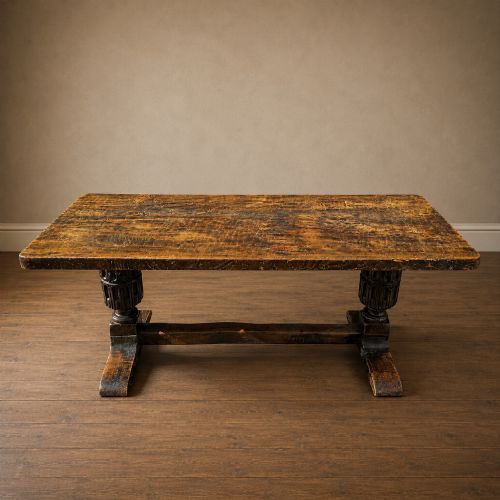
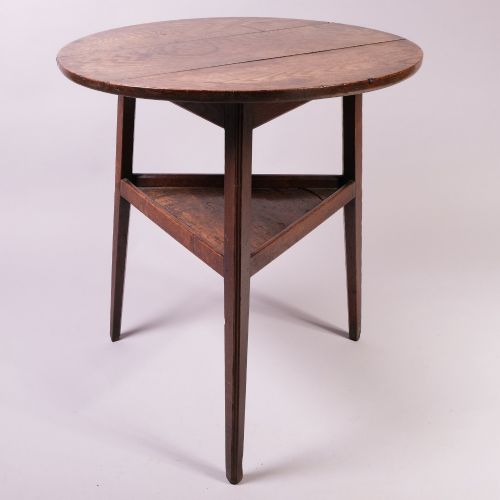
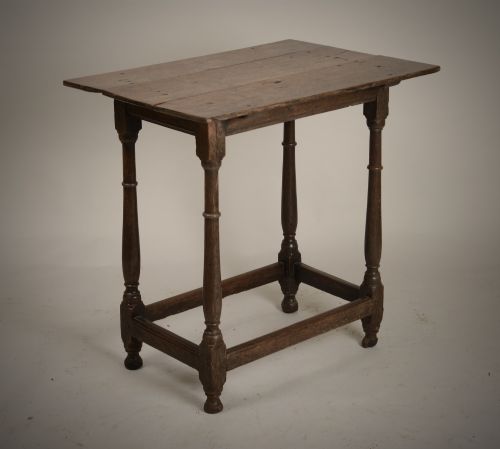
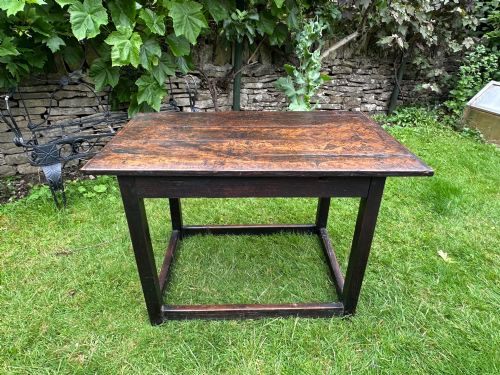
A period oak tavern table is a robust domestic or public house surface, spanning forms such as side tables, centre tables, refectory tables, coaching tables and cricket tables. When searching for a period oak tavern table, buyers encounter surviving examples originating across the seventeenth century, eighteenth century, and nineteenth century, alongside specific Georgian and Jacobean stylistic designations.
The pieces on this page lean heavily toward seventeenth century Welsh tavern formats, eighteenth century plank top designs, and tripod cricket tables constructed from ash, elm and solid oak. These rustic forms served alehouses and farmhouses alike, built for daily utility rather than formal display.
Materials and construction
Constructed primarily from solid oak, these tables frequently incorporate elm and ash for tops and secondary structural components. Iron fastenings appear where necessary, though traditional joinery relies on pegged mortise and tenon frames.
Surviving surfaces often feature single plank timber tops, visible in seventeenth century refectory and tavern formats. The wood shows the marks of hand-planing and early tool use, finished with natural wax or simple oil layers accumulated over centuries.
Listings span the seventeenth century, eighteenth century, and nineteenth century, featuring oak, elm, ash, and iron.
Distinctions in quality
Quality rests upon the integrity of the timber, particularly whether a top uses a single wide plank of elm or oak rather than multiple jointed boards. Grain figure and the depth of the natural patina also separate domestic vernacular pieces from heavier institutional examples.
Proportion and structural survival define the upper tier of these tables. Retaining original stretcher bases and untouched surface wear without excessive modern timber replacement distinguishes superior examples from heavily restored counterparts.
The Period Oak Tavern Table Glossary
- Cricket table
- A small three-legged occasional table, typically constructed from oak, ash or elm during the eighteenth century.
- Refectory table
- A long dining surface dating from the seventeenth century or earlier, supported by substantial legs and heavy floor stretchers.
- Plank top
- A table surface made from boards laid side by side, often featuring a single wide timber plank on earlier examples.
- Vernacular
- Objects designed for local domestic or agricultural use rather than following strict classical architectural pattern books.
- Patina
- The surface sheen and colour acquired by aged timber through decades of handling, polishing and exposure to light.
Period Oak Tavern Table: Frequently Asked Questions
What is a tavern table?
A tavern table is a sturdy wooden table historically used in public houses and domestic homes for eating, drinking and communal gatherings.
These pieces feature heavy timber construction, usually in oak, elm or ash, designed to withstand daily use over centuries.
How do I date a table?
Dating relies on observing construction methods, timber species, tool marks and the overall style of the legs and stretchers.
Seventeenth century examples often show pegged joints and single plank elm tops, while eighteenth century pieces introduce lighter tripod bases and refined Georgian proportions.
Are these tables suitable for daily use?
These tables function well in modern interiors as dining surfaces, side tables or centre tables in living spaces.
Solid oak and elm construction provides enduring strength, though hot dishes and moisture require protective mats to preserve the historic finish.
What timber was used?
Oak forms the primary material for the frames and legs of these tables, supplemented by elm and ash.
Elm frequently appears in tabletops due to its interlocking grain, while ash provides strong, flexible turned legs for tripod cricket tables.