



Period Oak Slope
A period oak slope offers practical writing space and heavy timber construction, coming down to us in forms from simple Bible boxes to fitted bureaux.
Period Oak Slope
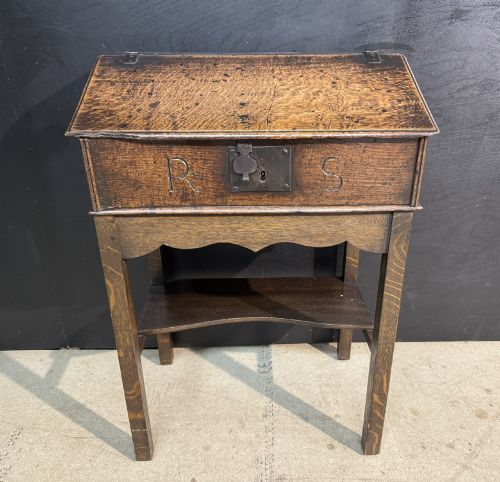
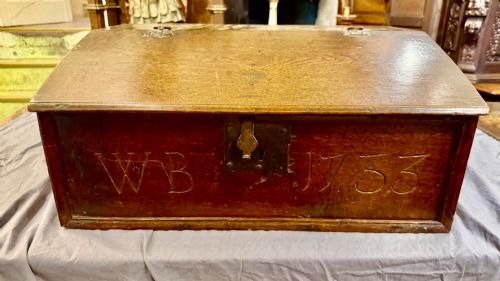
When you search for period oak slope, you encounter practical writing equipment and storage pieces spanning the seventeenth and eighteenth centuries. These items range from simple desk tops and Bible boxes to fully fitted bureaux and tables.
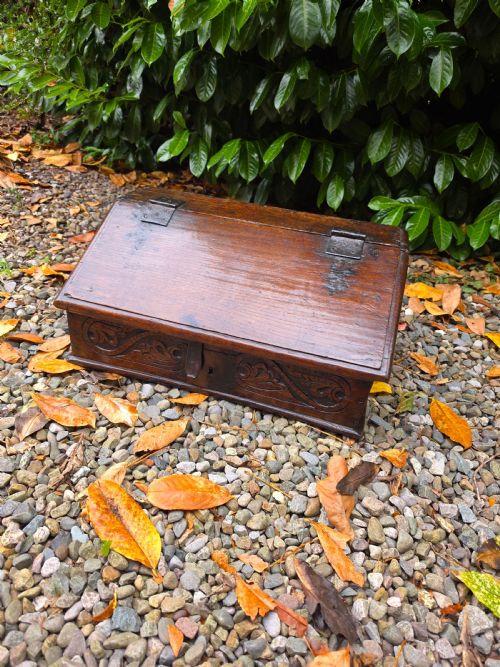
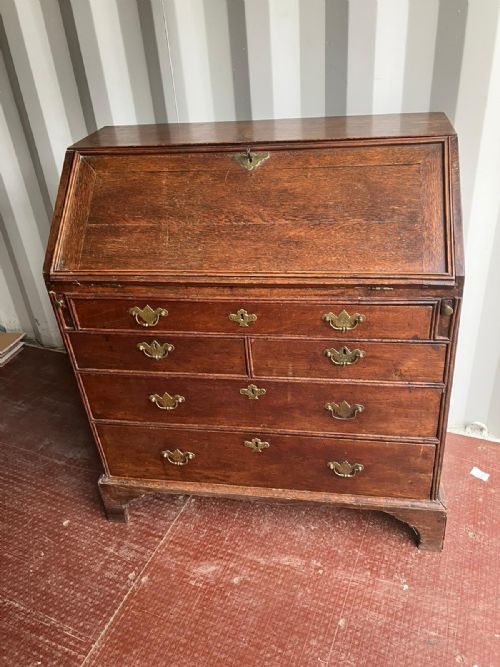
The seventeenth-century examples typically present solid timber box forms designed to sit on a table, often featuring a slanted lid for reading or writing. Eighteenth-century versions often develop into larger bureau forms with internal compartments and drawers.
Originating predominantly from British workshops, these pieces utilise robust native timbers. You meet designs reflecting Jacobean, William and Mary, and George III eras, each carrying distinct regional joinery traits.
Materials and construction methods
Makers built these pieces primarily from solid oak, sometimes combining secondary woods like mahogany or incorporating decorative holly and bog oak inlay work. Iron and brass hardware such as hinges and escutcheons secure the lids and drawers.
Joinery relies on traditional methods suited to heavy timber, creating sturdy enclosures designed for daily desk work. Carved details and moulded edges add texture to the primary writing surfaces and facades.
Period Oak Slope Retail Price Guide 2026
Typical asking prices for period oak slope among the pieces listed under this phrase on Sellingantiques today, from the lower quarter to the upper quarter. They describe what is for sale here now, not the wider market.
The listings here feature oak pieces spanning the seventeenth century through the George III period, incorporating brass, iron, mahogany, and bog oak.
Distinguishing quality across examples
Quality rests in the crispness of the timber carving, the complexity of the interior fitments, and the integrity of the original hardware. Pieces featuring elaborate internal drawers and contrasting inlay work stand apart from plain utilitarian boxes.
The condition of the primary oak surfaces and the survival of early brass and iron fittings influence the character of each piece. Superior examples maintain their structural joinery without heavy timber replacement.
The Period Oak Slope Glossary
- Bible box
- A small wooden box with a sloping lid, historically used for holding sacred texts or writing materials. These portable pieces represent the earliest form of desk box.
- Bureau
- A sloping-lidded desk enclosing a fitted interior of small drawers and pigeonholes. Eighteenth-century variants often incorporate lower drawers for additional storage.
- Bog oak
- Subfossil oak that has been preserved in peat bogs, turning a dark brown or black colour. Craftsmen utilised this dense material for contrasting inlay work.
- Escutcheon
- A protective plate surrounding a keyhole, usually fashioned from brass or iron. These hardware elements secure the locking mechanisms on desk boxes and bureau lids.
Period Oak Slope: Frequently Asked Questions
What is a period oak slope?
A period oak slope refers to wooden writing boxes and bureaux featuring a slanted top lid. These items provide a firm writing surface and enclosed storage for documents.
They date from the seventeenth and eighteenth centuries, reflecting the domestic writing habits of the period through various regional styles.
How were these sloping boxes used?
Owners placed them on tables or desks to write letters, record accounts, or read heavy volumes. The angled lid held papers at a convenient reading angle.
Internal compartments kept inkwells, quills, and important papers organised securely within the wooden enclosure.
How do I distinguish seventeenth and eighteenth century pieces?
Seventeenth-century items often appear as simple desk boxes or Bible boxes with stark joinery and occasional carved decoration. They utilise heavy oak boards and basic hinges.
Eighteenth-century examples tend to develop more complex bureau forms with internal drawers, pigeonholes, and secondary woods like mahogany or holly inlay.
Where should I place an antique slope at home?
These pieces suit living spaces, studies, or hallways where they function as accent furniture or small writing desks. Tabletop boxes sit comfortably on sideboards or dedicated stands.
Keep them away from direct heat sources and strong sunlight to protect the aged oak timber and internal veneers.