

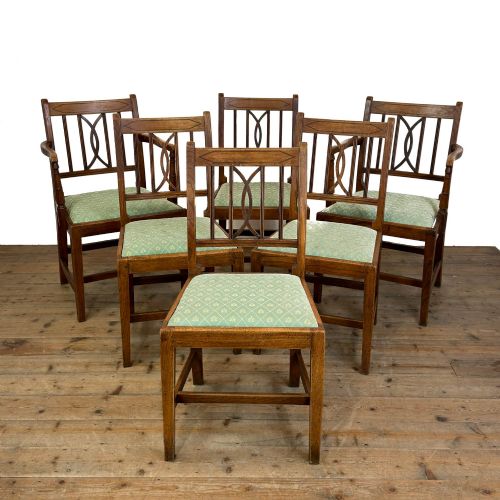


Period Oak Kitchen Chairs
Period oak kitchen chairs bring sturdy regional character to a room, offering enduring timber construction built for daily family life.
Period Oak Kitchen Chairs
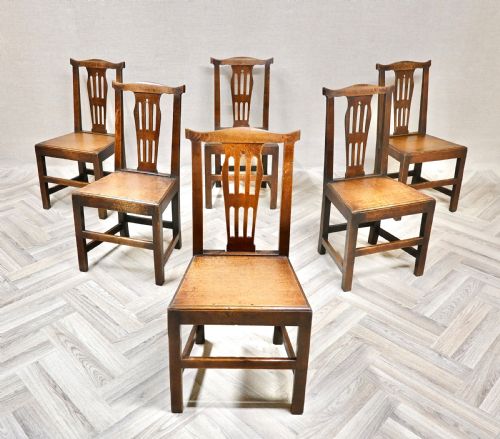
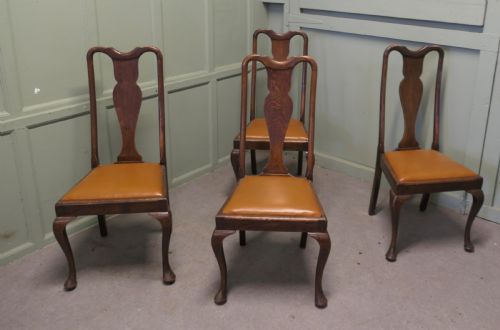
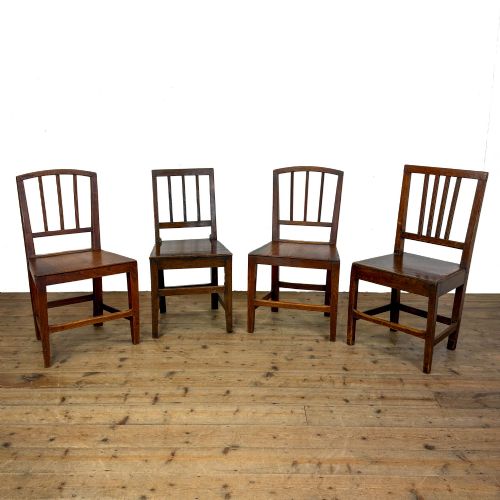
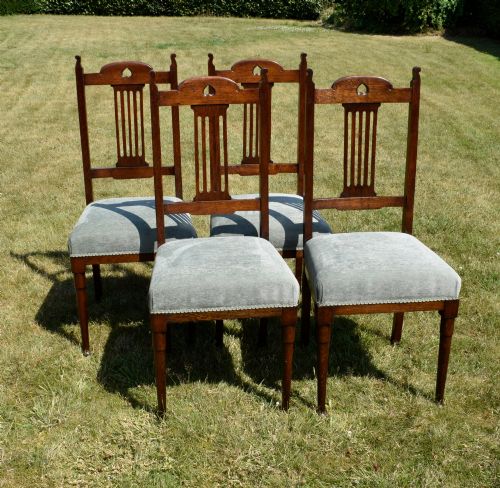
When you search for period oak kitchen chairs, you encounter robust timber seating spanning the Georgian era, the nineteenth century, and early decades of the twentieth century. These furnishings range from simple farmhouse ladder backs to refined Queen Anne style examples.
The selections available here emphasise dining chairs and country seating configured in sets ranging from four to ten pieces. Regional variations include Welsh farmhouse designs, Yorkshire patterns, and arts and crafts interpretations.
Most examples rely upon solid oak construction, sometimes paired with elm or finished with rush seating, leather, or upholstered fabric. Buyers frequently find harlequin sets that group related chairs gathered over time.
How they were made
Craftsmen shaped these chairs using solid English oak, often incorporating elm for seats or secondary framing. Construction methods relied upon traditional joinery techniques suitable for heavy domestic use in farmhouse and country settings.
Seating surfaces utilised solid timber panels, woven rush, or applied pads covered in leather, velvet, and fabric. Surface finishes developed through decades of polishing and handling by generations of users.
Period Oak Kitchen Chairs Retail Price Guide 2026
Typical asking prices for period oak kitchen chairs among the pieces listed under this phrase on Sellingantiques today, from the lower quarter to the upper quarter. They describe what is for sale here now, not the wider market.
Listings feature oak chairs spanning the Georgian era, nineteenth century, and early twentieth century, including Arts and Crafts and Queen Anne styles.
What varies in quality
The cohesion of a set dictates much of its standing, particularly when comparing matched groups to harlequin sets assembled from different sources. Uniformity in timber grain and turning details elevates the desirability of multi-piece sets.
Subtleties in regional turning, carving depth, and the integrity of original joinery distinguish standard utilitarian seating from finer examples produced within specific stylistic traditions like the Queen Anne or Arts and Crafts movements.
The Period Oak Kitchen Chairs Glossary
- Harlequin set
- A collection of chairs sharing a similar style or period but assembled from different origins rather than manufactured together. These groupings offer a traditional look often found in country dining spaces.
- Ladder back
- A chair design featuring horizontal slats set between the rear upright posts. This traditional form appears frequently in regional country seating.
- Queen Anne style
- A decorative manner originating in the early eighteenth century, characterised by cabriole legs and curved splats. Examples in this style reflect refined domestic taste.
- Rush
- A natural material woven to create resilient chair seats. This traditional technique provides flexible support for daily seating.
- Yorkshire dining chairs
- Regional seating types associated with northern cabinet-making traditions. These pieces often display characteristic spindle backs or turned supports.
Period Oak Kitchen Chairs: Frequently Asked Questions
What defines a harlequin set of chairs?
A harlequin set consists of individual chairs that share similar periods, materials, or stylistic traits without having been manufactured together as a single batch.
Buyers often select these groups for dining tables to achieve a collected, historic interior appearance rather than strict uniformity.
How do I care for antique oak chairs?
Maintain oak timber by keeping pieces away from direct heat sources and sudden humidity changes that cause wood to split.
Apply traditional wax sparingly to nourish the surface and preserve the natural sheen built up over centuries of use.
Are these chairs suitable for daily dining?
Period kitchen and dining chairs were originally constructed for heavy everyday use in domestic environments. Their solid timber frames and traditional joinery remain robust enough for regular modern seating.
Checking the stability of joints ensures safe daily deployment around a modern table.
How do I distinguish regional chair styles?
Regional styles reveal themselves through specific turning patterns, backrest configurations, and timber combinations such as oak paired with elm.
Items from areas like Yorkshire or Wales often display distinct local joinery traits passed down through generations of rural cabinet makers.