


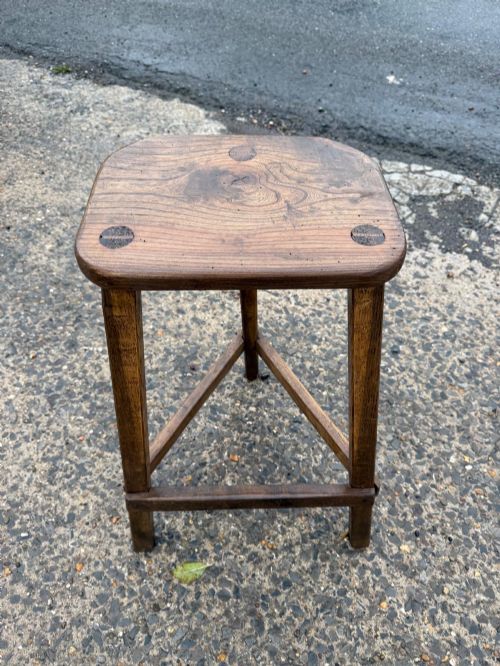
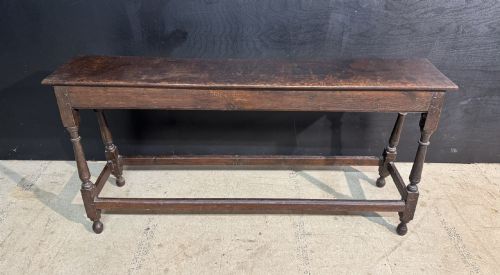
Country Oak Seats
Country oak seats bring the honest grain and sturdy build of traditional rural homes directly into modern dining spaces.
Country Oak Seats
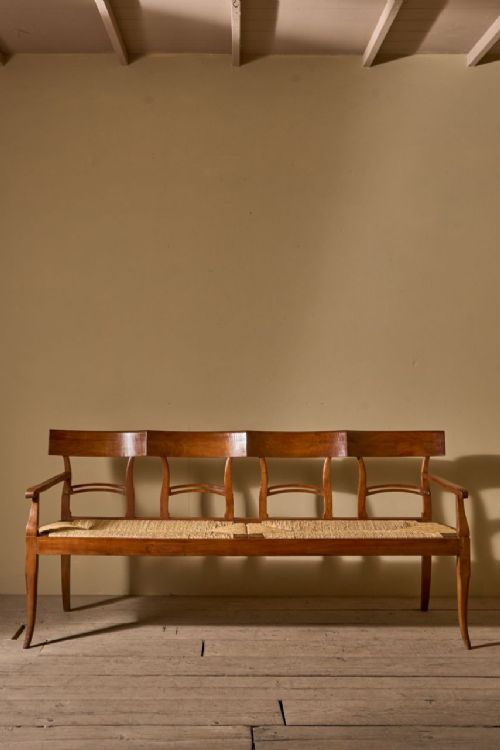
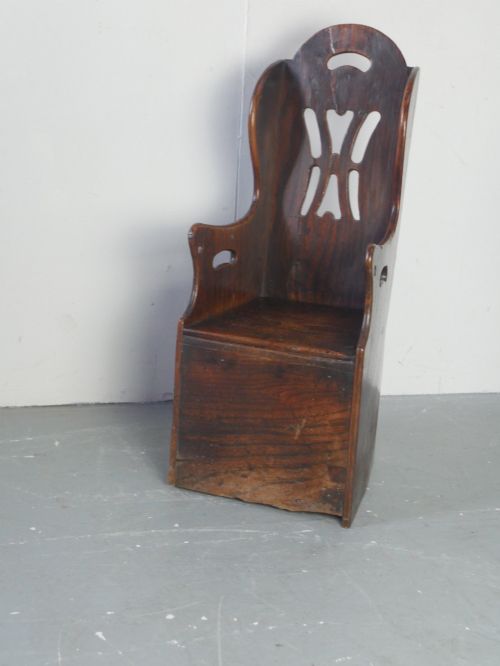
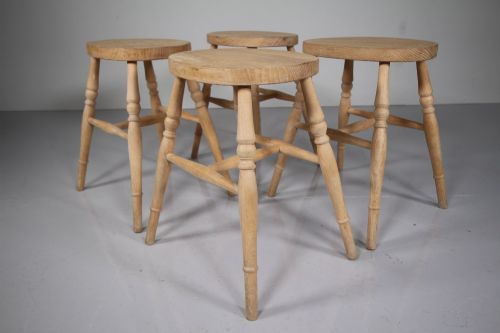
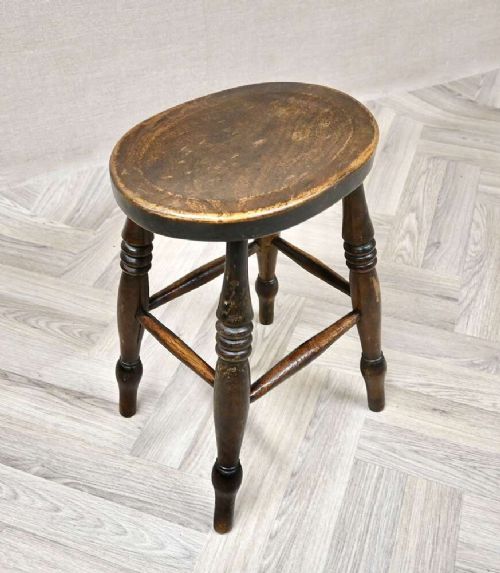
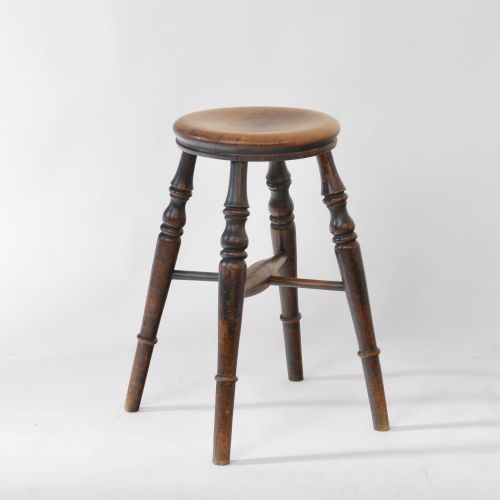
Country oak seats encompass a robust variety of domestic furniture designed for everyday utilitarian use in farmhouses, cottages, and taverns. When searching for country oak seats, buyers encounter everything from single stools and child chairs to large sets of dining chairs and substantial settles spanning the seventeenth century through to the Edwardian era.
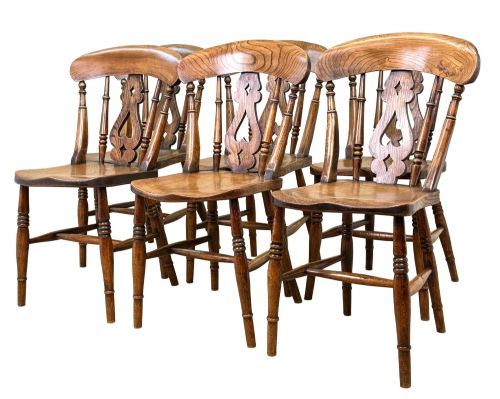
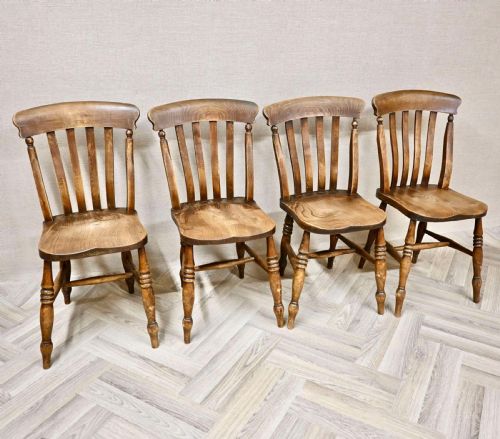
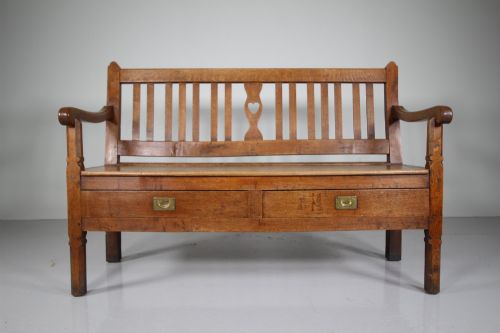
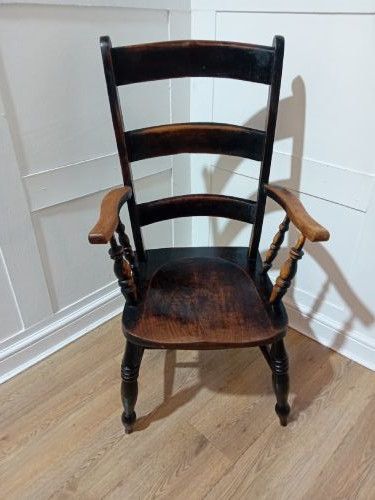
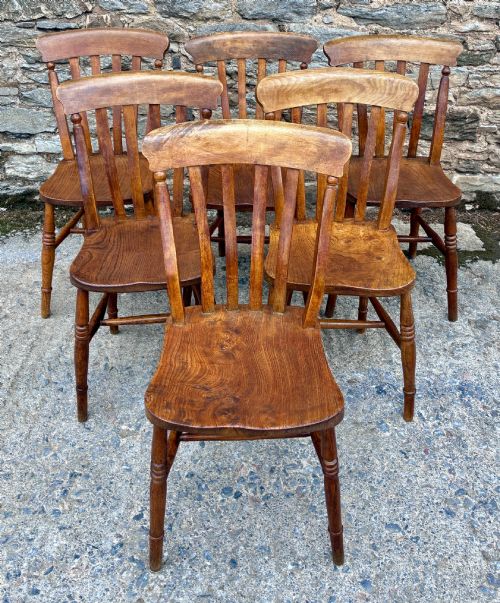
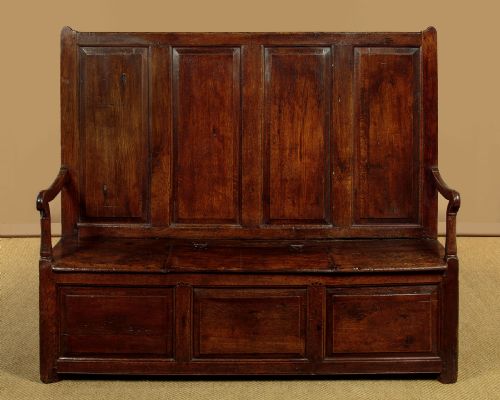
The most common iterations on this page include nineteenth-century Windsor kitchen chairs, traditional ladder backs, and sturdy oak settles originating from English, Welsh, and regional workshops. These forms reflect vernacular furniture traditions where local makers prioritized practical comfort and enduring strength over courtly fashion.
Pieces frequently appear as matched sets or assembled harlequin collections gathered from rural dining rooms, public houses, and country estates. Their honest construction and patinated timber suit contemporary interiors seeking warmth and historical character.
Materials and Construction Methods
Makers relied on native timbers, predominantly oak complemented by structural secondary woods such as elm, ash, beech, and fruitwood. Oak provided the heavy framework and planked seats, while flexible ash or elm often formed steam-bent Windsor hoops and spindles.
Joinery techniques relied on pegged mortise and tenon joints, dovetails, and turned components shaped on pole lathes. Many seating forms utilised solid plank seats bored to receive turned legs and back spindles directly, creating an immensely rigid structure.
Listings feature regional oak seating forms spanning the 17th, 18th, and 19th centuries alongside elm, ash, and rush materials.
Factors Defining Quality
Quality in these rural seats rests upon the integrity of the timber, the honesty of the construction, and the preservation of original surfaces. Pieces retaining early paint finishes, rich patinated wax, or untouched pegging command greater appreciation than heavily restored examples.
Proportion and comfort also distinguish finer vernacular work, as skilled regional makers balanced robust utility with graceful Windsor comb backs, shaped splats, or finely turned stretchers. The choice of timber grain and the absence of excessive structural replacement preserve the historical authenticity that collectors value.
The Country Oak Seats Glossary
- Settle
- A high-backed wooden bench with solid arms and a closed base, often featuring a box compartment beneath the seat for storage. Settles offered protection from draughts in open-hearth kitchens.
- Windsor
- A chair style featuring a solid wooden seat into which the legs and back spindles are independently inserted. The bowed back provides ergonomic support through steam-bent wood.
- Joint Stool
- An early form of wooden stool constructed with pegged mortise and tenon joinery rather than turned legs. They served as versatile seating and household surfaces before individual chairs became common.
- Rush Seat
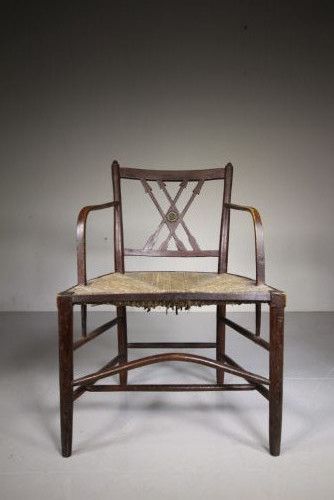
- A traditional woven seating surface made from dried marsh rushes twisted around a frame. This technique yields a resilient, textured pad common in vernacular dining chairs.
- Ladder Back
- A chair back constructed with horizontal arched slats between vertical uprights. This regional design allowed for simple production and sturdy support in country homes.
Country Oak Seats: Frequently Asked Questions
How do I identify a Windsor chair?
A Windsor chair is distinguished by a thick wooden seat that directly anchors the legs below and the back spindles above.
Regional variations often display characteristic hoop backs, comb pieces, or central splats carved from native timbers like ash and elm.
Are these chairs comfortable for daily dining?
Many country oak seats and Windsor chairs were shaped ergonomically with sculpted wooden saddles to provide surprising support during long meals.
Pairing them with appropriate table heights allows these historical forms to function effectively in modern dining spaces.
How do I care for antique oak furniture?
Maintaining antique oak involves applying traditional beeswax periodically to nourish the dry timber and preserve its natural patinated finish.
Keeping pieces away from direct heat sources and sudden humidity changes protects the ancient wood and pegged joinery.