

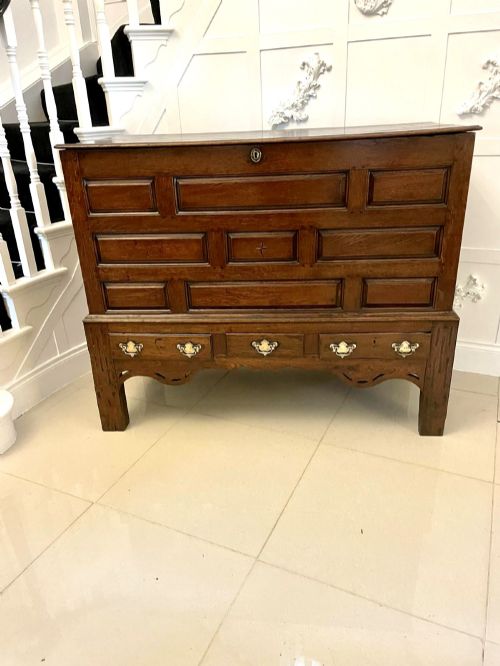
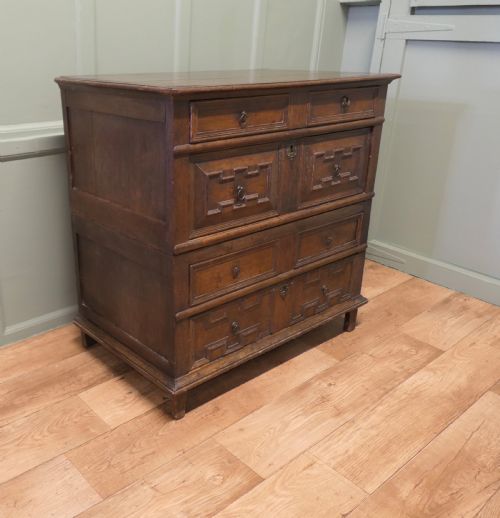
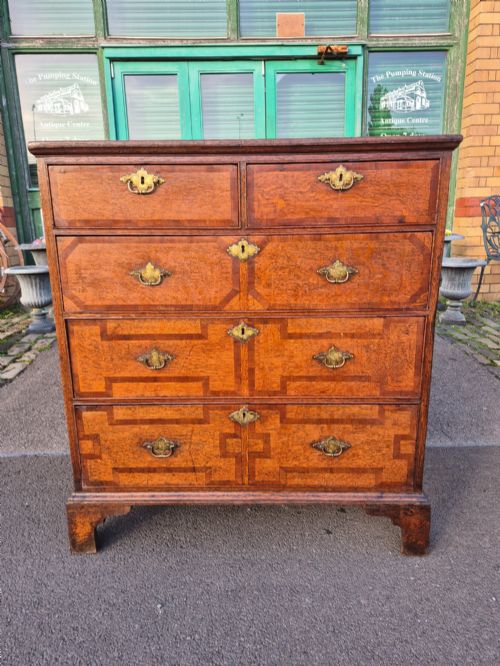
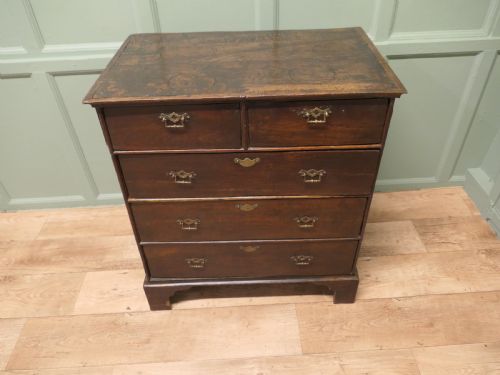
Period Oak Furniture Chest
These period oak furniture chest examples are sturdy storage pieces built from durable timbers designed to last for centuries.
Period Oak Furniture Chest
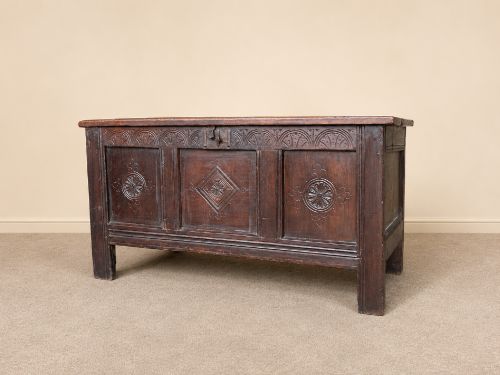
A period oak furniture chest covers robust storage vessels and drawer units spanning multiple centuries of British cabinet making. Buyers searching this phrase encounter substantial coffers, mule chests, and drawer configurations ranging from sixteenth-century framing to Georgian proportioning.
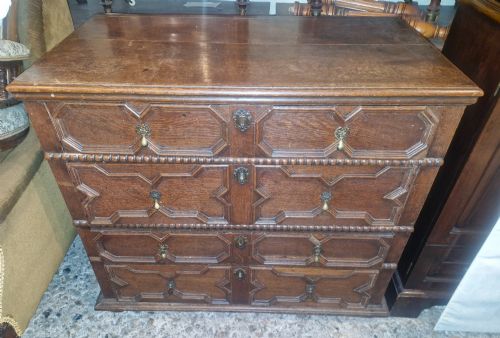
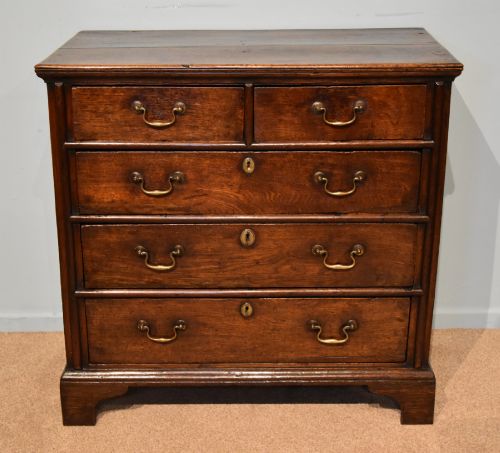
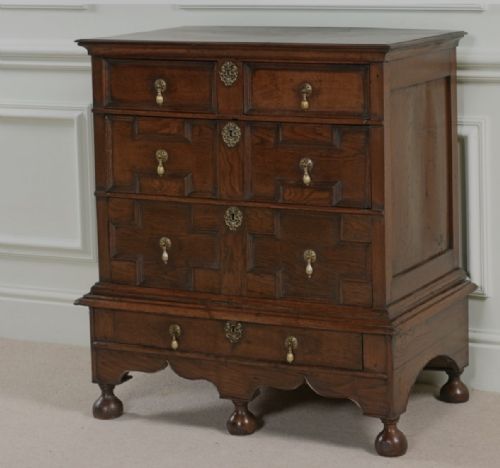
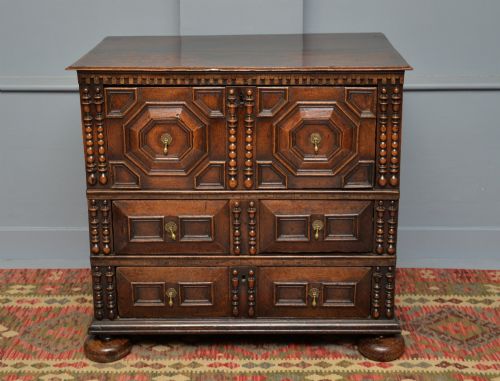
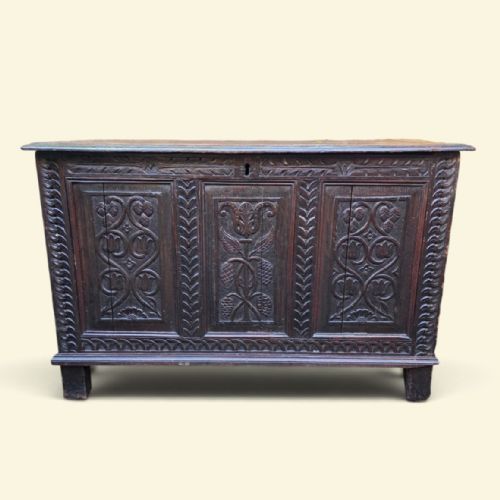
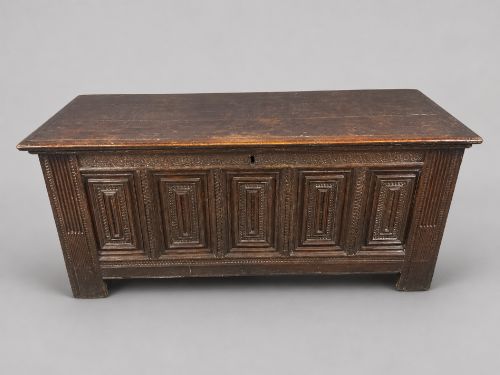
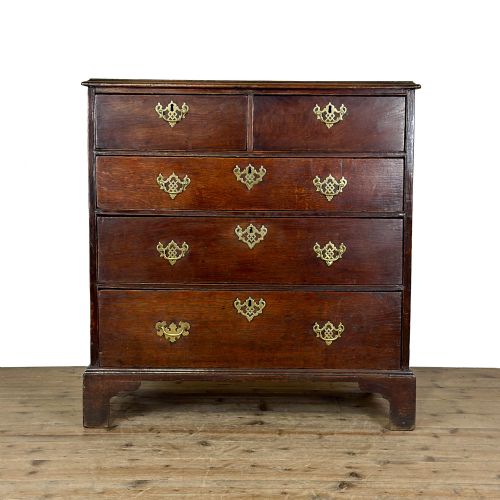
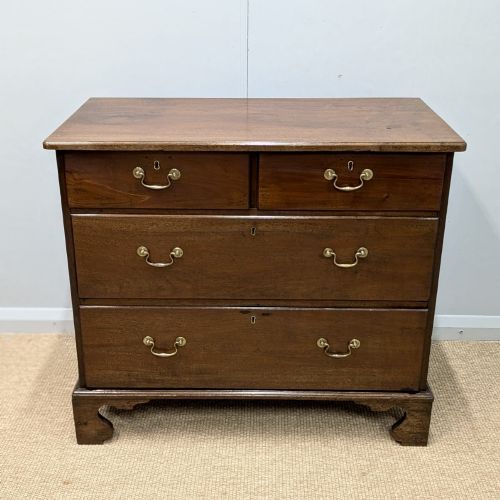
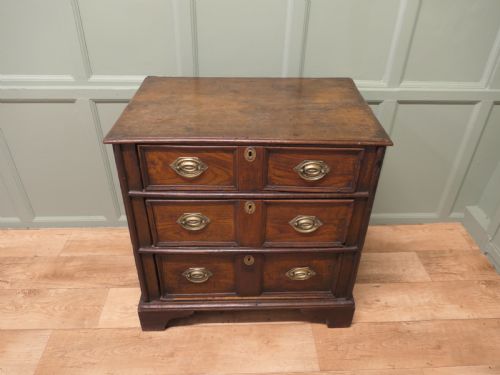
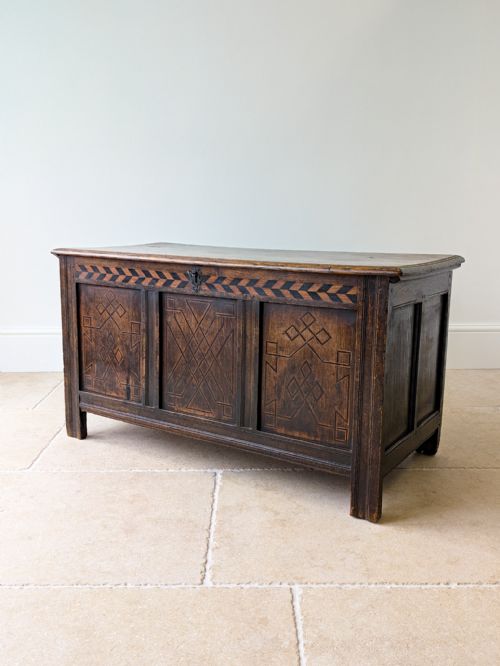
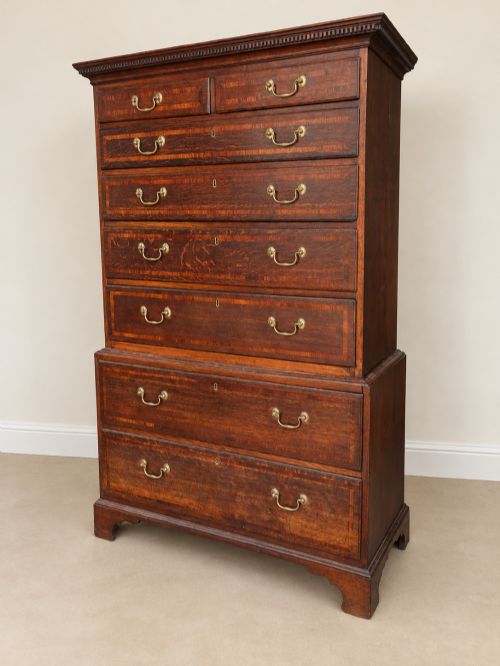
The selections on this page lean heavily toward seventeenth-century coffers and eighteenth-century drawer chests. Simple plank boards sit alongside geometric moulded fronts, panelled constructions, and elevated chests on stands.
How they were made
Carpenters constructed these pieces primarily from solid oak, sometimes combining secondary woods like elm, walnut, and mahogany. Construction relied on traditional framing, mortise and tenon joints, and pegged assemblies that allowed the timber to move naturally over decades.
Surface enrichment involved hand carving, geometric mouldings, marquetry inlay, and panelled fronts. Iron hinges and brass drop handles secured operational points, while polish developed through organic wax applications.
Period Oak Furniture Chest Retail Price Guide 2026
Typical asking prices for period oak furniture chest among the pieces listed under this phrase on Sellingantiques today, from the lower quarter to the upper quarter. They describe what is for sale here now, not the wider market.
Early regional pieces frequently hide initials or marriage dates hand-carved directly into the oak panels by local joiners.
What varies in quality
Quality rests upon the integrity of the timber, the crispness of hand-cut geometric mouldings, and the survival of original structural elements. Examples retaining untouched patination and period hardware command stronger visual presence than altered formats.
The sophistication of the joinery and the depth of carved detail distinguish regional vernacular pieces from urban commission work. Proportions and balance define the visual success of taller formats like chests on stands and tallboys.
The Period Oak Furniture Chest Glossary
- Coffer
- A large wooden box used for storage, typically hinged at the top and constructed with heavy frame and panel techniques.
- Mule chest
- A storage chest featuring one or more drawers built into the base beneath the primary compartment.
- Chest on stand
- A two-part form consisting of a case of drawers elevated on a dedicated supporting frame with legs.
- Geometric moulding
- Raised wooden mouldings applied to drawer fronts and panels in repeating geometric patterns, common in the seventeenth century.
- Patina
- The surface sheen and colour acquired by wood through age, handling, and regular waxing.
Period Oak Furniture Chest: Frequently Asked Questions
What is the difference between a coffer and a chest of drawers?
A coffer opens from a lid at the top and represents earlier storage traditions, whereas a chest of drawers provides side-access compartments.
Drawers became more prevalent by the late seventeenth century as domestic interiors demanded organised storage.
How do I care for period oak timber?
Keep wooden surfaces away from direct heat sources and dramatic humidity fluctuations to prevent splitting.
Apply traditional beeswax periodically and buff gently with a soft cloth to maintain the finish.
How can I tell a seventeenth-century piece from an eighteenth-century one?
Seventeenth-century examples often feature heavy plank construction, pegged frames, and geometric mouldings.
Eighteenth-century items generally show cleaner lines, bracket feet, and refined drawer arrangements.
Where were these pieces originally used?
These items served functional storage roles in domestic homes, farmhouses, and civic chambers across Britain.
They held textiles, documents, and household provisions before dedicated wardrobes became standard.