


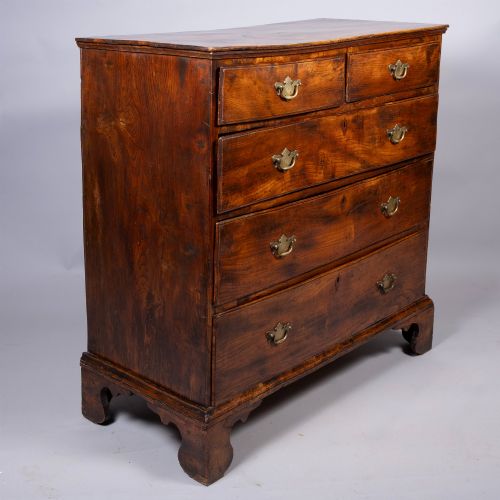
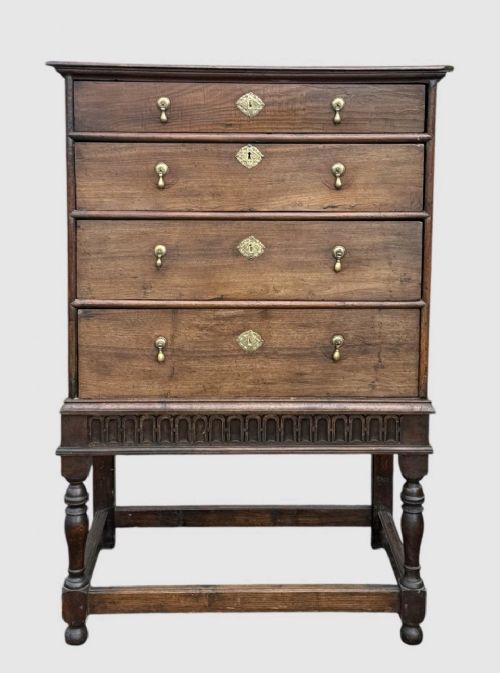
Period Oak Cabinet
A period oak cabinet brings the solid weight and warm grain of centuries past directly into a modern room.
Period Oak Cabinet
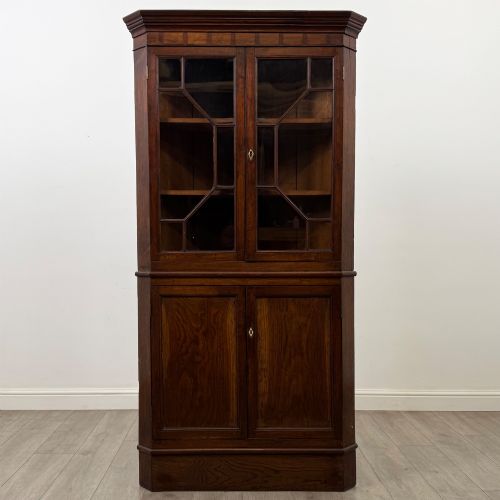
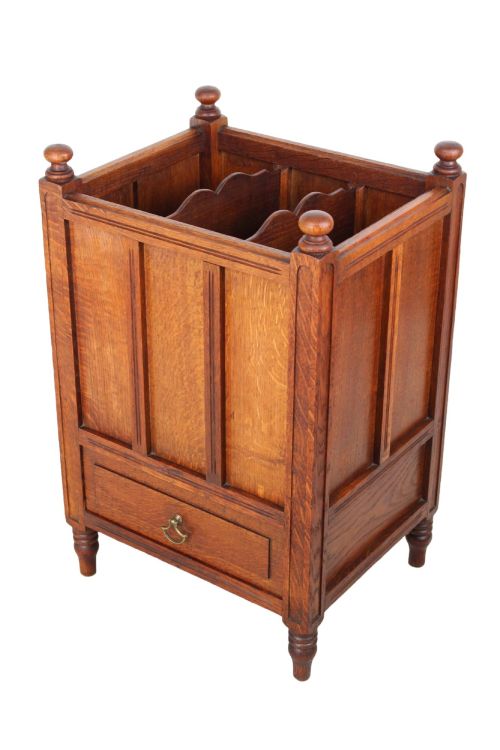
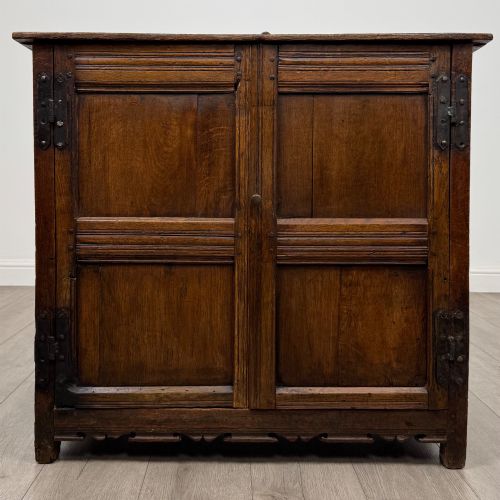
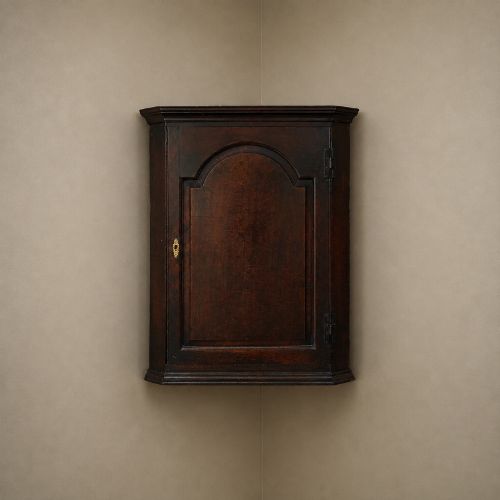
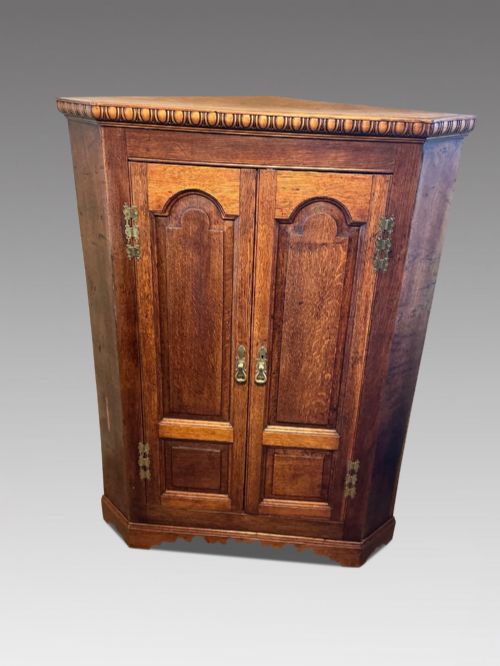
A period oak cabinet encompasses a wide range of storage furniture built from seventeenth-century beginnings through to the Edwardian era, including corner cupboards, wall-hanging units, and floor-standing storage.
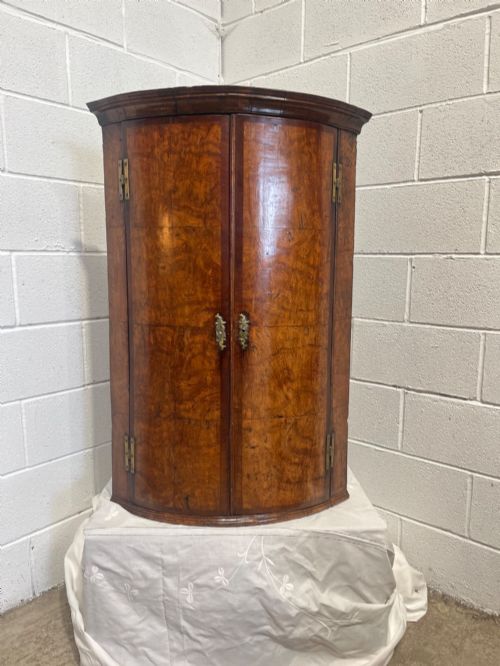
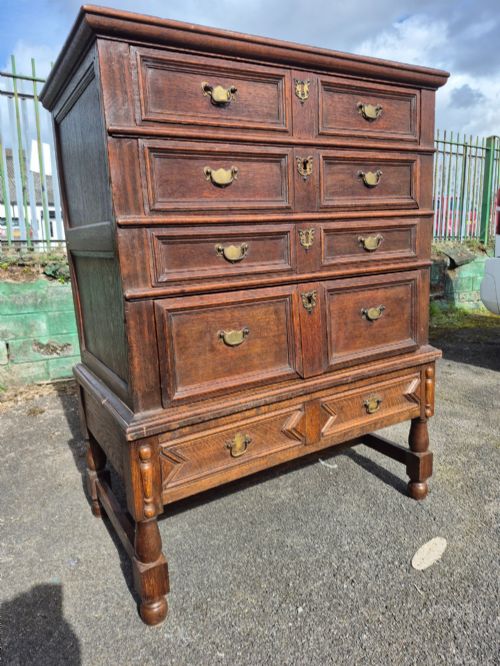
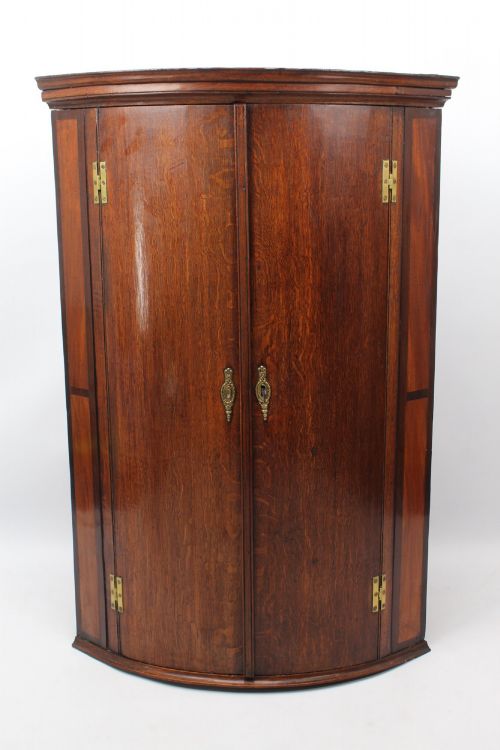
The version most commonly encountered on this page is the Georgian corner cabinet, often shaped with a bow front to fit snugly into room angles, alongside substantial seventeenth-century cupboards and chests.
Makers produced these forms for domestic utility, ranging from small spice cupboards and close stools to large housekeeper cabinets and Welsh dressers designed for daily household use.
How they were made
Craftsmen relied heavily on solid oak timbers, occasionally incorporating burr oak, elm, or walnut veneers to highlight figure and grain.
Construction techniques featured panelled doors, pegged joints, and geometric mouldings, complemented by functional hardware in brass, iron, and wrought iron.
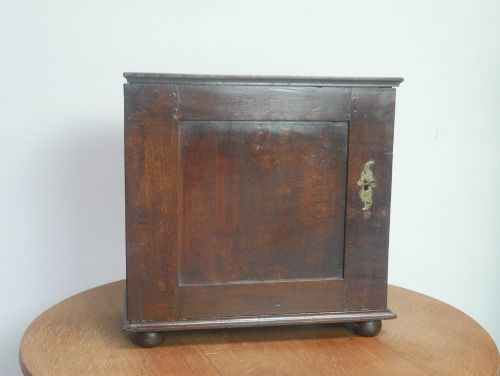
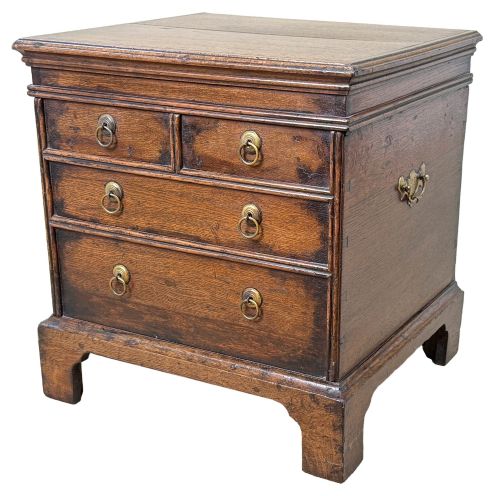
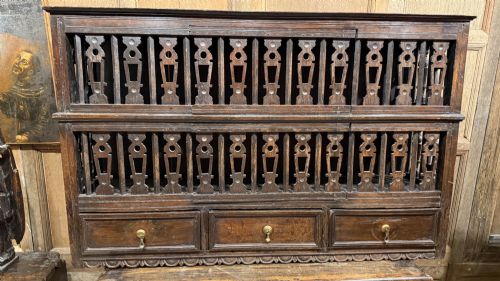
Among the storage solutions sits an eighteenth-century close stool cunningly disguised as a small bedside chest.
What varies in quality
Quality rests upon the selection of timber and the ambition of the joinery, distinguishing straightforward utilitarian pieces from those boasting sophisticated geometric carving or figured panels.
The proportion of the cabinet, the crispness of the mouldings, and the survival of original brass handles or hinges elevate certain examples above standard workshop output.
Liberty & Co.·G.M. Ellwood
The Period Oak Cabinet Glossary
- Corner cabinet
- A piece of furniture specifically designed to fit into the corner of a room to maximise floor space. These often feature panelled or glazed doors to display contents.
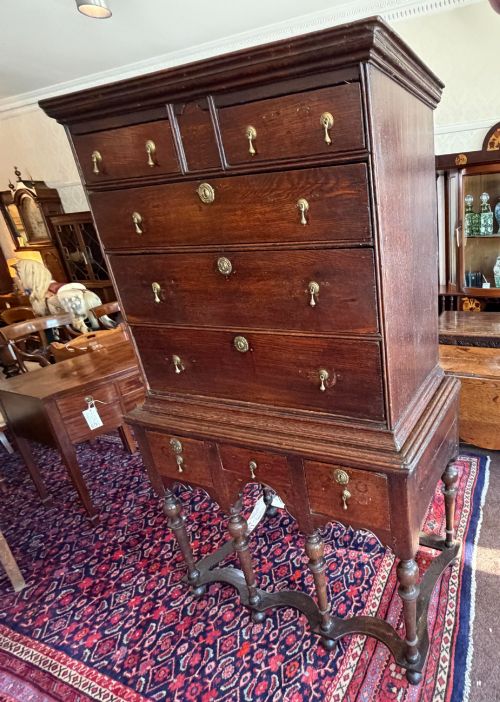
- Chest on stand
- A two-part storage form consisting of a main drawer chest elevated on a separate framework with legs. This design lifts the primary storage area off the floor.
- Bow front
- A convex curved cabinet front popular during the Georgian period. It softens straight room angles and adds visual movement to the timber grain.
- Geometric moulding
- Raised wooden profiling applied in repeating symmetrical patterns on drawer fronts or doors. It is characteristic of seventeenth-century joinery.
- Housekeeper cupboard
- A large storage cabinet traditionally used for linens, dry goods, and household provisions. These tall pieces offer substantial internal shelving and drawer space.
Period Oak Cabinet: Frequently Asked Questions
What is a corner cabinet used for?
These units provided compact storage in domestic rooms where wall space was limited. They frequently held tableware, glassware, or valuables safely behind closed doors.
Over time, owners also utilised them to display prized ceramics, turning an awkward junction into a decorative focal point.
How do I date an oak cabinet?
Dating relies on observing construction methods, handle styles, and timber preparation. Seventeenth-century examples often display heavy panel construction and geometric mouldings.
Later Georgian and Victorian pieces show shifts towards smoother drawer linings, refined brass hardware, and curved bow fronts.
Are these cabinets made of solid oak?
Most pieces feature solid oak throughout the frame, panels, and drawer structures. Some variations include secondary woods like pine or mahogany for internal linings.
Selected decorative versions incorporate burr oak or figured elm veneers to create striking patterns on the main exterior surfaces.
Where should I place a period cabinet?
Floor-standing corner cabinets naturally anchor empty room angles, while wall-hanging cupboards free up valuable floor area. Placing them away from direct heat sources protects the historic timber.
Pairing a seventeenth-century or Georgian piece with simple contemporary surroundings allows the rich grain and aged patina to stand out.