
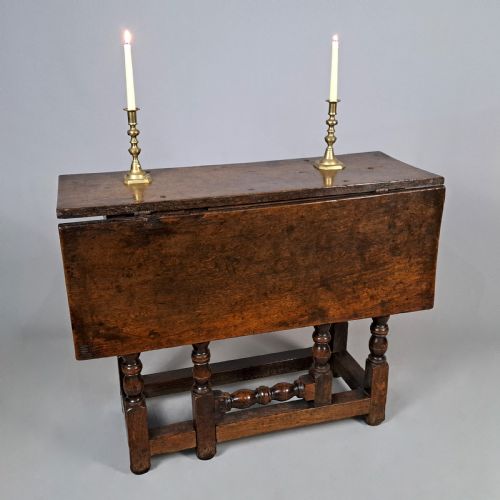


Period Oak Accent Table
A period oak accent table brings centuries of English domestic history into a room through honest timber and straightforward carpentry.
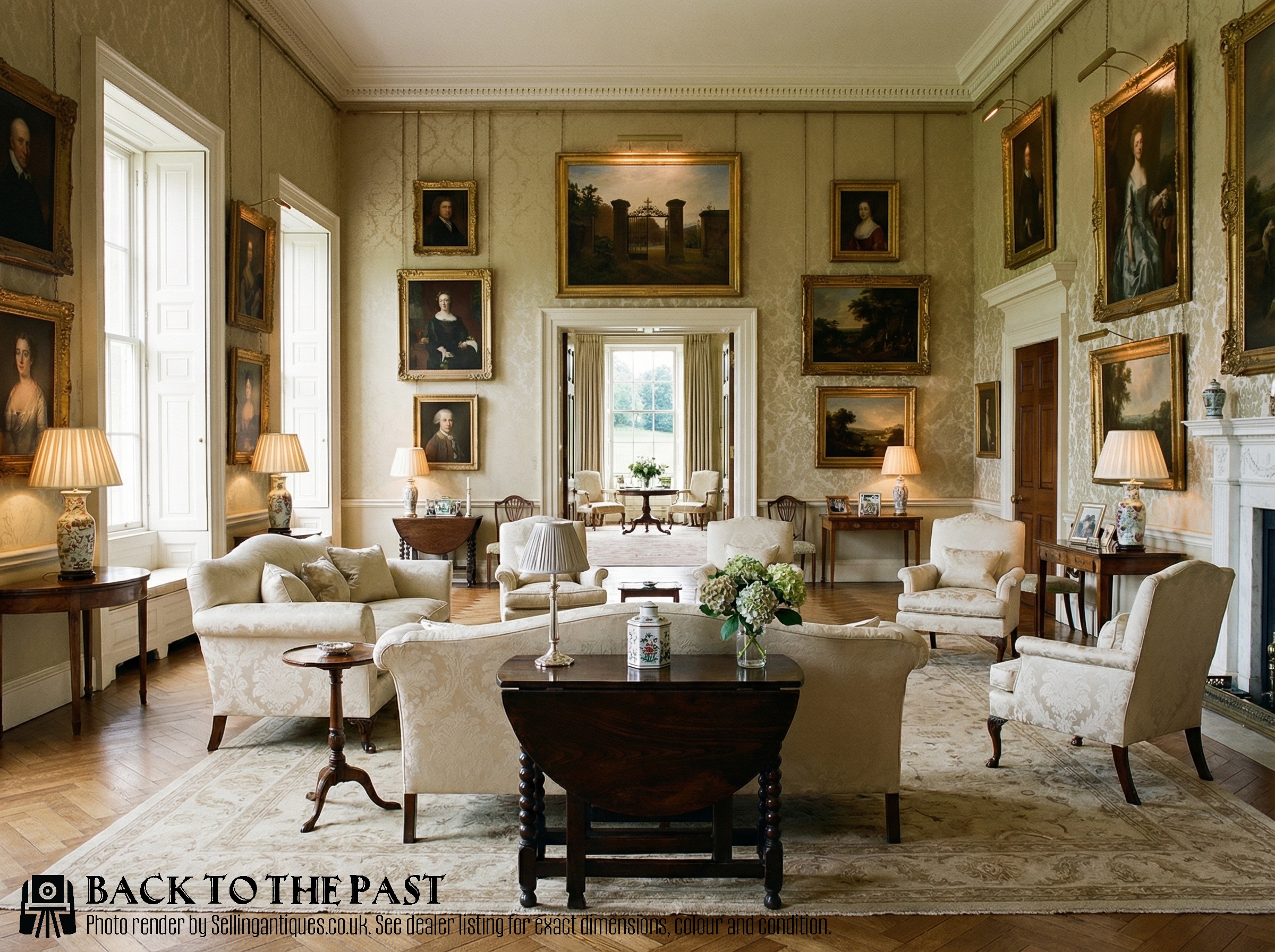
Period Oak Accent Table
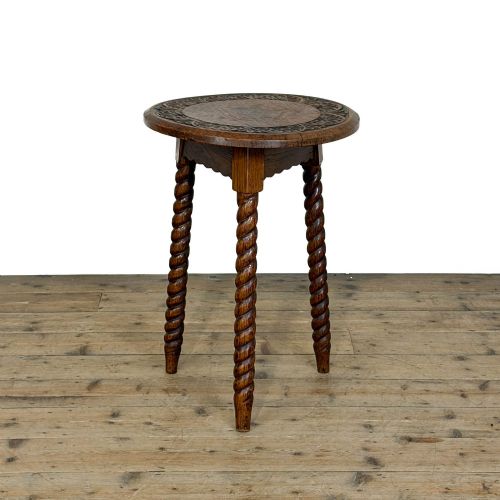
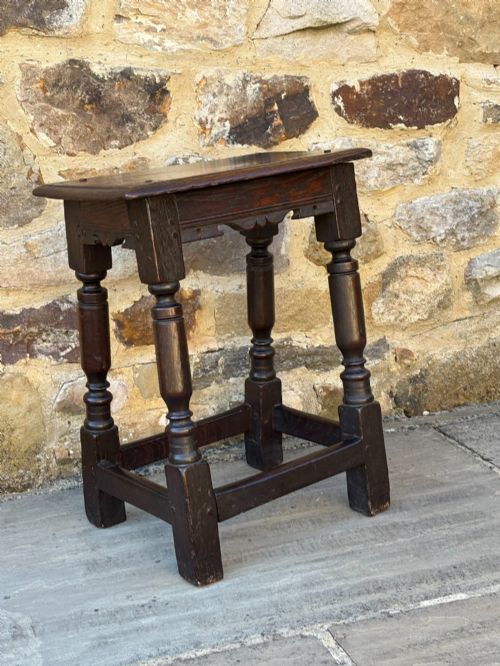
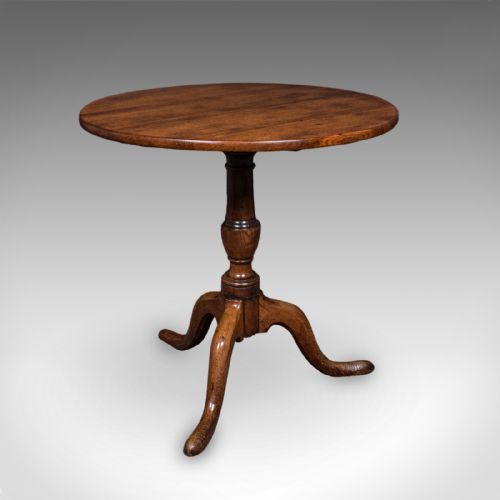
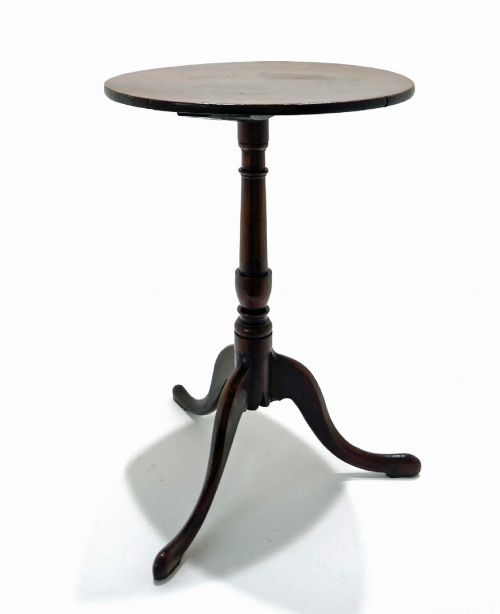
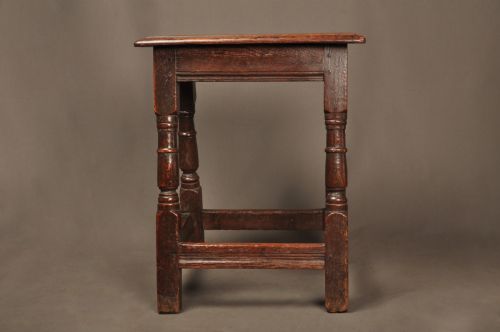
A period oak accent table encompasses versatile small forms built for everyday utility in historical English interiors, ranging from side tables and lowboys to tripod cricket tables and candle stands. Buyers seeking a period oak accent table will frequently encounter low side tables and tripod tables dating from the seventeenth and eighteenth centuries, alongside robust joint stools repurposed as occasional stands.
Materials and construction
Makers relied primarily on native oak for structural integrity, often pairing it with secondary timbers like elm, ash, beech, and hard woods for legs, tops, or structural pins. Joinery relies on traditional methods such as mortise and tenon joints, pegged construction, and turned uprights rather than modern adhesives.
Metal components appear sparingly, limited mostly to forged iron fixings or brass elements on specific tables, while surfaces finished organically show the natural grain and wear of centuries.
Design influences range from seventeenth-century Jacobean and William and Mary styles through to eighteenth-century Georgian vernacular forms.
Assessing the craftsmanship
Quality rests upon the integrity of the original construction, the proportional balance of the turned legs, and the depth of patina developed across the timber surface over generations. Superior examples retain their early or original structural elements without excessive timber replacement or unsympathetic modern alterations.
The subtlety of hand-carved details, the tightness of joint work, and the harmonious integration of secondary woods like elm or beech separate standard utility pieces from finer examples of period craftsmanship.
The Period Oak Accent Table Glossary
- Cricket table
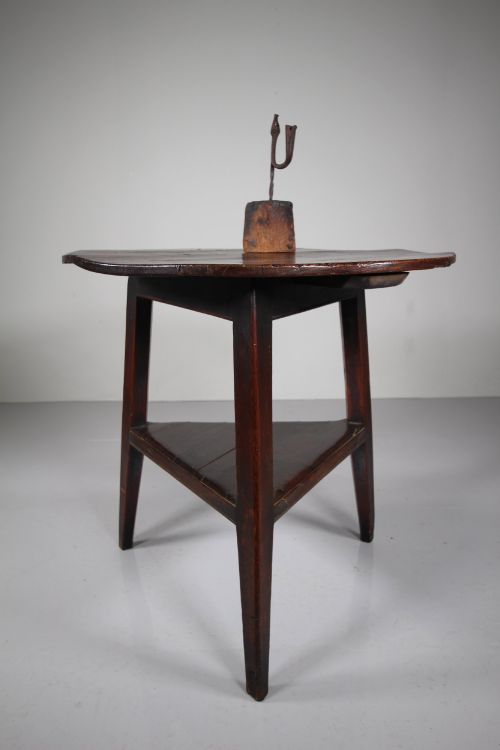
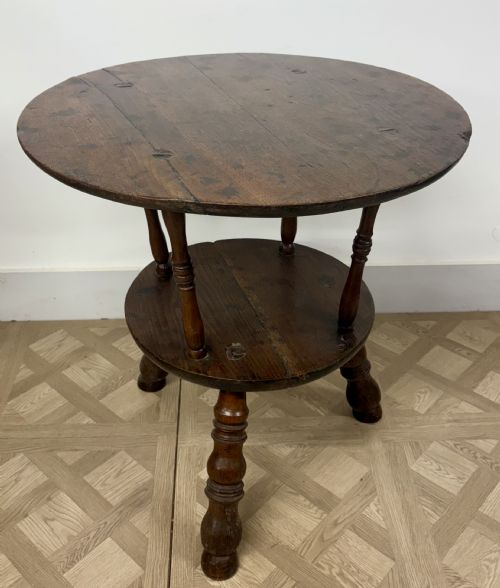
- A small three-legged occasional table, typically constructed with an oak top and splayed legs designed for stability on uneven farmhouse floors. These tables derive their name from the traditional three-legged milking stool or cricket.
- Joint stool
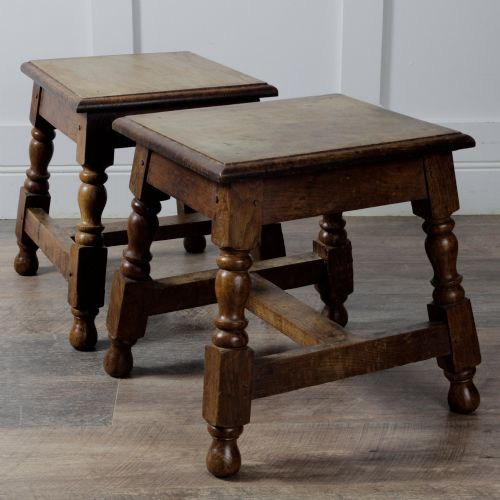
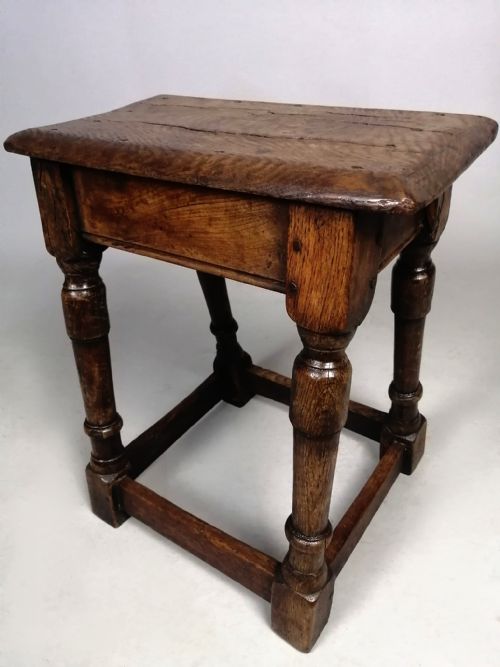
- A sturdy wooden stool built with mortise and tenon joints, commonly utilised for seating or as a small side table in early homes. Surviving examples often display pegged construction and turned or straight legs.
- Lowboy
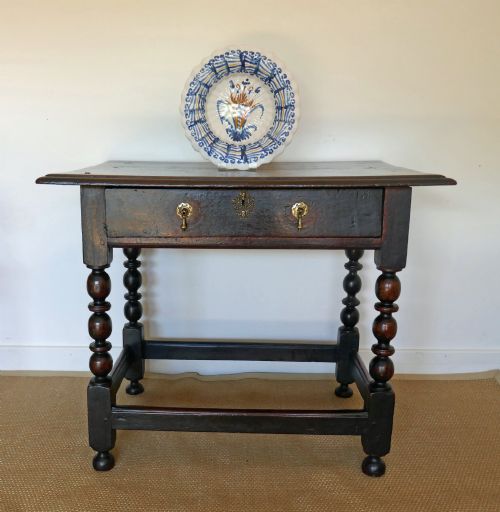
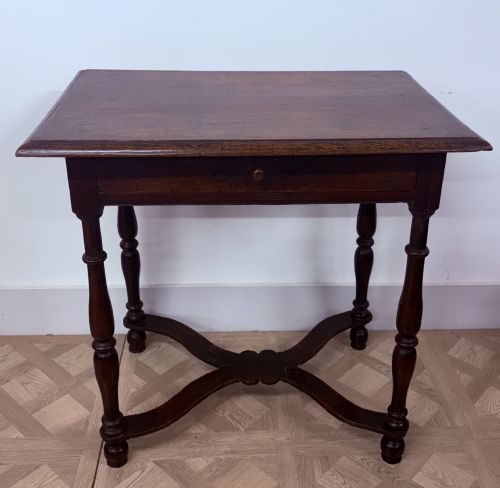
- A small side table or dressing table featuring a low drawer arrangement beneath the surface, popular during the seventeenth and eighteenth centuries. These pieces combine compact proportions with refined leg turnings.
- Gateleg table
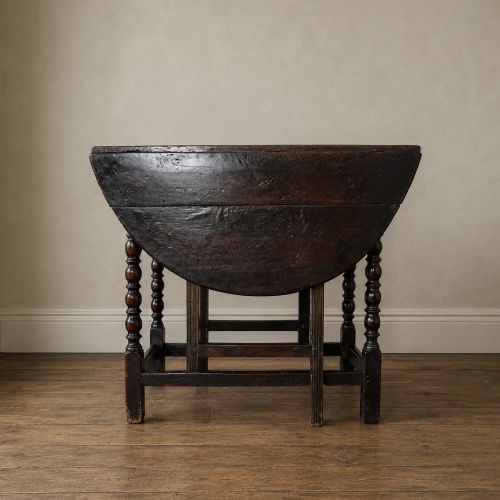
- A drop leaf table with hinged flaps supported by swing-out legs that resemble a opening gate. This design allowed tables to expand for dining or fold down for storage against a wall.
- Turned leg
- A wooden support shaped on a lathe to create cylindrical, baluster, or spiral profiles. Turning styles help date pieces to specific periods like the Charles II or William and Mary eras.
Period Oak Accent Table: Frequently Asked Questions
How were these tables originally used?
These small tables served practical daily functions around the historic home, holding candles, serving food, or providing a stable surface for writing and sewing. Their portable nature meant they moved easily from room to room as household needs shifted.
Heavier joint stools doubled as flexible furniture, serving as both seats and occasional platforms for domestic objects in seventeenth and eighteenth-century interiors.
How do I date an oak table?
Dating relies on observing construction methods, joinery types, timber selection, and stylistic details such as leg turnings or edge mouldings. Seventeenth-century pieces often feature pegged mortise and tenon joints and heavier proportions, while eighteenth-century examples frequently show slender profiles and refined columnar legs.
Secondary woods used in construction, such as elm or beech, also provide clues regarding regional English workshop practices and the evolution of domestic cabinet making.
Are these tables suitable for modern homes?
Their compact dimensions and understated timber surfaces allow these tables to function effectively as bedside stands, lamp tables, or sofa accents in contemporary spaces. Oak integrates naturally with diverse interior styles through its neutral warmth and durable grain.
Placing them in daily circulation continues their centuries-old purpose as functional utility furniture rather than static museum objects.
What is a cricket table?
A cricket table is a distinct three-legged occasional table featuring a circular top and splayed legs that provide exceptional stability on flagstone or uneven floors. They typically utilise oak for the primary surfaces and feature sturdy pegged bracing beneath.
Historians connect their name to vernacular seating stools, and their portable design made them indispensable items in early English rooms.