

Period Mahogany Bedroom Furniture
These pieces of period mahogany bedroom furniture span the Georgian, Regency, and Victorian eras, bringing substantial timber forms and functional storage to domestic spaces.
Period Mahogany Bedroom Furniture
When you search for period mahogany bedroom furniture, you encounter robust domestic pieces designed to serve private chambers across several centuries. The selection centres heavily upon chests of drawers, alongside wardrobes, tallboys, dressing tables, and bedframes.
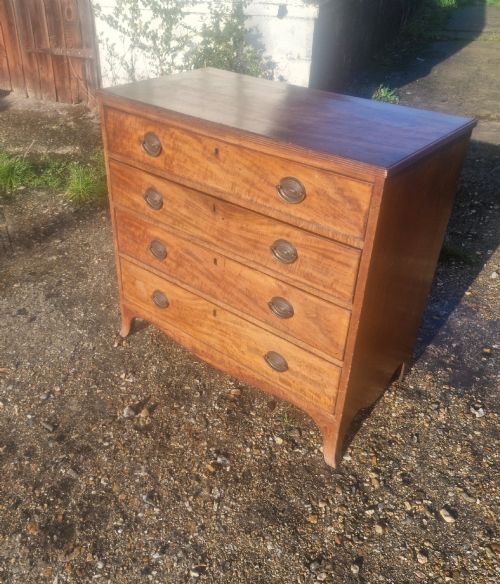
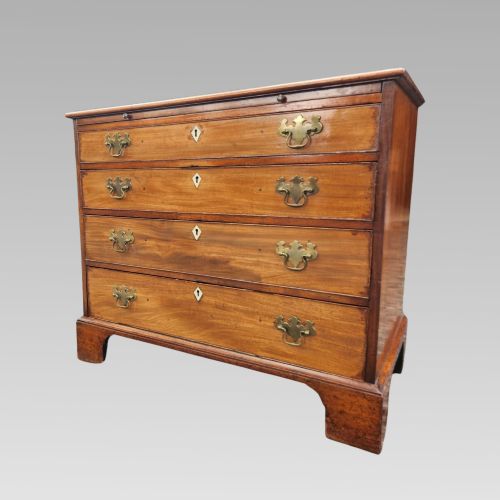
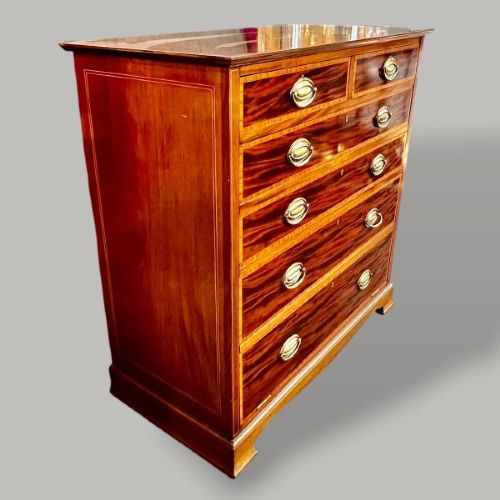
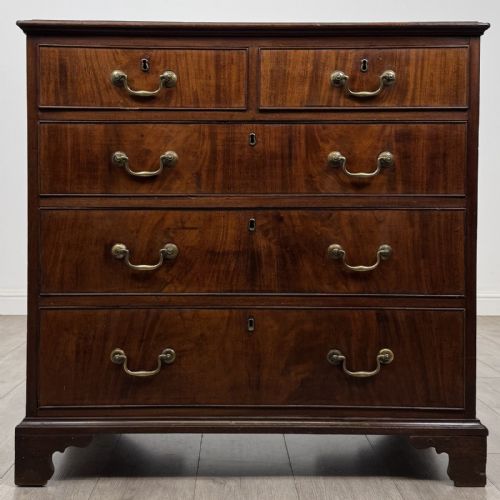
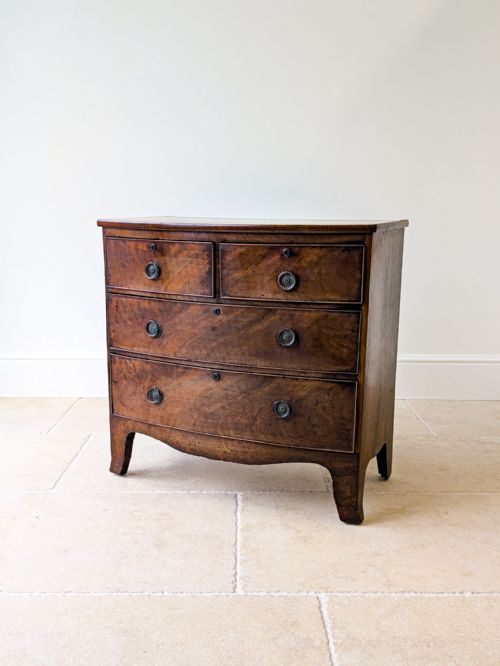
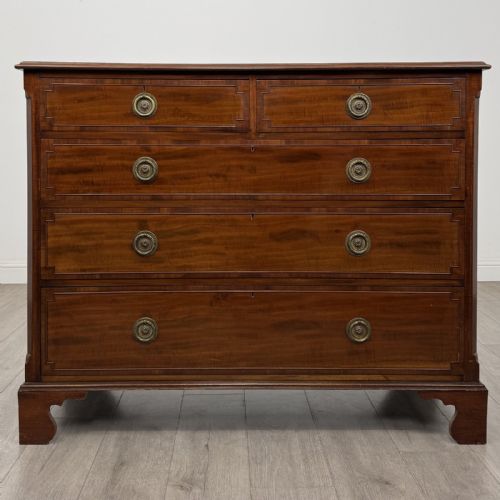
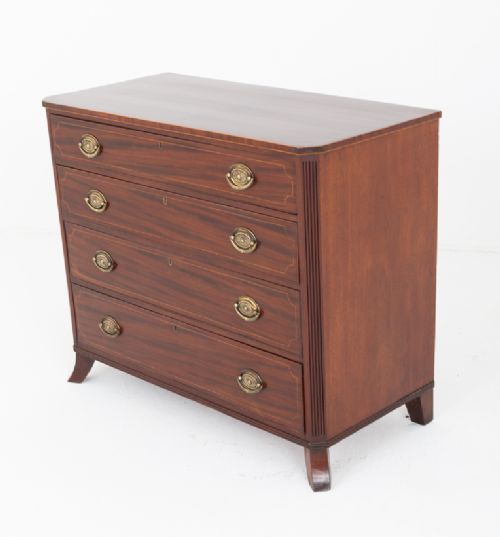
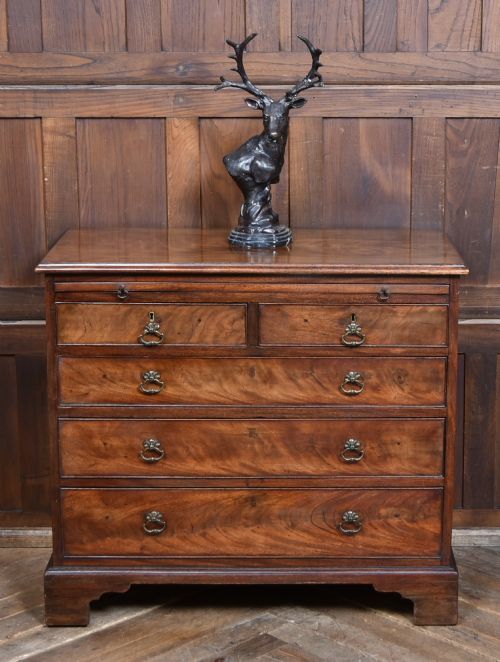
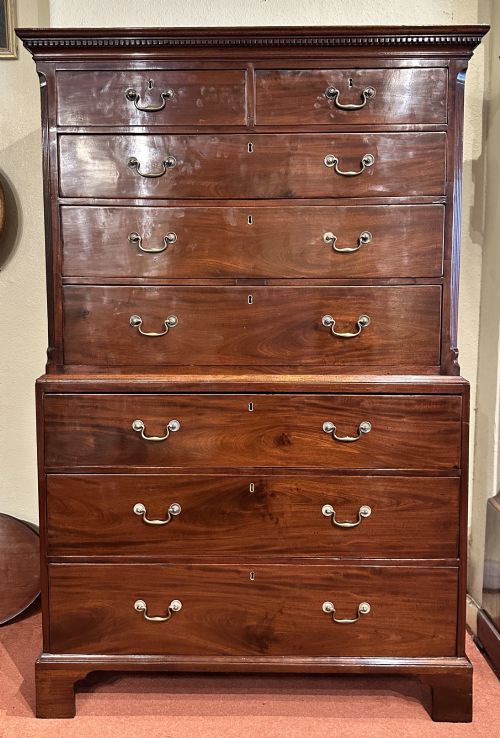
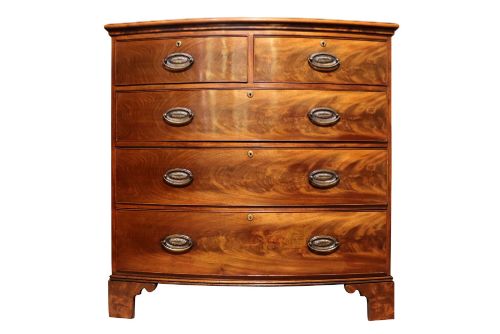
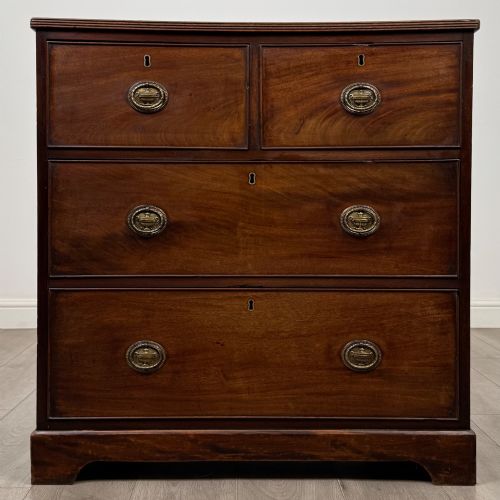
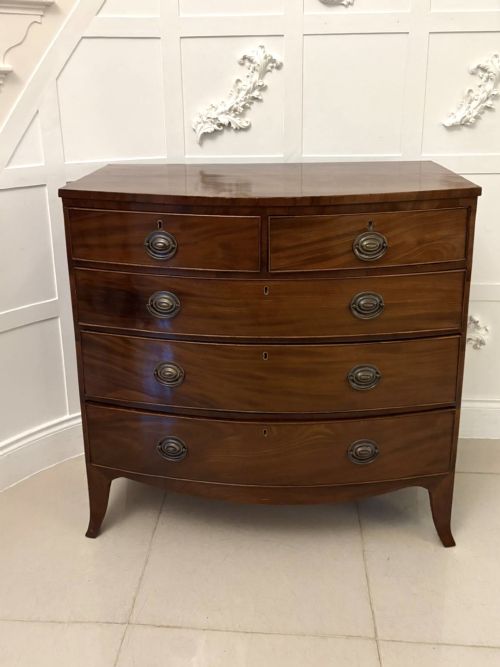
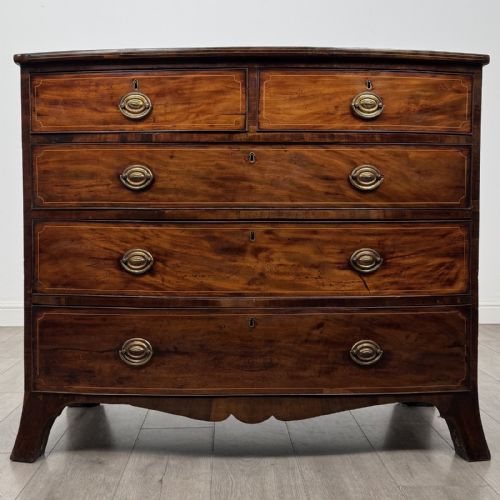
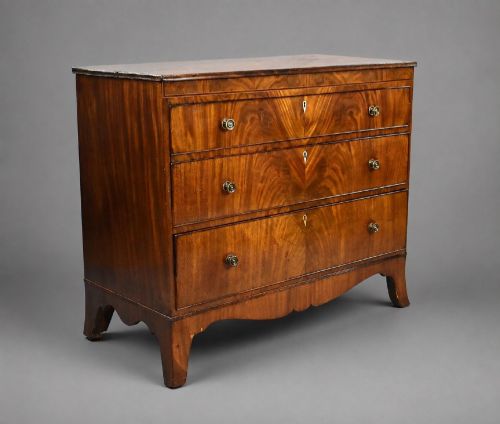
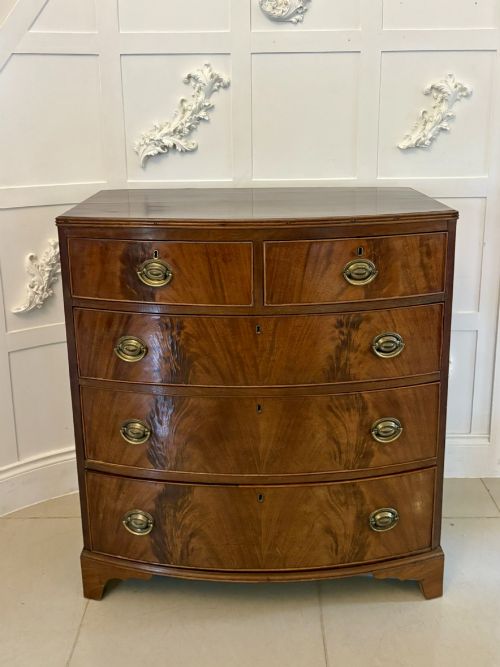
Chest of drawers variants dominate the offerings, appearing in bow front, serpentine, and straight configurations from the Georgian and Regency periods. These forms range from compact bachelor chests to large chest on chest structures with oak linings.
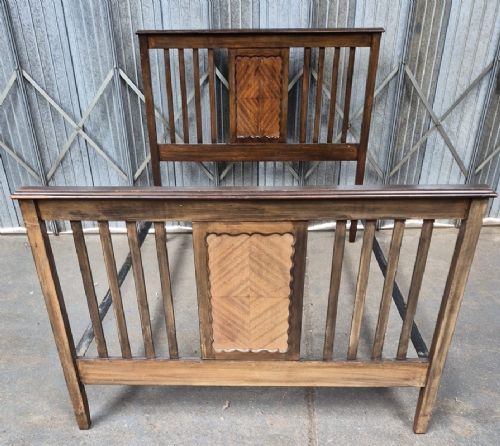
Other substantial forms include compactum wardrobes and four poster tester beds, supplemented by Edwardian dressing tables and tall chests. These items display the shifting stylistic preferences of makers working through the eighteenth, nineteenth, and early twentieth centuries.
Materials and Construction
Makers utilised solid mahogany and flame mahogany veneer applied over secondary timbers such as oak and pine. Drawer linings and internal carcases frequently incorporated oak or pine to provide structural stability.
Surface ornamentation relied on contrasting timbers like satinwood for cross-banding, alongside brass handles and working locks with keys. Structural integrity was maintained through bracket feet, shaped aprons, and precise dovetail joints on drawer construction.
Period Mahogany Bedroom Furniture Retail Price Guide 2026
Typical asking prices for period mahogany bedroom furniture among the pieces listed under this phrase on Sellingantiques today, from the lower quarter to the upper quarter. They describe what is for sale here now, not the wider market.
Listings feature mahogany combined with brass, satinwood, oak, and pine across Georgian, Regency, and Edwardian periods.
Factors of Quality
The degree of refinement in figure and grain selection distinguishes superior examples, particularly those utilising rich flame mahogany veneer or well-matched timbers. Timber choice and the execution of cross-banding in satinwood reveal the original maker's ambition.
Patina and surface depth develop over centuries, where retained original brass handles and intact bracket feet elevate a piece. Structural soundness, such as properly fitted oak-lined drawers that retain working keys, marks the standard of superior craftsmanship.
The Period Mahogany Bedroom Furniture Glossary
- Flame mahogany
- A veneer cut from timber where the branch meets the trunk, producing a distinctive leaping flame pattern. This decorative grain was prized for drawer fronts on Regency and Georgian chests.
- Bow front
- A convex curved front contour popular on late eighteenth and nineteenth century case furniture. It softens the rigidity of rectangular chests.
- Serpentine
- A front design featuring a convex central section flanked by concave curves. This intricate shape requires skilled woodworking.
- Compactum
- A large wardrobe combining hanging space with drawers and sliding shelves. It offers comprehensive storage within a single architectural unit.
- Tester bed
- A bed featuring a wooden canopy supported by four posts. These grand structures often utilise large-scale mahogany framing.
Period Mahogany Bedroom Furniture: Frequently Asked Questions
What periods do these pieces come from?
The pieces span several centuries, with particular concentrations from the Georgian, Regency, and Victorian eras. Items also date from the Edwardian period and the turn of the twentieth century.
Craftsmanship reflects the prevailing aesthetic of each reign, from George III proportions to later Victorian elaborations and Edwardian revivals.
What is an oak-lined drawer?
An oak-lined drawer uses durable oak timber for the interior sides and back rather than softer woods like pine. This denotes quality construction typical of better Georgian and Regency pieces.
Oak provided the structural strength needed to withstand daily use over centuries without warping or wearing down.
How should I care for mahogany furniture?
Keep wooden pieces away from direct heat sources and strong sunlight to prevent timber splitting and veneer lifting. Maintain stable room humidity levels to protect the antique polish and structure.
Apply traditional wax sparingly and polish gently with a soft cloth to preserve the natural patina developed over the centuries.