



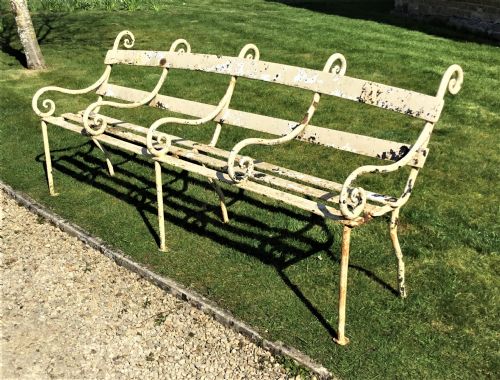

Period Garden Seat
A period garden seat brings solid character to grass and gravel, offering a robust perch that bridges interior comfort and outdoor air.
Period Garden Seat
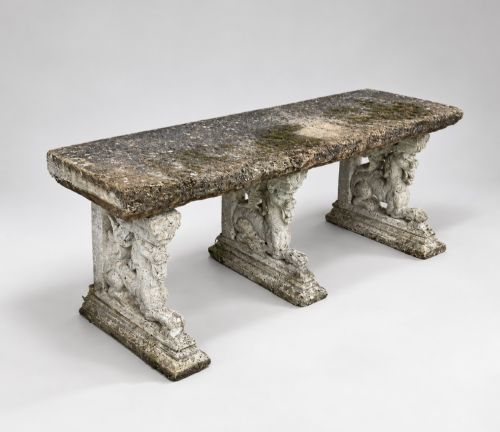
A period garden seat encompasses sturdy benches, armchairs, and settees built for exterior use across the nineteenth and early twentieth centuries. When searching for a period garden seat, buyers encounter robust examples ranging from simple nineteenth century forms to Edwardian tree seats and Lloyd Loom conservatory chairs.
The inventory on this page draws heavily from Victorian and Regency aesthetics, featuring both substantial settees and individual garden chairs. Metal construction dominates these offerings, alongside occasional timber and wicker combinations designed for sheltered garden rooms.
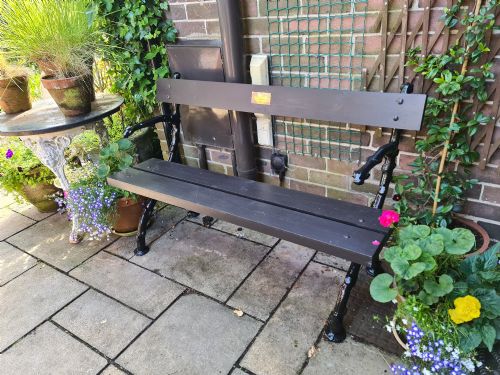
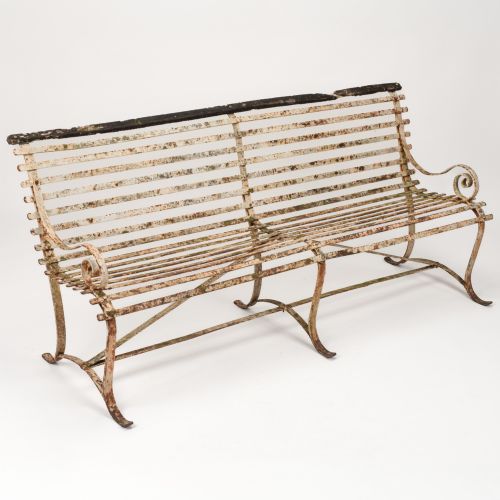
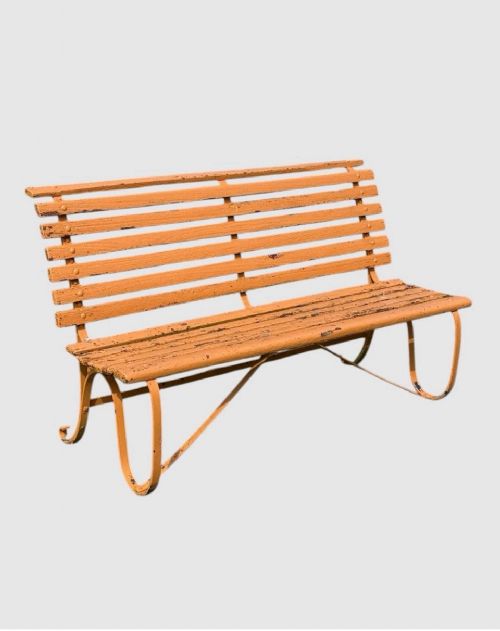
Forms vary from classic park benches with slatted wooden seats to sculptural tree seats curving around trunks. Buyers frequently find ornate cast iron ends paired with timber slats, or entirely iron strapwork configurations typical of the Regency period.
Materials and Construction
Makers utilised cast iron for structural bench ends and decorative frames, often pouring molten metal into detailed sand moulds to achieve ornate Victorian patterns. Wrought iron was shaped by hand into fluid strapwork designs, creating lighter yet resilient frames for Regency and nineteenth century seats.
Timber and oak components provide the seating slats and backrests, secured directly to metal frameworks with bolts or rivets. Paint finishes, frequently applied in layers over decades, protect the underlying metals and woods from weathering while accumulating a desirable historic patina.
Period Garden Seat Retail Price Guide 2026
Typical asking prices for period garden seat among the pieces listed under this phrase on Sellingantiques today, from the lower quarter to the upper quarter. They describe what is for sale here now, not the wider market.
One exceptional seating set arrived directly from the Calcutta Polo Club, proving that nineteenth century ironwork travelled vast imperial distances.
Markers of Distinction
Quality rests in the crispness of the iron casting and the complexity of the strapwork. Early Regency examples display refined hand-forged curves, whereas standard mass production yields simpler, repetitive junctions.
The integrity of the original materials dictates value, distinguishing seats retaining their primary timber slats from those heavily restored with modern replacements. Finer pieces demonstrate thoughtful proportions and substantial weight in the metalwork rather than hollow thinness.
The Period Garden Seat Glossary
- Cast iron
- Molten metal poured into a mould to create rigid, highly decorative bench ends and supports. This material allows for intricate Victorian ornamentation and substantial structural weight.
- Wrought iron
- Iron heated and hammered into shape by hand to produce flexible, resilient scrollwork and strapwork. It defines the lighter, linear elegance of Regency garden seating.
- Strapwork
- Flat bands of iron interwoven or patterned to form supportive backrests and seats. This technique provides geometric openness and strength without excessive weight.
- Tree seat
- A circular or polygonal bench built in segments to encircle a mature tree trunk. Edwardian makers favoured this form for creating shaded social spaces around garden focal points.
- Lloyd Loom
- A proprietary material made from twisted paper wire woven over a metal frame. It appears in twentieth century garden room furniture designed for sheltered outdoor living.
Period Garden Seat: Frequently Asked Questions
How do I protect iron garden seats?
Cast and wrought iron benefit from seasonal cleaning and periodic coats of protective paint to halt oxidation.
Storing them under cover during harsh winter months prevents moisture accumulation in the joints between metal and wood.
Can these benches stay outside year-round?
Most metal and timber seats withstand normal weather conditions, provided the wood receives regular oiling or sealing.
Seats incorporating Lloyd Loom or delicate painted finishes require sheltered placement in a conservatory or summerhouse rather than exposed lawns.
How do I date a cast iron bench?
Victorian and nineteenth century pieces typically feature registration marks, maker stamps, or structural casting seams unique to early manufacturing.
The complexity of the botanical or classical motifs also guides dating, with Regency work showing distinct restraint compared to later Victorian exuberance.
Are original wooden slats necessary?
Original timber adds historic integrity, but weathering often necessitates replacement over a century of use.
Many collectors accept period-appropriate oak or timber replacements provided the metal framework remains untouched and structurally sound.