

Period Furniture Commode
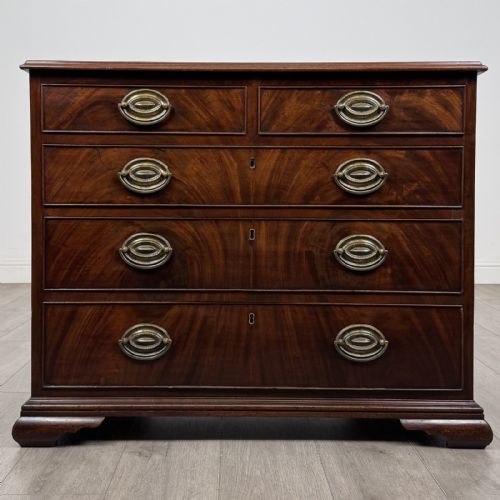
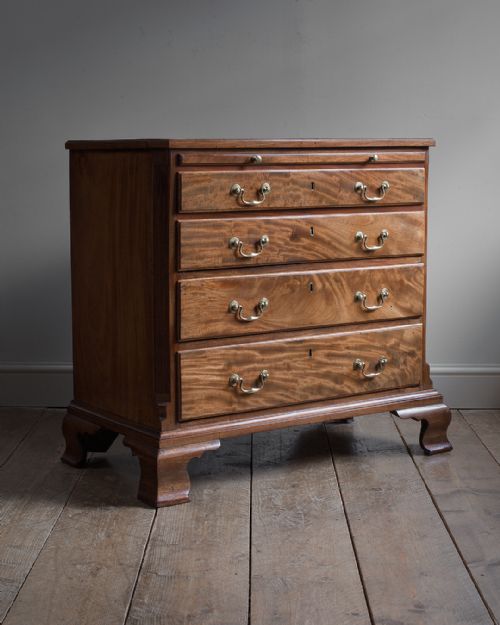
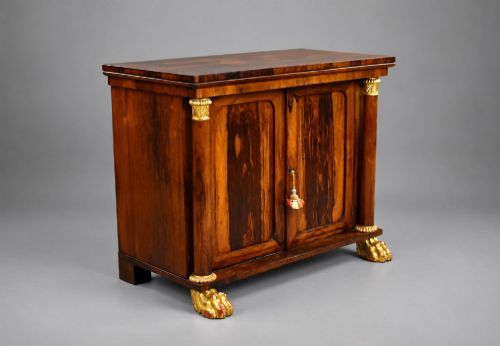
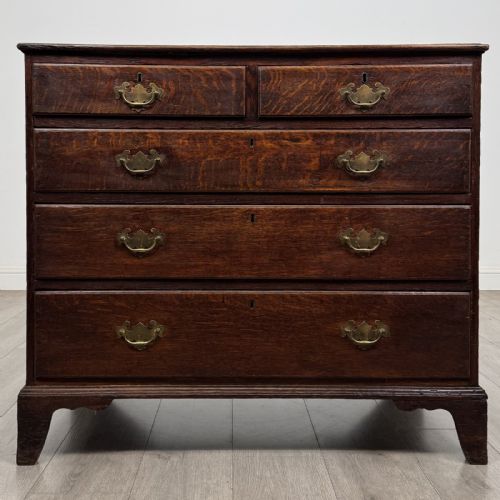
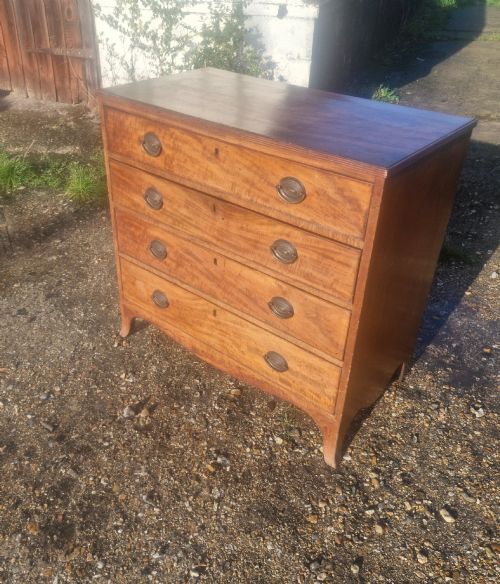
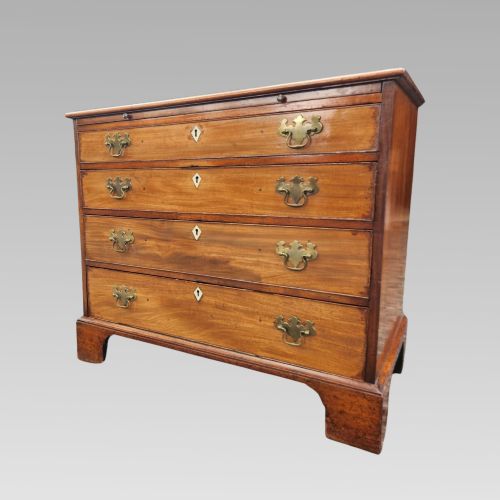
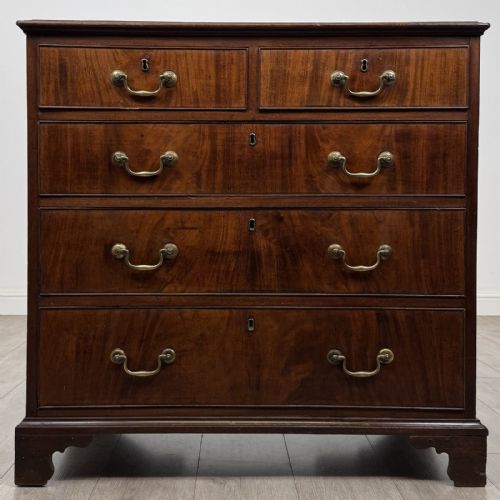
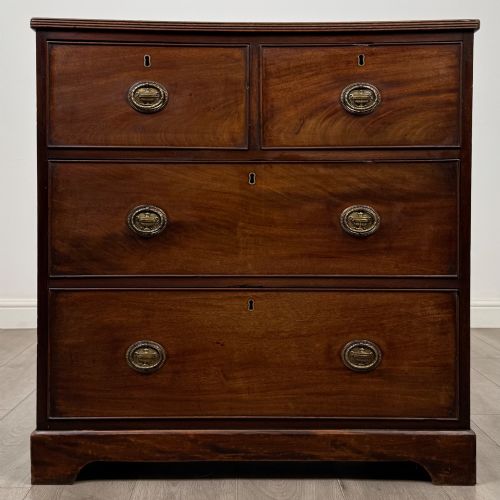
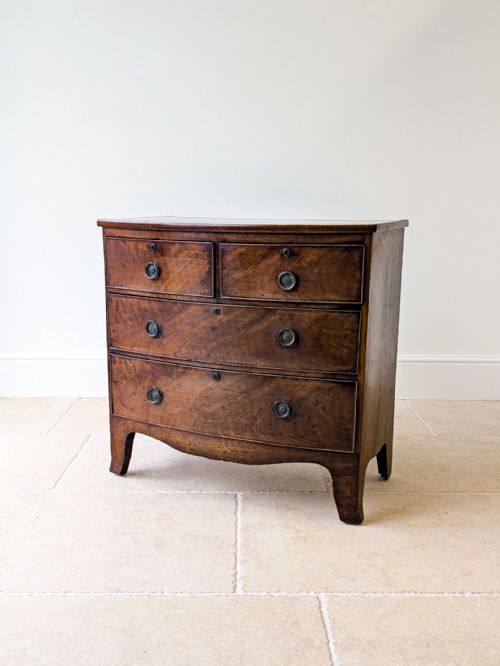
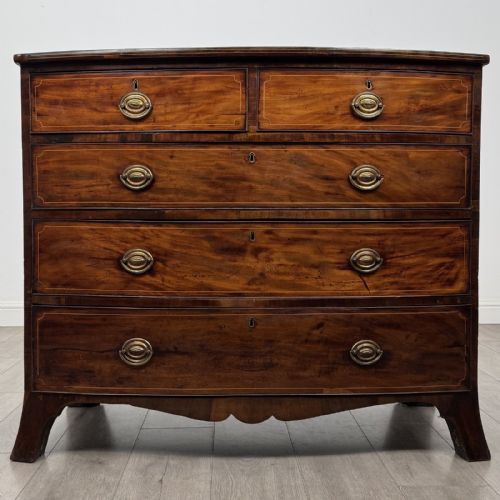
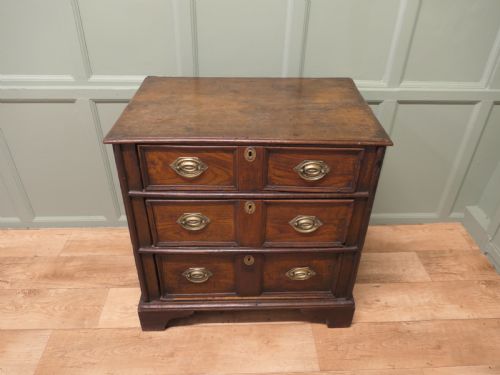
These period furniture commode pieces are timber drawer chests spanning centuries of design, offering deep storage and stately presence.
Period Furniture Commode
A period furniture commode search encounters timber drawer chests, spanning compact country pieces to formal Georgian and Regency designs.
The evidence shows chest of drawers forms dominating the selection, alongside specific regional interpretations in elm, oak, and mahogany.
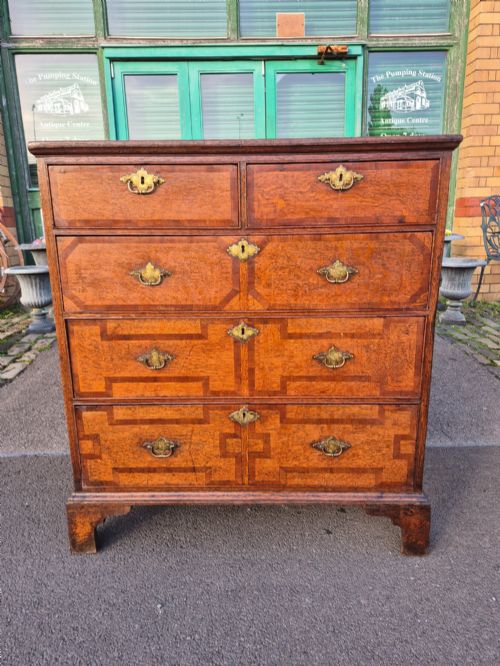
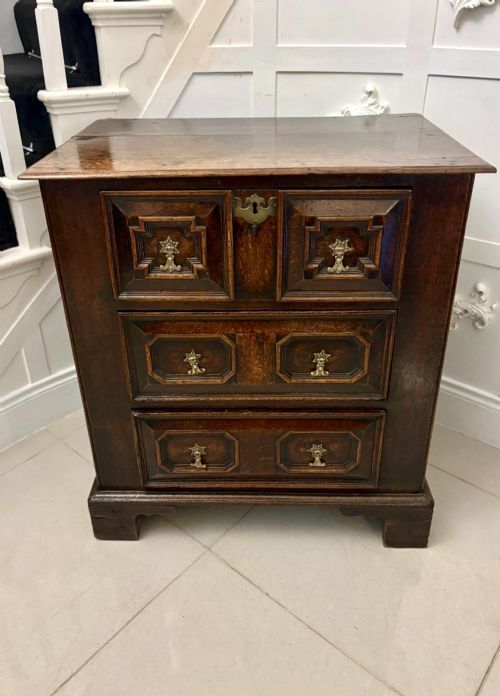
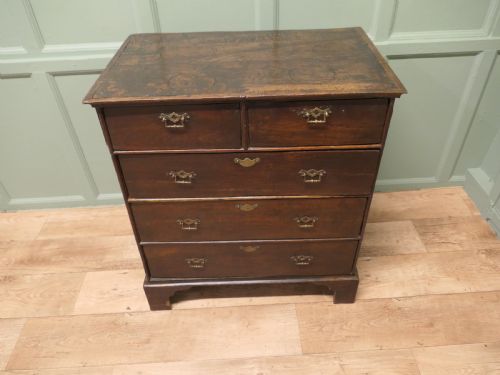
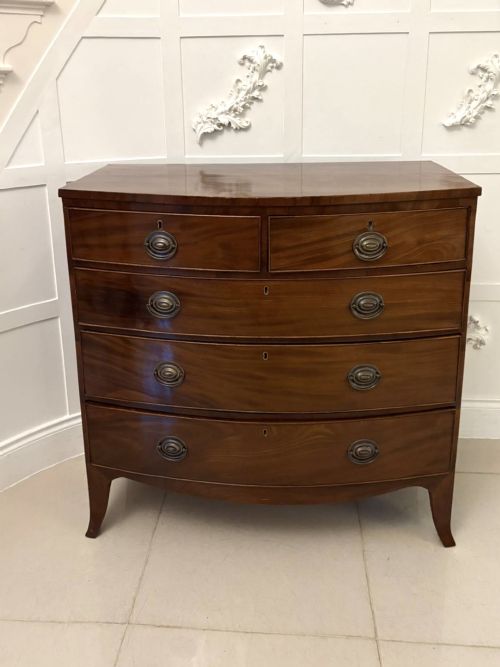
Early examples originate in the seventeenth century utilising robust oak, while later periods introduce refined bowfront profiles and exotic veneers.
Materials and Construction
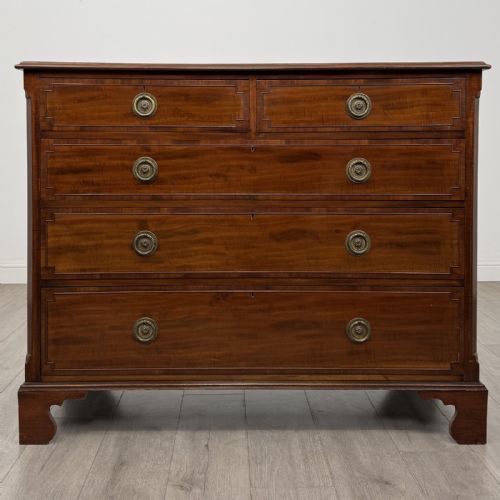
Cabinet makers built these chests predominantly using solid oak, mahogany, and walnut timbers, often applying decorative burr walnut or fruitwood veneers to primary surfaces.
Hardware details rely on brass for handles and escutcheons, while structural elements incorporate iron and occasionally marble tops on continental forms.
Period Furniture Commode Retail Price Guide 2026
Typical asking prices for period furniture commode among the pieces listed under this phrase on Sellingantiques today, from the lower quarter to the upper quarter. They describe what is for sale here now, not the wider market.
The listings span from seventeenth-century oak pieces to nineteenth-century Regency mahogany designs, encompassing materials like burr walnut, marble, and brass.
Distinguishing Quality
Superior examples reveal themselves through the selection of figured timber veneers and the crispness of geometric mouldings or bracket feet.
Proportion and scale dictate the upper tier, where smaller proportions and clean bowfront or serpentine lines command greater attention.
The Period Furniture Commode Glossary
- Bowfront
- A convex curved front profile typical of many Georgian and Regency chests. This shape softens the room presence of the timber.
- Oyster veneer
- Circular sections of branch wood sliced to create an intricate repeating pattern across the drawer fronts. This technique requires considerable skill.
- Geometric design
- Raised moulding patterns applied to drawer fronts in rectilinear shapes, commonly seen on seventeenth-century oak pieces. It adds architectural depth.
- Serpentine
- A gently undulating front curve featuring a convex centre flanked by concave sides. This sophisticated outline appears on finer eighteenth-century items.
Period Furniture Commode: Frequently Asked Questions
What is a period furniture commode?
A period furniture commode is a traditional timber chest of drawers originating from historical eras such as the Georgian, Regency, and seventeenth century.
These pieces served primarily for bedroom and parlour storage, constructed by skilled cabinet makers using local and imported woods.
How do I date a timber chest?
Dating relies on observing construction methods, timber choices, and hardware styles associated with specific reigns and centuries.
Earlier pieces utilise solid oak with geometric mouldings, whereas later Georgian and Regency items favour mahogany veneers and curved bowfronts.
Where were these chests placed?
Historically, these items stood in bedrooms, dressing rooms, and formal reception spaces to store linens and personal garments.
Their substantial timber construction and decorative fronts allowed them to function as both storage units and prominent furniture displays.
How do I care for antique wood?
Maintaining antique timber requires keeping pieces away from direct heat sources and sudden humidity changes to prevent wood splitting.
Regular dusting with a dry cloth preserves the polished surface without damaging historical finishes or delicate veneer layers.