


Period Fireplace
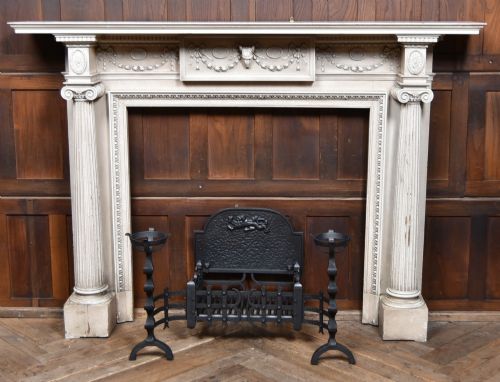
A period fireplace brings the weight of Georgian, Regency and Victorian design into a room, offering both warmth and a strong architectural anchor.
Period Fireplace
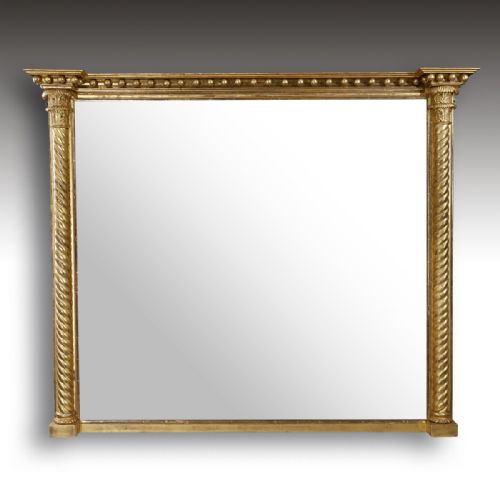
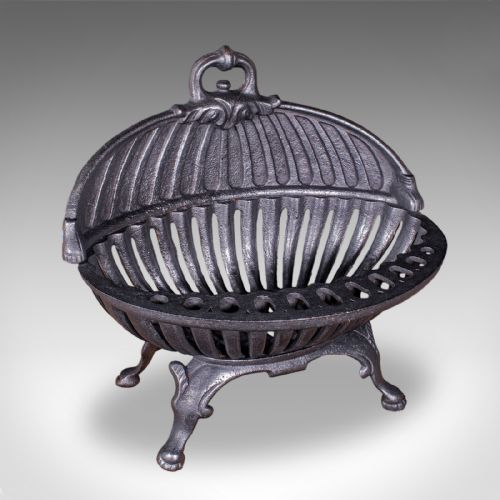
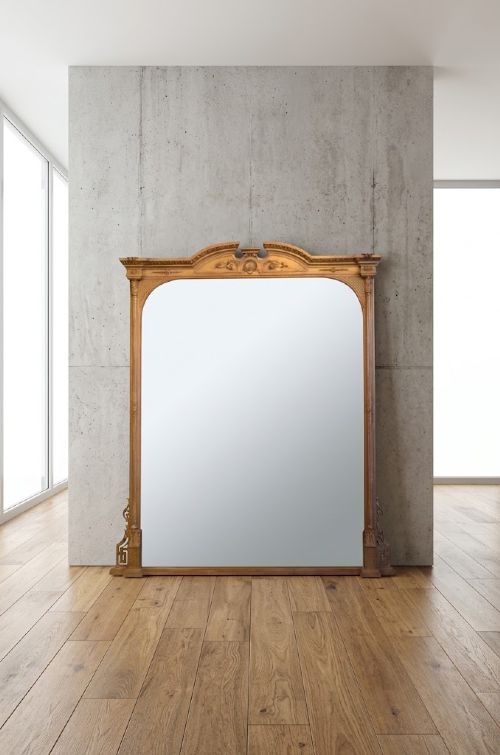
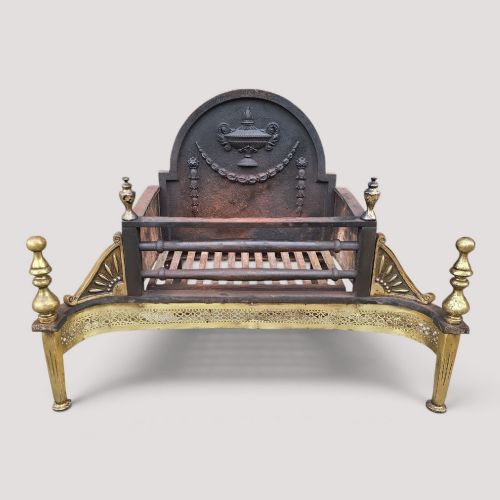
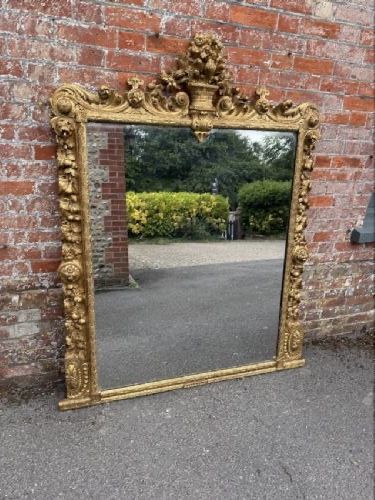
A period fireplace search uncovers a diverse assembly of domestic hearth furniture and architectural fixtures. The most frequent discoveries span heavy cast iron grates, steel fenders, and grand overmantel mirrors designed to sit above the mantelpiece.
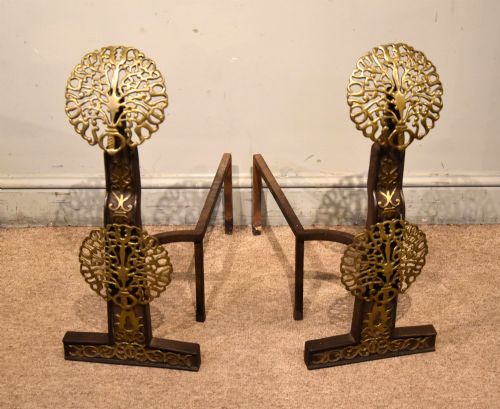
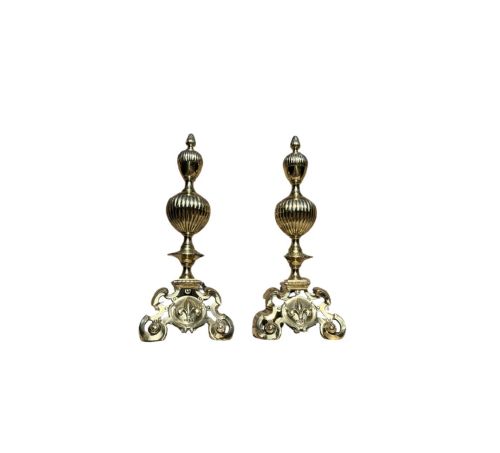
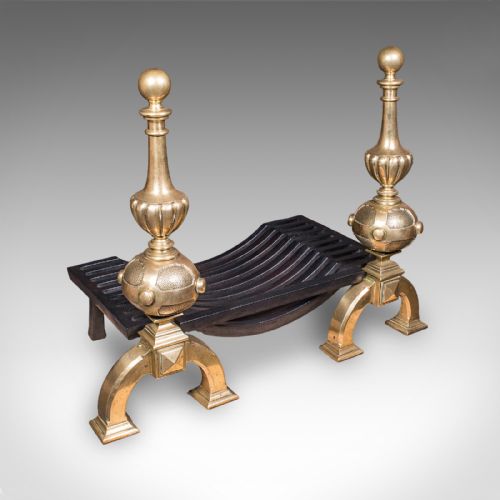
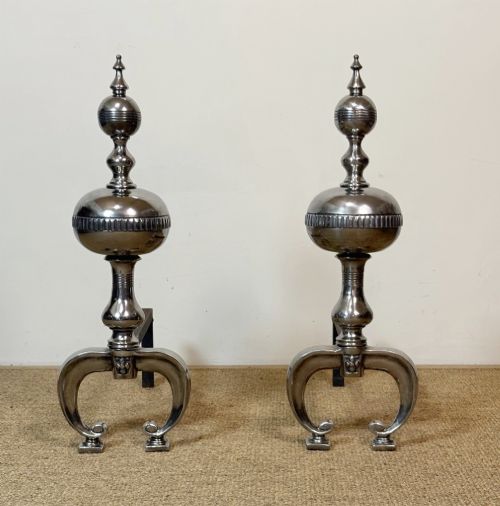
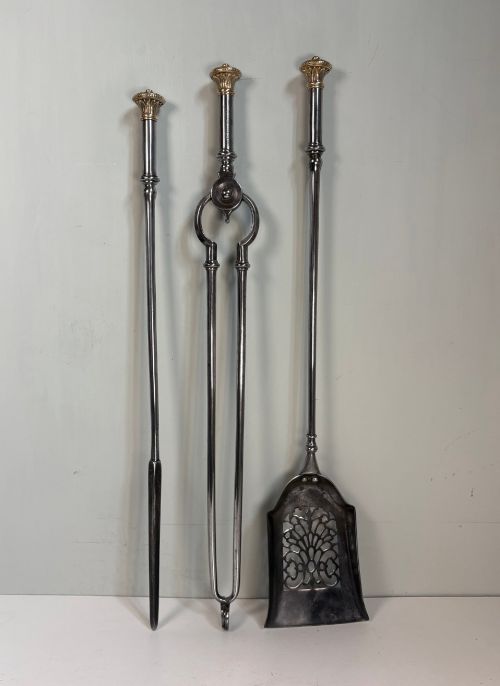
The objects originate primarily across the eighteenth and nineteenth centuries, taking forms such as brass andirons, coal scuttles, and complete combination fireplaces. Buyers encounter both utilitarian pieces like fire tools and decorative elements like carved gesso surrounds.
The style vocabulary draws heavily from Georgian restraint, Regency classicism, and Victorian ornamentation. These items function together to recreate authentic historical interiors or to ground modern rooms in traditional craftsmanship.
Materials and construction methods
Metalworking dominates the construction of grates, fenders, and fire tools through the use of cast iron, wrought iron, and steel. Brass elements provide bright contrast, often paired with cut steel or copper in accessories like coal scuttles and andirons.
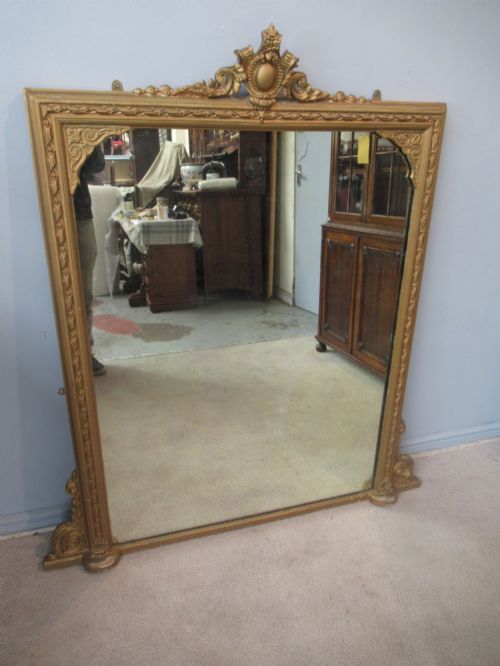
Carved wood, gesso, and giltwood form the primary substances for overmantel mirrors and fire surrounds. Artisans carved pine or hardwoods, applying layers of gesso and gold leaf to achieve the reflective architectural frames characteristic of the period.
Period Fireplace Retail Price Guide 2026
Typical asking prices for period fireplace among the pieces listed under this phrase on Sellingantiques today, from the lower quarter to the upper quarter. They describe what is for sale here now, not the wider market.
Listings feature items spanning the eighteenth through to the early twentieth century, utilising cast iron, brass, giltwood, and wrought iron.
Distinctions in quality and finish
Quality rests upon the crispness of metal casting and the depth of hand-chasing on brass and steel components. Superior grates and fenders exhibit clean lines and substantial weight, whereas lesser examples rely on flat stamping and light gauge metals.
Mirror frames and wooden surrounds demonstrate quality through the intricacy of their carved detail and the integrity of the original gilding. The survival of period glass plates with authentic foxing separates high-status overmantels from later replacements.
The Period Fireplace Glossary
- Andiron
- A horizontal metal support raised on legs, used to hold logs in an open fireplace. Pairs of andirons often feature decorative brass or iron terminals facing into the room.
- Overmantel mirror
- A large mirror designed to hang directly above a mantelpiece. These frames frequently follow the architectural proportions of the fireplace below them.
- Fender
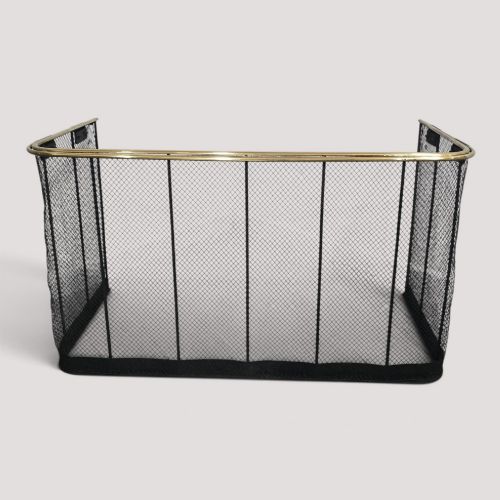
- A low metal guard placed on the hearth in front of a fireplace to contain rolling embers. Georgian and Victorian examples often incorporate pierced sheet steel or heavy brass.
- Hob grate
- A fireplace grate featuring raised metal shelves on either side for heating pots or keeping water warm. They appeared frequently in Regency and nineteenth-century interiors.
- Gesso
- A plaster-like mixture applied to wood surfaces as a base for carving and gilding. Artisans used gesso to build up complex decorative reliefs on mirror frames and mantelpieces.
Period Fireplace: Frequently Asked Questions
How do I choose the right size fireplace?
Measure the opening of your chimney breast and the available wall space carefully before selecting a grate or surround. Proportions must match the scale of the room to ensure the piece looks balanced.
Consider whether you require a functional insert or simply decorative accessories like fenders and fire tools to complete an existing hearth.
How do I care for antique brass and iron?
Clean cast iron and steel gently with a dry or lightly oiled cloth to prevent rust and maintain the dark metal patina. Avoid harsh chemical cleaners that strip the historic surface.
Polish brass sparingly with a soft cloth, taking care not to let cleaning residues accumulate in the recessed crevices of chased or engraved ornament.
Can these grates still burn wood or coal?
Many historical grates and combination fireplaces were built for solid fuel use, but safety regulations and structural integrity require professional inspection. A certified chimney sweep or installer must test the flue before any fire is lit.
Some buyers choose to utilise antique grates for decorative display or convert them to gas or electric heating for modern convenience.
How do I date a period fireplace?
Examine the stylistic cues, such as the neoclassical geometry of the Georgian era or the heavier ornamentation of the Victorian period. Construction techniques, including hand-beaten ironwork and old mirror glass, also help establish age.
Reference marks from known nineteenth-century foundries, such as Coalbrookdale, provide definitive clues to a piece's manufacturing decade.