

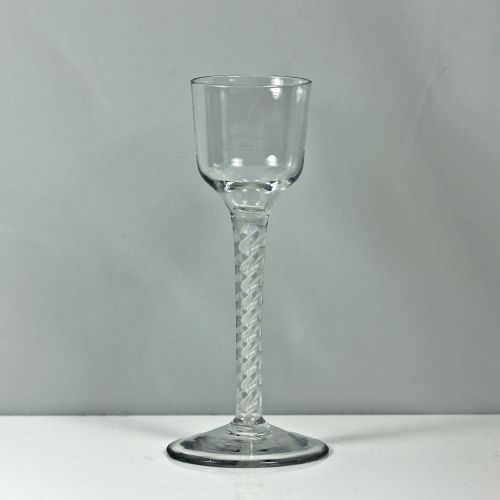


Period English Glass Stemware
Period english glass stemware brings the weight and clarity of the Georgian tavern and dining table directly into modern hands.
Period English Glass Stemware
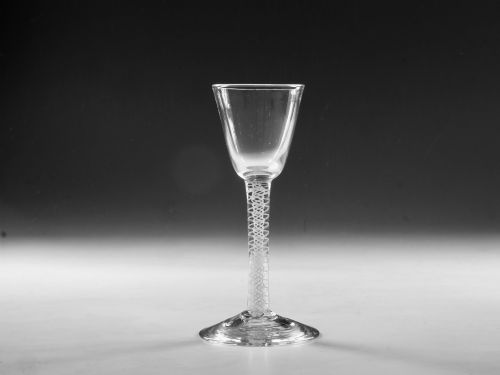
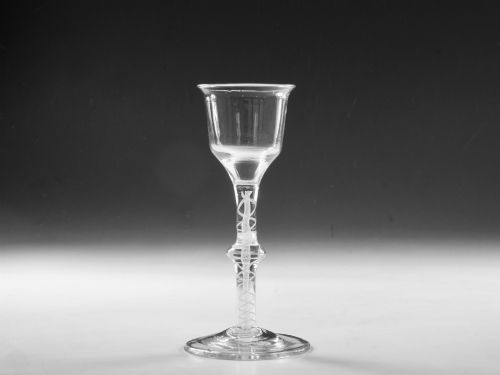
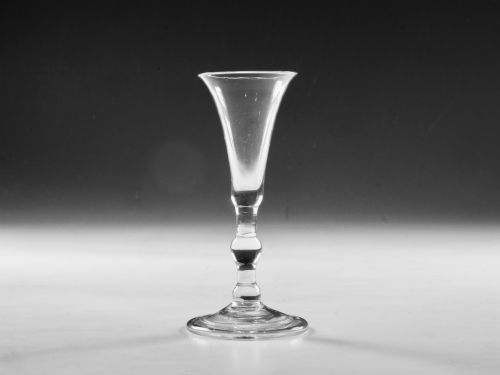
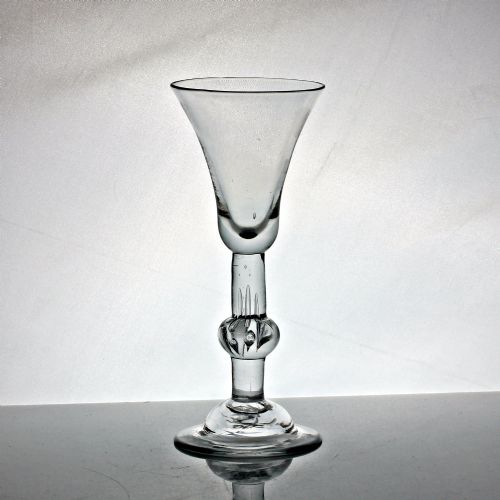
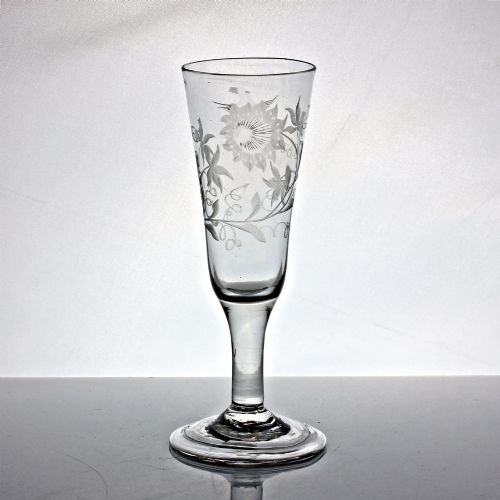
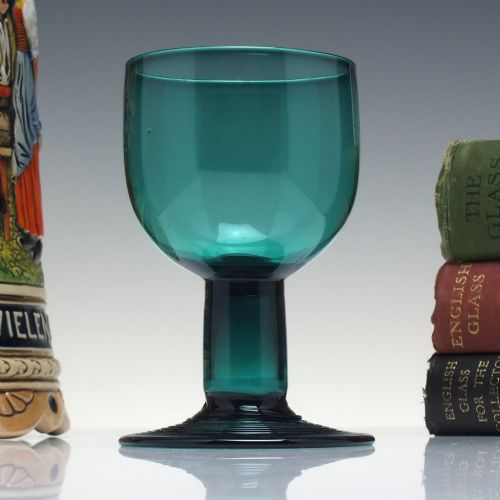
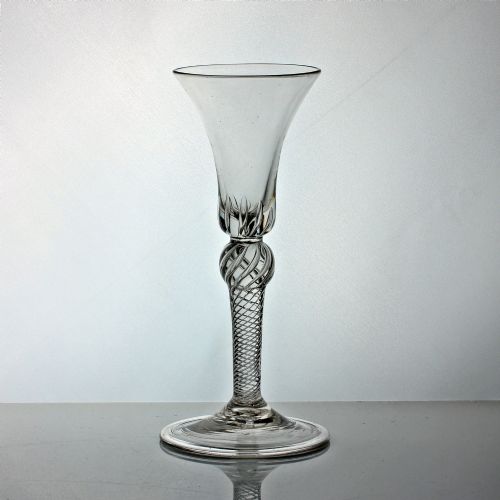
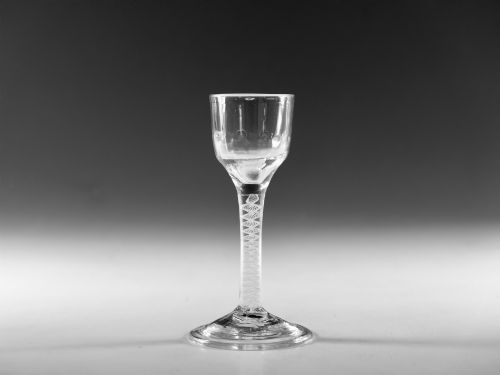
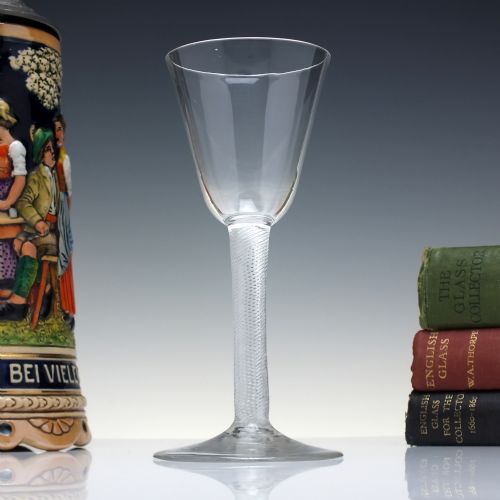
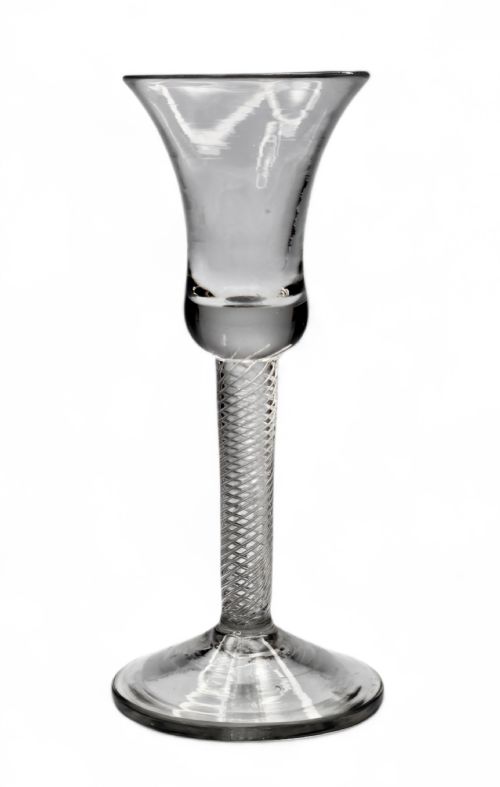
When you search for period english glass stemware, you encounter vessels shaped across the eighteenth century, dominated by Georgian wine glasses and ale glasses. The items on this page span forms such as bell bowls, trumpet bowls, and plain bowls supported by varied stems.
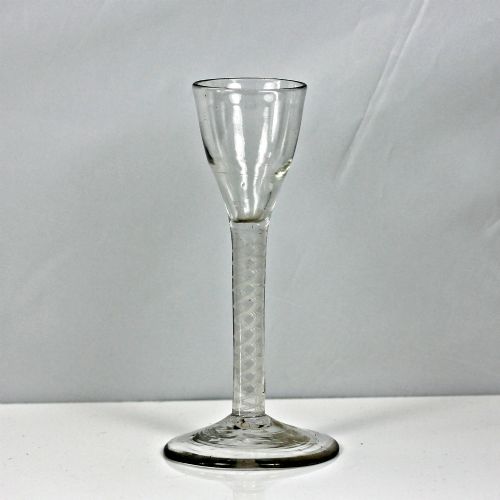
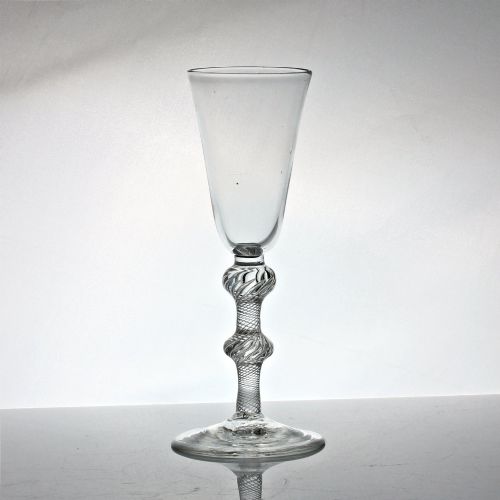
The most common examples you will meet are wine glasses from the seventeen-fifties and seventeen-sixties, alongside specific variations like air twists, opaque twists, and facet-cut stems. Alongside standard drinking vessels, the selections include related forms like small oil lamps.
These pieces emerge from the broader Georgian period, aligning with dates around seventeen-fifty and running through the later decades of the eighteenth century. They reflect the domestic drinking habits of the era through sturdy lead crystal and clear glass formations.
Materials and manufacture
Makers produced period english glass stemware using hand-blown techniques in lead glass, lead crystal, and flint glass, which provided the distinct clarity noted in the items. Workers formed the bowls and stems separately before joining them, occasionally incorporating folded feet for stability at the base.
Listings feature lead glass, lead crystal, green glass, and flint glass across Georgian production periods.
Factors of quality
Quality in these drinking vessels rests upon the visual purity of the metal and the precision of the optical effects within the stem. Pieces displaying exceptional clarity in the lead crystal and well-defined twists demonstrate superior craftsmanship during production.
The complexity of the stem formation, such as multiple spiral air twists or mixed twists paired with balanced bowls and folded feet, distinguishes finer examples. The crispness of facet cutting and the absence of distracting flaws in the hand-blown bowl also govern the standard of the item.
The Period English Glass Stemware Glossary
- Air twist
- A stem containing elongated internal air bubbles drawn into spirals during manufacture. This technique creates a delicate internal pattern visible through the clear glass.
- Opaque twist
- A stem incorporating white or coloured enamel threads twisted within the clear metal. These rods produce solid, opaque white strands running through the length of the stem.
- Folded foot
- A base edge doubled over and flattened during manufacture to create a thicker, more resilient rim. This feature adds physical weight and stability to the lower portion of the glass.
- Shoulder knop
- A prominent swelling or bulbous protrusion near the top of the stem directly beneath the bowl. It provides a tactile grip point and visual punctuation.
Period English Glass Stemware: Frequently Asked Questions
Can I use these glasses for drinks?
These historical vessels are suitable for serving wine or port during special occasions, provided you handle them with care. Their delicate stems require mindful placement on modern surfaces.
Many collectors prefer to keep them for display or occasional use to preserve their condition and avoid accidental damage to the antique glass.
What is an air twist stem?
An air twist is formed by trapping air inside the molten glass and pulling or twisting the metal as it cools. This traps elongated bubbles in a helical pattern down the stem.
Makers used single and multiple spiral variations to catch the light, creating a bright optical effect without adding extra materials.
How do I date an old glass?
Dating relies on examining the bowl shape, the style of the stem, and the formation of the foot. Earlier eighteenth-century pieces often feature heavier baluster stems, while later decades introduced facet cutting and lighter trumpet bowls.
Pontil marks on the underside of the base also offer clues regarding the manufacturing period and the hand-finished nature of the piece.