



Period Drawer Unit
A period drawer unit brings genuine historical character to storage, offering practical compartments built in eras from the seventeenth century onward.
Period Drawer Unit
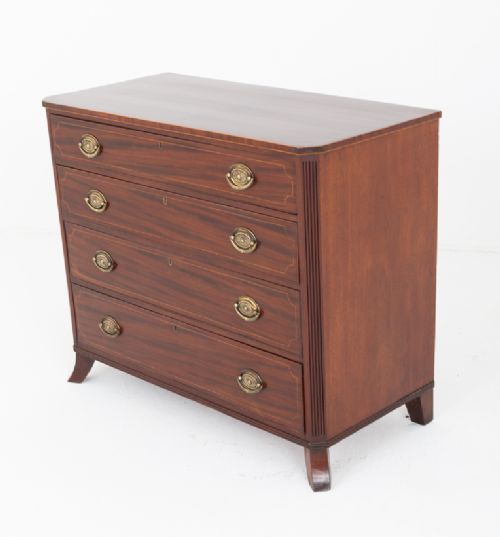
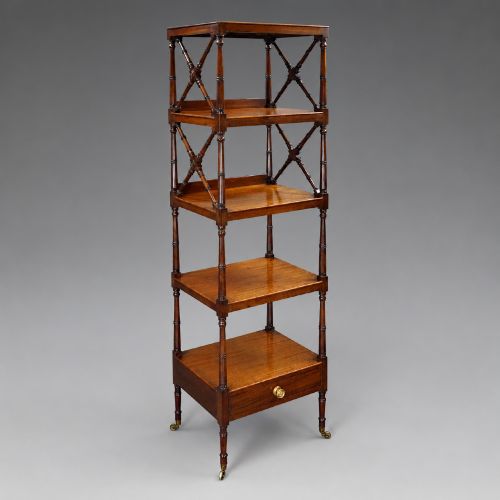
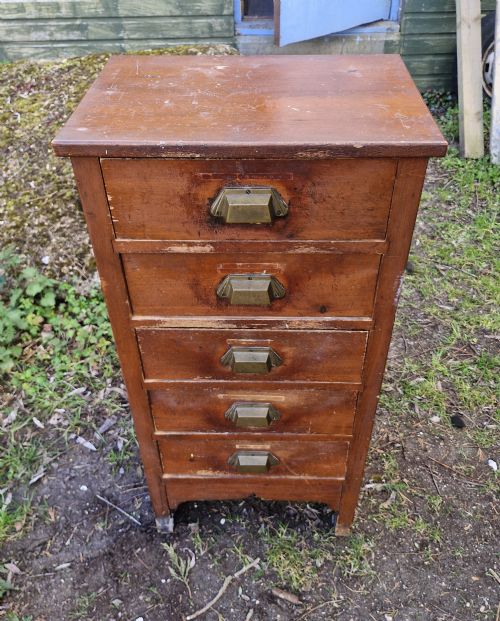
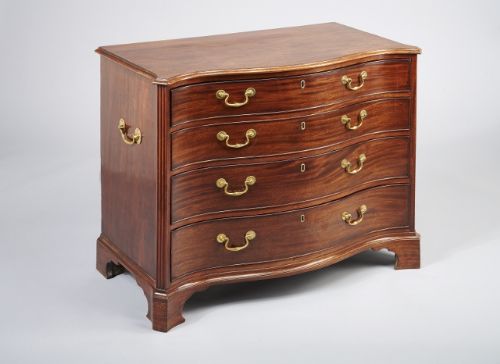
A period drawer unit encompasses traditional storage forms such as chests of drawers, office cabinets, step chests, and tabletop cabinets originating from periods including the Georgian, Regency, and Victorian eras. Buyers pursuing a period drawer unit will most commonly encounter mahogany and oak chests featuring timber construction and traditional drawer configurations. The selection also extends to specialised forms like whatnots, etageres, and bookcases.
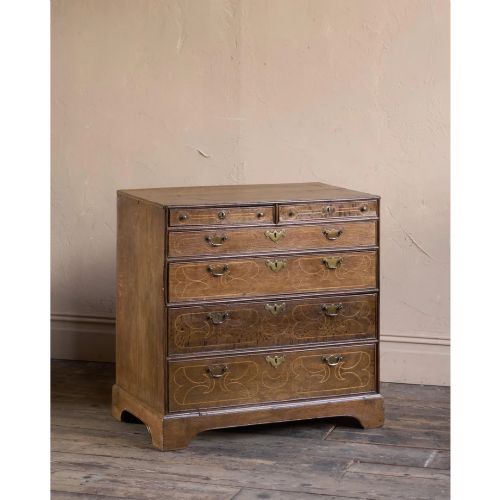
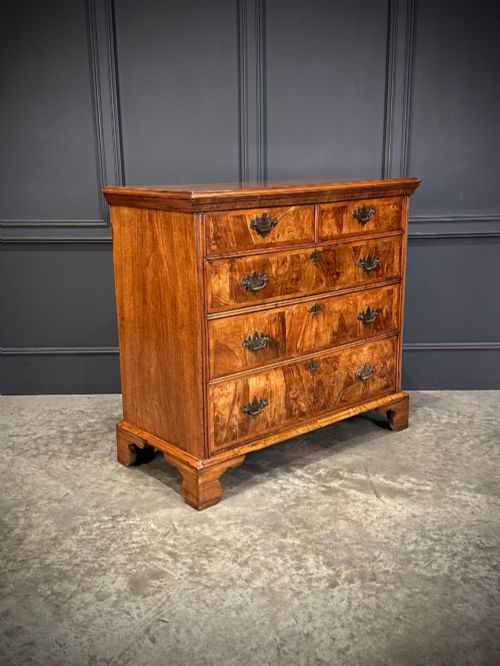
Origins stretch from seventeenth century William and Mary pieces up to early twentieth century office cabinets, reflecting diverse stylistic influences across centuries of cabinet making. Walnut, pine, fruitwood inlay, and satinwood appear alongside the dominant mahogany and oak materials, demonstrating varied regional and chronological preferences. Each object retains the functional purpose of organising goods while displaying the distinct design hallmarks of its respective period.
Evaluating craftsmanship and condition
Superior examples exhibit refined timber selection, such as matched burr walnut or figured mahogany veneers carefully aligned across multiple drawer fronts. Finely executed inlay work and original period brass hardware distinguish high quality pieces from simpler utilitarian storage items.
Structural integrity, untouched surface patination, and the retention of original timber components heavily influence the standing of an item. Subtle proportions, precise dovetail joints, and documented maker attribution further elevate specific cabinets within the wider range.
Materials represented include mahogany, oak, walnut, satinwood, pine, fruitwood inlay, and Japanese hardwood.
Gillows·Charles William Schofield
The Period Drawer Unit Glossary
- Chest of drawers
- A freestanding item of furniture containing multiple parallel horizontal drawers stacked vertically. These pieces provide primary bedroom and domestic storage across centuries of design.
- Whatnot
- An open set of tiered shelves designed for displaying books, ornaments, or small objects. They appear in mahogany and other fine timbers during the eighteenth and nineteenth centuries.
- Step chest
- A traditional Japanese tansu featuring a stepped drawer arrangement designed to fit beneath stairs or serve as a room divider. They utilise distinctive hardwood construction and period metal fittings.
- Etagere
- A piece of furniture consisting of a set of open shelves for displaying small objects. Originating in France, these tiered stands combine decorative elegance with vertical storage.
- Dovetail
- A joint formed by interlocking wedge shaped fingers used to connect drawer sides to drawer fronts. This traditional method provides exceptional tensile strength without relying on metal fasteners.
Period Drawer Unit: Frequently Asked Questions
Where were step chests used?
Japanese step chests, known as tansu, functioned primarily in traditional homes as multi-purpose staircase storage units and room dividers. They combined heavy timber construction with accessible compartments.
Owners utilised them to store clothing, household goods, and valuables while maximising small floor plans. Their modular design allowed flexible placement within traditional Japanese architecture.
What is a housekeeper cupboard?
A housekeeper cupboard served as a large functional storage piece within country estates and large Georgian homes. Domestic staff used them to store household linens, dry goods, and tableware.
These substantial oak or mahogany pieces combined upper shelving with lower drawer banks or cupboards. They formed an essential hub for household management and domestic administration.
Are tabletop cabinets antique?
Tabletop cabinets designed as miniature storage chests or collector cabinets date back across multiple centuries. They provided secure storage for documents, specimens, or precious small items.
Craftsmen applied the same rigorous joinery and fine timbers to these small units as they did to full sized furniture. Their portable scale made them versatile additions to study desks and drawing rooms.