


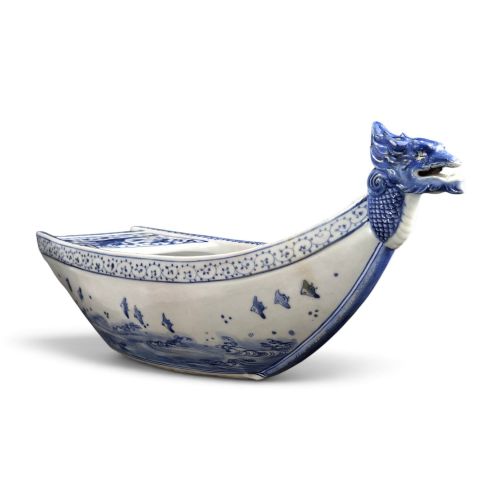
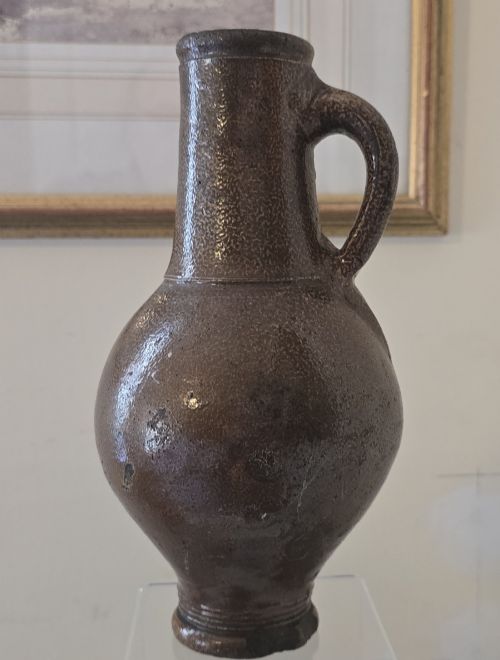
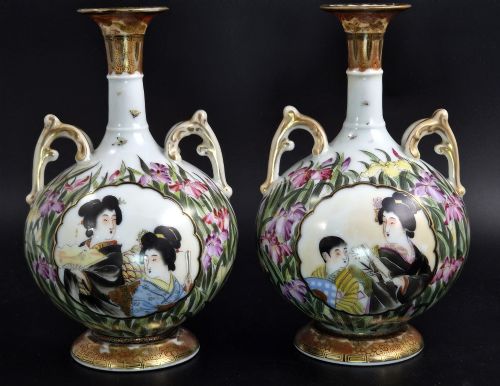
Period Ceramic Vessel
A period ceramic vessel brings centuries of kiln craft into a room, holding centuries of glaze and form for the collector.
Period Ceramic Vessel
A period ceramic vessel encompasses items designed for holding, pouring, or burning incense, originating from workshops in China, Japan, and Britain. The selection spans centuries from the seventeenth through the early twentieth, reflecting diverse kiln traditions and domestic functions.
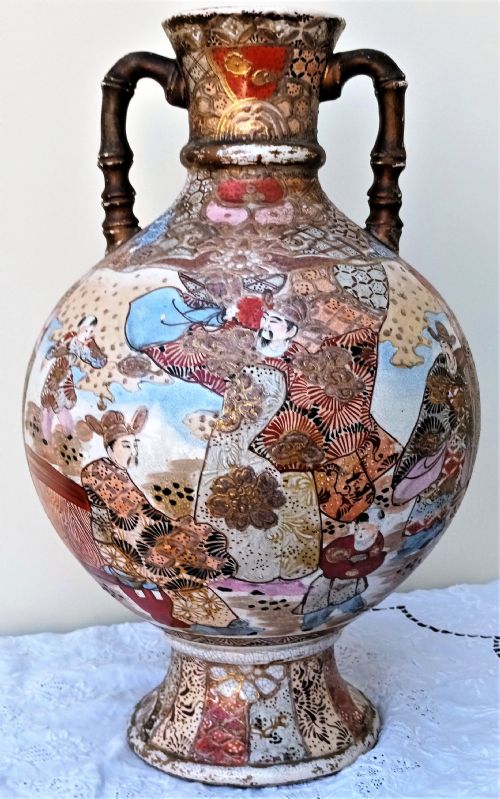
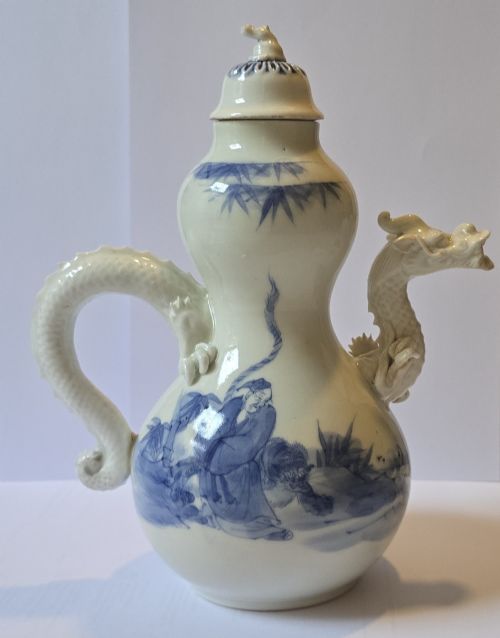
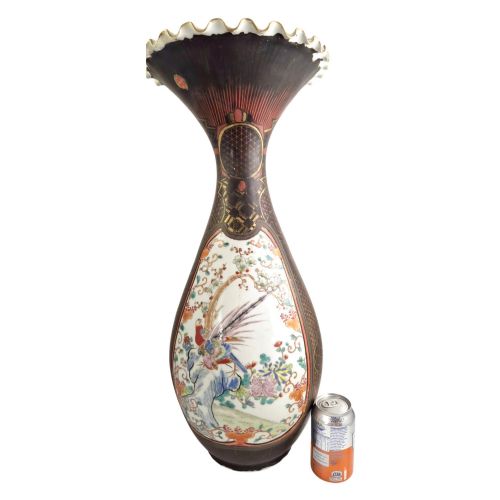
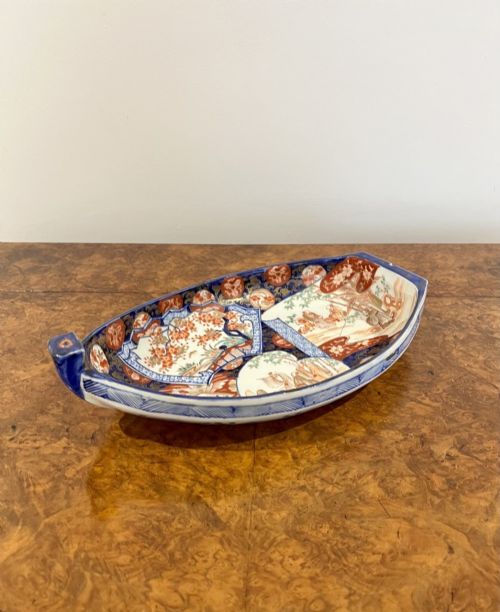
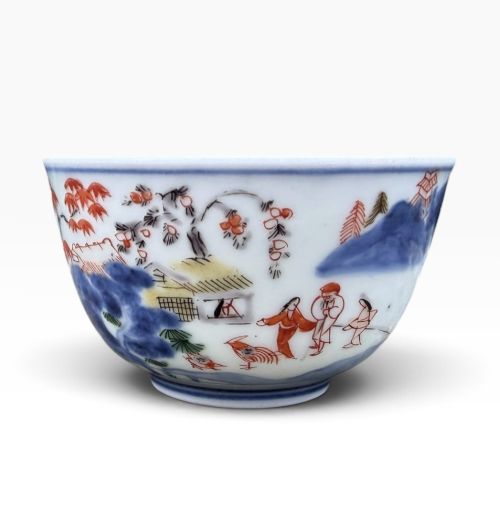
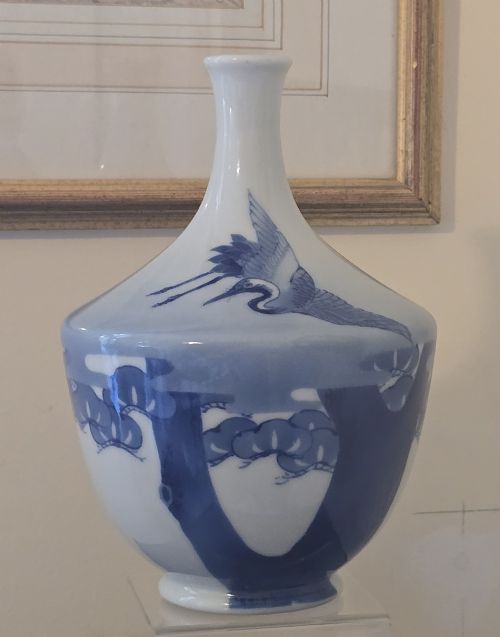
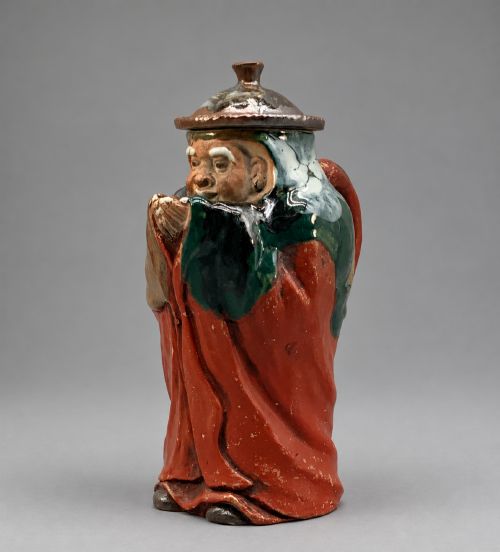
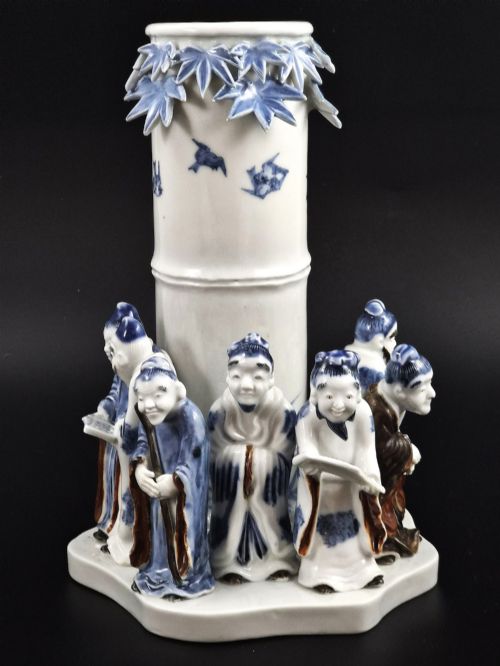
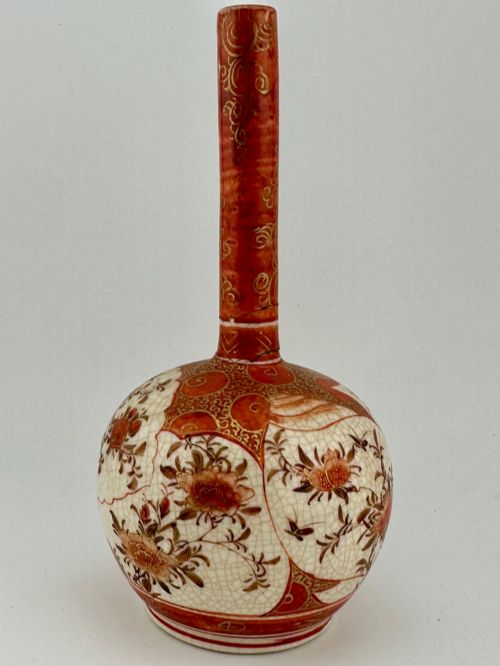
Vessels on this page appear in various forms, including tall floor vases, lidded ginger jars, handled pitchers, and tripod censers. Japanese Imari and Satsuma wares sit alongside Chinese porcelain and British earthenware.
Buyers encounter forms created for specific domestic or ritual tasks, ranging from scholar's brush pots to large jardinières. Each object carries the decorative vocabulary of its period, from blue and white underglaze to vibrant enamel overlays.
How they were made
Potters shaped these vessels from clay bodies such as stoneware, earthenware, and fine porcelain, throwing them on wheels or forming them in moulds. Artisans applied glazes, ranging from clear celadons to opaque powder-blue, before firing the pieces in kilns at high temperatures.
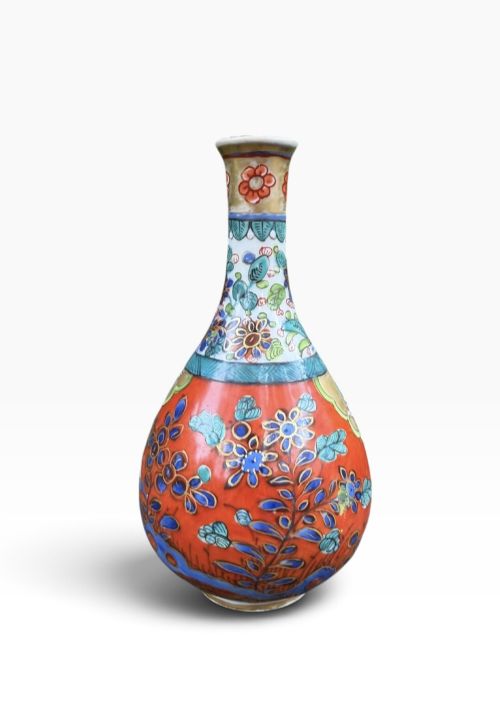
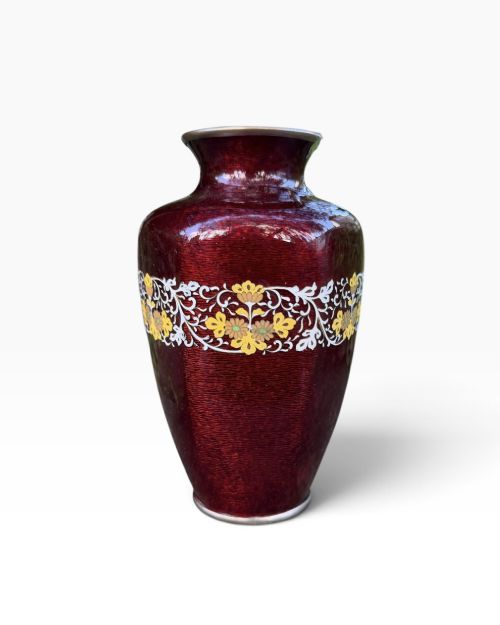
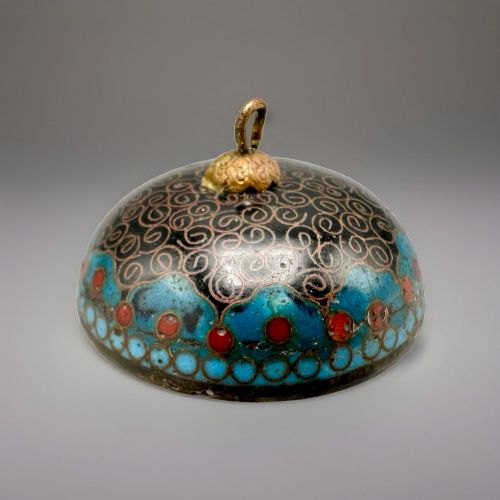
Decoration involved hand-painting with cobalt underglaze, iron red, and gilt, or applying enamel over the fired glaze. Metalwork techniques also appear, with copper wire forming cloisonné cells filled with coloured enamel paste.
Period Ceramic Vessel Retail Price Guide 2026
Typical asking prices for period ceramic vessel among the pieces listed under this phrase on Sellingantiques today, from the lower quarter to the upper quarter. They describe what is for sale here now, not the wider market.
What varies in quality
Quality rests upon the precision of the throwing and the clarity of the glaze, alongside the control demonstrated during the kiln firing. Master potters achieved balanced proportions and smooth surfaces free from major distortion.
The skill of the painter dictates the value of the finished vessel, visible in the delicacy of brushwork on figural scenes and floral motifs. Signed pieces from known workshops or specific makers display superior detailing in relief work and gilding.
Tsukamoto Hikokichi·Takasaka Toemon·John Dwight·Kizan·Kinkozan·Ban-ni
The Period Ceramic Vessel Glossary
- Imari
- A style of Japanese porcelain featuring a palette of underglaze blue, iron red, and gold. It gained popularity in Europe during the seventeenth and eighteenth centuries.
- Koro
- A Japanese incense burner, typically fitted with a pierced cover and supported on feet. These vessels served both domestic and ritual purposes.
- Cloisonné
- A metalwork technique where flat wires form compartments on a vessel body, which are then filled with enamel paste and fired. The surface is subsequently ground smooth.
- Bitong
- A cylindrical Chinese brush pot used by scholars to hold writing implements. They were fashioned from porcelain, stone, or bamboo.
- Clobbered
- A term describing older porcelain decorated with underglaze blue that received subsequent overglaze enamelling, often in a different country or later century.
Period Ceramic Vessel: Frequently Asked Questions
What is a period ceramic vessel?
A period ceramic vessel is an antique item made from clay, porcelain, or stoneware during a defined historical era. These objects served utilitarian, decorative, or ritual purposes in Asian and European households.
Examples include vases, jars, censers, and pitchers created by traditional potters and workshops using historical techniques.
How were these vessels used originally?
These vessels fulfilled diverse roles in daily life, commerce, and scholarly pursuits. Some held flowers or wine, while others burned incense in domestic or temple settings.
Scholar's objects like brush pots held writing tools on desks, and large jars stored commodities or decorated reception rooms.
How do I care for an antique vessel?
Care requires gentle handling and placement away from direct sunlight and areas prone to sudden temperature changes. Dusting with a soft, dry cloth preserves the glaze and any delicate enamel or gilt decoration.
Water should not remain inside unglazed or porous earthenware pieces to prevent moisture damage to the antique body.
How do I identify the period of a piece?
Period identification relies on examining the potting style, glaze characteristics, and decorative motifs specific to a region and era. Maker's marks, signatures, and kiln technology provide further evidence of date.
Comparing a piece to documented examples from eras like the Meiji period or Kangxi reign helps confirm its age.