

Period Bronze Lighting
Period bronze lighting encompasses heavy table lamps, chandeliers and candelabra cast in metal, often paired with marble or crystal to bring gravitas to a room.
Period Bronze Lighting
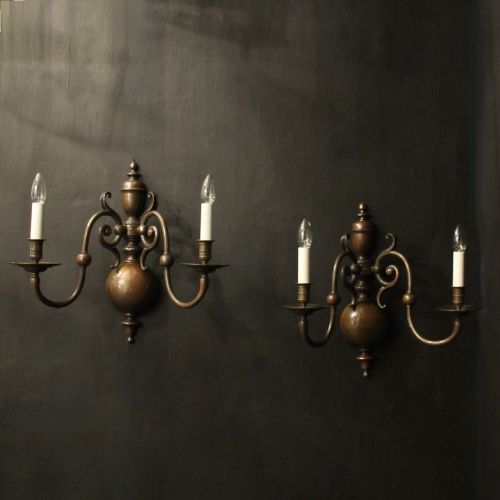
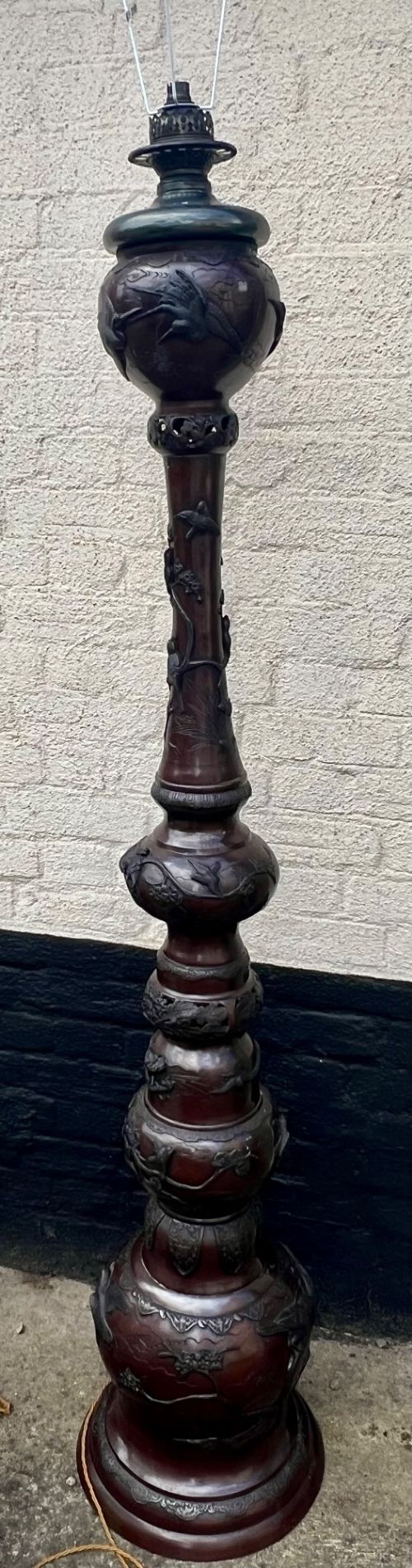
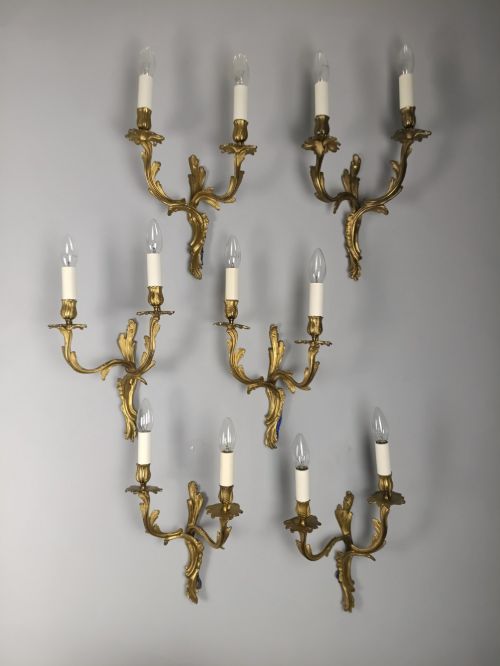
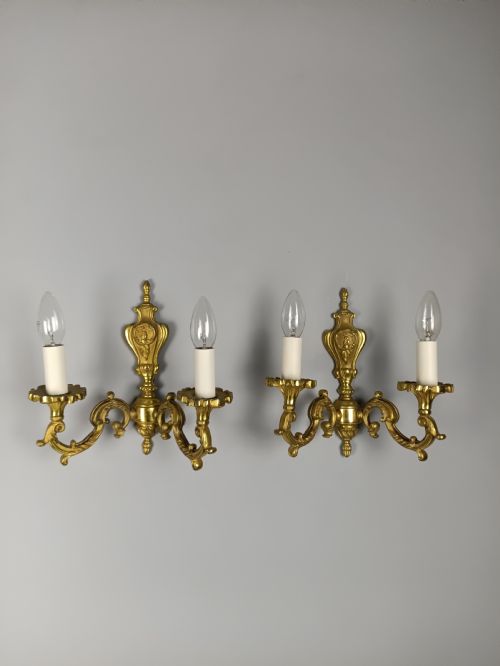
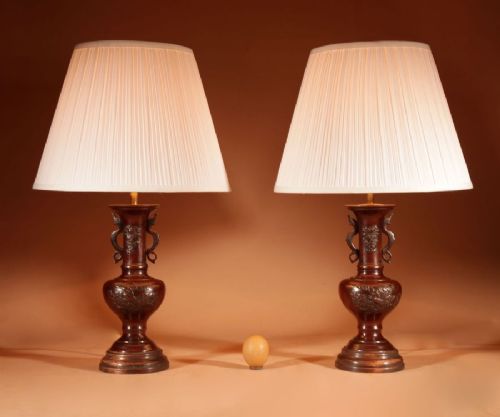
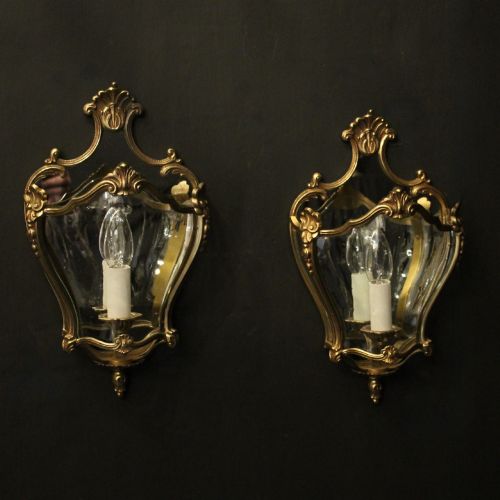
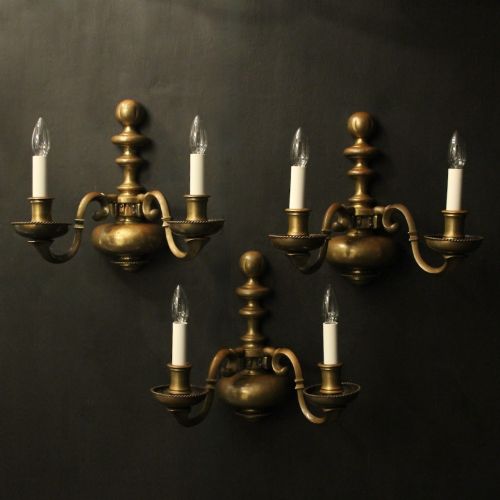
Period bronze lighting covers domestic fixtures designed to illuminate interiors through candles, oil or electricity, spanning centuries of craftsmanship. Buyers seeking period bronze lighting encounter forms ranging from towering floor lamps and multi-light chandeliers to delicate desk candlesticks and wall sconces.
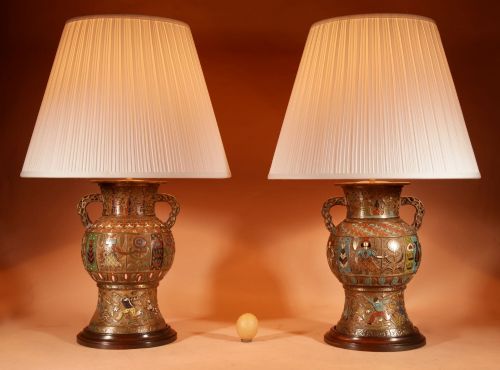
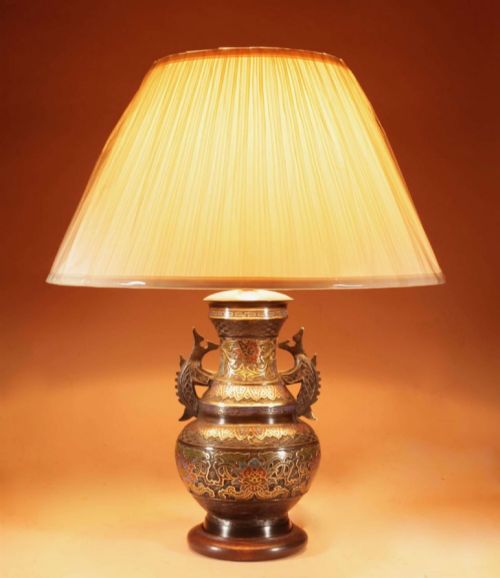
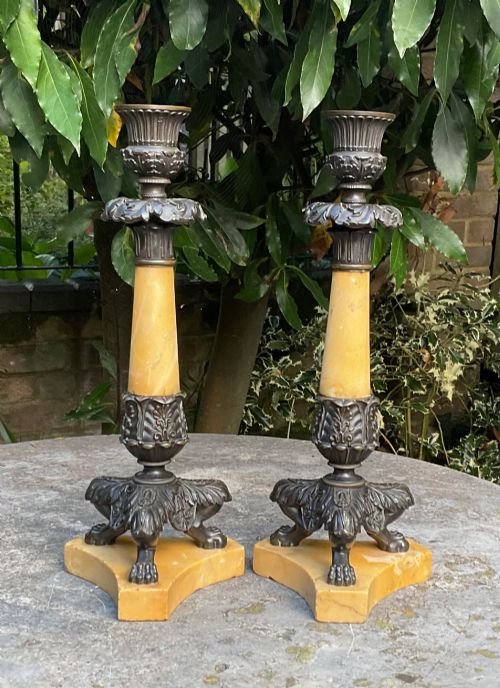
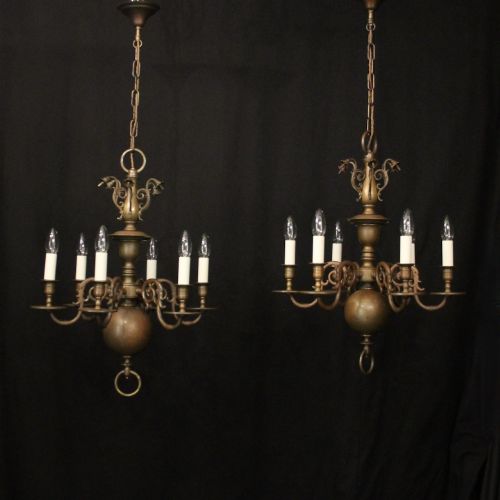
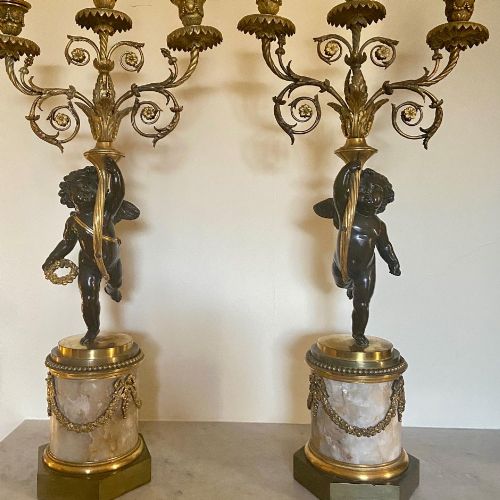
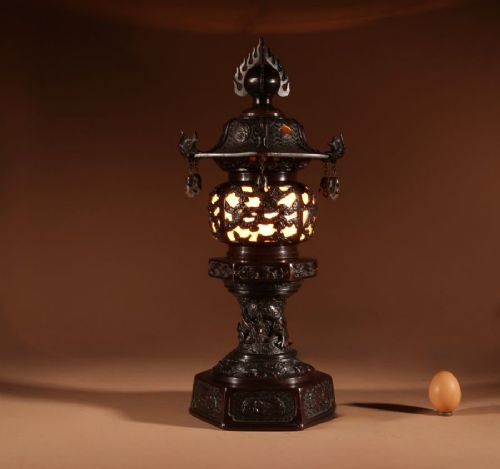
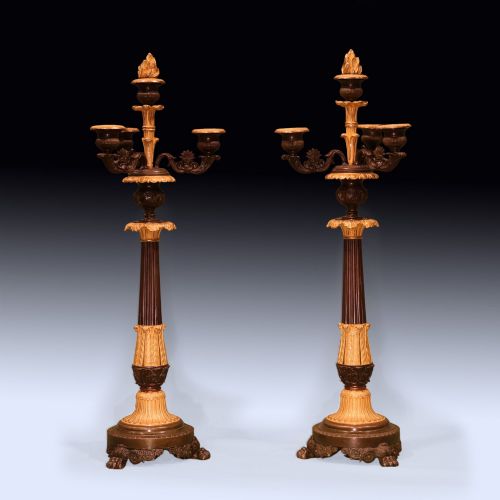
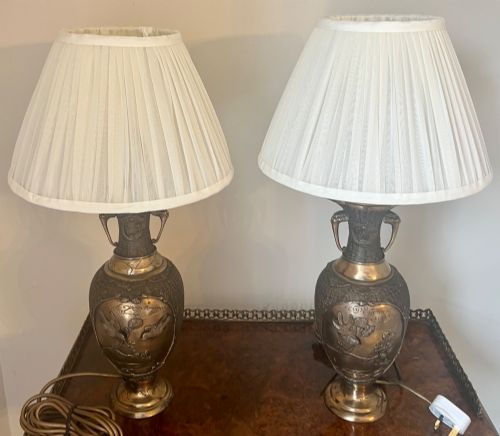
The selection includes English, French and Japanese pieces, with French Empire designs, Japanese Meiji period bronzes and English Regency candlesticks appearing frequently. Table lamps and wall lights dominate the current offerings, alongside elaborate candelabra mounted on marble plinths.
Materials and construction
Items are cast in bronze, brass and patinated or gilt bronze, often incorporating ormolu, marble bases, glass crystals and fabric elements. Founders utilised techniques such as lost-wax casting for figural components like putti or dragons, alongside champlevé enamelling.
Candelabra and chandeliers combine cast metal components with turned marble columns, rock crystal drops or fluency in brass arms. Gilding and patination applied to the surface create contrasting tones between polished highlights and darkened recesses.
Materials span patinated bronze, gilt bronze, ormolu, brass, crystal and marble across 18th, 19th and early 20th century periods.
Assessing quality in bronze fixtures
Quality reveals itself in the crispness of the chasing and the weight of the metal casting, where fine details remain sharp rather than softened. Superior examples show careful finishing by hand after casting, ensuring that joints, mounts and patination display depth and precision.
The integration of secondary materials, such as sienna or rouge marble bases and fire-gilt ormolu, distinguishes finer workshop output from standard commercial production. Signature marks from makers like Rabiat indicate documented foundry attribution.
Rabiat·Francois Redmond·G.E.C
The Period Bronze Lighting Glossary
- Ormolu
- Gilt bronze produced by applying a finely ground high-carat gold-mercury amalgam to a bronze object, then firing it. This technique creates a durable golden finish characteristic of French decorative arts.
- Candelabra
- A branched candlestick holder designed to hold multiple candles simultaneously. They often feature removable branches or central figural columns.
- Champlevé
- An enamelling technique where troughs or cells are sunk into the surface of the bronze and filled with vitreous enamel before firing. It frequently appears on Japanese decorative pieces.
- Patinated bronze
- Metal treated chemically or exposed to environmental elements to alter its surface colour. This process produces dark brown, green or black tones that highlight the underlying form.
- Pricket candlestick
- A candlestick featuring a central metal spike that pushes directly into the base of the candle to hold it upright. This form appears frequently in earlier ecclesiastical and domestic lighting.
Period Bronze Lighting: Frequently Asked Questions
Can antique bronze lamps be rewired?
Most antique lamps and chandeliers are adapted for modern electrical standards by running internal wiring through the original channels. Professional electricians can update the wiring safely without altering the exterior metalwork.
Retaining the original sockets and switches when possible helps maintain historical integrity.
How do I date a bronze candelabra?
Dating relies on stylistic clues, such as the neoclassical motifs of Louis XVI or Empire periods, combined with casting methods. Heavier mercury gilding and hand-chased details typically point to earlier manufacture.
Comparing construction marks with documented foundry pieces assists in narrowing down the decade.
Where were these lighting fixtures placed?
Chandelabra and large chandeliers hung in principal reception rooms or sat upon dining tables to illuminate evening gatherings. Wall sconces and girandoles flanked mirrors or fireplaces to maximise candle reflection.
Smaller candlesticks served on desks, sideboards and bedside tables for task lighting.