

Period Accent Table
A period accent table brings practical surface space and centuries of craftsmanship into a room.
Period Accent Table
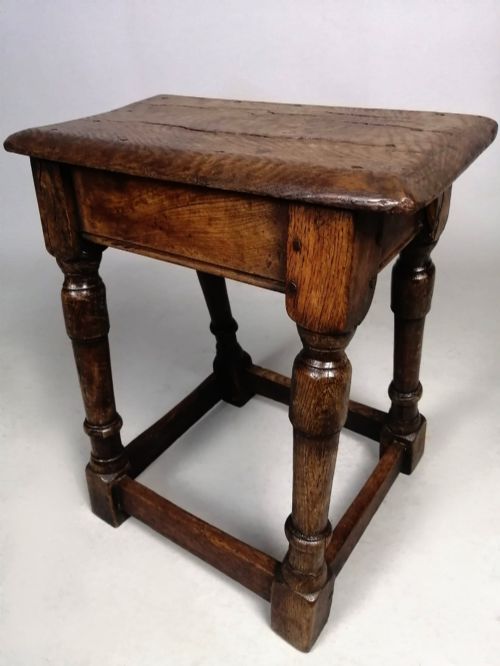
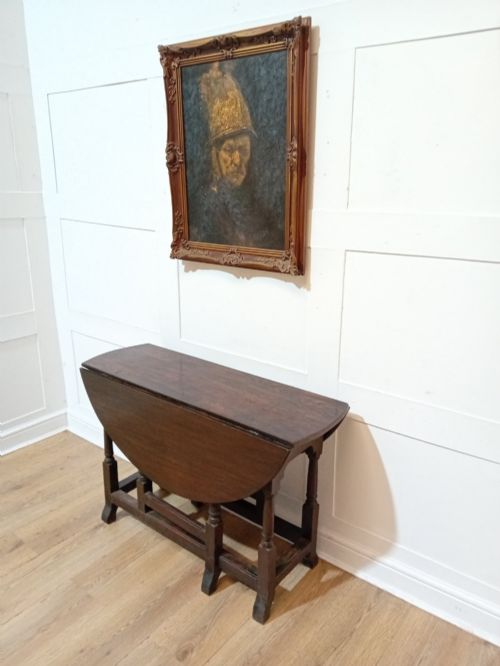
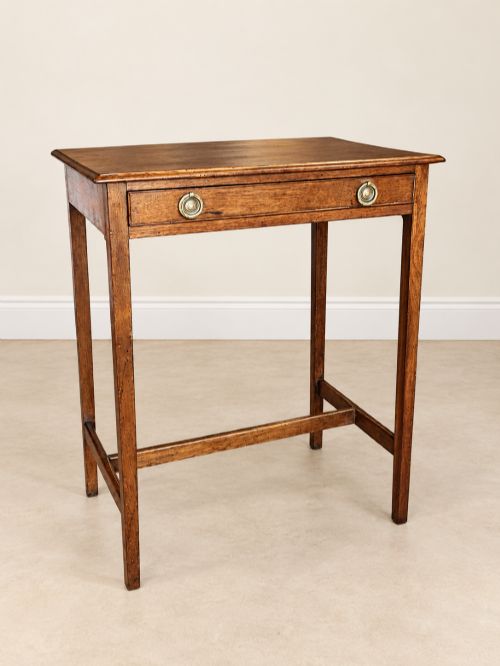
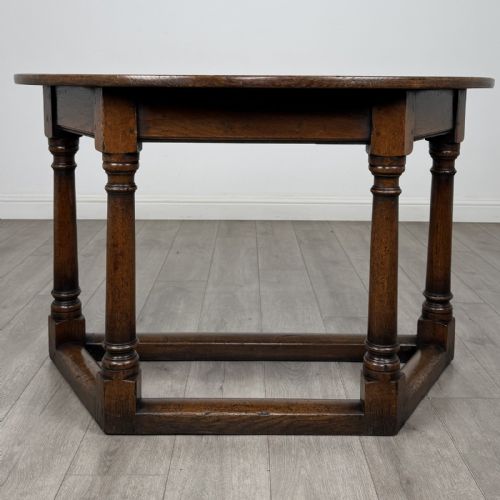
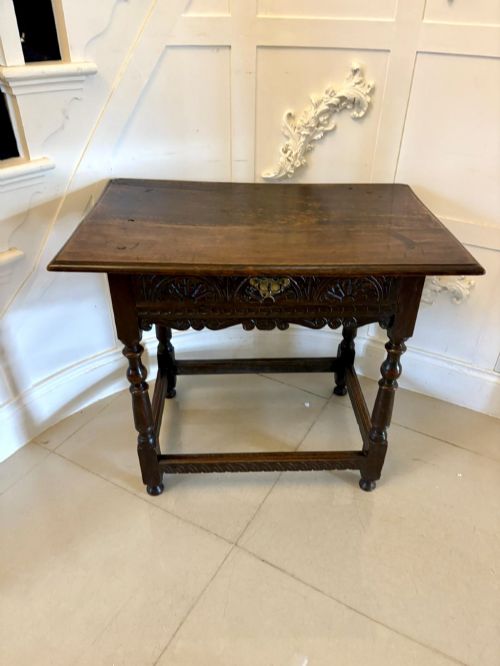
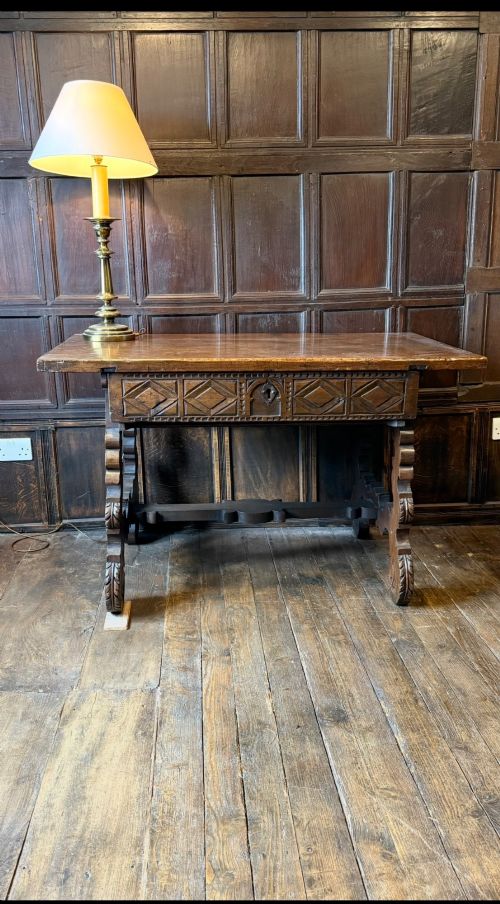
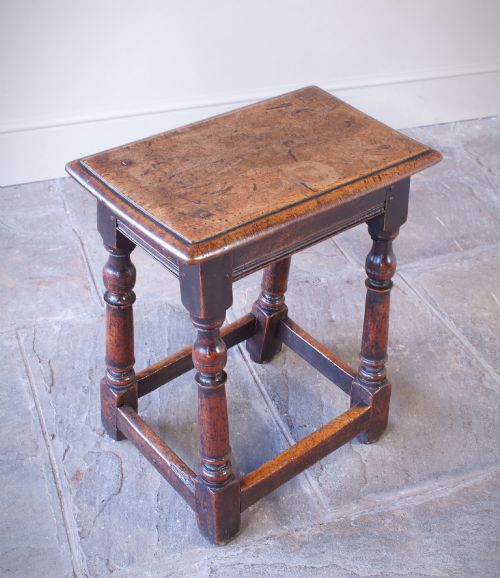
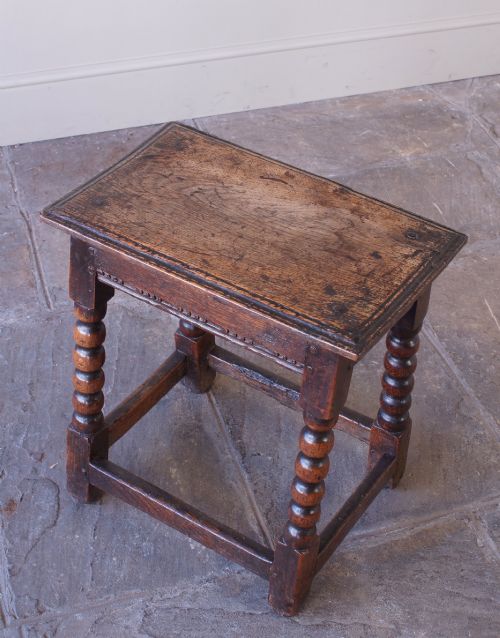
When searching for a period accent table, buyers encounter a diverse selection of small functional items designed for occasional use. The inventory spans several centuries, ranging from seventeenth-century joint stools and gateleg tables to eighteenth-century side tables and nineteenth-century pembroke pieces.
Oak and mahogany dominate the offerings, appearing alongside walnut, elm, and rosewood in forms such as cricket tables, tripods, and nests of tables. These items served specific domestic functions in earlier interiors, from holding lamps to providing portable surfaces for writing or dining.
The most prevalent examples on this page are sturdy oak side tables and tripod tables dating from the seventeenth and eighteenth centuries. Buyers also find specialised forms including lowboys, whatnots, and satinwood quartetto tables from later periods.
Materials and construction
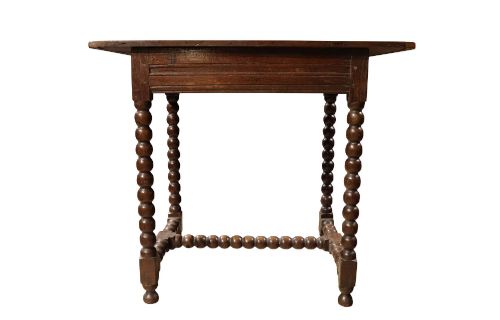
Cabinetmakers utilised solid timbers such as oak, mahogany, and walnut, frequently selecting burl elm or birdseye maple for decorative tabletops. Joinery techniques relied heavily on traditional mortise and tenon joints, pegged frames, and turned supports.
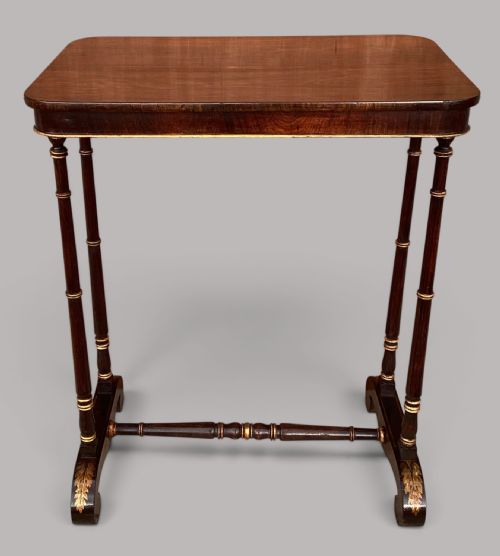
Surface treatments included hand polishing, wax finishes, and occasional painted faux bamboo or giltwood details. Turning, carving, and inlay work defined the decorative vocabulary across different eras, from Jacobean mouldings to Regency brass fittings.
Period Accent Table Retail Price Guide 2026
Typical asking prices for period accent table among the pieces listed under this phrase on Sellingantiques today, from the lower quarter to the upper quarter. They describe what is for sale here now, not the wider market.
The listings on this site encompass oak, mahogany, walnut, satinwood, and iron across periods stretching from the seventeenth century to the twentieth.
Distinctions in quality
Quality rests in the integrity of the original timber and the crispness of hand-carved or turned details. Superior examples retain their original surface patination and structural fasteners without heavy restoration.
Proportion and timber selection separate standard utilitarian items from finer pieces commissioned for prominent households. Grain matching on tabletops and the subtlety of edge mouldings indicate the maker's skill level.
The Period Accent Table Glossary
- Cricket table
- A small, three-legged wooden table originating in the eighteenth century, traditionally utilised on uneven floors. The three legs ensure stability without wobbling.
- Joint stool
- A sturdy wooden stool constructed with pegged mortise and tenon joints rather than turned legs alone. These items often doubled as small side tables in early households.
- Pembroke table
- A small occasional table with hinged drop leaves on either side, often fitted with a single drawer. It gained popularity during the eighteenth century for versatile placement.
- Lowboy
- A small kneehole dressing table or side table with one or more rows of drawers, typically dating from the eighteenth century. They sat on relatively tall cabriole or straight legs.
- Tripod table
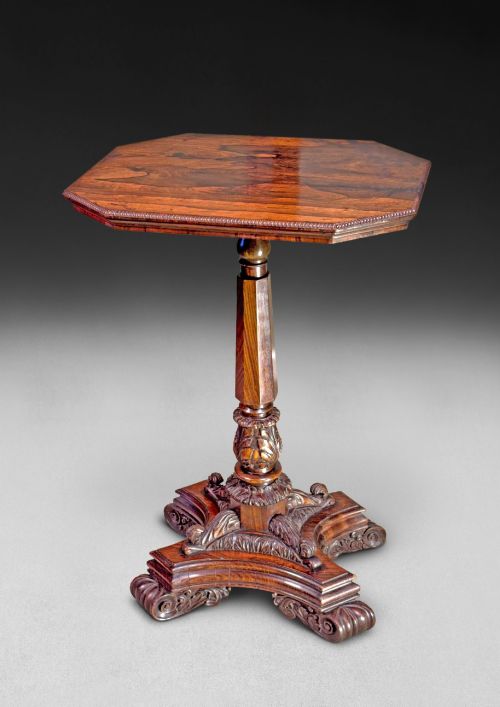
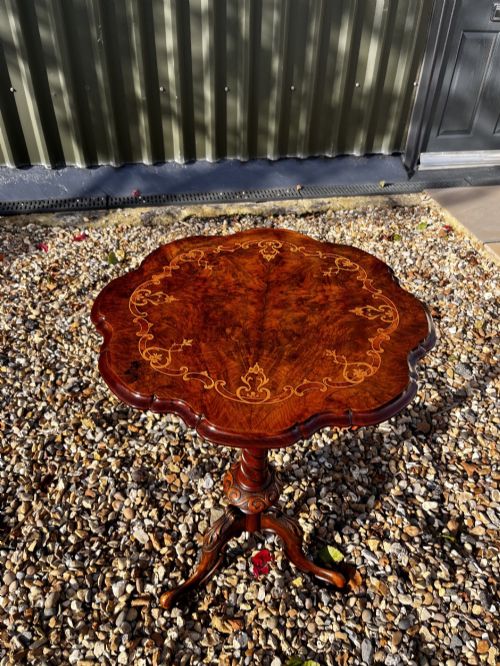
- A small table supported by a central pillar above three feet, frequently designed with a tilt-top mechanism. This form allowed the table to be stored flat against a wall when not in use.
Period Accent Table: Frequently Asked Questions
What is a period accent table used for?
These pieces functioned as versatile movable surfaces for holding lighting, books, or tea equipment in historic interiors.
Today, they serve the same practical purpose in modern rooms while adding historical character and texture to a corner or seating area.
How do I identify a seventeenth century table?
Seventeenth-century pieces typically feature heavy solid oak construction, hand-pegged joinery, and structural elements like gateleg supports or chunky turned legs.
Surface timber often displays deep patination and tool marks from manual shaping rather than machine production.
Where should I place an occasional table?
Occasional tables suit placement beside armchairs, sofas, or empty hallway walls where a small surface is required.
Their compact dimensions allow them to fit into tight spaces without overwhelming the surrounding furniture.