
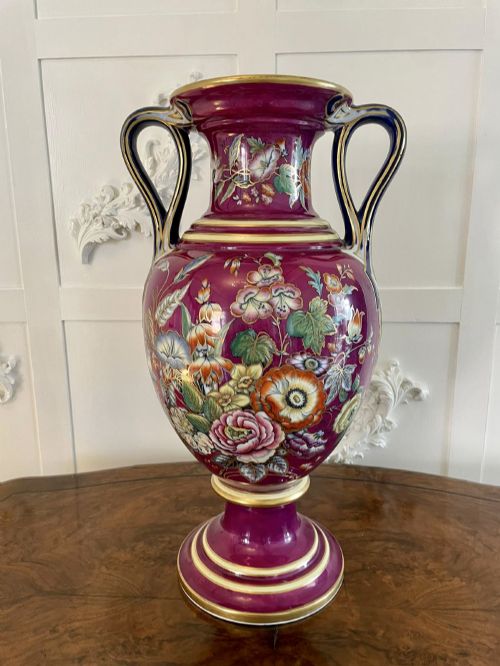

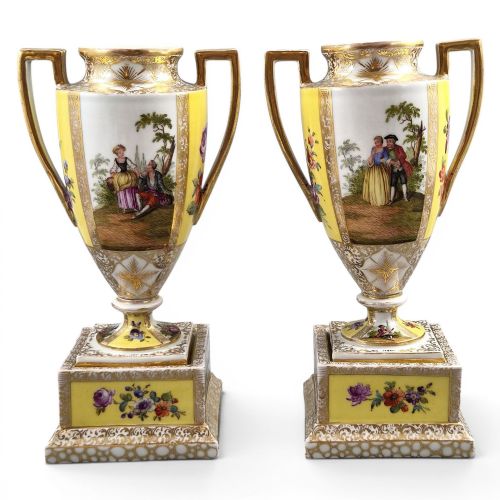
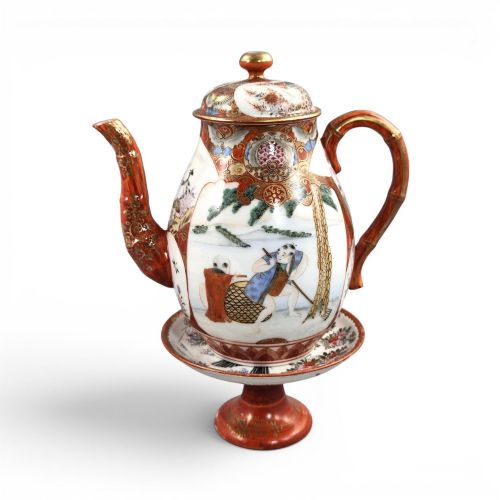
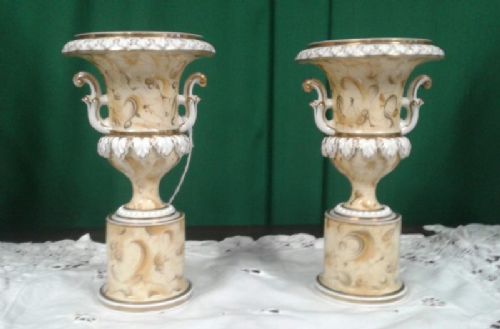


Pedestal Porcelain Vase
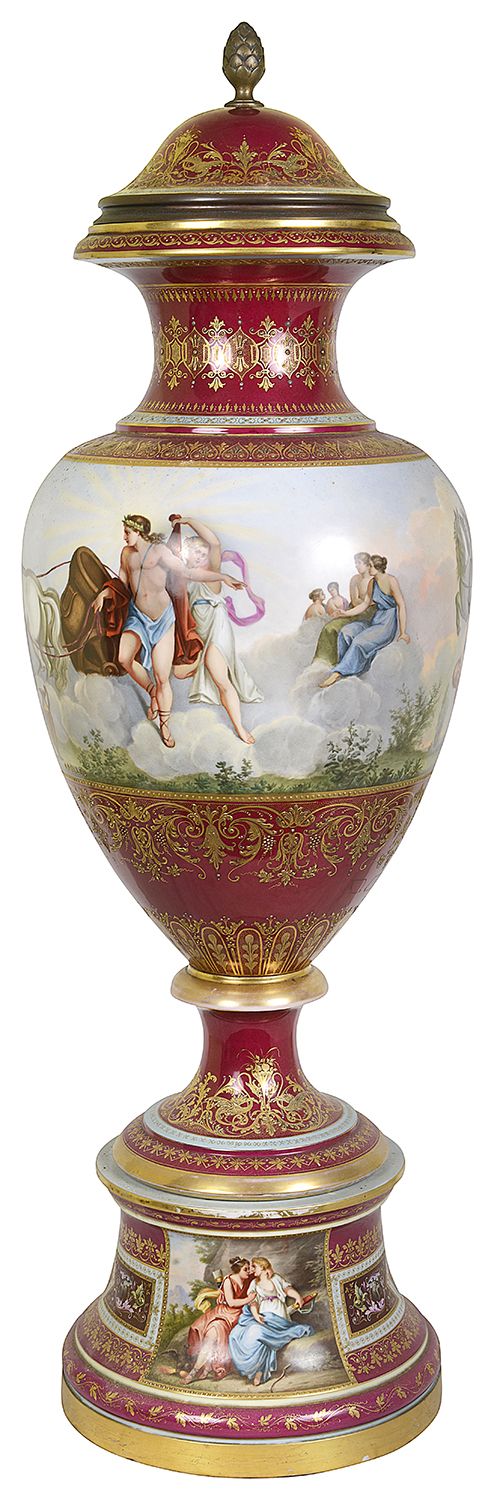
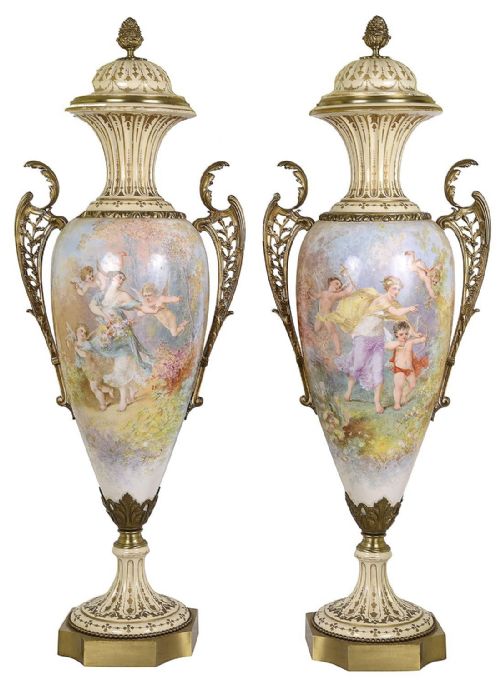
A pedestal porcelain vase brings classical height and refined form to a mantel or console table.
Pedestal Porcelain Vase
A pedestal porcelain vase elevates a traditional vessel upon a raised foot or base, creating a distinct vertical presence. When you search for pedestal porcelain vase, you encounter Victorian ewers, campana shapes and lidded urns originating from English, French and German factories. These decorative objects combine a ceramic body with a dedicated support structure, frequently emerging from the nineteenth century in pairs or garnitures.
The nineteenth-century examples dominate the selection, spanning Georgian origins through to the Edwardian era. Forms range from classical campana urns and beaker shapes to bulbous pots and ewers fitted with handles. Many pieces incorporate separate bases or integrated pedestals that lift the main body of the vessel to display painted or relief scenes.
How they were made
Potters shaped hard-paste and soft-paste porcelain on wheels or in moulds before firing the ceramic body at high temperatures. Artisans then applied enamel colours, gilding, gold leaf and hand-painted motifs, such as birds or classical figures, often returning the piece to the kiln for further fixing. Metal mounts in ormolu and gilt bronze were frequently added to secure the porcelain to its pedestal base.
Factories utilised specialised techniques like transfer printing, raised paste gilding and delicate enamel painting to enrich the surface. Some makers combined jasperware reliefs with porcelain bodies, while others mounted porcelain cups onto carved hardwood stands or cast metal plinths to complete the pedestal form.
Several pieces feature hand-painted game birds and pheasants peering out from delicate porcelain foliage.
What varies in quality
The standard of hand-painting dictates much of the distinction between ordinary production wares and masterworks. Detailed artistry by named decorators, such as bird or landscape painters, elevates a piece above standard factory output. Crisply moulded relief work and fine polychrome enamels indicate superior execution.
The integration of mounts and pedestals also plays a role in the overall success of the object. Heavy, well-chased ormolu mounts and substantial porcelain walls demonstrate a higher grade of manufacture than thin, poorly finished alternatives. The crispness of the gilding and the precision of the firing determine the lasting refinement of the vessel.
Helena Wolfsohn Dresden·Doulton Burslem·Royal Worcester·Royal Crown Derby
The Pedestal Porcelain Vase Glossary
- Campana vase
- A classical bell-shaped vessel with a flared rim and a footed base, frequently mounted on a square pedestal.
- Ewer
- A large jug with a wide spout and an ornate handle, often produced in pairs as decorative pedestal vessels.
- Gilding
- The application of gold leaf or powdered gold to the surface of porcelain for decorative enrichment.
- Ormolu
- Finely ground high-carat gold-gilt bronze used for mounts and decorative fittings on nineteenth-century pieces.
- Jasperware
- A type of unglazed vitreous stoneware developed by Wedgwood, noted for its contrasting coloured background and white relief figures.
Pedestal Porcelain Vase: Frequently Asked Questions
How were these vases used?
These decorative objects served as formal centrepieces on mantelpieces, sideboards and pedestals in nineteenth-century drawing rooms. They frequently formed part of three-piece garnitures or balanced pairs.
Their elevated forms were meant to catch the eye and display the wealth and refined taste of the owner through intricate painted scenes and gilding.
How do I style a pedestal vase at home?
Place a pedestal vase where its height and vertical lines can be appreciated without obstruction, such as on a heavy wooden console or an empty mantel shelf. Because many are paired or part of a garniture, arranging matching pieces symmetrically creates a formal display.
Keep surrounding items low so the painted details and raised base remain the visual focus of the surface.
How can I tell the period of a vase?
Examine the paste, the style of the painted decoration, and any factory marks stamped or painted on the base. Victorian and Edwardian pieces often exhibit transfer-printed factory ciphers alongside hand-painted highlights.
Neoclassical and Empire revival styles point toward the nineteenth century, while specific floral motifs or signature styles help narrow down the decade.