
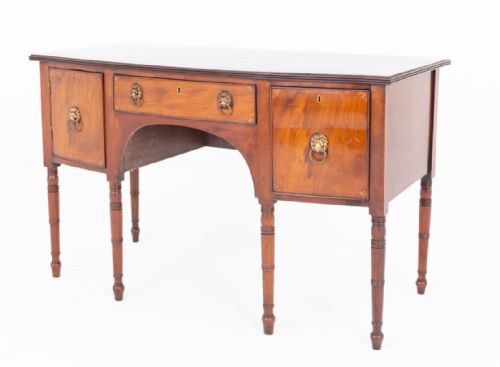
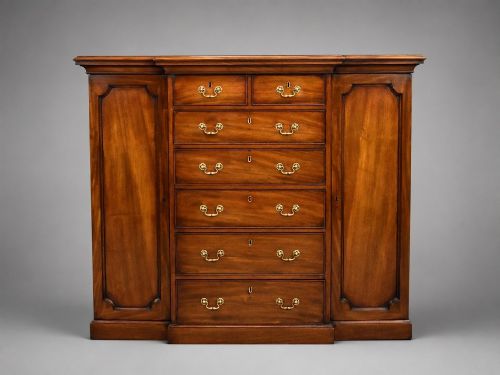

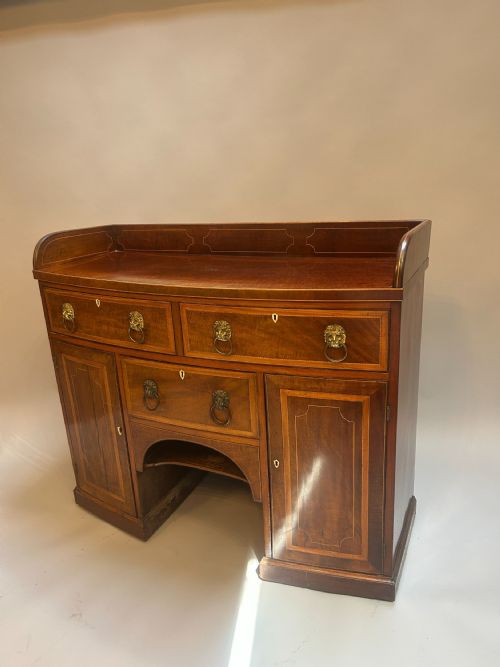
Pedestal Dining Credenza
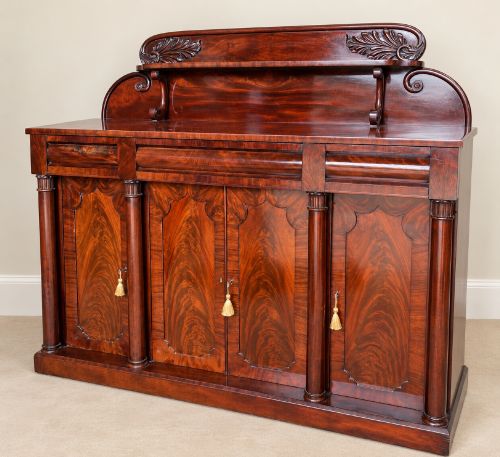
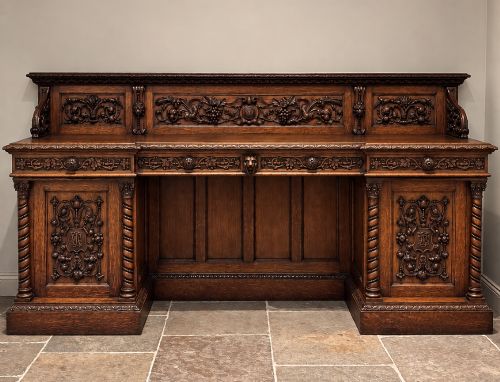
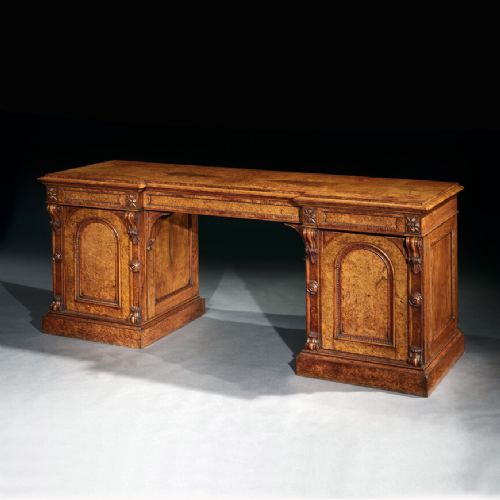
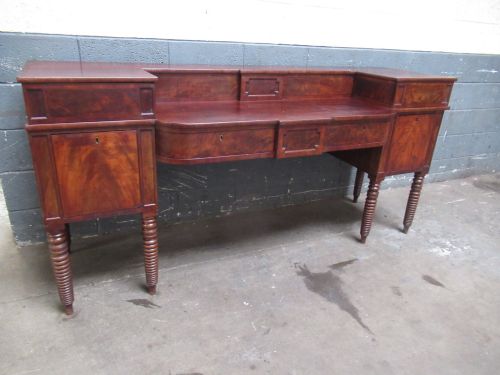
These pedestal dining credenza pieces are substantial dining room servers from the Georgian, Regency and Victorian periods, prized for housing silver and linen.
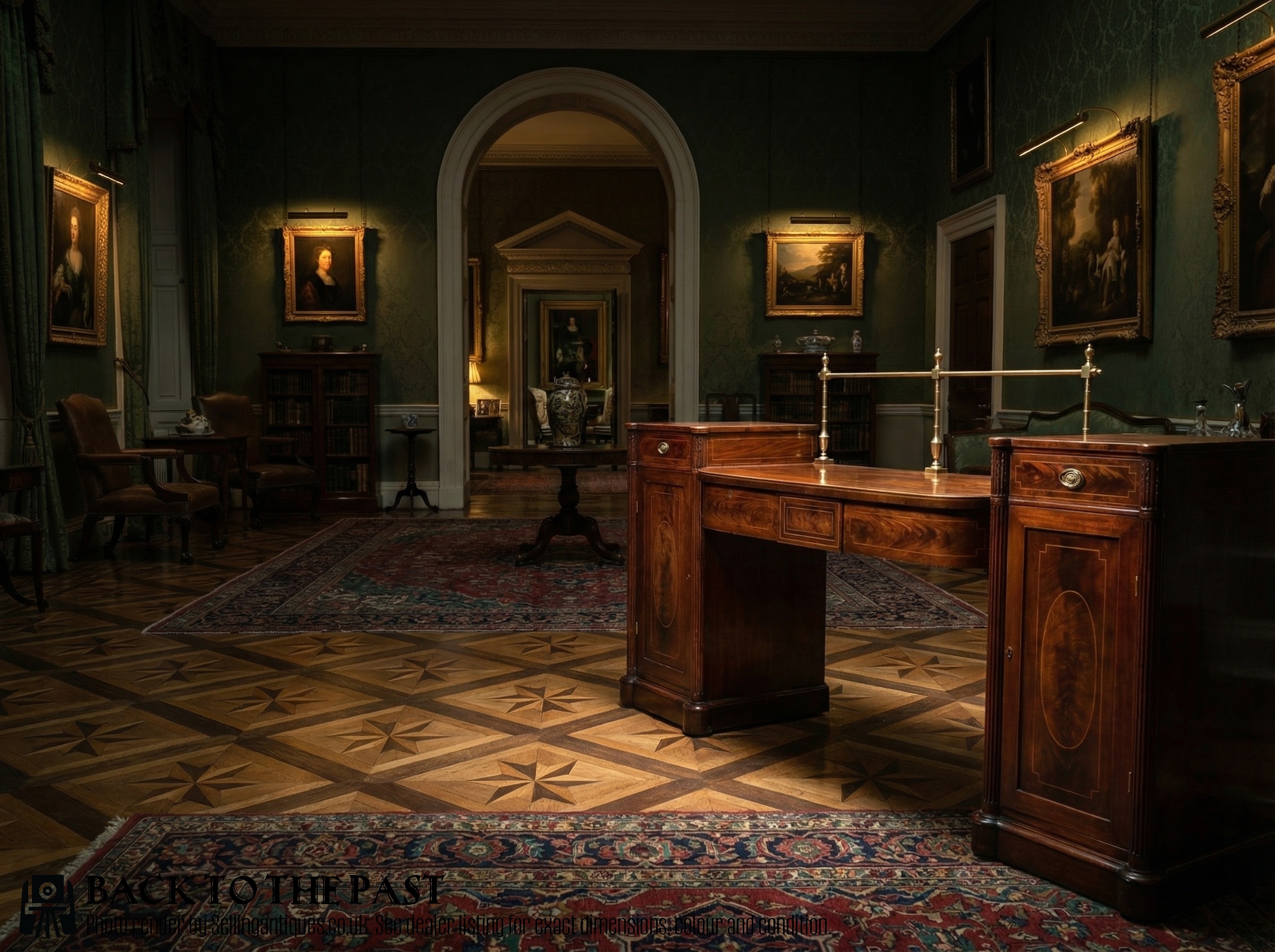
Pedestal Dining Credenza
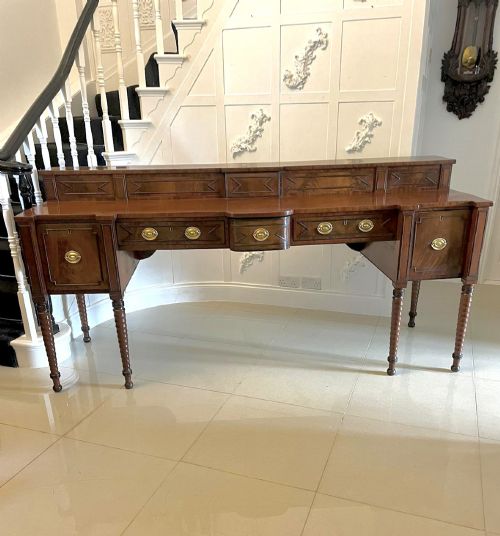
A pedestal dining credenza is a large dining room server designed to hold silver, china and linen during formal meals. When you search for this phrase, you find substantial timber pieces dating from the Georgian, Regency and Victorian eras.
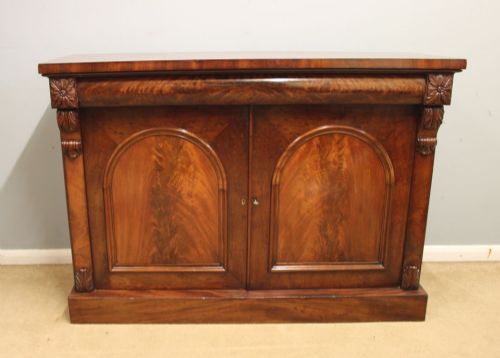
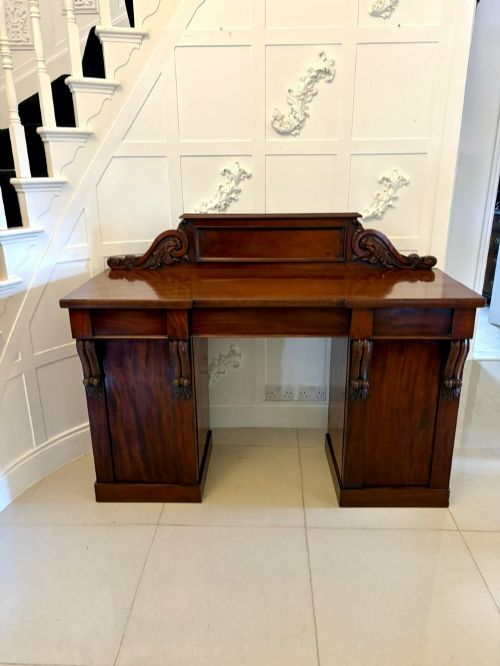
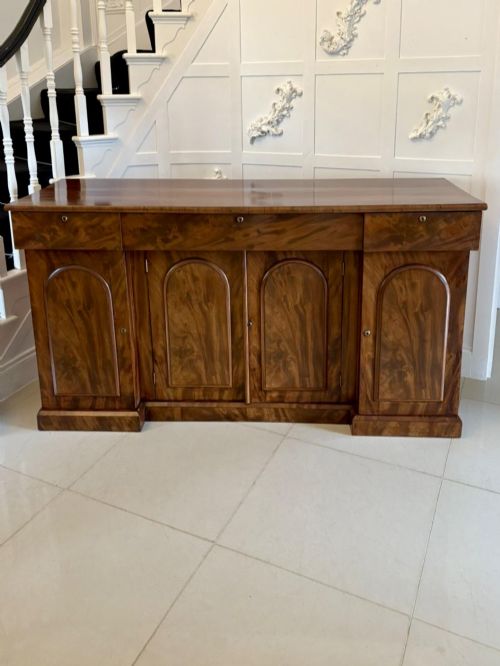
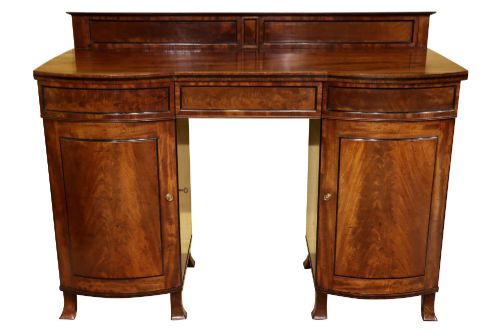
The versions most common on this page are constructed from mahogany and flame mahogany veneer, often featuring distinct pedestal cupboards flanking a central section. These servers reflect the changing formal dining habits of the nineteenth century.
Materials and construction
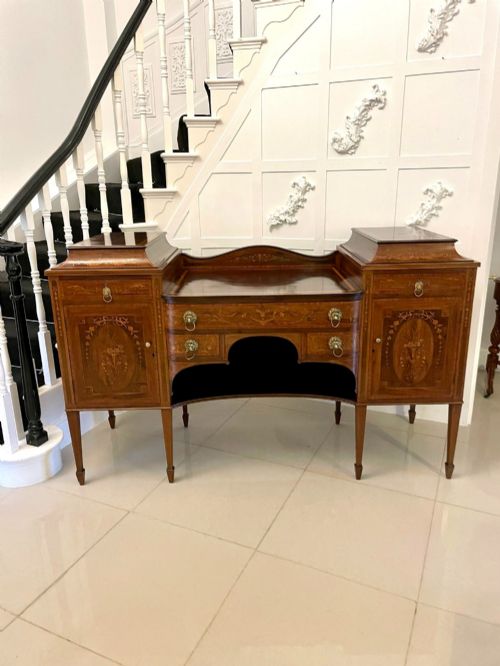
Cabinetmakers built these pieces primarily from solid mahogany and oak, applying figured flame mahogany veneer to large flat surfaces to create striking grain patterns. Selected pieces incorporate decorative stringing and inlay using contrasting timbers like satinwood and boxwood.
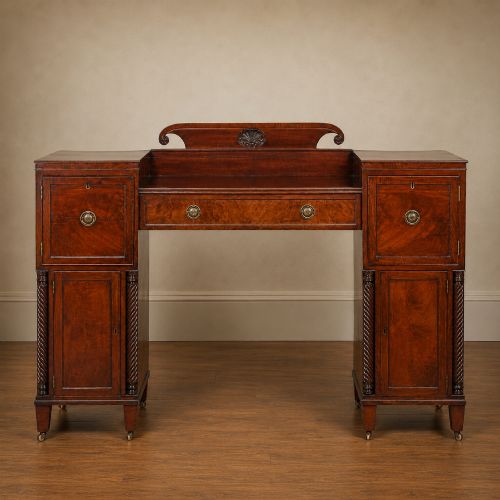
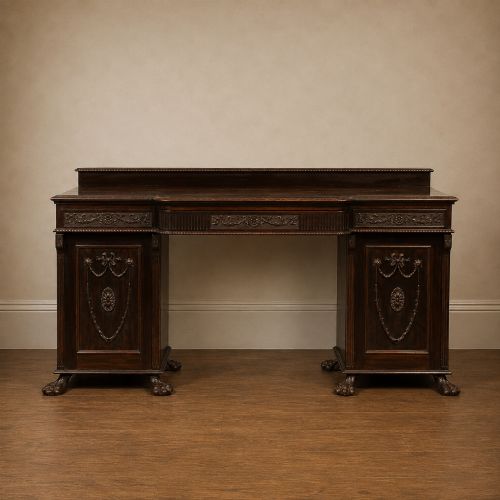
Hardware details such as brass galleries and handles provide functional accents to the heavy timber structures. Carved elements appear on specific styles, ranging from William IV scrollwork to Victorian Renaissance Revival motifs.
Listings feature timbers including mahogany, flame mahogany veneer, oak, satinwood, boxwood and brass.
What determines quality
Quality rests upon the choice of timber and the precision of the veneer work, where book-matched flame mahogany displays dramatic symmetry across the cupboard doors. Superior examples show careful attention to internal construction and secondary woods.
Proportion and decorative restraint separate finer workshop production from standard utility items of the period. Subtle details like finely executed brass galleries or crisp carving elevate a piece.
Hewetsons London·Epstein·Gillows
The Pedestal Dining Credenza Glossary
- Pedestal sideboard
- A large dining room cabinet featuring two distinct end pedestals flanking a central counter or serving space. These forms typically date from the Georgian and Regency periods.
- Flame mahogany veneer
- A thin slice of mahogany timber cut from the fork of the tree where branches meet the trunk, creating a characteristic flamy or feather-like grain pattern. Cabinetmakers used this to ornament prominent door fronts.
- Brass gallery
- A decorative metal railing mounted along the rear upper edge of a sideboard, designed to prevent serving dishes or glassware from sliding off. They appear frequently on Georgian and Regency dining furniture.
- Marquetry
- The art of applying decorative veneer pieces of different woods to a structure to form pictorial or geometric designs. This technique adds colour and pattern to the primary timber surface.
- Stage-back
- A raised stepped portion at the rear of a sideboard surface used for displaying plate and serving vessels. This arrangement gained popularity during the late Georgian and William IV periods.
Pedestal Dining Credenza: Frequently Asked Questions
What is a pedestal dining credenza used for?
These pieces served as functional dining room servers for storing silver, tableware and linens during large meals. The flat top surface also provided extra space for laying out food and drink.
Today, they function as substantial storage credenzas and focal points in large dining rooms or living spaces.
How do I identify a Regency pedestal sideboard?
Regency examples typically display clean architectural lines, architectural pedestals and striking flame mahogany veneers without heavy Victorian carving. They frequently incorporate brass galleries or restrained brass inlay.
Examining the secondary woods and construction methods inside the pedestals helps confirm the early nineteenth-century origin.
Are these pieces suitable for modern dining rooms?
Their substantial length and depth require ample wall space and high ceilings to sit comfortably within a modern room. They offer exceptional internal storage capacity for modern tableware.
Pairing them with a large extending dining table creates a balanced period dining arrangement.
What is the difference between Georgian and Victorian versions?
Georgian and Regency models tend to rely on elegant proportions, clean mahogany surfaces and subtle stringing. Victorian versions often introduce heavier carved decoration, mirror backs and darker oak or walnut timbers.
Both styles provide sturdy storage, but their decorative vocabulary reflects the changing tastes of their respective eras.