





Regency Country House Furniture
Regency country house furniture brings robust utility and refined proportion together in substantial tables, bookcases, and cabinets designed for historic English interiors.
Regency Country House Furniture
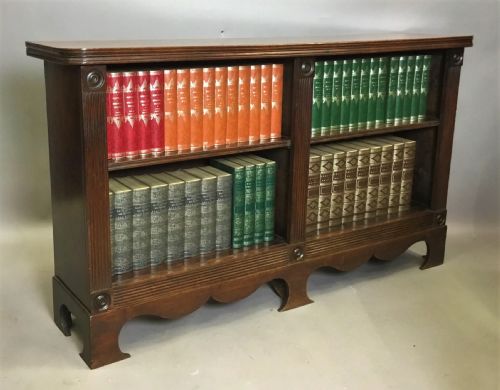
Regency country house furniture encompasses practical household furnishings designed for substantial English residences during the nineteenth century. Buyers searching this phrase encounter a variety of forms including extending dining tables, open bookcases, cupboards, and boot racks.
The pieces appearing on this page span the Georgian, Regency, and William IV periods, alongside later nineteenth century interpretations. They blend formal Regency design with the more utilitarian requirements of country house life.
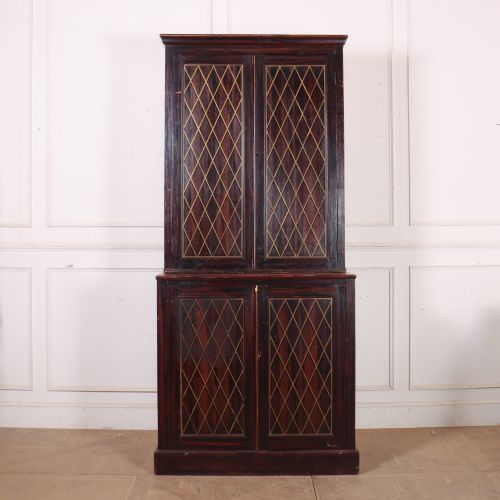
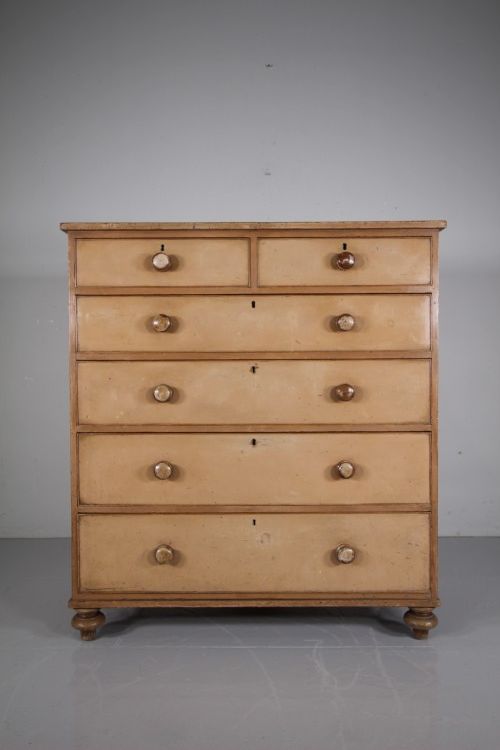
Forms range from occasional tables with leather tops to substantial mahogany corner cupboards and painted chests of drawers. Each item reflects the domestic routines of large period homes, combining display with robust everyday service.
How they were made
Makers relied heavily on solid mahogany and pine, often utilising brass fittings and leather inserts to finish surfaces. Paint was frequently applied to secondary timbers, yielding durable surfaces seen on country house cupboards and chests.
Construction techniques prioritized strength and daily utility, visible in extending dining mechanisms, robust corner cupboards, and specialised boot racks. Artisans also incorporated gold leaf and gilt details to elevate specific reception pieces above ordinary utility.
Listings feature four primary wood and surface materials: mahogany, pine, paint, and gold leaf.
What varies in quality
Quality reveals itself in the selection of timber, such as well-figured mahogany, and the preservation of original paint finishes rather than later decoration. Superior examples maintain structural integrity across complex forms like extending tables and Gothic bookcases.
The refinement of brass hardware and the crispness of secondary carving distinguish utilitarian items from more ambitious commission work. Original provenance and untouched surface patination elevate individual pieces within this tradition.
The Regency Country House Furniture Glossary
- Mahogany
- A dense, dark timber imported from tropical regions, frequently utilised for fine cabinet making throughout the Georgian and Regency periods. Its stability made it the preferred material for dining tables and bookcases.
- Canterbury
- A low stand featuring slatted partitions, originally designed to hold sheet music or folios beside a desk or armchair. In country houses, these racks frequently served to organise newspapers and periodicals.
- Gothic Revival
- An architectural and decorative style drawing inspiration from medieval design, characterised by pointed arches and vertical emphasis. This aesthetic appears on bookcases and occasional furniture from the nineteenth century.
- William IV
- A transitional design period spanning the 1830s, marked by heavy proportions and robust classical detailing following the Regency era. Furniture from this time often employs substantial mahogany timbers.
- Provenance
- The documented history of ownership or origin attached to an antique piece, confirming its authenticity and past location. Provenanced items offer clear insight into their country house context.
Regency Country House Furniture: Frequently Asked Questions
What defines country house furniture?
Country house furniture comprises sturdy yet refined pieces commissioned for large English estates during the Georgian and nineteenth century eras. These items balanced domestic utility with formal presentation.
They include extending dining tables, boot racks, and bookcases designed to withstand active household use while maintaining appropriate stylistic proportions.
How do I identify a Regency period piece?
Regency items typically display classical restraint, balanced proportions, and dark timbers such as mahogany enhanced by brass or gilt details. The style draws heavily upon ancient Greek and Roman motifs.
Pieces from this era often feature clean lines without the heavy ornamentation found in later Victorian furniture.
Where were these pieces used?
These furnishings filled various rooms across large country residences, from formal dining spaces and libraries to boot rooms and sitting rooms. Specific items like corner cupboards and sideboards served functional storage roles.
Others, such as occasional tables and button-back settees, provided comfortable seating and surface space in private family quarters.
How should I care for painted country furniture?
Painted surfaces require gentle dusting with a dry or barely damp cloth to preserve original layers without moisture damage. Avoid harsh chemical cleaners that might strip historic finishes.
Maintaining stable room humidity prevents the underlying pine or secondary timbers from warping or cracking beneath the paint.