




Pedestal Cream Jug
These pedestal cream jugs bring genuine Georgian and Victorian silver, porcelain, and glass craftsmanship straight to the table.
Pedestal Cream Jug
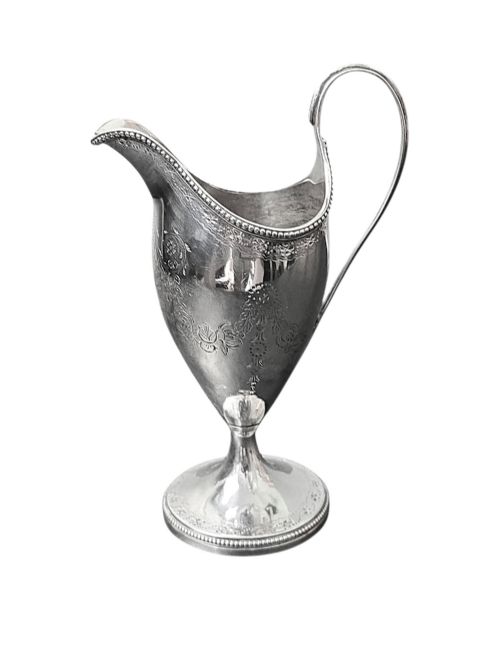
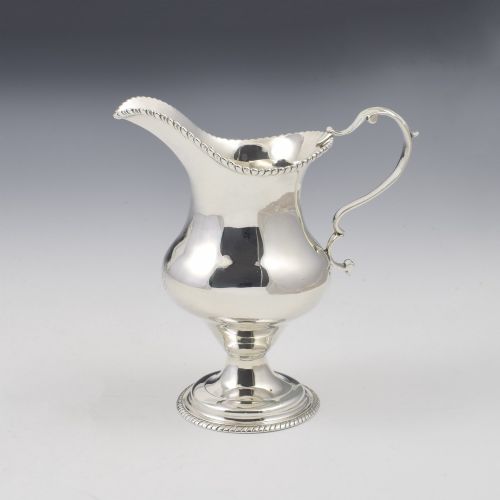
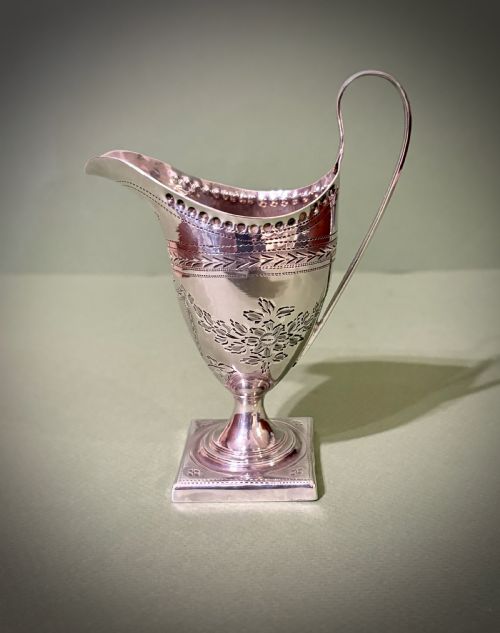
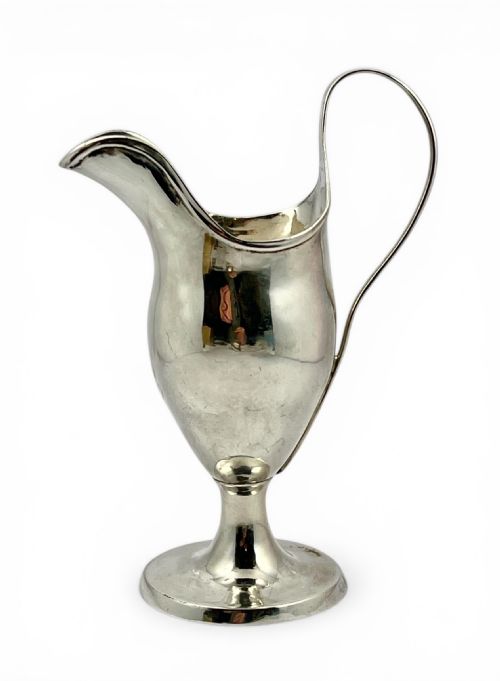
A pedestal cream jug is a small serving vessel raised on a distinct foot or base, designed for pouring cream during tea and dining service. When you search for a pedestal cream jug, you encounter forms ranging from helmet-shaped bodies to spiral fluted designs and decorative ewers.
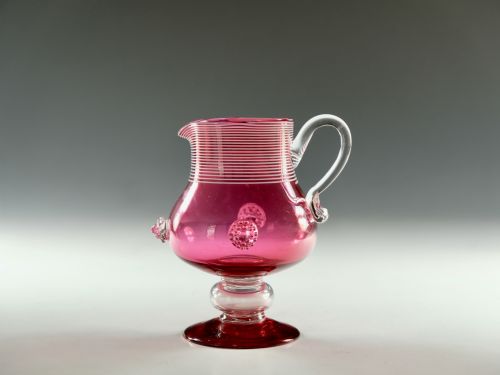
The examples seen here span from the eighteenth century through the Georgian and Victorian eras up to the early twentieth century. Sterling silver dominates the selection, alongside porcelain pieces from makers like New Hall and Royal Worcester, plus cranberry glass and enamel.
How they were made
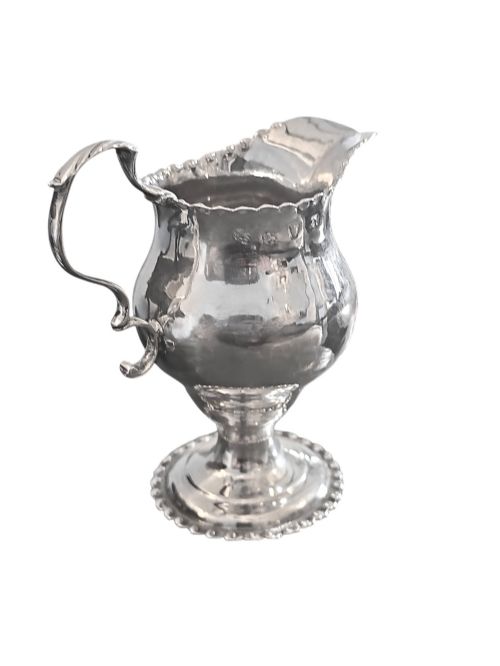
Silversmiths shaped sterling silver through hammering, raising, and embossing, often mounting the body onto a cast pedestal foot. Many of these pieces incorporate crisp hallmarks stamped directly into the metal to record the year, city, and maker.
Porcelain and glass versions rely on moulding, hand-painting, and gilding to achieve their decorative finishes. Artisans applied enamel highlights and delicate gilt borders by hand before firing the ceramics in kilns.
Pedestal Cream Jug Retail Price Guide 2026
Typical asking prices for pedestal cream jug among the pieces listed under this phrase on Sellingantiques today, from the lower quarter to the upper quarter. They describe what is for sale here now, not the wider market.
Geographic variety spans provincial Scottish silver from Aberdeen alongside pieces assayed in London and Newcastle.
What varies in quality
The distinction between ordinary and exceptional work lies in the crispness of the chasing, the balance of the pedestal foot, and the weight of the metal or ceramic body. Early eighteenth-century examples exhibit sharper hand-embossing and more substantial gauge silver than later mass-produced variations.
The clarity of makers' marks and town punches greatly influences desirability among collectors. Furthermore, the preservation of original gilding and enamel work determines whether a piece retains its intended decorative impact.
Stalker & Mitchison·James Gordon·Robert Pringle & Sons·Royal Worcester·Samuel Smith & Co.
The Pedestal Cream Jug Glossary
- Hallmark
- Official stamps applied to precious metals indicating the standard of purity, the assay office, the maker, and the year of production. These marks provide the definitive paper trail for dating antique silver.
- Ewer
- A large jug with a wide spout and a curved handle, often ornamental in domestic settings. Ewers share a similar elevated form to pedestal cream jugs but typically serve decorative purposes.
- Embossing
- A metalworking technique where the design is raised from the reverse side by hammering to create a three-dimensional relief. This method adds rich texture to Georgian and Victorian silver bodies.
- Gilding
- The application of a thin layer of gold leaf or gold powder to the surface of silver, porcelain, or glass. It provides a warm contrast against the polished metal or white ceramic body.
- Sterling silver
- An alloy consisting of ninety-two point five percent silver and seven point five percent other metals, usually copper. This standard ensures sufficient durability for daily utility while maintaining a bright lustre.
Pedestal Cream Jug: Frequently Asked Questions
Are porcelain pedestal cream jugs safe to use?
While eighteenth-century and Victorian porcelain cream jugs remain structurally sound, hand-painted glazes and early gilding are vulnerable to modern detergents. Hand washing in lukewarm water with gentle soap is essential for preservation.
Thermal shock from boiling liquids can crack fragile antique ceramic bodies, so they suit cold cream service rather than hot beverages.
How can I date a silver pedestal cream jug?
The most reliable method involves reading the stamped hallmarks, which include a date letter corresponding to the exact year and assay office. Monarch profile stamps also help narrow down the production period.
Stylistic shifts, such as the transition from plain helmet shapes in the eighteenth century to spiral fluting in the Victorian era, offer additional chronological clues.
What is the difference between a milk jug and a cream jug?
Milk jugs are generally larger and designed to hold a greater volume for larger gatherings, whereas cream jugs tend to be smaller and more compact. Both share similar pedestal bases and pouring spouts in antique tableware sets.
In eighteenth and nineteenth-century terminology, the terms were sometimes used interchangeably depending on regional dining customs.