

Patterned Persian Carpet
A patterned persian carpet brings tactile depth and rich heritage to a room, offering enduring floor coverings shaped by traditional weaving practices.
Patterned Persian Carpet
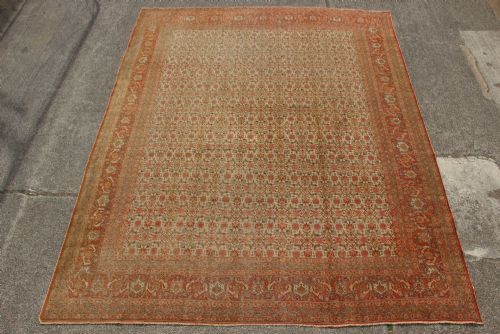
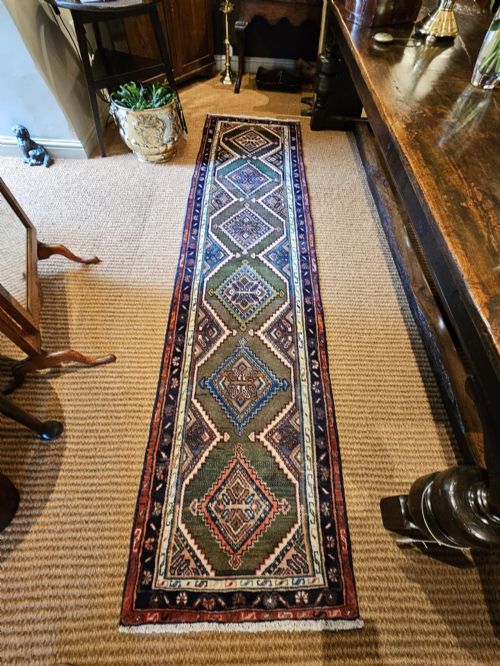
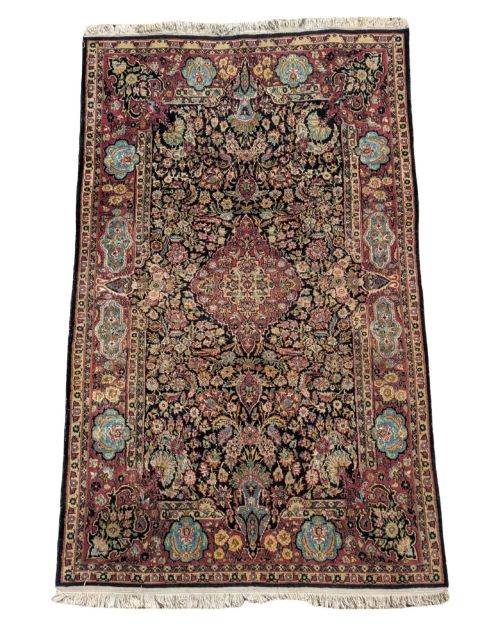
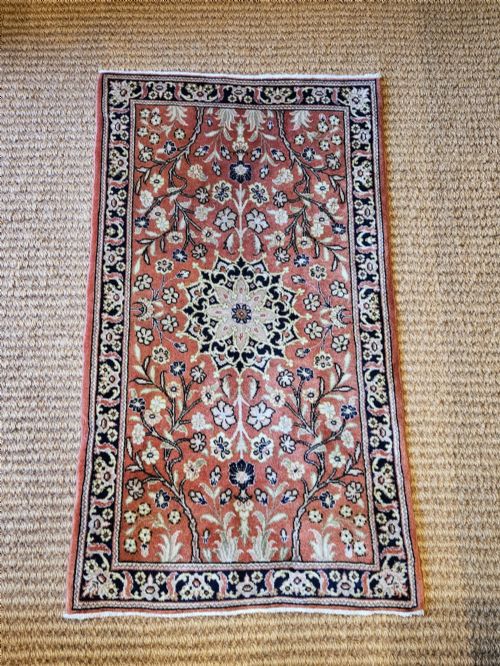
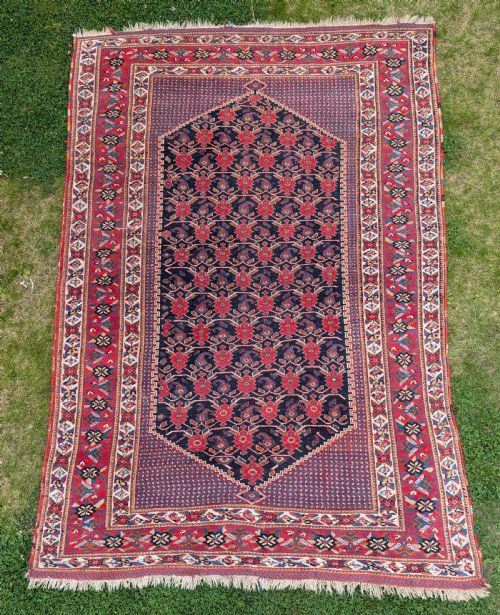
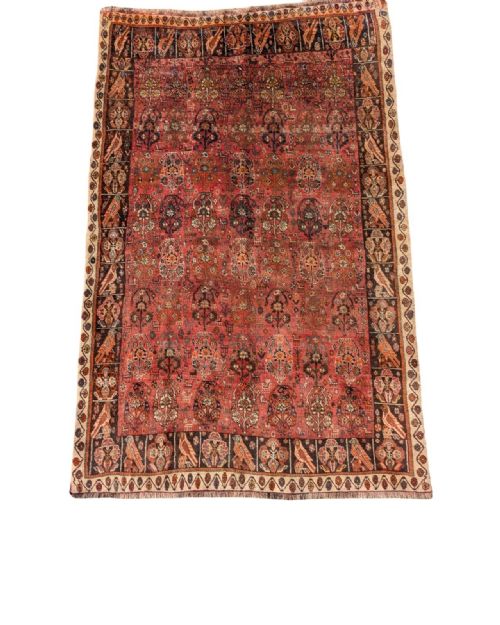
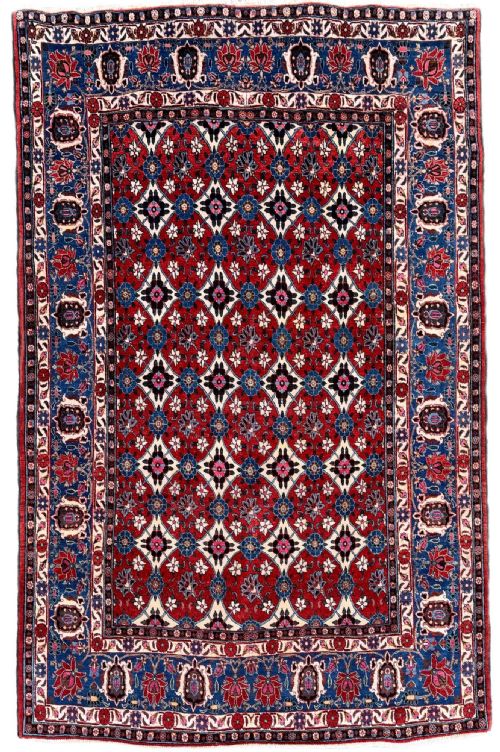
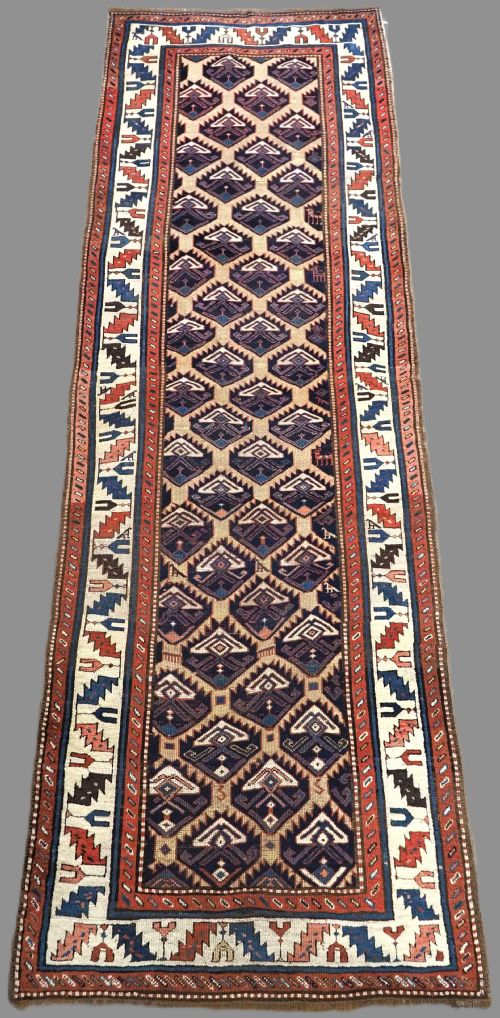
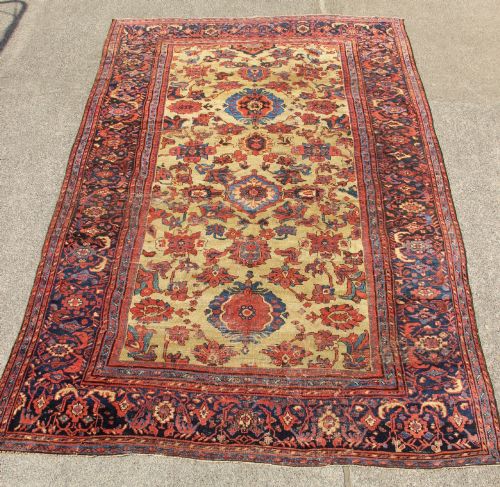
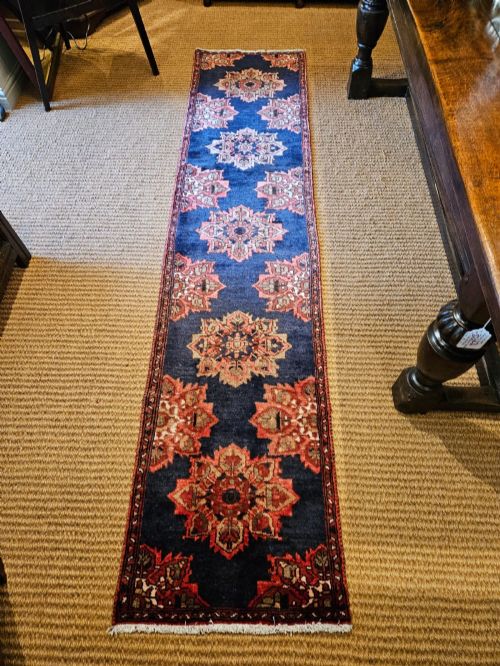
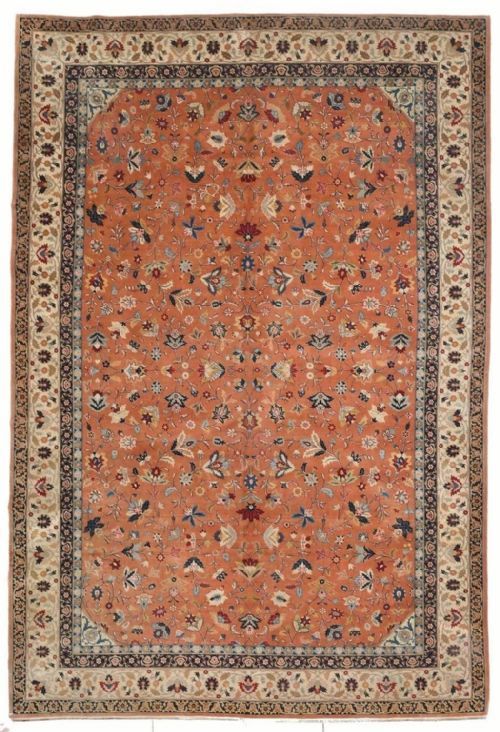
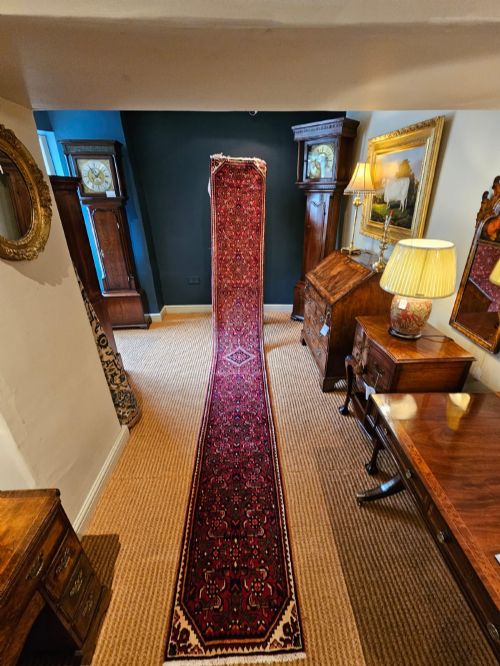
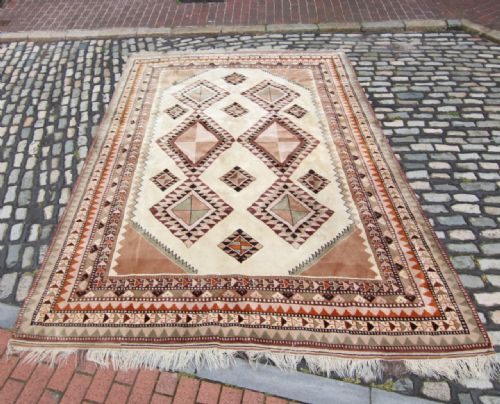
A patterned persian carpet encompasses hand-knotted floor coverings originating from various regions, cities, and nomadic tribes across Persia. When exploring this category, buyers encounter diverse formats ranging from large drawing-room carpets to narrow hallway runners.
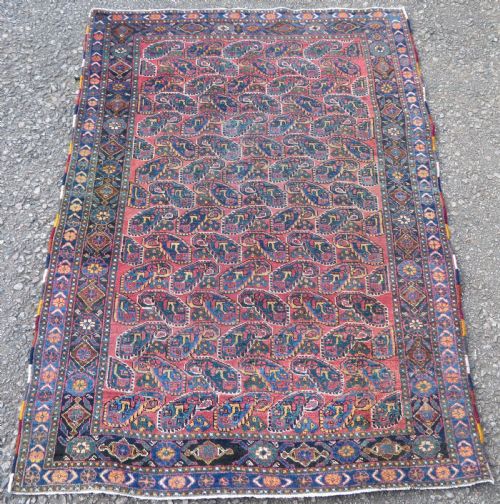
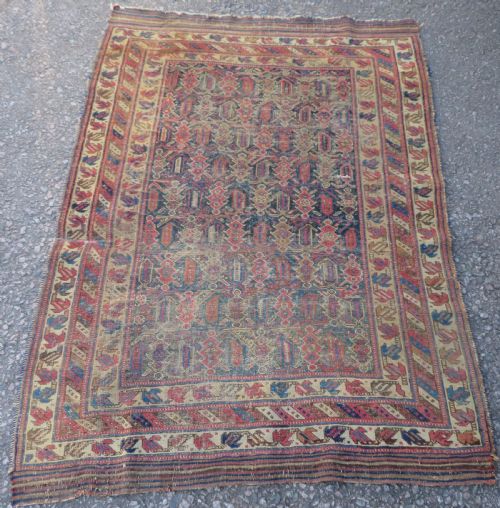
The selections span distinct periods, including late nineteenth-century examples and early twentieth-century pieces, reflecting traditional designs such as all-over boteh motifs and geometric lattice patterns. Tribal and town pieces alike provide distinct aesthetic markers rooted in their specific geographical provenance.
Materials and construction
These textiles rely predominantly on natural fibres, with hand-spun wool utilised for durable pile construction alongside cotton foundations for warps and wefts. Certain finer examples incorporate silk highlights to accentuate specific details within the overall design.
Construction involves meticulous hand-knotting techniques executed on vertical or horizontal looms, binding the pile securely to the foundation threads. This labour-intensive process creates dense, resilient floor coverings capable of enduring decades of daily use.
Some antique runners arrive with delightfully crooked borders, proving that human hands guided every knot.
Assessing quality
Quality rests upon knot density and the precision of execution, where tighter knots allow for sharper definition within intricate floral or geometric schemes. The grade of wool utilised also plays a role, with hand-spun varieties offering superior sheen and lanolin retention.
Another factor is the complexity and harmony of the natural or traditional dye palette, which retains depth and character as the pile ages. Consistency in the weave and structural integrity across the length of the carpet separate standard utilitarian pieces from exceptional examples.
The Patterned Persian Carpet Glossary
- Knot density
- The number of individual knots per square inch or centimetre in a rug. Higher counts generally permit more intricate and curvilinear patterns.
- Warp
- The vertical foundation threads stretched tightly on the loom before knotting begins. The fringe of a finished carpet is formed by these exposed ends.
- Weft
- The horizontal threads passed back and forth between warp threads to secure the rows of knots. They provide structural stability across the width of the textile.
- Boteh
- A stylised almond or paisley motif with a curved upper end, frequently repeated across fields and borders. This ancient Persian symbol represents life and eternity.
- Kelleh
- A long, narrow format of Persian carpet traditionally used in specific room layouts. It proportions differ from standard area rugs by being significantly longer than they are wide.
Patterned Persian Carpet: Frequently Asked Questions
How do I clean a antique carpet?
Regular gentle vacuuming without a beater bar removes loose grit before it settles into the wool foundation. Professional specialist washing remains essential for deep cleaning to protect natural dyes.
Water exposure should be managed carefully to prevent dye migration or shrinkage in cotton warps. Quick action on spills by blotting rather than rubbing preserves the fibre integrity.
Can I place a runner in a hallway?
Narrow formats and long proportions suit hallways and corridors perfectly, adding warmth and colour to transitional spaces. Underlay helps prevent slipping and cushions the wool pile against heavy foot traffic.
Rotating the placement periodically ensures even wear across the length of the runner. This practice prevents localized thinning in high-traffic zones.
What is tribal design?
Tribal designs originate from nomadic or village weavers working from memory rather than formal workshop cartoons. These patterns often feature bold geometric motifs, stylised animals, and vibrant, saturated colour palettes.
Such pieces reflect the distinct cultural heritage of specific groups like the Afshar, Kashgai, or Kurdish weavers. Their spontaneous artistry contrasts with the formal symmetry found in city carpets.
How do I identify regional styles?
Regional attribution relies on examining specific motifs, border arrangements, and colour combinations characteristic of specific weaving centres or tribes. For instance, Heriz carpets often display bold geometric medallion structures, while Kashan pieces favour refined floral compositions.
Examining the knotting style and choice of foundation materials provides further clues to provenance. Comparing structural details helps distinguish village work from urban workshop production.