




Patterned Hallway Runner
A patterned hallway runner grounds an interior with linear perspective and centuries of woven storytelling.
Patterned Hallway Runner
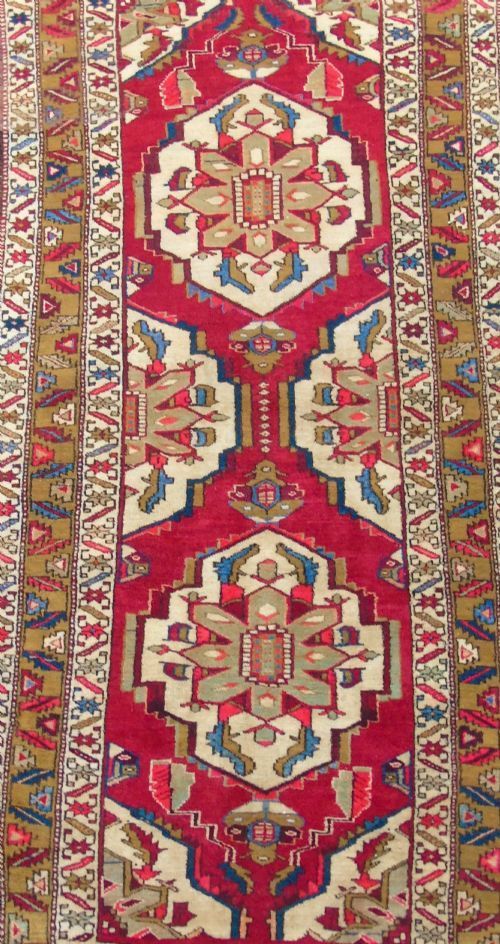
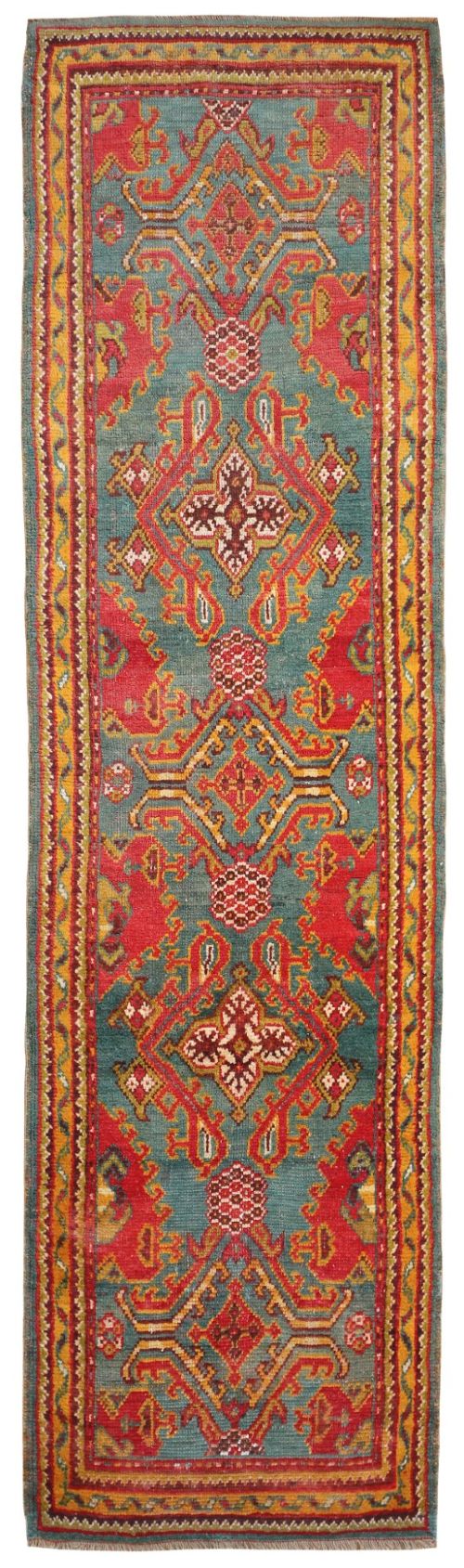
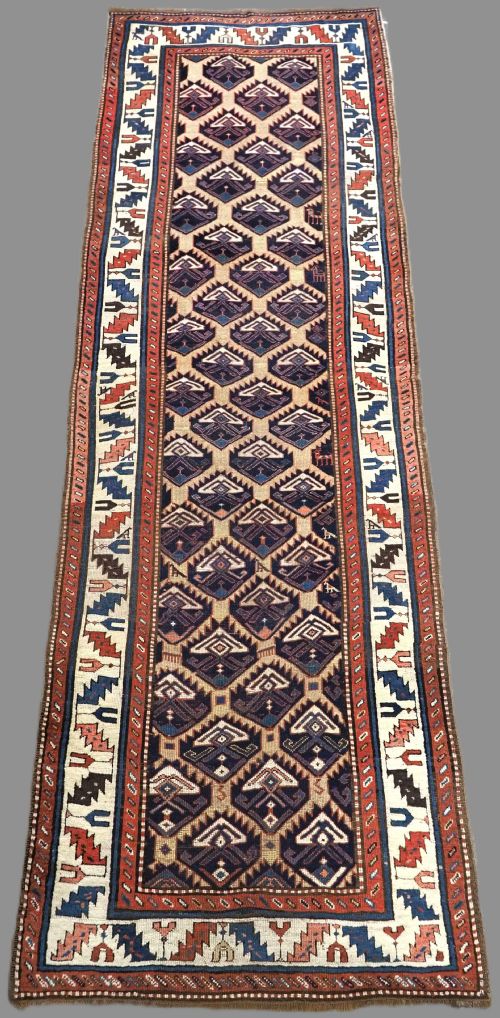
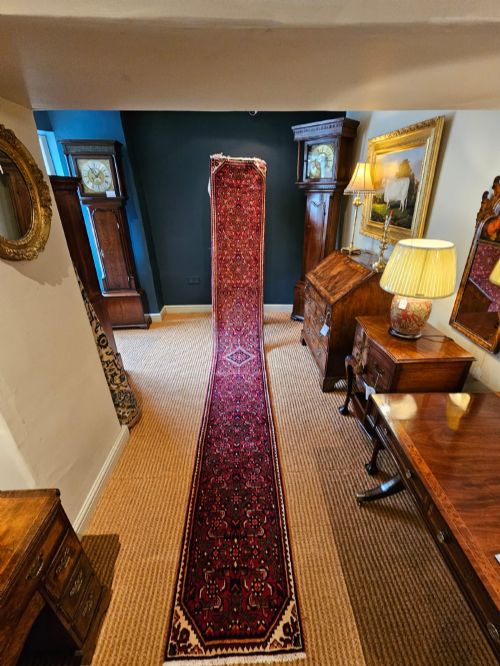
A patterned hallway runner spans long, narrow floor spaces with repeating motifs, geometric borders, and tribal iconography. These textiles originate from diverse regions including Persia, the Caucasus, Anatolia, and North Africa, fashioned specifically to bridge domestic corridors and galleries.
The selections available here range from nineteenth-century village weaves to twentieth-century workshop productions. Buyers most frequently encounter formats featuring traditional Persian patterns, Caucasian tribal medallions, and long Kurdish or Heriz village carpets.
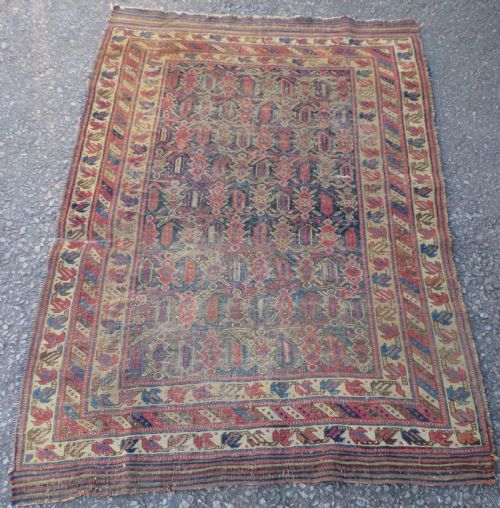
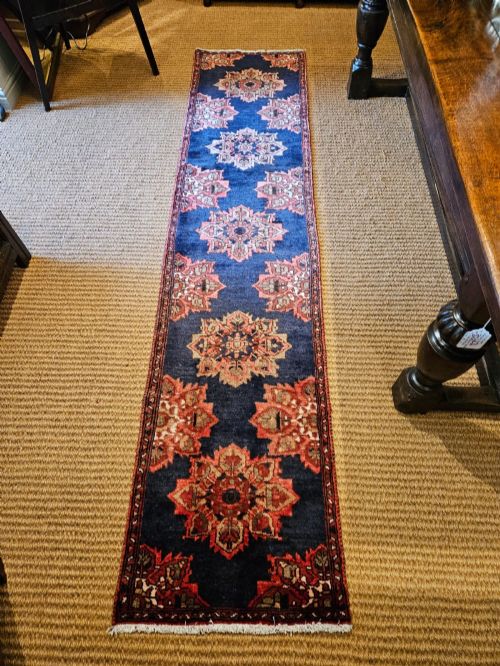
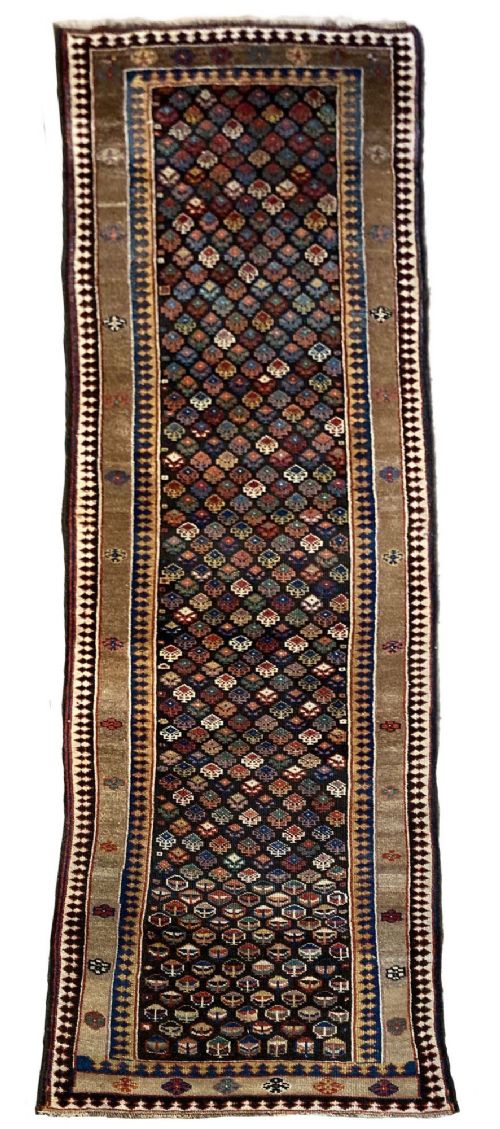
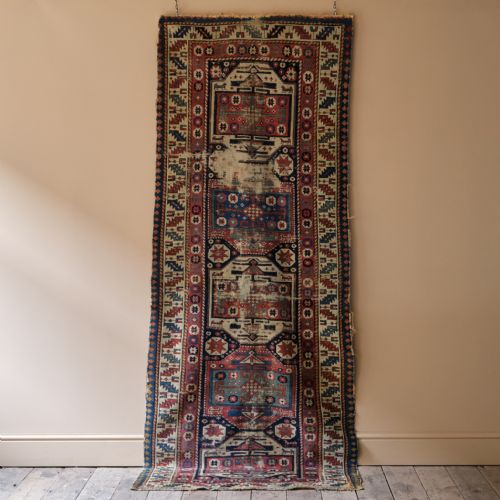
Makers utilised specific structural layouts to guide the eye down narrow expanses. Runners often deploy central medallions, repeating boteh motifs, or all-over shrub patterns that impart rhythm and direction to an otherwise empty passage.
How They Were Made
The physical construction of these pieces relies heavily on wool, cotton foundations, and hand-spun materials knotted by village and nomad weavers. Artisans employed natural dyes derived from plants and minerals to achieve lasting saturation across navy blues, olive greens, and earthy tones.
Weavers knotted the pile tightly onto warps and wefts to withstand generations of heavy foot traffic in domestic corridors. Many examples reflect traditional hand-knotted techniques passed down through specific tribal workshops and regional rug-making families.
Patterned Hallway Runner Retail Price Guide 2026
Typical asking prices for patterned hallway runner among the pieces listed under this phrase on Sellingantiques today, from the lower quarter to the upper quarter. They describe what is for sale here now, not the wider market.
What Varies in Quality
Quality rests in the precision of the knotting, the depth and stability of the natural dyes, and the integrity of the foundation. Finer examples display tight knot counts that preserve intricate botanical and geometric details over decades of use.
The vitality of the colour palette distinguishes superior village and tribal pieces from standard productions. Age-related wear on a hand-spun wool pile can add character, provided the underlying structure remains sound and evenly balanced.
The Patterned Hallway Runner Glossary
- Boteh
- A stylised almond or pear-shaped motif representing a leaf, seed, or flame. This ancient symbol appears frequently across Persian and Caucasian runner designs.
- Kelim
- A flat-woven textile produced without a pile. These pieces utilise interlocking weft techniques to create crisp, geometric surface patterns.
- Medallion
- A central ornamental design element placed in the field of a rug. It anchors the symmetrical composition of tribal and workshop carpets.
- Warp
- The vertical threads stretched tightly on a loom before weaving begins. The pile is knotted directly onto these foundational strands.
- Weft
- The horizontal threads passed alternately over and under warp threads to secure the knots. They provide structural rigidity to the finished runner.
Patterned Hallway Runner: Frequently Asked Questions
How do I choose the right length for a hallway?
Measure the clear floor space of your corridor, leaving a margin of exposed wood or tile around the edges. Long narrow formats work best when they follow the central axis without blocking doors.
Account for door clearance and ensure the pile thickness permits smooth swinging at entry points.
Are these runners suitable for high-traffic areas?
Traditional village and tribal runners were constructed from durable wool specifically to endure heavy daily use. Their dense hand-knotted piles naturally resist dirt and compression in busy corridors.
Pairing the textile with a quality underlay prevents slipping and cushions the fibres against hard subfloors.
How can I distinguish a tribal design from a workshop piece?
Tribal rugs typically exhibit geometric motifs, spontaneous colour variations, and asymmetrical village characteristics. Workshop productions often feature precise botanical curves, formal medallion layouts, and balanced symmetry.
Examining the regularity of the weave helps reveal whether a piece originated from a nomadic camp or an established weaving centre.
What is the best way to care for an antique wool runner?
Regular gentle vacuuming without a rotating brush roll prevents dust accumulation in the wool pile. Professional hand-washing maintains the integrity of natural dyes and foundational fibres.
Rotate the textile periodically to distribute foot traffic and sun exposure evenly across the surface.