


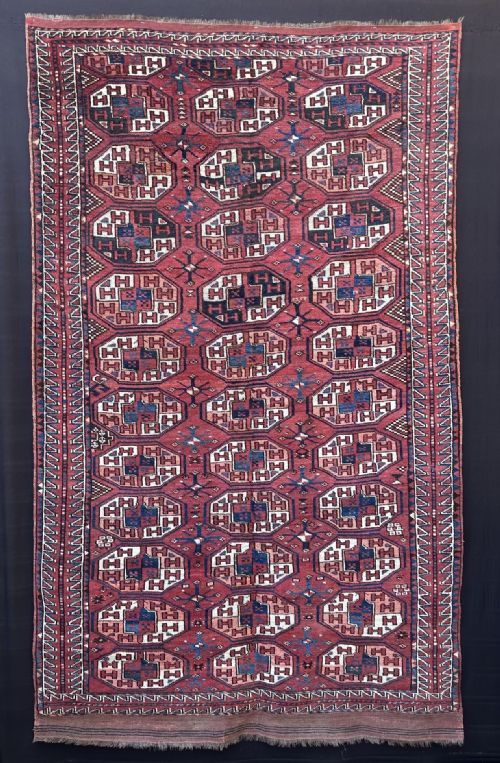
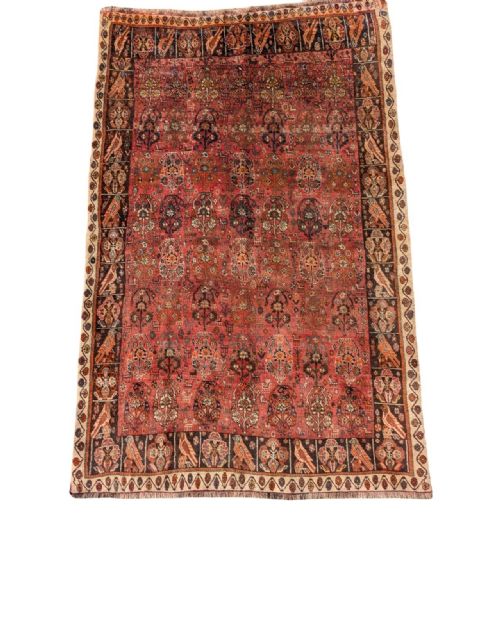
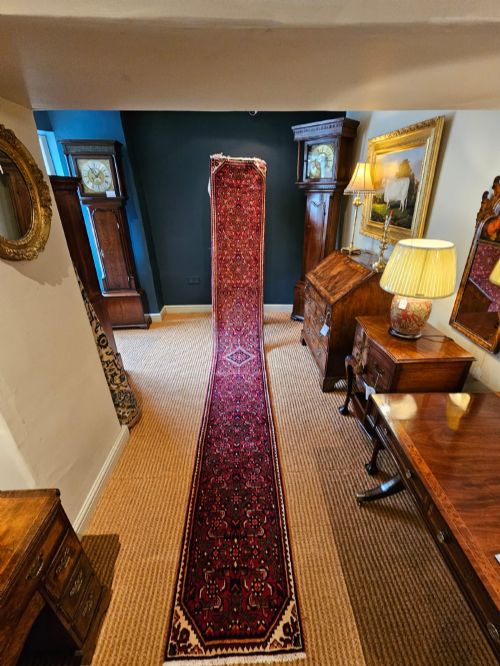
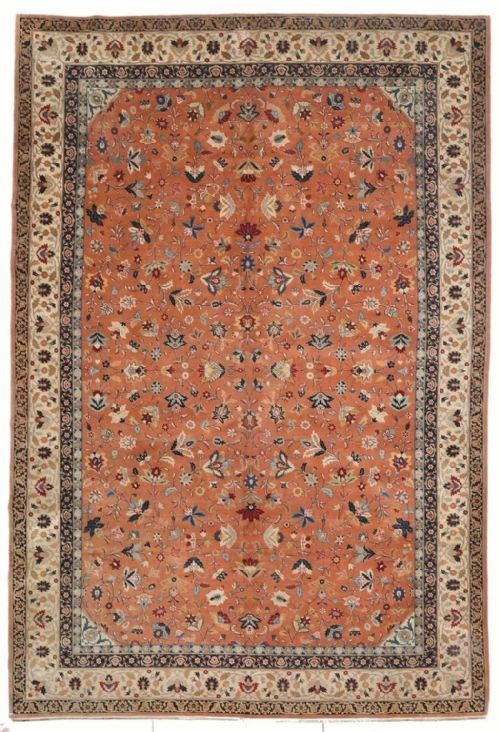
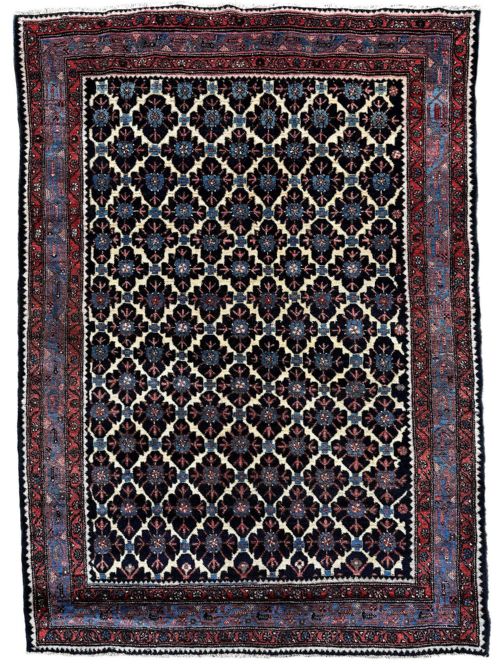

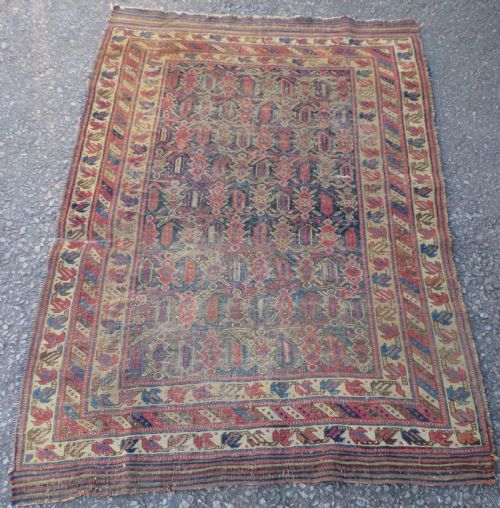

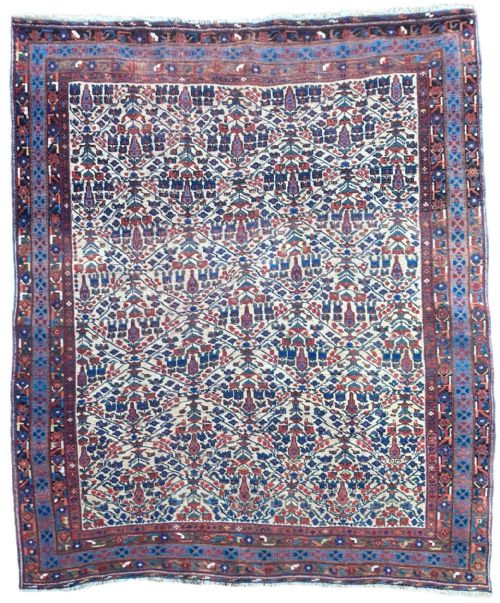

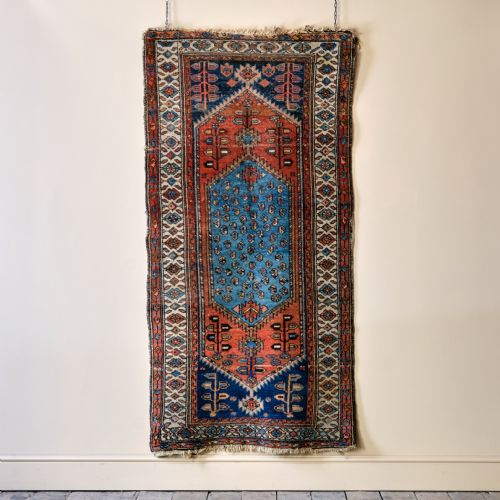
Patterned Floor Runner
These patterned floor runner pieces bring centuries of tribal and regional weaving traditions straight to narrow corridors.
Patterned Floor Runner
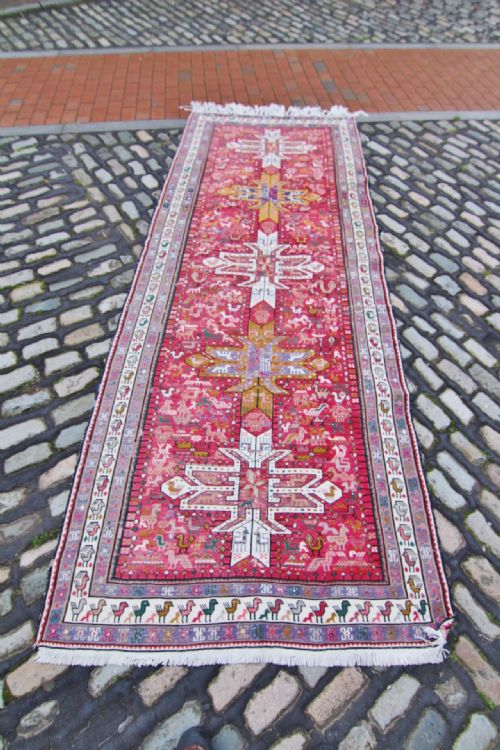
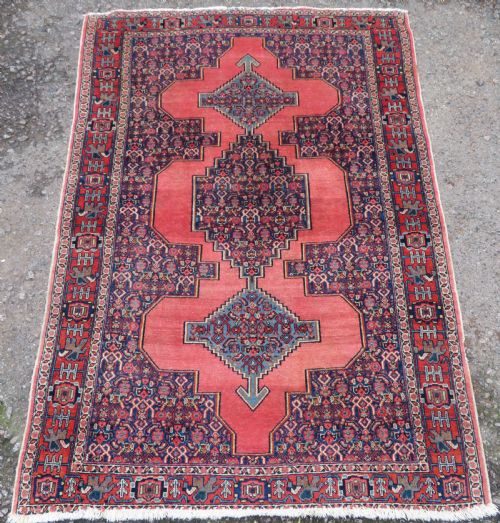
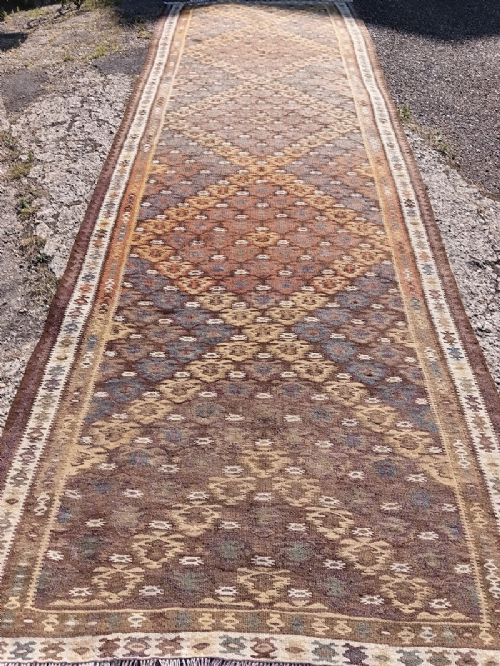
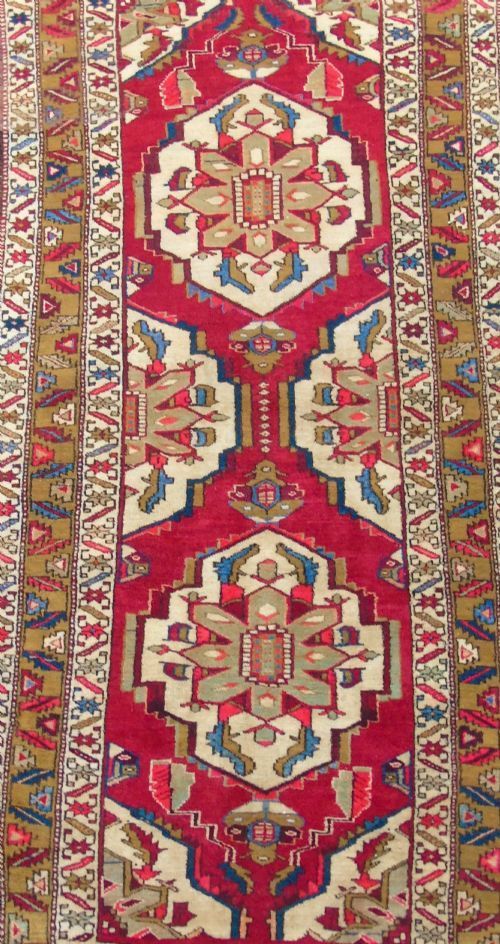
A patterned floor runner provides a long, narrow textile surface suited for hallways and corridors. These pieces originate primarily from Persian, Caucasian, Central Asian, and Anatolian workshops and tribal groups.
The selections span the late nineteenth and early twentieth centuries, encompassing traditional styles such as Heriz, Senneh, and tribal village weaves. Buyers encounter elongated formats designed specifically to anchor linear architectural spaces.
Materials and construction methods
Weavers utilised natural materials including hand-spun wool and cotton foundations, combined frequently with natural dyes to achieve rich, enduring colour palettes. Certain pieces incorporate art silk or mercerised cotton highlights.
The manufacturing relies on traditional hand-knotting and flat-weave kilim techniques. These methods create dense piles and flat surfaces capable of withstanding heavy foot traffic.
Patterned Floor Runner Retail Price Guide 2026
Typical asking prices for patterned floor runner among the pieces listed under this phrase on Sellingantiques today, from the lower quarter to the upper quarter. They describe what is for sale here now, not the wider market.
Nomadic weavers occasionally incorporated intentional minor errors in symmetry, believing perfection belonged solely to the divine.
Markers of distinction
Quality rests in the precision of the knotting and the complexity of the design geometry. Tighter foundations and more intricate tribal motifs separate finer village and workshop production from simpler village utility pieces.
The depth and permanence of the natural dye palette also determine distinction. Older dyes yield harmonious patination that changes subtly across the surface of the textile.
The Patterned Floor Runner Glossary
- Runner
- A long, narrow carpet format designed for hallways, staircases, and corridors. These pieces guide movement through domestic spaces.
- Kilim
- A flat-woven carpet or rug produced without a pile by tightly interweaving warp and weft strands. This technique creates a lightweight, reversible textile.
- Natural Dyes
- Colourants derived from plants, insects, and minerals rather than synthetic compounds. These substances create softer, more complex hues that age gracefully.
- Hand-Knotted
- A construction method where individual strands of wool or cotton are tied by hand onto a warp foundation. This process requires considerable time and skill from the weaver.
Patterned Floor Runner: Frequently Asked Questions
Where should a runner go?
These long textile pieces fit naturally into hallways, entryways, and narrow corridors where traditional square rugs fail to work. They soften hard flooring and guide movement through architectural spaces.
Position them in areas with moderate foot traffic to ensure the wool pile and natural foundations remain protected over decades of daily use.
How do I clean an antique runner?
Gentle surface brushing and careful vacuuming without a rotating power brush remove loose dirt and dust from the wool fibres. Professional textile cleaning is necessary for deep washing to prevent dye migration.
Avoid chemical detergents and excessive moisture, which compromise natural wool and cotton foundations.
Are these pieces truly old?
The inventory spans the nineteenth and early twentieth centuries, originating from traditional weaving centres across Persia, Central Asia, and the Caucasus. Stylistic motifs and natural dye characteristics help date each textile accurately.
Makers utilised traditional hand-spinning and knotting methods long before industrial carpet production became dominant.
Do runner designs repeat?
Tribal and village weavers rarely produced identical pieces, relying instead on generational geometric motifs, medallion layouts, and shrub designs. Each textile reflects the specific regional traditions of its maker.
Even within recognised styles like Heriz or Senneh, individual variations in border patterns and colour saturation ensure distinct character.