





Patterned Crystal Glasses
Patterned crystal glasses bring weight and clarity to the table, and these pieces span the nineteenth and twentieth centuries.
Patterned Crystal Glasses
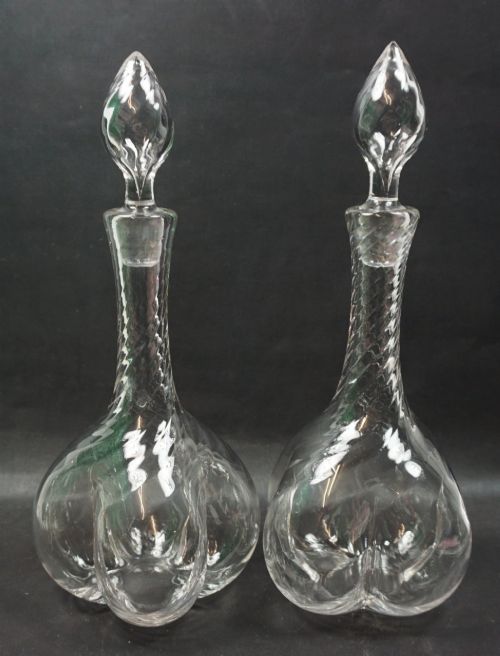
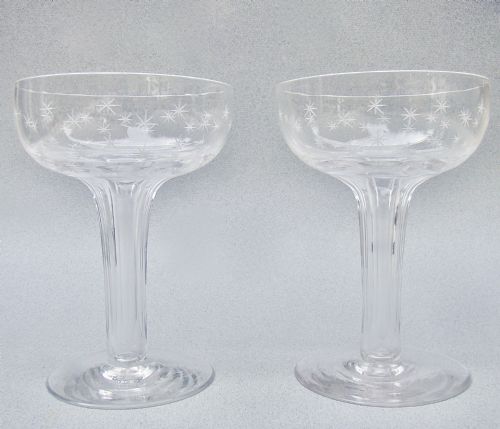
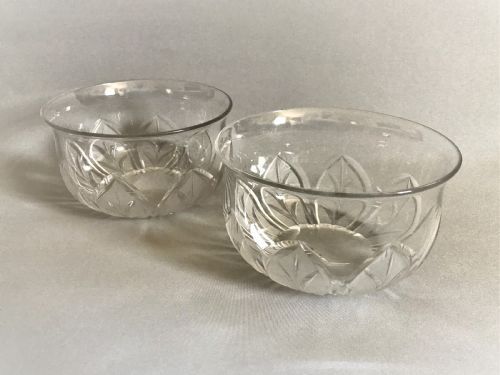
When you search for patterned crystal glasses, you encounter a diverse array of drinking vessels, vases, and tableware from periods ranging from the Regency era through to the mid-twentieth century. The selection encompasses matching sets of wine and champagne glasses, individual decanters, and decorative finger bowls.
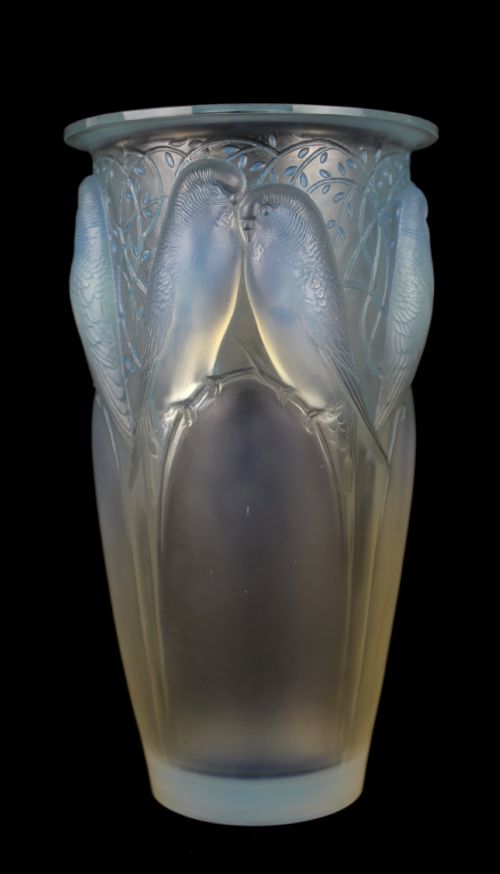
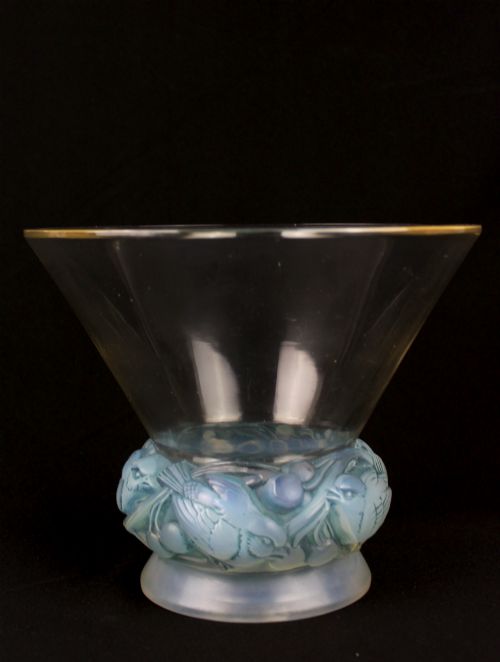
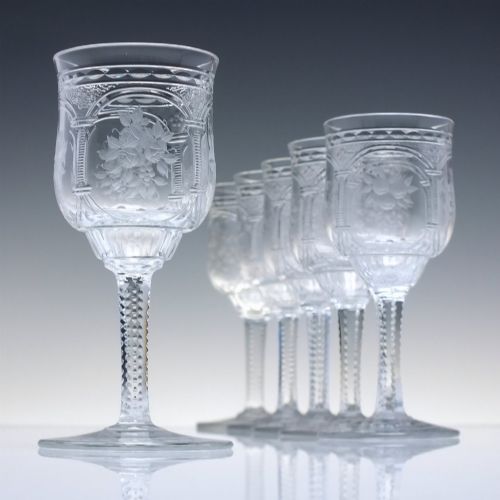
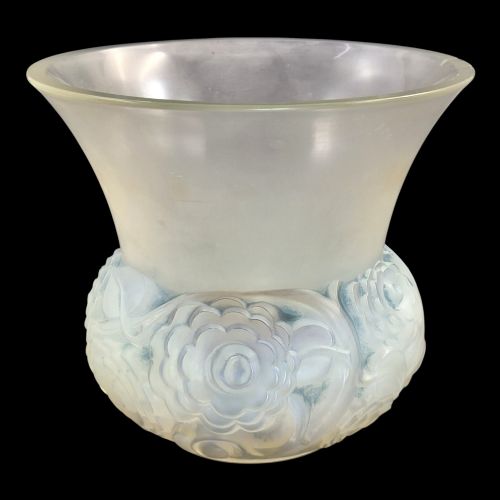
The most common forms on this page include stemware such as hock and liqueur glasses, alongside decorative vessels in cut, frosted, and opalescent glass. These objects reflect the changing domestic habits and aesthetic movements of their respective decades, from Victorian etching to Art Deco moulded designs.
How they were made
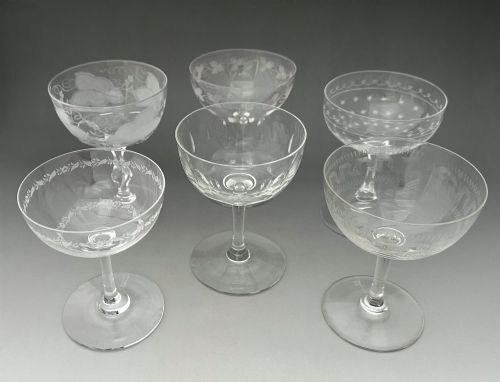
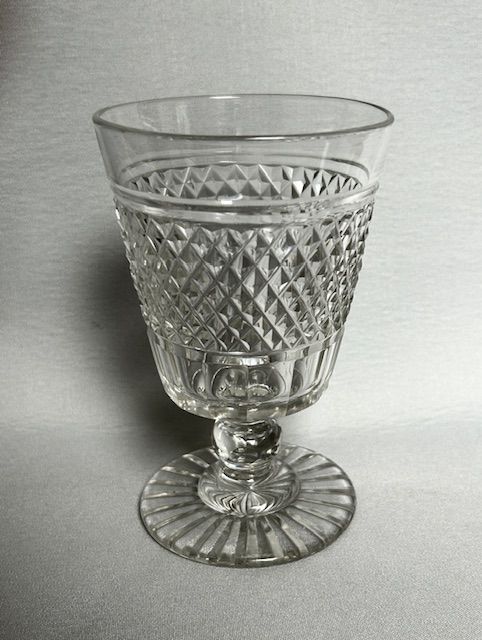
Makers utilised lead crystal and standard glass, applying techniques such as wheel-cutting, moulding, and acid-frosting to achieve surface texture and pattern. Etching and enamel decoration frequently appear on nineteenth and early twentieth-century pieces, adding linear detail or colour to the clear material.
Gilt metal mounts and overlay techniques further distinguish certain items, combining metalwork with heavy crystal forms. Moulding allowed for high-relief motifs, particularly seen in twentieth-century opalescent and clear vessels.
Patterned Crystal Glasses Retail Price Guide 2026
Typical asking prices for patterned crystal glasses among the pieces listed under this phrase on Sellingantiques today, from the lower quarter to the upper quarter. They describe what is for sale here now, not the wider market.
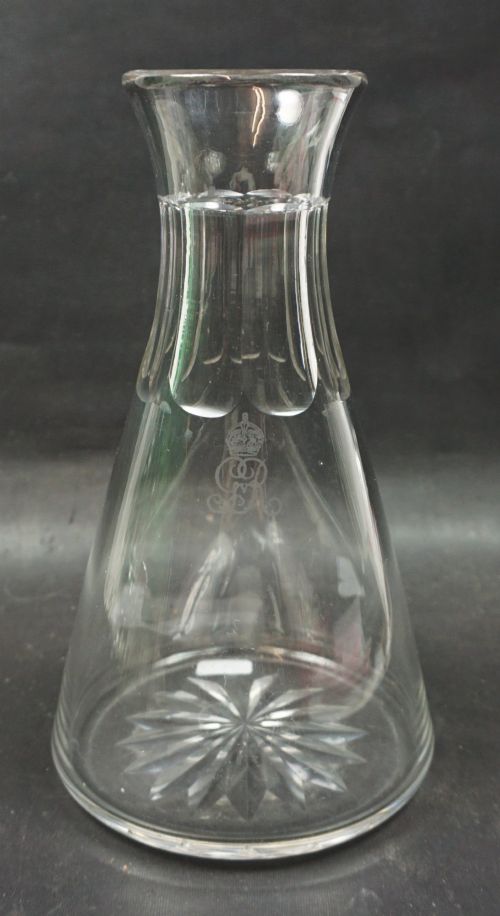
A royal monogram on a carafe records a thirst fit for a king, proving that even everyday hydration had its protocol.
What varies in quality
The precision of the cutting and the crispness of the moulded or etched detail determine the refinement of a piece. Sharper facets and deeper wheel-engraving separate standard production from finer workmanship.
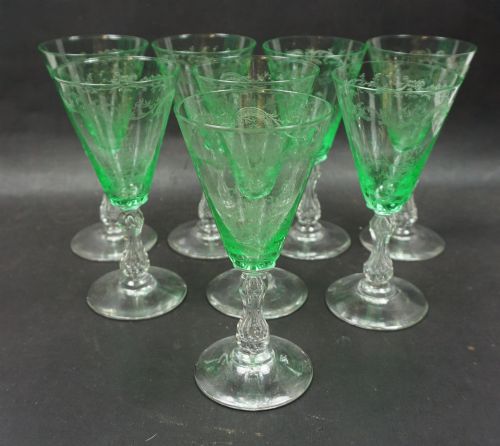
The purity and weight of the crystal, alongside the balance of stemware and the consistency of colour in tinted or uranium glass, indicate the standard of the workshop that produced them.
St. Louis·René Lalique·Royal Yacht·Walsh & Walsh·James Powell·Baccarat·Theresienthal
The Patterned Crystal Glasses Glossary
- Lead crystal
- Glass containing a proportion of lead oxide, which increases the weight, refractive index, and clarity of the material.
- Hobnail cut
- A raised, faceted pattern resembling the hobnails used in boot soles, frequently found on nineteenth-century rummers and bowls.
- Opalescent glass
- Glass that displays a milky, iridescent quality, shifting in tone when viewed against the light.
- Hock glass
- A tall-stemmed wine glass traditionally used for German white wines, often featuring coloured or elaborately cut bowls.
Patterned Crystal Glasses: Frequently Asked Questions
How do I clean antique crystal glasses?
Hand washing in warm water with mild detergent is the safest method for delicate crystal and glass.
Avoid sudden temperature changes to prevent thermal shock and potential cracking of older material.
Can I use these glasses daily?
Many robust Victorian and Edwardian drinking vessels suit regular use if handled with appropriate care.
Finer stemware and pieces with enamel or gilt decoration require gentler treatment during meals and gatherings.
How do I identify uranium glass?
Uranium glass typically exhibits a distinctive yellowish-green hue under natural light and glows brightly when exposed to ultraviolet light.
This material appears in various nineteenth and twentieth-century tableware items.