
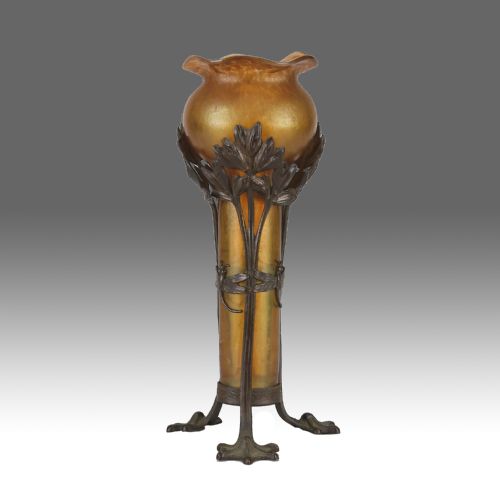


Patinated Bronze Mount
A patinated bronze mount is a cast metal ornament used to adorn furniture, porcelain, glassware, and architectural elements, adding sculptural weight and classical detail.
Patinated Bronze Mount
When you search for a patinated bronze mount, you encounter sculptural hardware and decorative metal elements designed to enhance domestic objects and furniture. The pieces on this page span the nineteenth century into the mid twentieth century, originating primarily from French and Chinese workshops.
You meet various forms ranging from architectural door plates and coat hooks to decorative vase mounts and clock garnitures. Materials combine bronze, ormolu, brass, spelter, and onyx, reflecting diverse historical revivals and artistic movements.
How they were made
Makers utilised traditional foundry techniques to cast bronze, brass, and spelter into detailed sculptural forms. Molten metal poured into moulds captured intricate designs before undergoing manual finishing and patination.
Surface finishes include chemical patination for dark tones, ormolu gilding for golden highlights, and enamel applications. Artisans combined these metals with other materials such as onyx, marble, and iridescent glass to complete the decorative objects.
A bronze nostril from a horse statue sits among the listings.
What varies in quality
The standard of chasing and surface finishing defines the upper tier of these metal ornaments. Crisp detail in the casting and deliberate variation in the patination distinguish workshop pieces from mass-produced hardware.
The integration of the metal mount with its companion material, whether glass, stone, or wood, reveals the maker's precision. Heavier gauge metal and secure mountings separate substantial decorative pieces from lighter functional items.
Loetz·Auguste Moreau
The Patinated Bronze Mount Glossary
- Patinated bronze
- Bronze treated with chemicals to produce a specific surface colour or dark finish. This layer protects the metal and highlights sculptural details.
- Ormolu
- Finely ground high-carat gold applied to a bronze base through a mercury amalgamation process. This technique imparts a durable golden lustre to decorative mounts.
- Spelter
- An alloy primarily of zinc, utilised as a cheaper alternative to bronze for decorative figures and clock cases. It takes patination well but possesses a lighter weight.
- Chenets
- Andirons or firedogs placed at the hearth to support logs. They frequently feature decorative bronze or ormolu mounts and sculptural finials.
- Encrier
- A desk accessory or portable inkstand for writing. These items often incorporate mounted bronze wells and decorative trays.
Patinated Bronze Mount: Frequently Asked Questions
How do I identify bronze versus spelter?
Bronze is heavier, denser, and develops a deeper patination over time compared to zinc-based spelter alloys. Spelter is softer and may show white metal beneath worn surface finishes.
Examining the underside or interior of a mount often reveals the distinct weight and colour of the base metal.
Where were these mounts placed?
Mounts served functional and decorative roles on furniture, doors, fireplace accessories, and desk items. They also framed glass vessels and ceramic vases to elevate their status.
French workshops frequently paired bronze mounts with onyx, marble, and porcelain objects.
How should I clean patinated bronze?
Dust bronze mounts gently with a soft, dry brush to preserve the historical surface finish and patination. Avoid abrasive cleaners or metal polishes that strip the chemical patination.
Keeping the metal in a stable environment prevents moisture damage and degradation of the surface.