
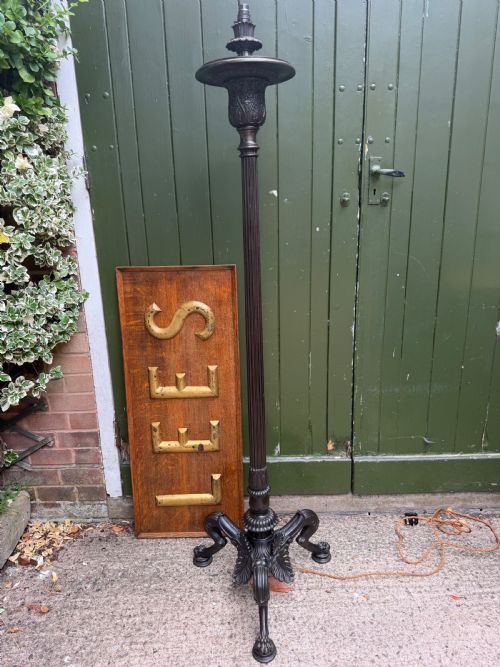
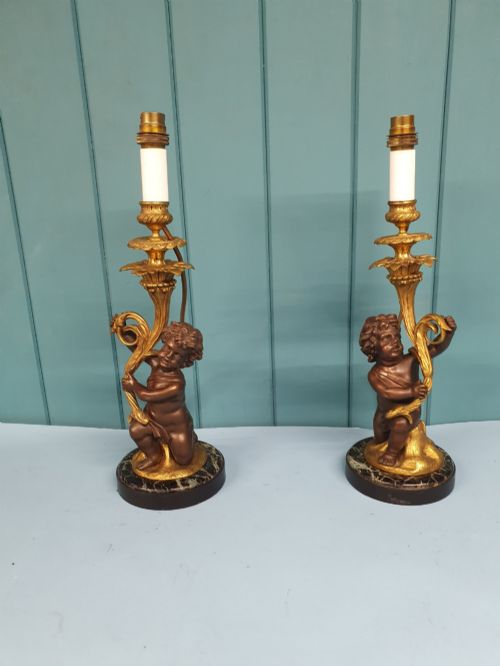
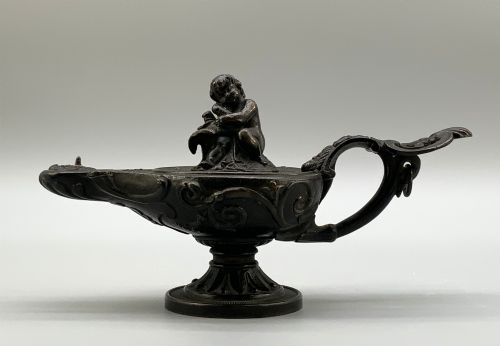
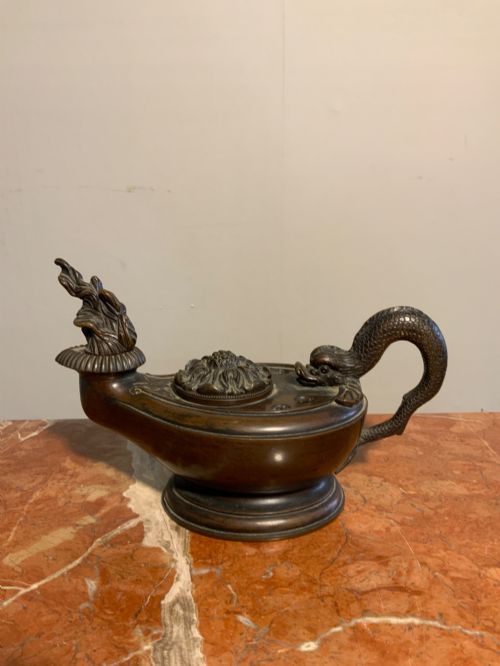

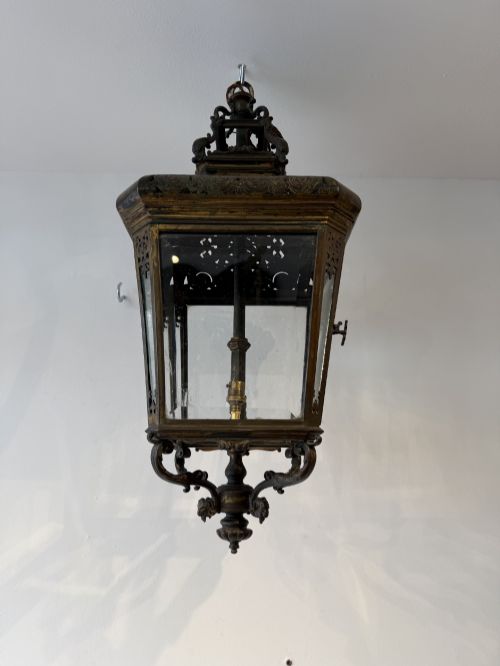
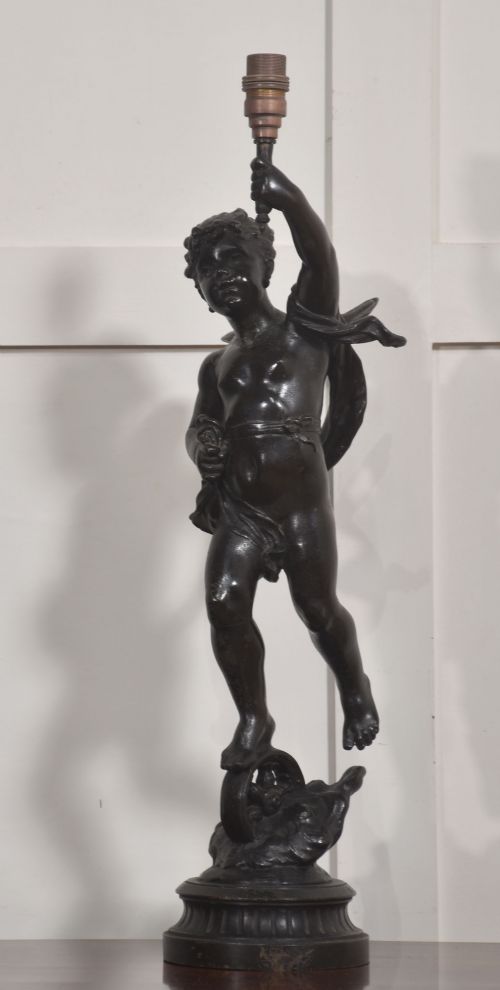

Patinated Bronze Lamps
Patinated bronze lamps combine dark metal surfaces with classical forms, offering interiors a warm and enduring glow.
What patinated bronze lamps are
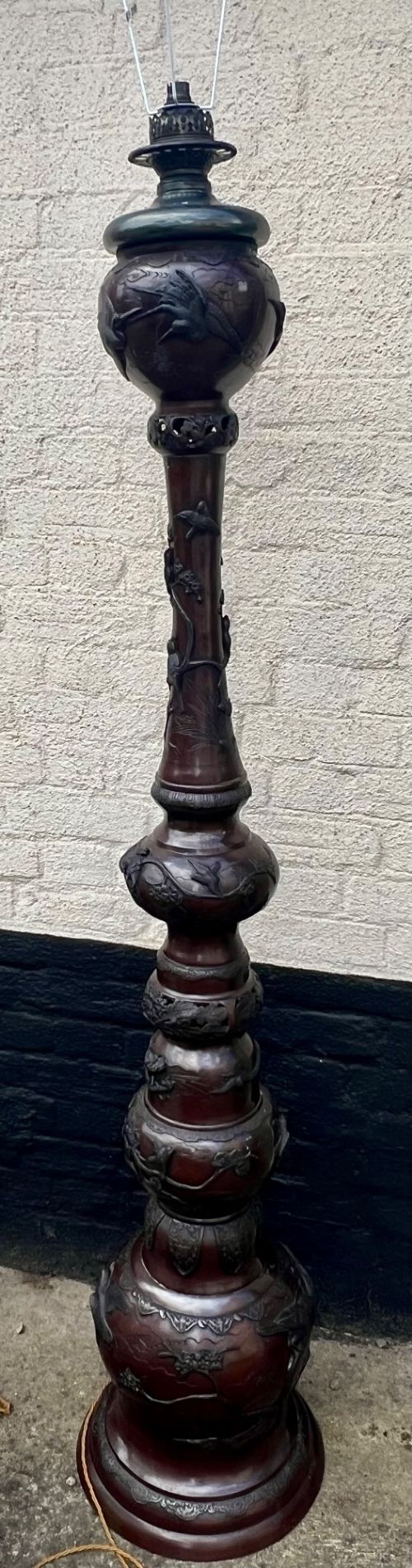
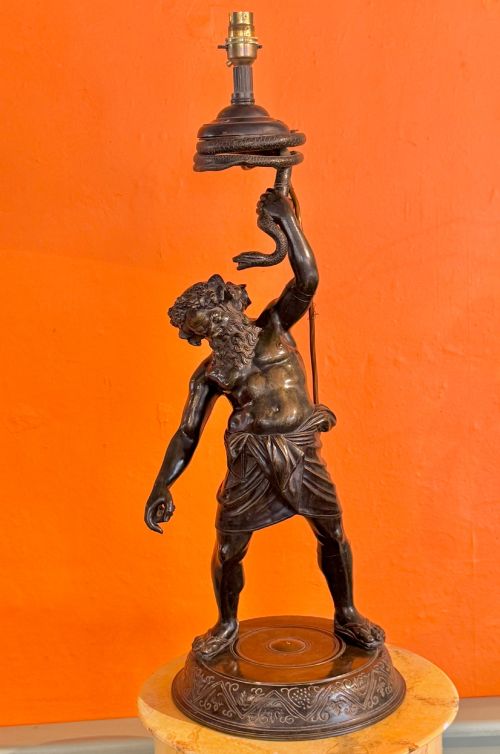
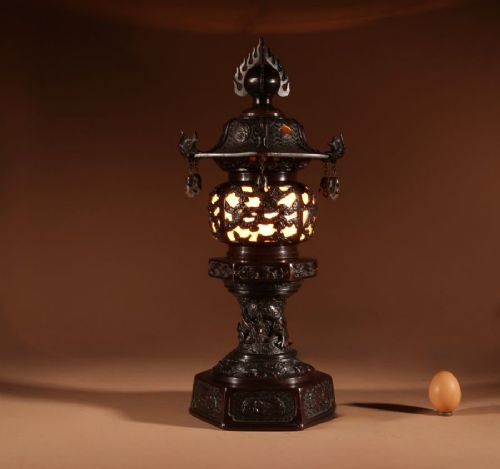
When you search for patinated bronze lamps, you encounter table lamps created from cast metal and later adapted for modern lighting. The forms trace origins back to the nineteenth century, drawing heavily on French Empire, neoclassical, and Meiji period aesthetics.
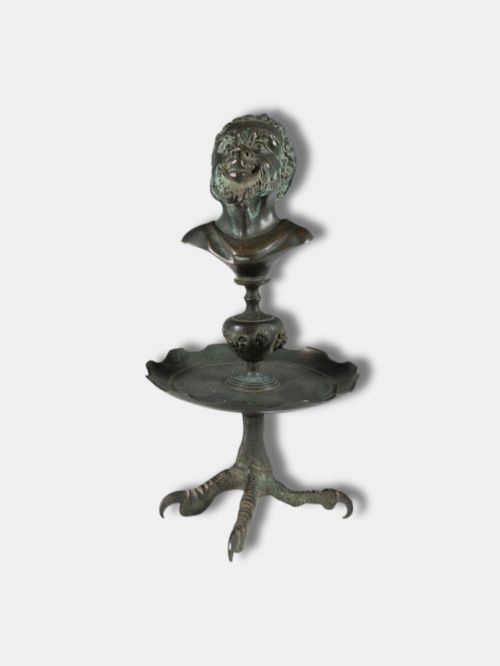
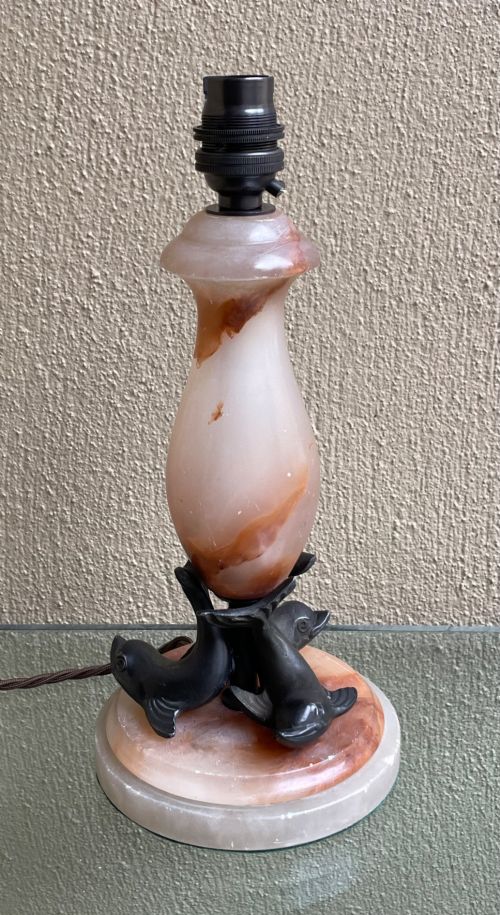
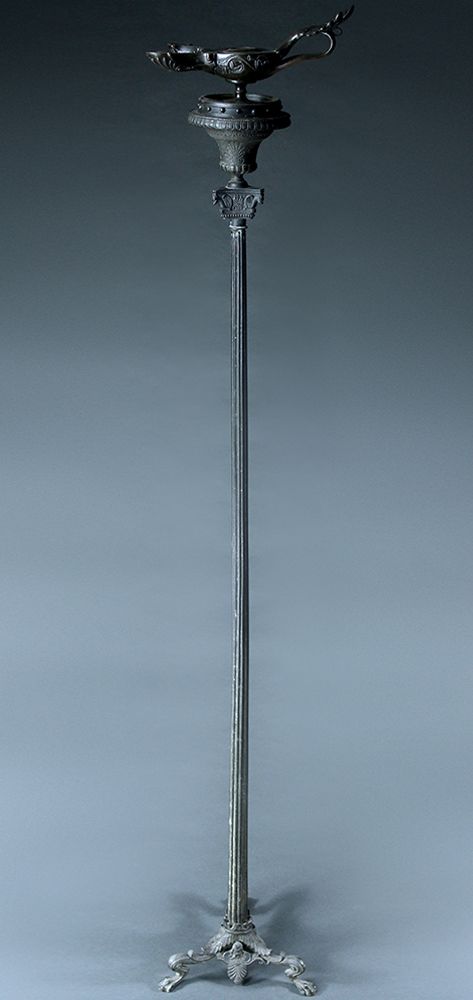
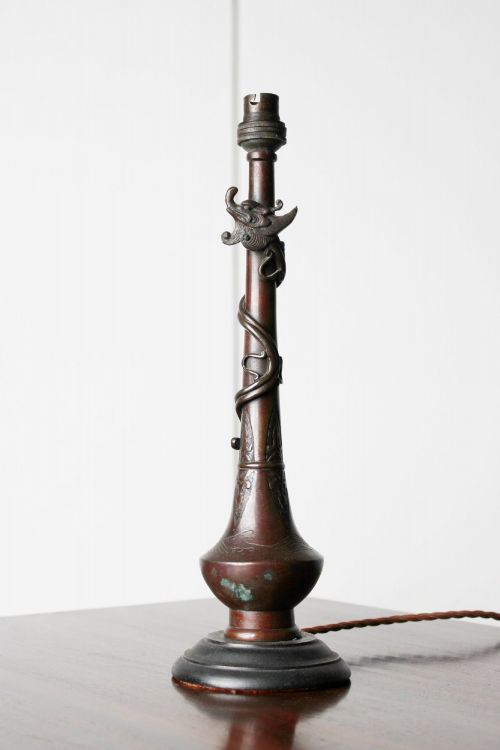
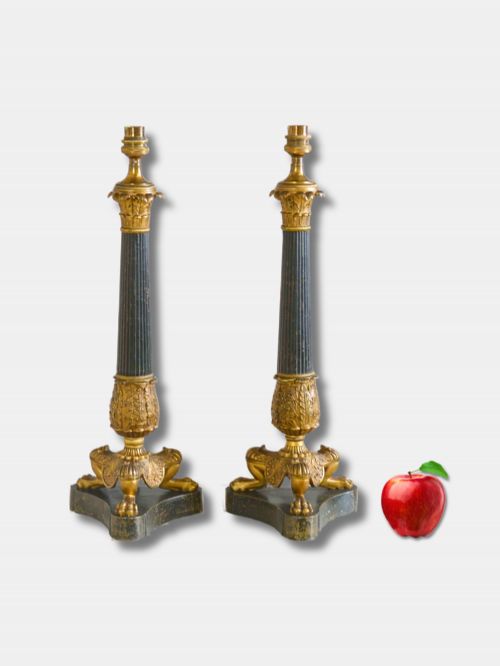
The selections available here lean heavily toward pairs, taking the shape of columns with lion's paw feet, ewers, urns, candlesticks, and Japanese vases. These items bridge decorative sculpture and functional household lighting.
Makers and adaptors utilised existing nineteenth-century vessels, transforming sculptural bronzes into functional objects. The resulting pieces demonstrate how antique forms adapt to later domestic requirements.
How they were made
The primary construction relies on cast bronze, often paired with contrasting materials such as ormolu, gilt metal, and marble bases. Artisans applied chemical patination to the bronze surfaces to achieve deep, weathered tones.
Gilded highlights and ormolu mounts provide sharp visual contrast against the dark patinated bodies. Certain examples incorporate delicate silk elements for the upper shade components, while tri-form griffin supports elevate specific figures.
Retail Price Guide 2026
Typical UK retail prices for patinated bronze lamps, calculated from the Sellingantiques database of over a million retail prices indexed since 2003. This retail price guide relies exclusively on Sellingantiques data; no external sources or auction records are used, so the figures do not describe the wider market.
Watch for tiny cast cherubs clinging to nineteenth-century metalwork.
What varies in quality
Quality rests upon the crispness of the original metal casting and the depth of the applied patina. Superior examples display sharply rendered details on figural mounts, such as cherubs or griffins, alongside heavy, stable bases.
The sophistication of the conversion process also dictates standing within the category. Lamps that integrate electrical fittings without compromising the historic vessel demonstrate higher craftsmanship than hasty adaptations.
The Patinated Bronze Lamps Glossary
- Patinated bronze
- Bronze that has been treated with chemical solutions to produce a controlled, aged surface colour. This dark finish protects the metal and highlights sculptural contours.
- Ormolu
- Finely ground high-carat gold applied to a bronze base using a mercury amalgamation technique. It creates a bright, durable golden surface.
- Ewer
- A large jug with a wide spout and elaborate handle. These vessel forms frequently appear converted into tall table lamps.
- Meiji period
- The era of Japanese history lasting from 1868 to 1912. Bronze vases from this time often found new life as European table lamps.
Frequently Asked Questions
Are these lamps originally wired for electricity?
Nineteenth-century lighting devices typically utilised candles or oil before later conversion to electricity. Surviving pieces usually show evidence of later adaptation to accommodate modern wiring.
Buyers encounter various conversion methods applied over decades of domestic use. The integrity of the original bronze vessel remains the primary focus regardless of internal wiring.
How do I identify French Empire style?
French Empire pieces draw inspiration from ancient Roman and Greek motifs. Expect to see strict symmetry, military trophies, and classical column shapes.
Materials like ormolu and patinated bronze frequently combine in these designs. Griffin supports and lion paw feet serve as common markers for the period.
What materials accompany the bronze?
Bronze frequently appears alongside brass, marble, and gilt metal details. Ormolu mounts provide bright metallic contrast against dark patinated surfaces.
Silk elements occasionally complete the upper portions of the lighting assembly. Each material contributes to the overall weight and visual balance of the object.