


Patinated Bronze Japanese Figurine
A patinated bronze japanese figurine brings the meticulous observation of nature from the Meiji and Taisho periods directly onto your shelf.
Patinated Bronze Japanese Figurine
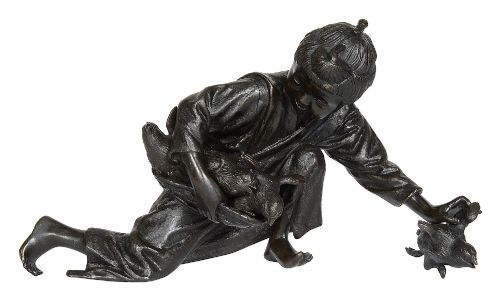
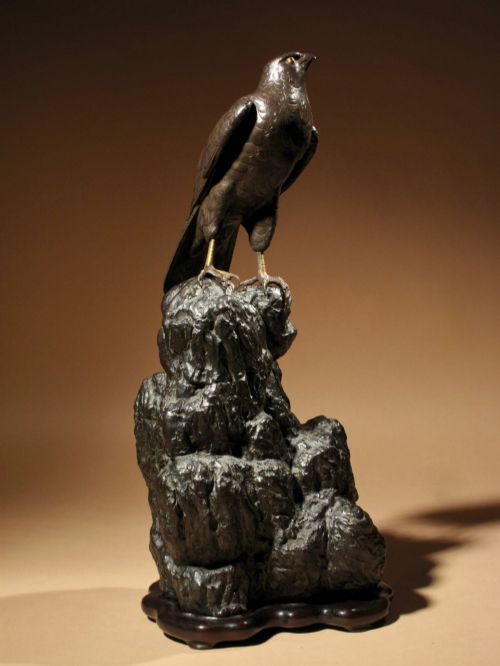
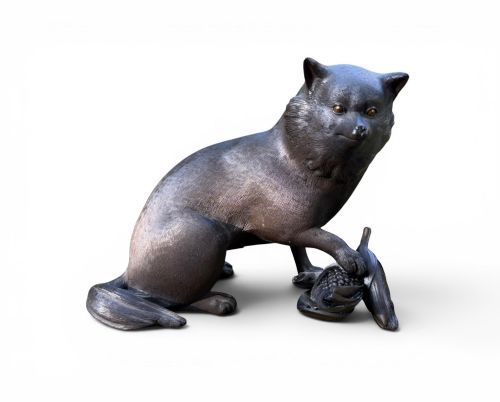
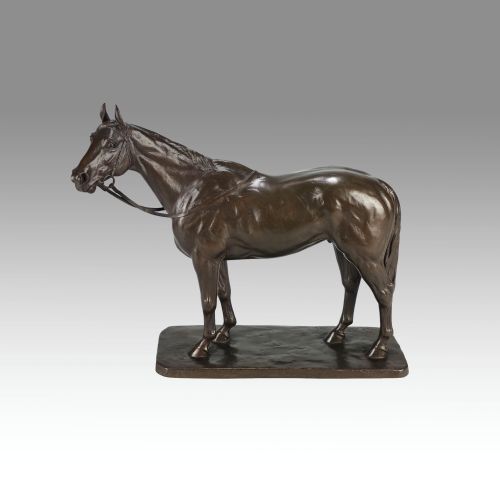
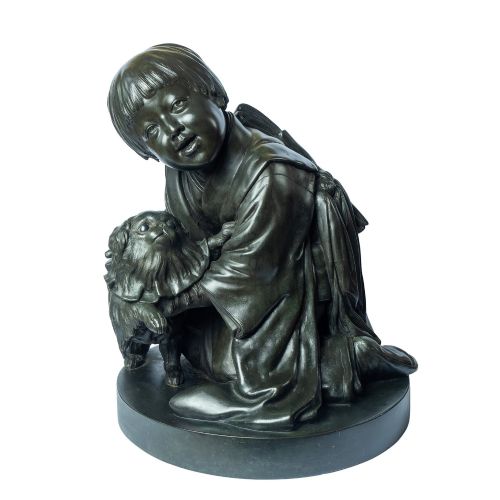
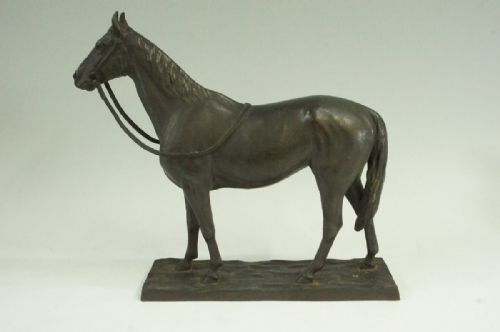
When you examine a patinated bronze japanese figurine, you encounter sculptural works that primarily take the form of an okimono or standalone decorative sculpture. These pieces frequently depict subjects drawn from the natural world, ranging from domestic animals and birds of prey to insects and complex wildlife scenes.
The selections span the nineteenth century into the early twentieth century, capturing both late Edo traditions and the artistic shifts of the Meiji and Taisho periods. You will regularly find subjects such as elephants, horses, tigers, monkeys, and specific figures like a girl gathering chickens or a tanuki.
Makers utilised traditional casting methods to render these small sculptures with high fidelity, creating substantial items that range from intimate animal studies to large decorative figures. Each piece reflects the specific aesthetic concerns of its decade of origin, documented across dates spanning eighteen-eighty to nineteen-twenty.
Materials and construction
The primary material across these works is cast bronze, frequently treated with chemical or thermal agents to achieve a rich, darkened patinated surface. Certain examples incorporate complementary materials such as wood, bone, hardwood, and patinated iron to add textural contrast.
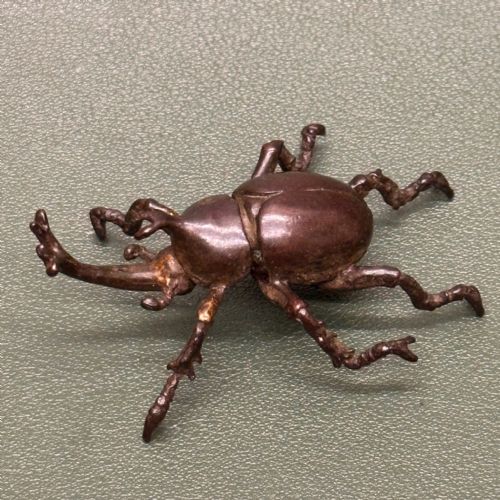
Several makers chose subjects with attitude, including a beetle, a rat clutching a chestnut, and an elephant fighting two tigers.
Evaluating craftsmanship and detail
Quality in these sculptures rests upon the precision of the casting and the depth of the hand-chiselling applied to the surface after it leaves the mould. Superior examples display anatomical accuracy and lively posture, particularly in complex subjects involving multiple animals or active movement.
The richness and stability of the patination significantly influence the visual impact of the work, along with the integration of supplementary elements like gold inlay. Pieces bearing the signatures of recognised makers generally demonstrate a higher degree of sculptural ambition and finish.
Kunio Itô·Masaaki·Unno Shomin
The Patinated Bronze Japanese Figurine Glossary
- Okimono
- A Japanese term for a decorative object meant for display, typically placed in a tokonoma alcove or on a shelf. These standalone sculptures are designed for aesthetic appreciation.
- Meiji Period
- The era in Japanese history lasting from eighteen-sixty-eight to nineteen-twelve, marked by extensive modernisation and exceptional metalwork artistry. Much of the finest bronze production occurred during this span.
- Taisho Period
- The period spanning from nineteen-twelve to nineteen-twenty-six, following the Meiji era and bridging traditional craftsmanship with early twentieth-century design influences. Works from this time retain high technical skill.
- Patination
- The chemical, thermal, or natural alteration of the metal surface that produces a specific colour and finish. On bronze, this process enhances depth and protects the underlying material.
- Inlay
- A technique where contrasting materials, such as gold, are embedded into recesses within the primary metal surface to create decorative patterns or highlights.
Patinated Bronze Japanese Figurine: Frequently Asked Questions
What is an okimono?
An okimono is a traditional Japanese decorative sculpture designed specifically for display within a home. These pieces are intended to be admired for their artistic merit and fine detail.
Unlike utilitarian items, they serve purely ornamental purposes and range from small animal studies to complex figurative groups.
How do I care for patinated bronze?
Patinated bronze requires minimal maintenance beyond occasional gentle dusting with a soft, dry cloth. You should avoid using chemical cleaners, polishes, or abrasive cloths that might strip away the historic surface finish.
Keeping the piece away from excessive moisture and direct sunlight will help preserve the integrity of the metal and its patina over time.
How can I tell the Meiji period from later eras?
Meiji period bronzes, produced between eighteen-sixty-eight and nineteen-twelve, generally exhibit extremely fine hand-chased surface details and deep, complex patination. They often reflect traditional naturalistic subjects rendered with intense observation.
Later pieces from the Taisho or Showa periods may display slightly different stylisation or manufacturing methods that align with early twentieth-century aesthetics.
Were these figurines meant to be handled?
While sturdy, these sculptures were created primarily as display art rather than interactive toys. Handling them infrequently by the main body rather than protruding delicate parts ensures the surface patina remains undisturbed.
Many incorporate fine elements like gold inlay or delicate limbs that benefit from stable placement on a secure surface.