


Patinated Bronze Figural Group
A patinated bronze figural group brings classical mythology and domestic narrative into your interior through cast metal sculpture.
Patinated Bronze Figural Group
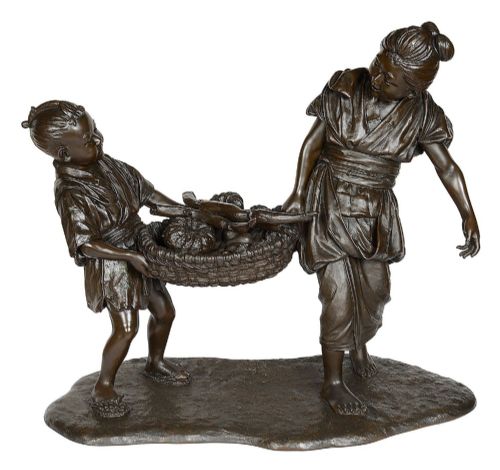
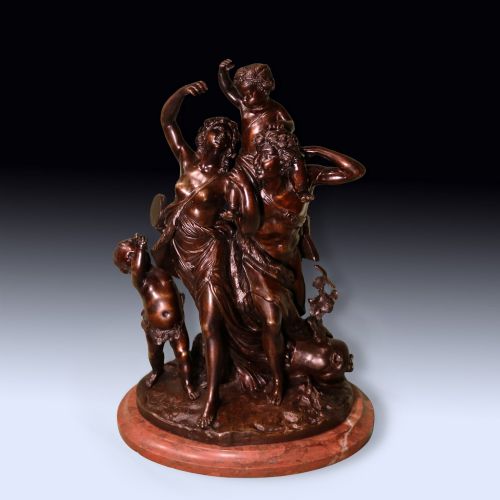
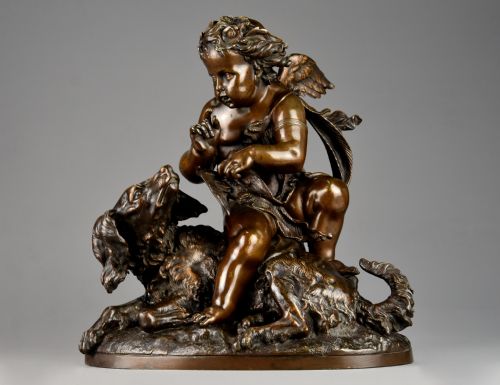
A patinated bronze figural group consists of multiple cast figures rendered in metal, often depicting classical subjects like Bacchus, putti, and dancing maidens alongside domestic or mythological scenes. These works appear frequently in nineteenth-century French styles, referencing Neoclassical and Rococo Revival aesthetics alongside later Art Deco forms.
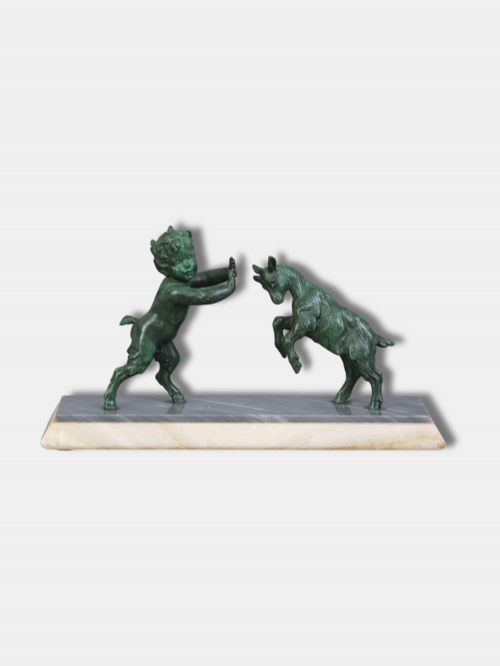
The objects take the form of sculptures and statues mounted on bases of marble, onyx, or wood, varying from intimate tabletop ornaments to large-scale compositions. Buyers encounter depictions of quarrymen, mothers with children, fauns with goats, and dancers, reflecting both romanticised antiquity and naturalistic genre scenes.
Many of these groups follow the compositions of notable sculptors such as Clodion, Emile Carlier, E. Drouot, P. Sega, and Auguste Moreau. The physical presence of the piece depends heavily on the quality of the cast and the depth of the applied surface treatment.
What varies in quality
The refinement of the chasing and chiselling work on the metal surface separates superior castings from coarser productions, as skilled artisans hand-finished every detail after the piece left the sand or wax mould. This manual refinement determines the crispness of facial expressions, the flow of drapery, and the definition of minor elements within complex multi-figure groups.
The choice and execution of the base material also indicate the tier of the piece, with dense veined marble or fine polished wood elevating the presentation of the bronze sculpture above simpler mountings.
Clodion's joyful revellers and mischievous goats ensure that classical mythology rarely takes itself too seriously.
Emile Carlier·E. Drouot·P. Sega·Auguste Moreau
The Patinated Bronze Figural Group Glossary
- Patinated bronze
- Bronze metal treated with chemical solutions to produce a controlled surface colour ranging from warm brown to deep black. This finish protects the metal and accentuates the sculptural contours.
- Spelter
- A zinc-based alloy utilised as an economical alternative to bronze for figural sculptures. It often mimics the appearance of bronze through applied surface patination.
- Putto
- A plump, winged child figure derived from classical art and frequently incorporated into French Rococo Revival and Neoclassical compositions. These figures add a playful or decorative element to the group.
- Lost-wax casting
- A historic method of metal casting where a wax model is melted out of a mould and replaced with molten bronze. This technique allows for exceptional fidelity to intricate sculptural details.
Patinated Bronze Figural Group: Frequently Asked Questions
How do I clean a patinated bronze figural group?
Dust the sculpture gently with a soft, dry brush to prevent the accumulation of dirt within the crevices of the figures. Avoid using chemical cleaners or water, which can damage the delicate surface patina.
Apply a very light coat of microcrystalline wax occasionally if the metal appears dry, buffing it off completely with a clean cloth. This protects the bronze from atmospheric moisture without altering the dark patina.
How can I tell bronze from spelter?
Examine the underside or areas of hidden wear to check the colour of the base metal. Bronze reveals a rich golden-brown or reddish hue beneath the surface treatment, whereas spelter shows a dull grey or silvery metal.
Bronze is also noticeably heavier and cooler to the touch than spelter, and exhibits greater tensile strength in slender limbs and projecting details.
What is the difference between Neoclassical and Rococo Revival styles?
Neoclassical pieces display restrained symmetry, severe classical drapery, and subjects drawn directly from ancient Greek and Roman mythology. The compositions emphasise geometric balance and archaeological accuracy.
Rococo Revival works embrace asymmetrical movement, playful putti, flowing curves, and theatrical subjects involving Bacchus or dancing maidens. These designs prioritise decorative exuberance over strict classical severity.
Where should I place a large bronze group at home?
Position the sculpture on a sturdy, level surface such as a heavy sideboard, console table, or dedicated column where its weight is fully supported. Ensure the display area is clear of high-traffic zones to prevent accidental impacts.
Keep the piece away from direct sunlight and heat sources like radiators to protect the underlying marble or wooden base from warping or cracking.