



Spelter Dancer Figurine
A spelter dancer figurine captures the kinetic energy of the Art Deco era in durable alloy, bringing period movement to a mantelpiece.
Spelter Dancer Figurine
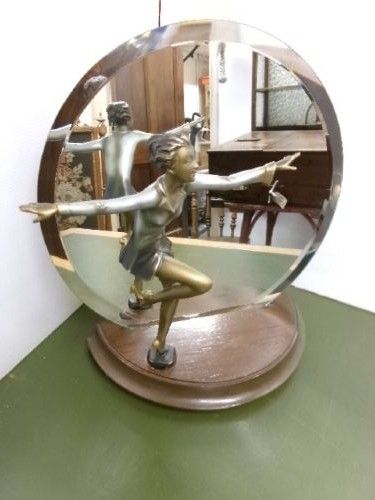
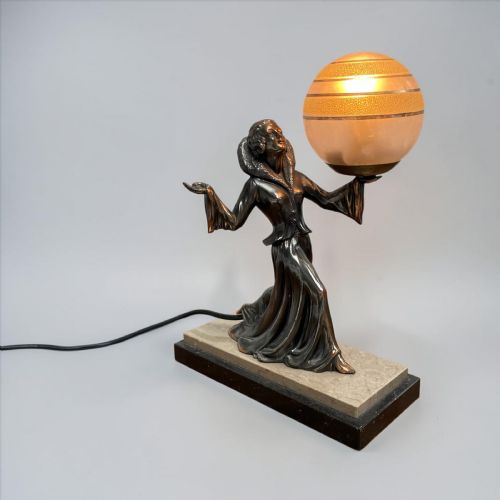
A spelter dancer figurine embodies the theatrical dynamism of the nineteen-twenties and nineteen-thirties, portraying female dancers in motion. These sculptures frequently take the form of freestanding figures or incorporate functional elements such as table lamps and table lighters.
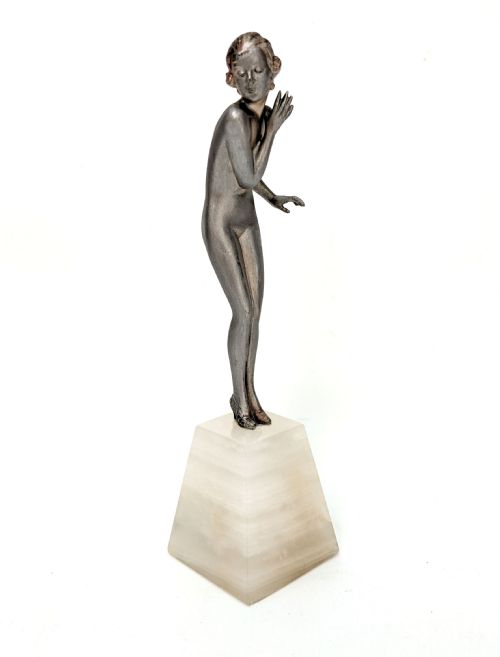
Most examples hail from the nineteen-twenties and nineteen-thirties, reflecting the streamlined aesthetic of the Art Deco period. Buyers will frequently encounter figures mounted directly onto heavy stone plinths to provide stability.
The objects span varied object types listed as sculptures, statues, and figurines, often featuring female figures alongside musicians. They serve as decorative focal points that distil the design spirit of the interwar years.
How they were made
Manufacturers cast these figures using spelter, a zinc-based alloy that accepted patination well and allowed for intricate costume details. Makers often applied patinated metal finishes to simulate bronze.
Foundations were built from substantial materials such as marble, onyx, and alabaster to anchor the slender figures securely. Certain compositions integrate frosted glass elements or glass components to complement the metallic bodies.
Spelter Dancer Figurine Retail Price Guide 2026
Typical asking prices for spelter dancer figurine among the pieces listed under this phrase on Sellingantiques today, from the lower quarter to the upper quarter. They describe what is for sale here now, not the wider market.
Bases across the collection combine marble, onyx, alabaster, and wood to support the metal figures.
What varies in quality
The choice of base elevates the piece, with dense, variegated marble or onyx plinths outclassing simpler wooden foundations. The depth and durability of the patination further separate standard production pieces from superior works.
Josef Lorenzl
The Spelter Dancer Figurine Glossary
- Spelter
- A zinc alloy commonly utilised as a cost-effective substitute for bronze in decorative figures. It offers a receptive surface for metallic patination.
- Patinated metal
- Metal treated with chemical solutions to produce a specific surface colour or aged finish. This technique highlights the sculpted contours of clothing and hair.
- Art Deco
- A design style spanning the nineteen-twenties and nineteen-thirties characterised by stylised forms and geometric symmetry. It heavily influenced the stance and attire of these dancers.
- Onyx
- A banded variety of chalcedony frequently used for heavy sculptural bases. Its natural veining adds decorative weight beneath the metal figure.
Spelter Dancer Figurine: Frequently Asked Questions
What is a spelter dancer figurine?
It is a decorative sculpture cast from zinc alloy during the interwar period, depicting a female dancer in an Art Deco style.
These pieces often function purely as display objects or incorporate lighting and lighter mechanisms.
How do I date these figures?
Dating relies on the stylistic markers of the Art Deco movement, typically placing them in the nineteen-twenties or nineteen-thirties.
Construction methods and the presence of period materials like onyx or frosted glass also help confirm this timeframe.
Where should I display them?
They suit stable surfaces like mantelpieces, sideboards, or desks where their height and weight can be safely accommodated.
Keep them away from direct moisture to protect the patinated metal finish and the stone bases.
How are lamps and lighters integrated?
Makers incorporated functional mechanisms directly into the sculptural design, positioning light fittings or lighter units alongside the figure.
The dancer remains the primary visual focus while concealing or framing the functional hardware.