

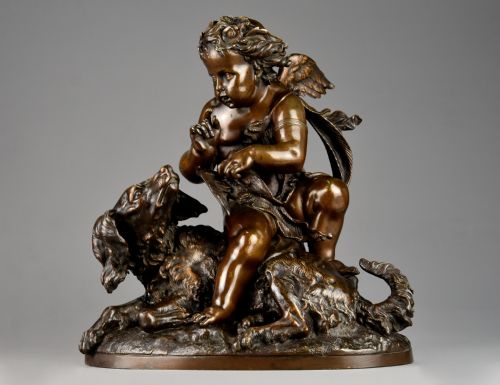


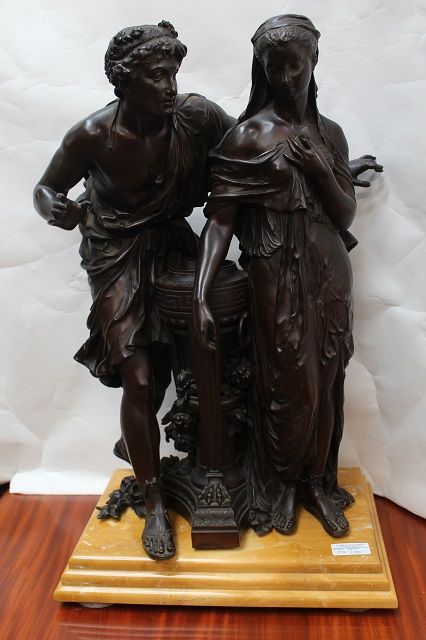
Patinated Bronze Classical Group
A patinated bronze classical group brings mythology and ancient figures into a room through rich cast metal work and classical styling.
Patinated Bronze Classical Group
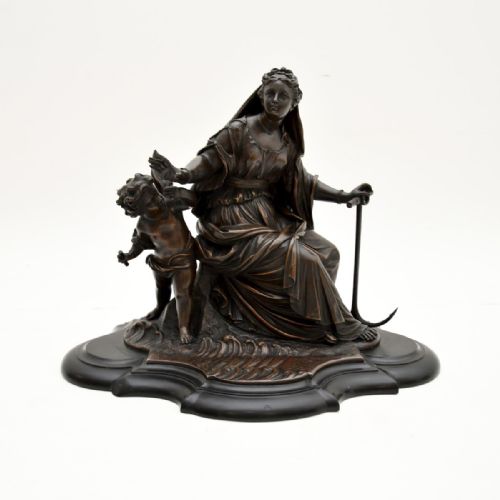
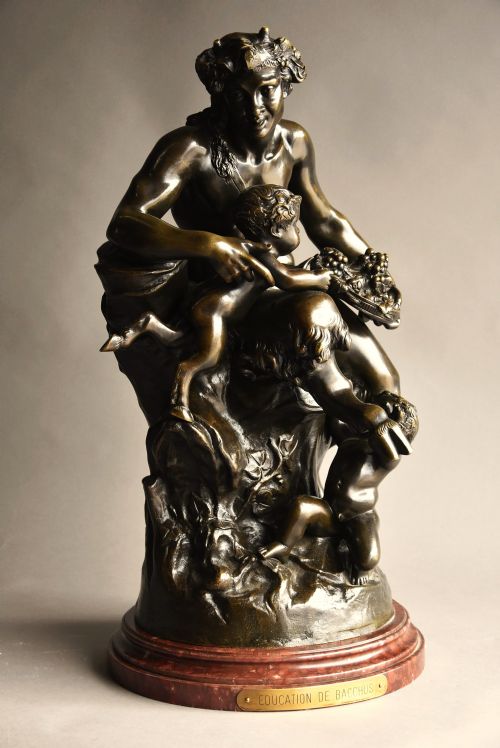
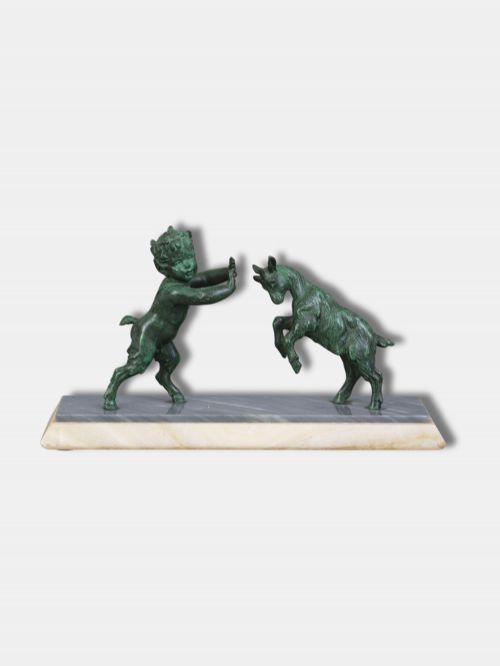
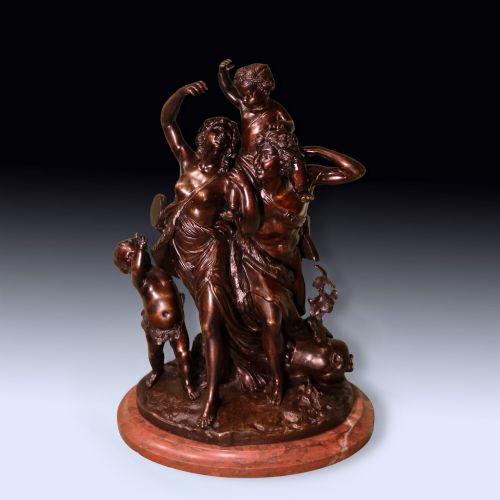
A patinated bronze classical group depicts mythological or historical figures, with satyrs, fauns, putti, and classical maidens appearing frequently across these French and English sculptures.
Most pieces seen here originate from the 19th century, drawing heavily on Neoclassical and Rococo Revival styles inspired by earlier antiquity.
Forms range from intimate figures of mother and child to large multi-figure groups mounted on marble pedestals.
How They Were Made
These sculptures utilise cast bronze treated with a dark patina, often paired with bases of black or rouge marble.
Ornate detailing sometimes incorporates ormolu mounts alongside the primary bronze casting to highlight specific decorative elements.
Makers shaped these grouped figures using traditional foundry techniques common to 19th century French and English workshops.
Patinated Bronze Classical Group Retail Price Guide 2026
Typical asking prices for patinated bronze classical group among the pieces listed under this phrase on Sellingantiques today, from the lower quarter to the upper quarter. They describe what is for sale here now, not the wider market.
Listings feature works created across the nineteenth century, including pieces dated around 1800, 1850, 1880, and 1910.
What Varies in Quality
The precision of the casting and the crispness of the chisel work define the finer sculptures.
Depth and tone in the dark patina distinguish carefully finished metal surfaces from simpler treatments.
The choice of pedestal material, such as finely polished rouge marble, contributes to the overall presence of the group.
Claude Michel Clodion·Emile Carlier·Auguste Moreau·G. Gardet·Charles Cumberworth·Emile Laporte
The Patinated Bronze Classical Group Glossary
- Patinated bronze
- Bronze that has been chemically treated to alter its surface colour, usually resulting in a dark brownish or greenish finish. This layer protects the metal while giving the sculpture an antique appearance.
- Neoclassical
- A style inspired by the art and culture of ancient Greece and Rome, focusing on symmetry, restraint, and classical mythology. It strongly influences the subjects found in these 19th-century groups.
- Putto
- A plump, naked male child figure, often winged, frequently depicted in classical sculpture and renaissance art. They appear alongside satyrs and maidens in many of these cast groups.
- Grand Tour
- A traditional trip through Europe undertaken by upper-class young men in the 18th and 19th centuries to collect art and antiquities. Many classical bronzes commemorate the subjects popular during these travels.
- Ormolu
- Finely ground high-carat gold cast and dissolved in mercury, applied to bronze objects. It provides a bright golden decorative accent on selected sculptures.
Patinated Bronze Classical Group: Frequently Asked Questions
What is a patinated bronze classical group?
A patinated bronze classical group is a multi-figure sculpture cast in bronze with a treated dark surface, depicting classical, mythological, or historical subjects.
These pieces typically date from the nineteenth century and reflect French and English Neoclassical or Rococo Revival tastes.
How were these bronze sculptures displayed?
Many of these figural groups were designed to sit atop substantial furniture, mantelpieces, or dedicated pedestals.
Some larger examples include integral marble bases, such as rouge or black marble plinths, to anchor the composition.
How do I identify a 19th century bronze?
Nineteenth-century bronzes often display signature marks, foundry stamps, or inscriptions referencing classical sculptors like Clodion.
The weight of the bronze, the quality of the dark patina, and the styling of the figures help indicate the period.
Who are the figures usually shown?
Common figures include mythological beings such as satyrs, fauns, bacchantes, tritons, and winged putti.
Other subjects draw from classical literature and historical narratives, featuring maidens, mothers with children, or legendary figures.