




Patinated Bronze Boy Figurine
A patinated bronze boy figurine captures youthful movement in cast metal, bringing classical poise or genre realism directly to a desk or mantel.
Patinated Bronze Boy Figurine
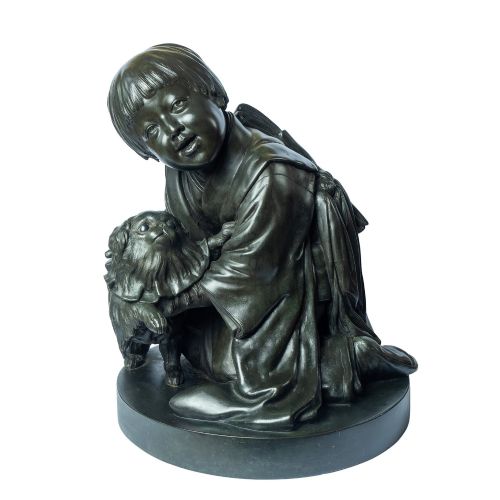
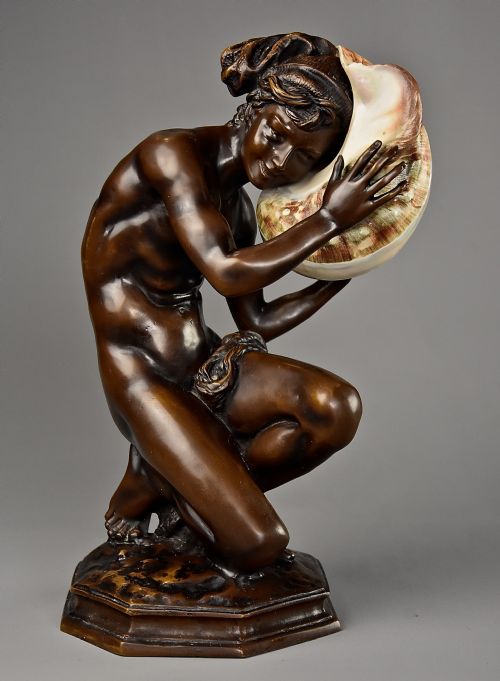
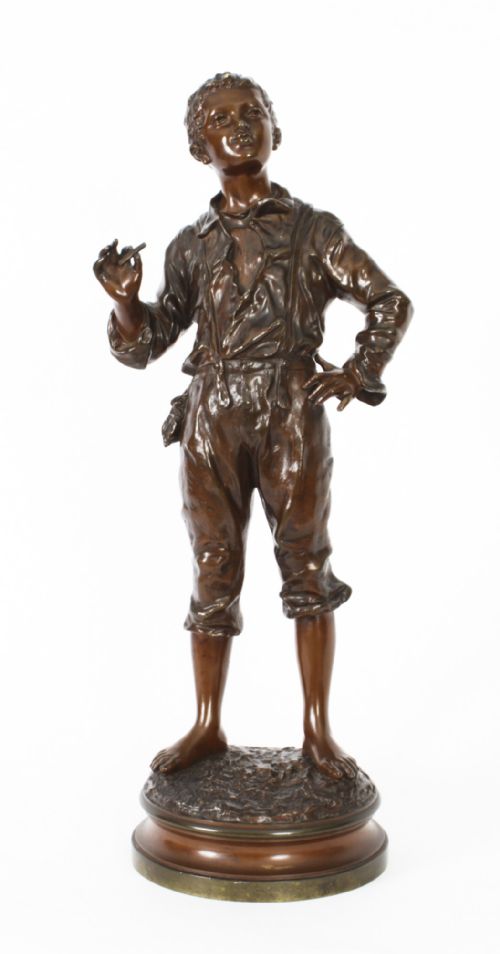
A patinated bronze boy figurine depicts young subjects engaged in daily tasks, fishing, reading, or classical studies, rooted in nineteenth century European and Asian sculpture traditions. You will frequently encounter French academic interpretations, Grand Tour reductions of classical motifs, and Japanese Meiji period okimono.
The subjects range from street urchins and fishers to mythological youths, cast to capture narrative movement and expression. These pieces function as tabletop sculptures or cabinet bronzes, designed for intimate viewing in studies and libraries.
Materials and casting methods
The primary material is cast bronze, often enhanced with chemical patination ranging from deep brown to dark green tones. Certain works combine the cast metal with carved marble bases or present patinated plaster studies.
Fisherboys, water carriers, and lobster handlers feature prominently, proving that nineteenth century sculptors found endless charm in damp children.
Distinctions in quality
Quality rests in the crispness of the chase work and the subtlety of the chemical patina, where finer casts retain distinct musculature and fabric folds. Weaker examples show blurred surface textures and heavy, uniform colouration that obscures the metal.
Signatures of documented makers or foundry stamps elevate a piece, indicating a higher standard of artistic execution. The fidelity of the casting to the original model determines whether a figure possesses genuine presence.
Jean-Baptiste Carpeaux·Julien Lorieux·Carl Kauba·Barbedienne·Vincenzo Gemito·Antoine Bofill·Charles Anfrie·Emile Victor Blavier·Eugene Laurent
The Patinated Bronze Boy Figurine Glossary
- Patina
- A thin chemical layer formed on the surface of bronze through age or deliberate treatment. This finish ranges from warm browns to dark green tones that protect the metal and define its visual depth.
- Grand Tour
- A cultural journey undertaken by nineteenth century Europeans to classical sites in Italy. Tourists collected small bronze reductions of famous sculptures as souvenirs of their travels.
- Okimono
- A Japanese term for a decorative object placed for display, typically carved or cast in bronze during the Meiji period. These figures portray everyday workers, children, and animals with naturalistic detail.
- Lost wax casting
- A metal casting method where a wax model is melted out of a mould to create a cavity for molten bronze. This technique allows for complex undertones and fine surface detail.
- Chasing
- The manual finishing of a bronze casting using hammers and punches to refine details and remove mould seams. Skilled chasing brings out textures in hair, clothing, and skin.
Patinated Bronze Boy Figurine: Frequently Asked Questions
How do I clean a bronze figure?
Dust the surface gently with a soft, dry brush to remove particles without disturbing the underlying patina. Avoid water, abrasives, or chemical polishes that strip the historic finish.
Apply a very light coat of microcrystalline wax if the metal requires protection, buffing it off completely with a clean cloth.
Where should I place these sculptures?
Position the figure on a stable desk, bookshelf, or mantelpiece away from direct sunlight and damp environments. Stable indoor conditions prevent thermal shock and moisture damage to the metal.
Ensure the piece sits securely on its base, particularly if it incorporates a marble plinth that requires flat support.
What is a Grand Tour bronze?
Grand Tour bronzes are small scale reproductions of classical Greek and Roman sculptures produced in Europe during the nineteenth century. Travellers purchased them as portable artistic mementos of educational tours.
These pieces often depict well known subjects like the Spinario, cast in dark patinated bronze and occasionally mounted on marble bases.