




Realist French Bronze Sculpture
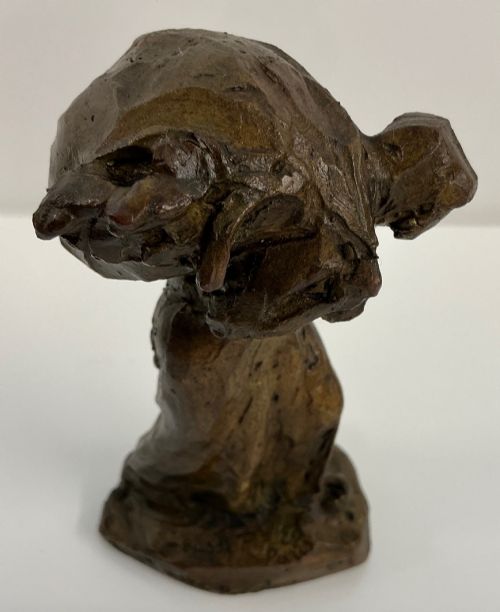
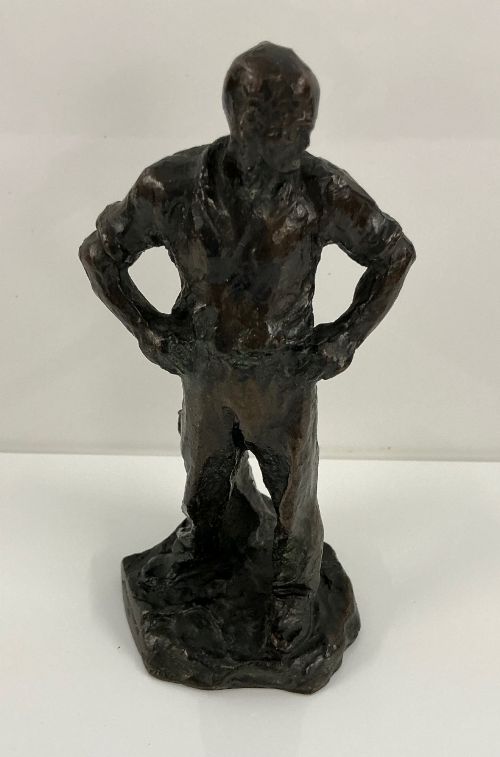
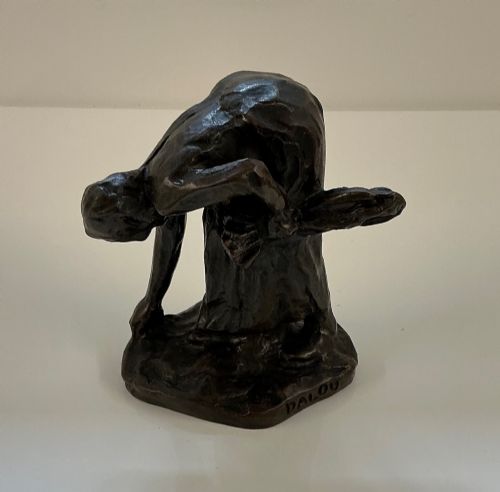
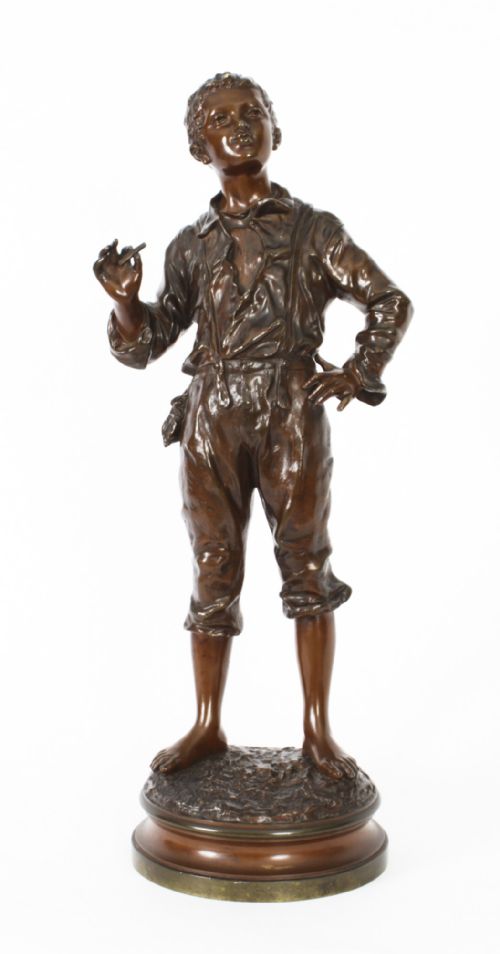
Realist french bronze sculpture captures everyday figures and animals with striking physical accuracy, offering collectors a tangible piece of nineteenth-century social observation.
Materials and Techniques
The pieces on this page utilise bronze and patinated bronze, often finished with a dark patina. Foundry work frequently involved the lost-wax casting method or sand casting, which captured fine details in hair, clothing, and musculature.
Foundries like Susse Freres produced these sculptures, sometimes mounting them on marble or wood bases. Metal alloys were carefully heated and treated with chemical patinas to achieve tonal depth and varied surface textures.
Assessing Quality and Execution
Quality rests in the fidelity of the casting and the sensitivity of the chisel work applied after the metal left the sand or wax mould. Superior examples preserve crisp details in facial expressions, textiles, and anatomical structures without excessive smoothing.
The depth and application of the patina also define the standard of the piece, with richer chemical treatments creating subtle tonal transitions. Furthermore, the association with established founders like Susse Freres or renowned sculptors elevates the standing of the work.
Materials across these listings include bronze, patinated bronze, marble, metal, dark patina, and wood.
Jules Dalou·Antoine L Barye·Arthur Waagen·Joaquim Angles·Susse Freres·Charles Anfrie·Lavergne·Isidore Bonheur·Charles Octave Levy
The Realist French Bronze Sculpture Glossary
- Animalier
- A nineteenth-century artistic movement focused on the realistic depiction of animals. Sculptors in this tradition studied anatomy closely at menageries.
- Patina
- The surface coloration or sheen developed on bronze through age or chemical treatment. Dark patina is common among nineteenth-century casts.
- Lost-wax casting
- A metal-casting method where a wax model is melted away to leave a mould for molten bronze. This technique allows for intricate undercuts and fine textures.
- Realism
- An artistic movement beginning in the nineteenth century that focused on everyday subjects and unidealised human labour. Peasants, workers, and street urchins replaced mythological figures.
Realist French Bronze Sculpture: Frequently Asked Questions
What subjects appear in realist french bronze sculpture?
The subjects include agricultural workers, milkmaids, quarrymen, and street urchins engaged in daily labour. Animals such as dogs and pigs also feature prominently.
These motifs reflect a nineteenth-century interest in recording everyday life and working-class existence with directness and gravity.
How do I identify nineteenth century animalier bronzes?
Animalier bronzes focus specifically on the realistic anatomy and movement of creatures. Look for naturalistic postures in subjects like dogs and pigs.
Sculptors in this subgenre studied animals directly from life, resulting in sculptures that prioritize biological accuracy over decorative stylisation.
Where should I display a bronze desk accessory?
Desk accessories such as double inkwells work well on wooden surfaces in studies or libraries. They combine functional utility with sculptural presence.
Ensure the piece rests on a stable surface away from direct moisture to protect the patinated bronze and any integrated marble components.
How can I tell the period of a bronze figure?
Period identification relies on stylistic cues, artist signatures, and foundry marks. Pieces from the nineteenth century often bear specific signatures and foundry stamps like Susse Freres.
Clothing styles, tools held by figures, and the character of the dark patina also provide strong chronological indicators.