
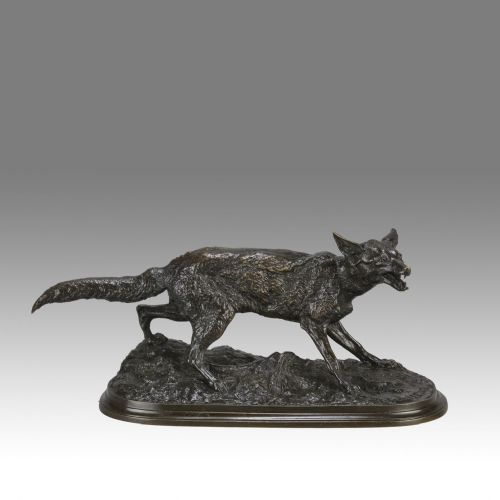
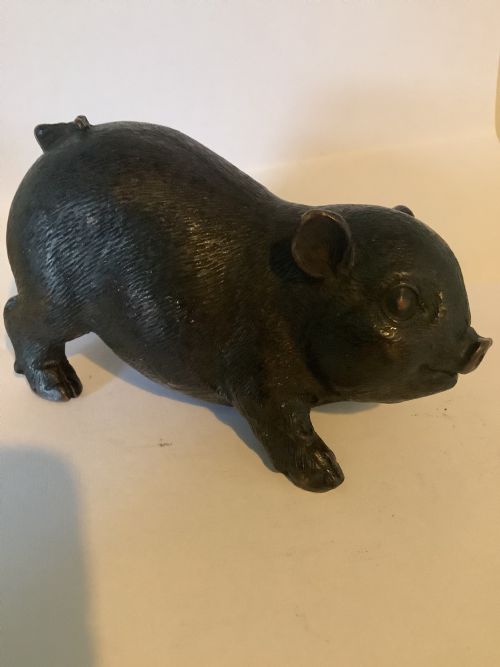
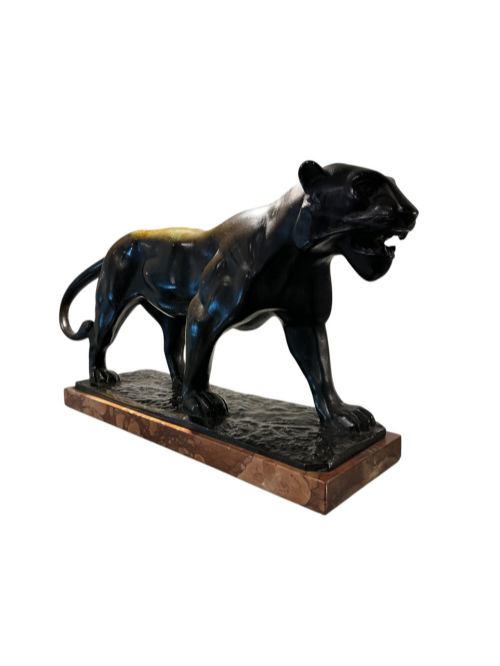
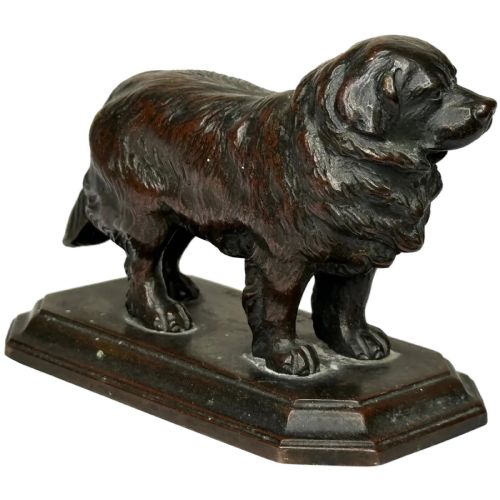
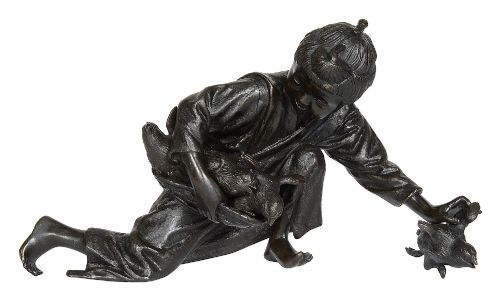
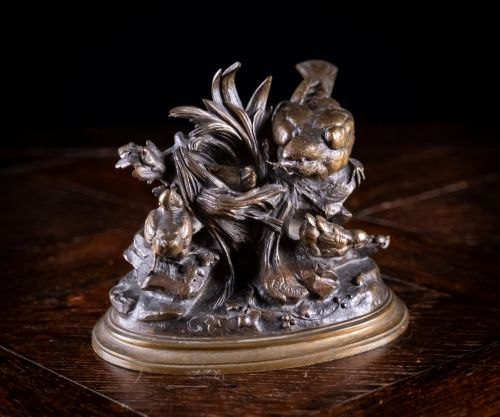
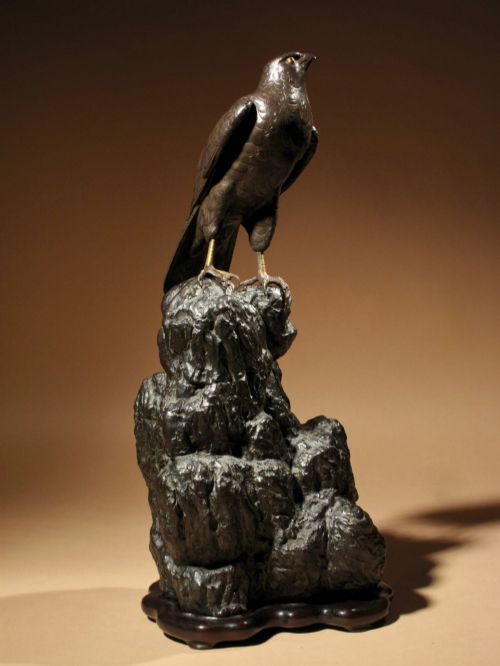
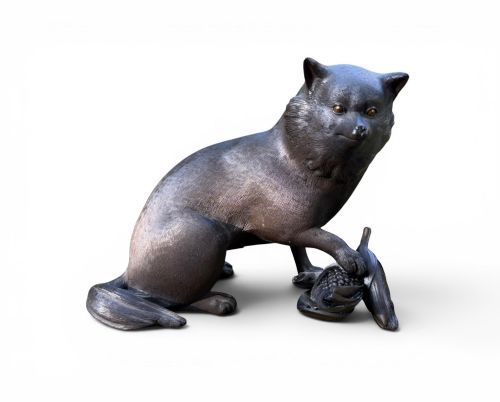
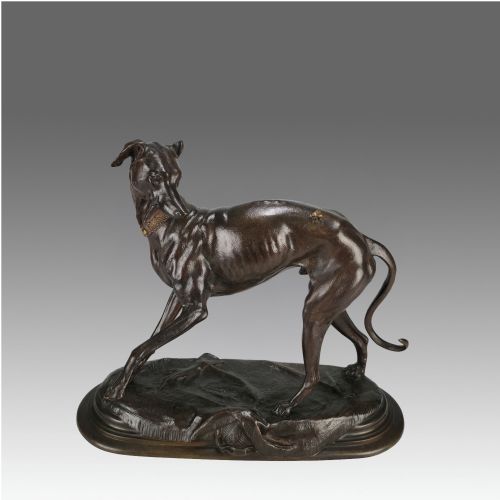
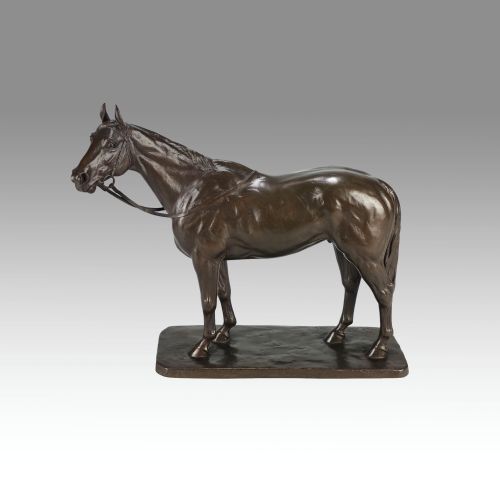
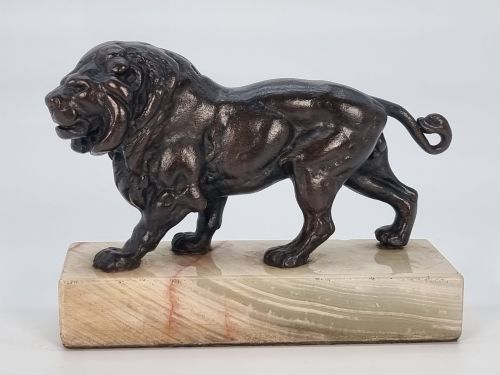
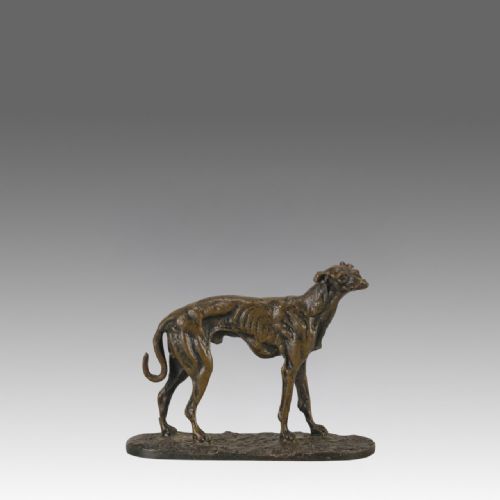
Patinated Bronze Animal Figurine
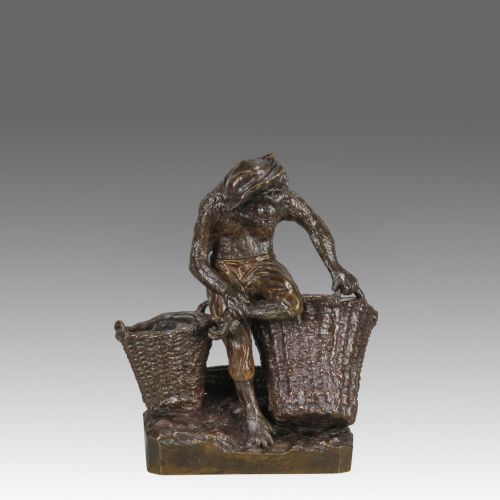
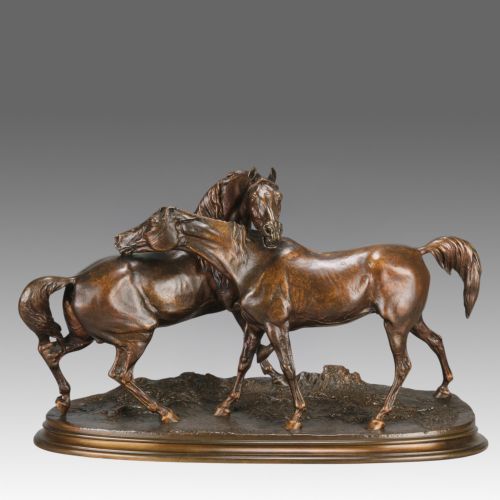
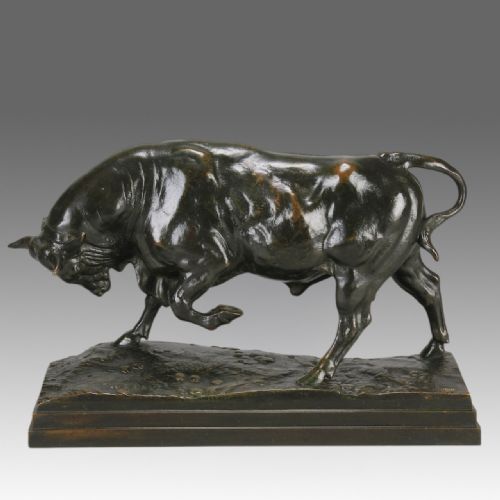
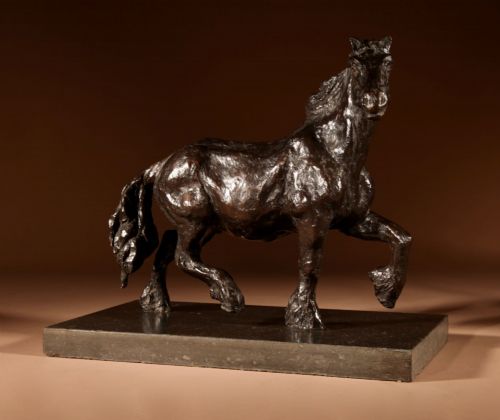
A patinated bronze animal figurine brings movement and natural character to a room, ranging from French Animalier dogs to Meiji period Japanese okimono.
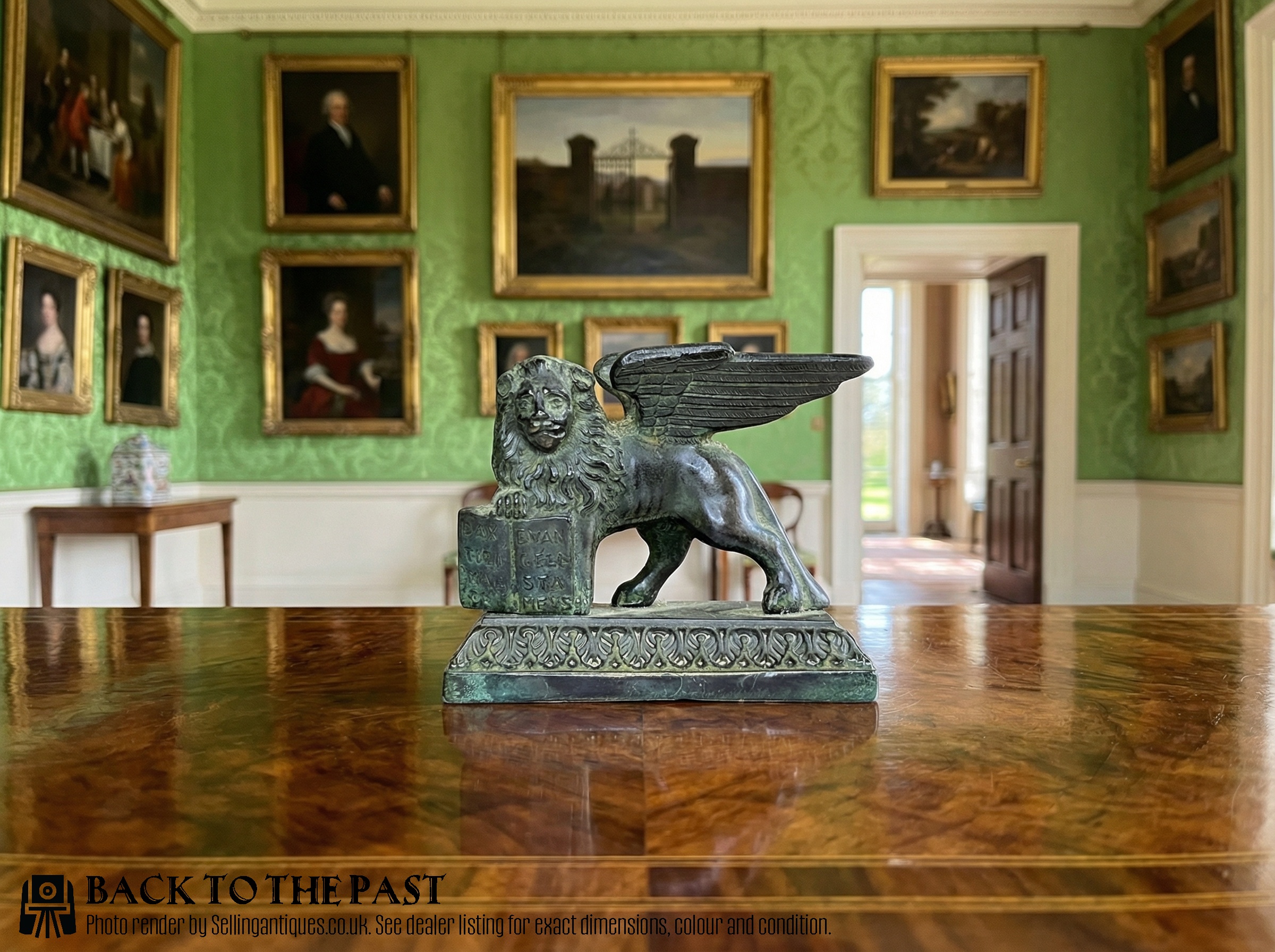
Patinated Bronze Animal Figurine
A patinated bronze animal figurine represents creatures cast in metal, often depicting wild beasts, domestic dogs, and birds from the nineteenth and early twentieth centuries. These pieces span French Animalier subjects and Japanese Meiji period works.
Buyers encounter subjects mounted on stone, marble, or onyx bases, alongside standalone figures of pigs, lions, and horses. The selection includes works produced by continental workshops and Eastern artisans alike.
Victorian and Art Deco interpretations frequently appear, capturing movement in lions, panthers, and stags. Each item reflects the naturalism valued by makers of the period.
Materials and technique
Makers utilised bronze cast through traditional methods, applying chemical patination to achieve dark brown, green, or black surface tones. Many figures were subsequently mounted onto plinths formed from marble, onyx, or hardwood.
Surface details were hand-chased after casting to define fur, feather texture, and muscle structure with precision. Signatures and foundry stamps were frequently punched or cast directly into the metal base.
Listings feature works from the nineteenth century alongside pieces dated up to the mid-twentieth century.
Distinguishing quality
P J Mêne·Christophe Fratin·Antoine Louis Barye·Kunio Itô·Isadore Bonheur
The Patinated Bronze Animal Figurine Glossary
- Animalier
- A nineteenth-century artistic movement focused on the realistic portrayal of animals, particularly predators and prey. Sculptors within this school studied anatomy closely.
- Okimono
- A Japanese decorative figurine designed for display on a shelf or cabinet. These objects often depict animals, figures, or scenes from daily life.
- Patination
- The chemical colouring applied to the surface of bronze to create depth and protect the metal. Various acids and heat treatments produce distinct hues.
- Chasing
- The manual refinement of a bronze casting using small punches and hammers to sharpen details. This process removes casting flaws and defines fur or feathers.
- Spelter
- A zinc alloy commonly utilised as a less expensive substitute for bronze in decorative figures. It often carries a bronze-coloured coating.
Patinated Bronze Animal Figurine: Frequently Asked Questions
What is an animalier bronze?
An animalier bronze is a nineteenth-century sculpture depicting animals with anatomical accuracy, often showing natural predatory behaviour or movement.
These pieces were produced in large numbers across European foundries, capturing popular interest in natural history and zoology during the period.
How do I identify a Meiji period bronze?
Meiji period bronzes originate from Japan between eighteen sixty-eight and nineteen twelve, frequently taking the form of detailed okimono.
They often depict creatures such as elephants, tigers, monkeys, and horses, rendered with high technical skill and distinct patination.
Why are some figures mounted on marble?
Marble, onyx, and slate bases were added to provide weight, stability, and a clean architectural boundary for the sculpture.
This mounting style became particularly common during the late nineteenth and Art Deco periods, enhancing the overall display of the object.
How should I clean a patinated bronze?
Dusting gently with a soft, dry brush is generally sufficient to maintain the surface without disturbing the historic patination.
Harsh chemical cleaners or metal polishes must be avoided, as they strip away the protective oxidation layer built up over decades.