
Classical Bronze Desk Sculpture
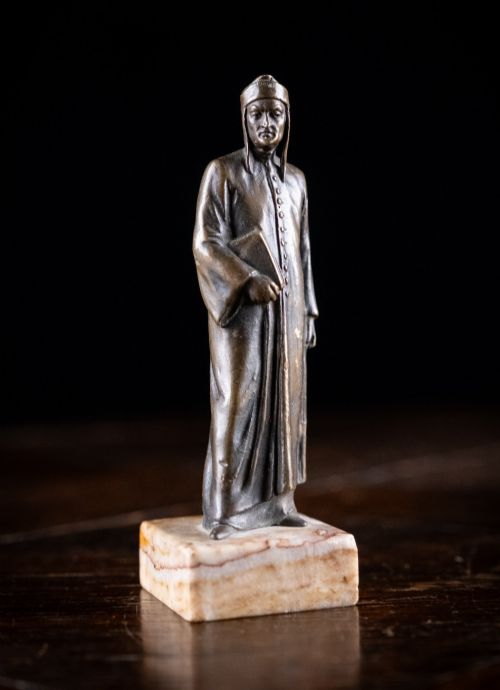
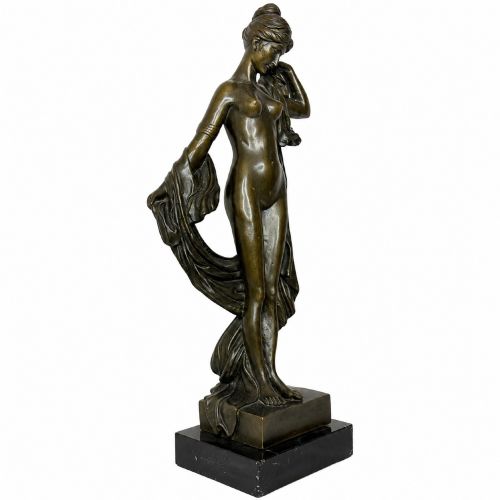
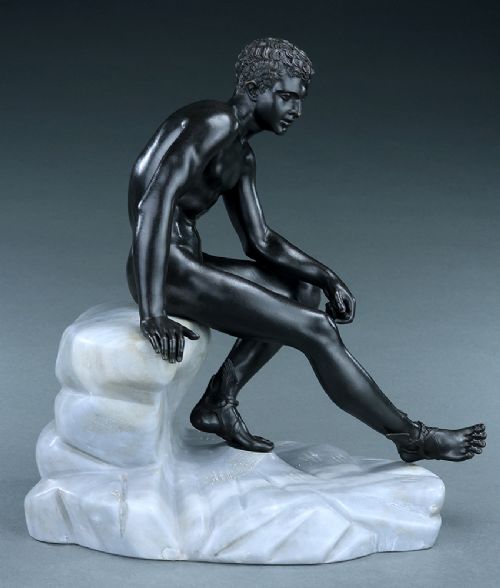
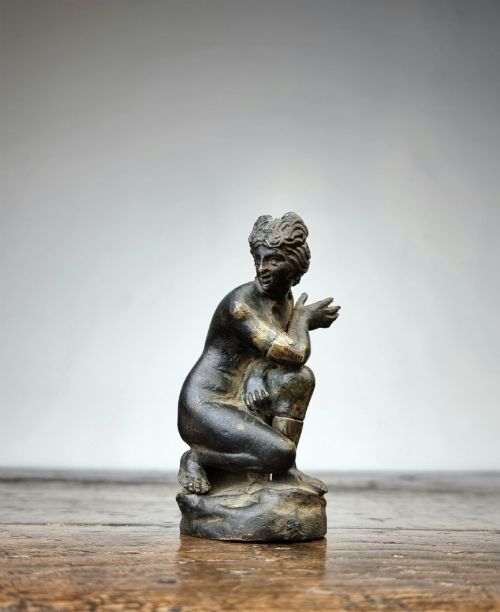
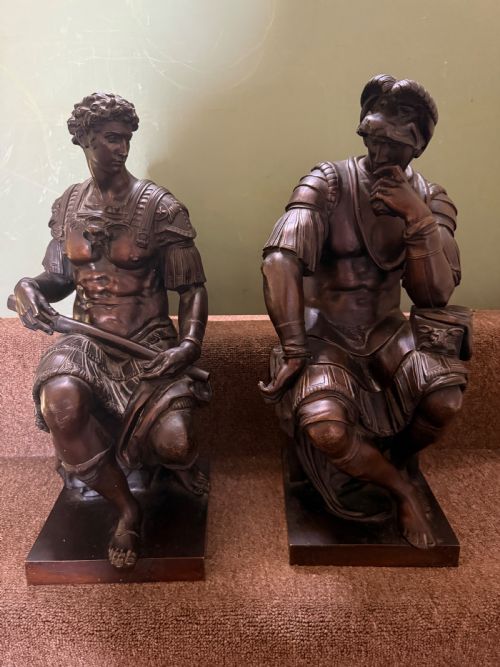
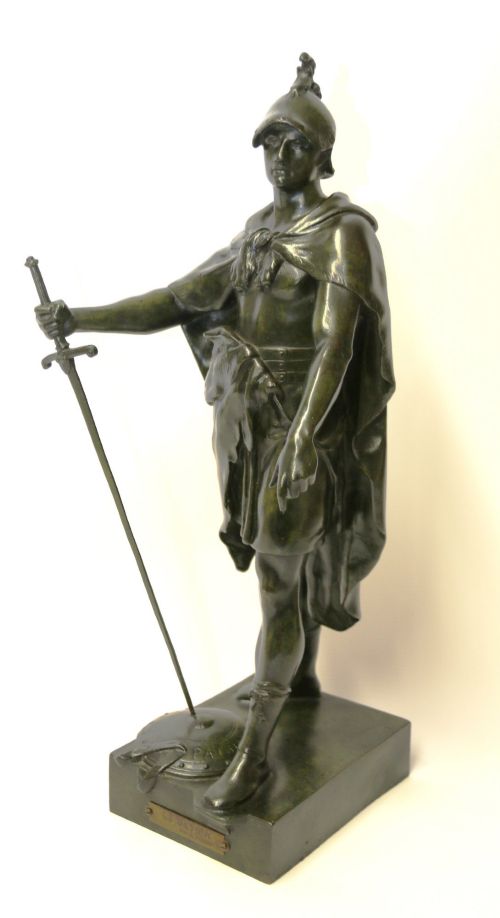
When you search for classical bronze desk sculpture, you encounter small-scale historical figures, mythological subjects, and Grand Tour souvenirs cast in metal and mounted on stone.
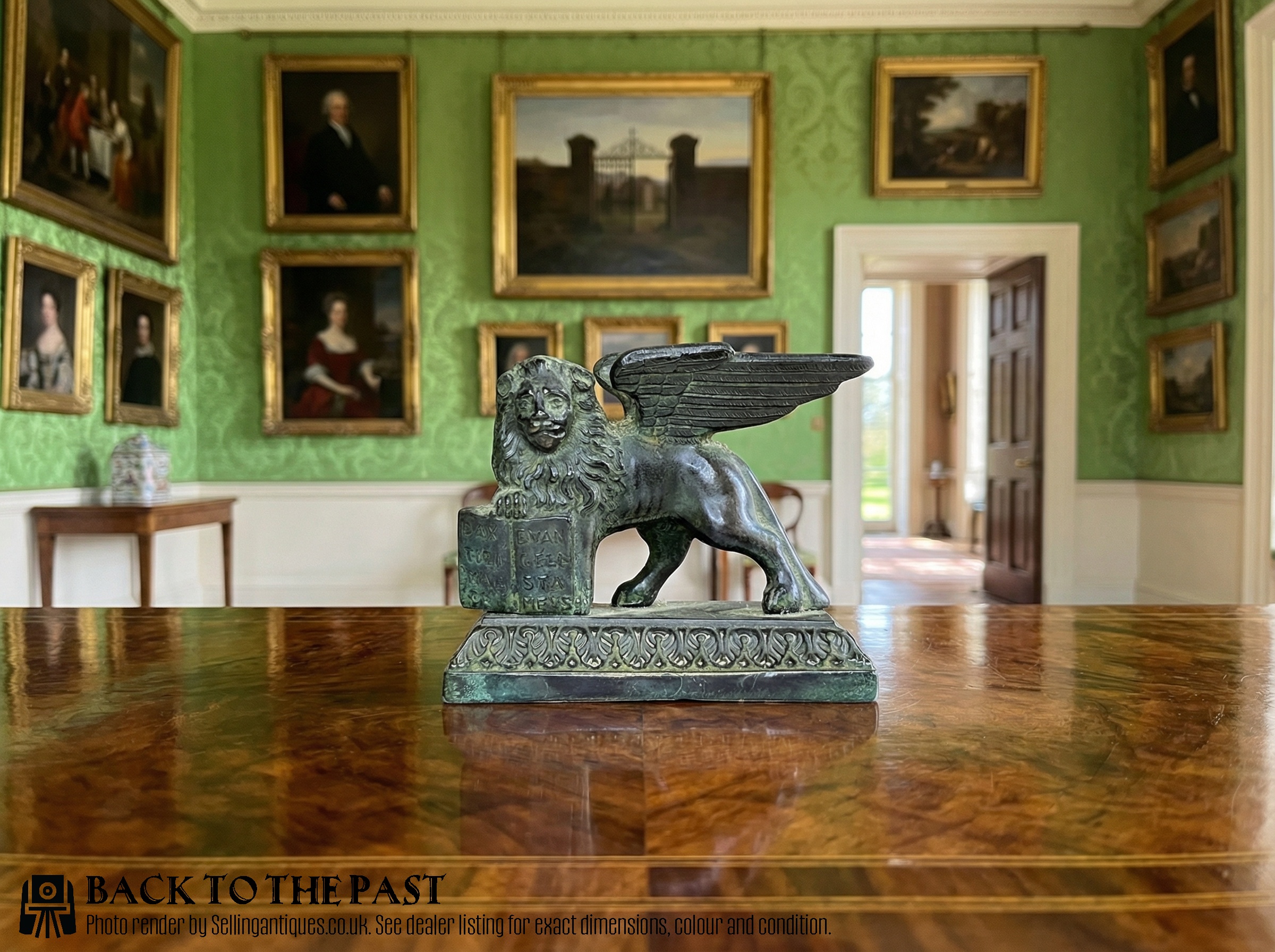
Classical Bronze Desk Sculpture
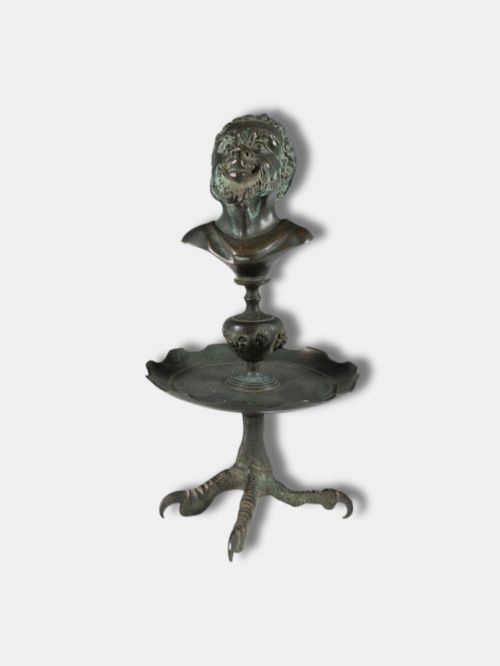
A classical bronze desk sculpture is typically a small cast metal figure, bust, or lamp depicting mythological deities, literary heroes, or ancient architecture designed for interior display.
The selections available here lean heavily toward nineteenth-century French and Italian foundry work, alongside Grand Tour souvenirs produced to commemorate travels to classical sites.
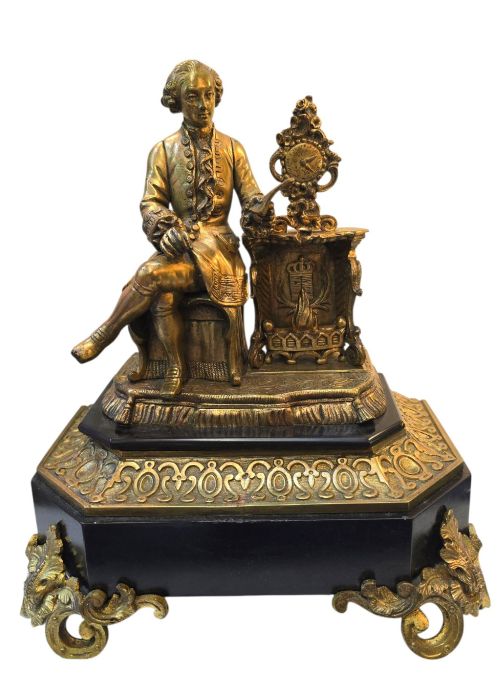
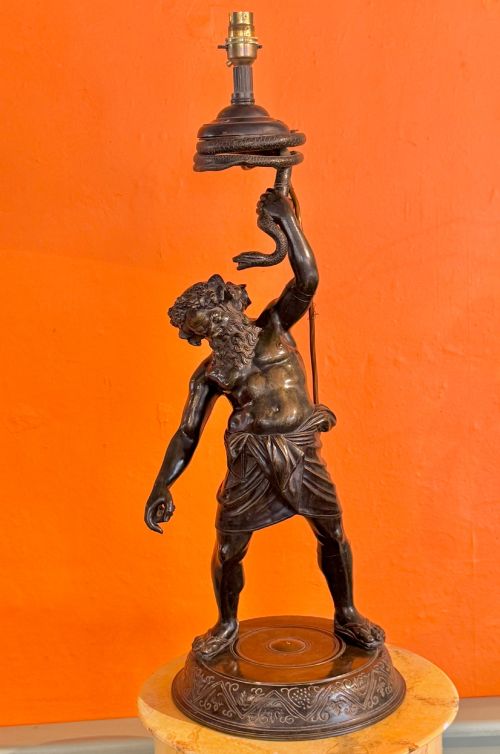
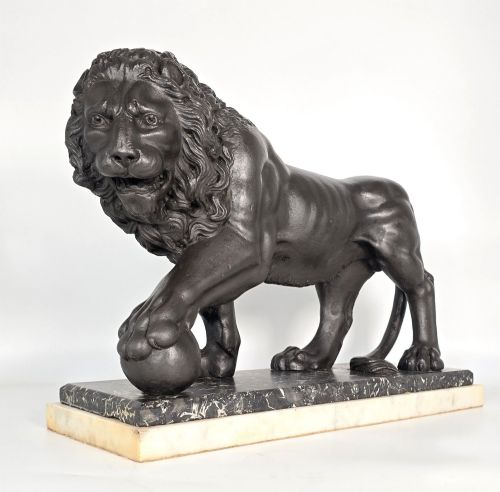
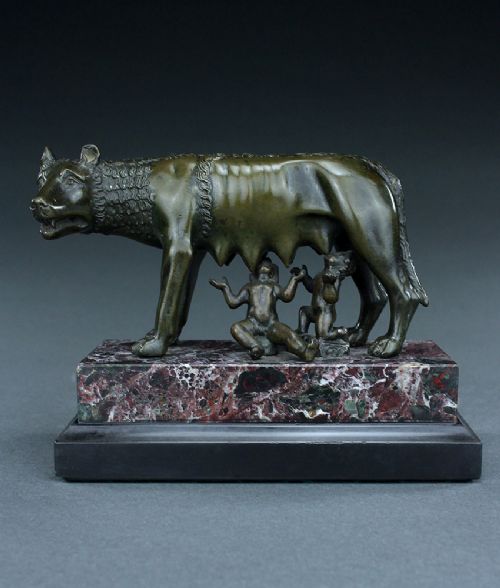
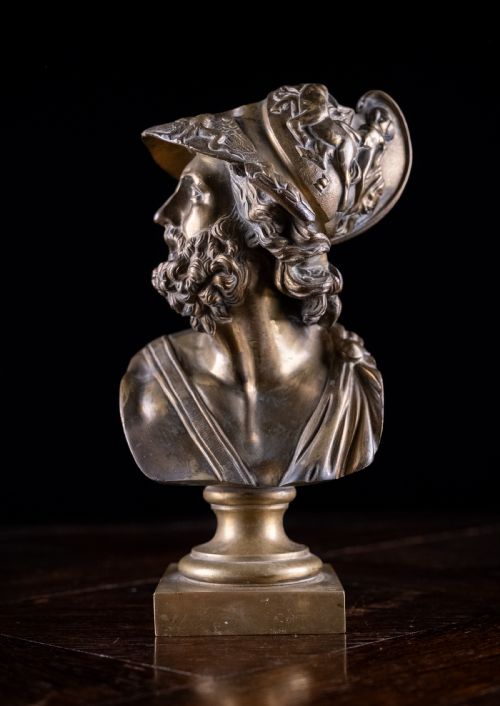
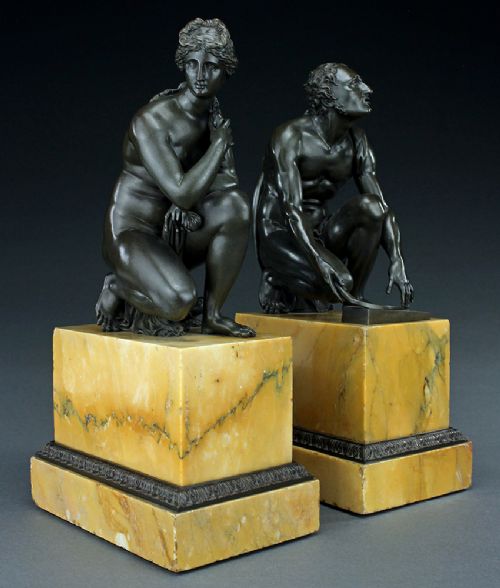
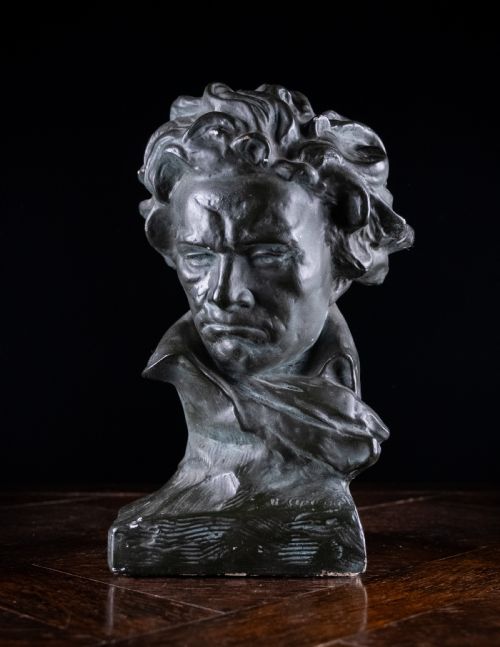
Forms range from seated figures on marble plinths and figural oil lamps to architectural lions and historical portrait busts.
How they were made
Foundries utilised traditional metalcasting methods to shape the molten alloy, followed by extensive hand-chiselling and filing to sharpen anatomical details and drapery.
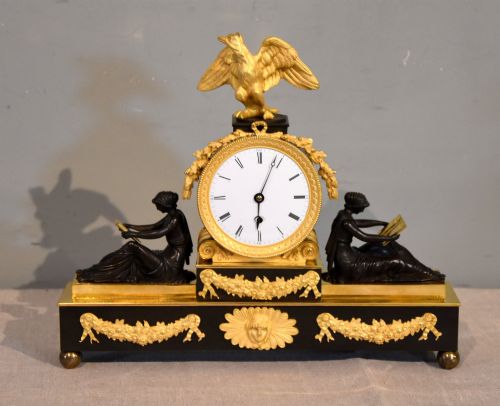
Patination was applied chemically to the metal surface to achieve deep brown, green, or black tones, while gilt bronze and ormolu variants received a thin layer of gold.
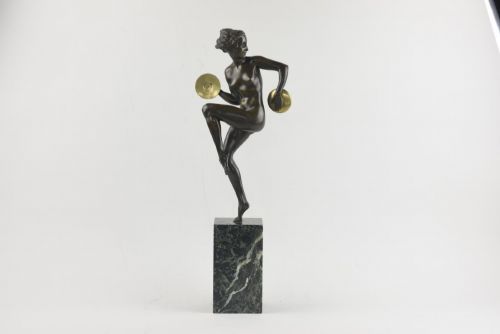
Many examples incorporate integral or separate plinths of Siena marble, grey marble, or brass mounts to anchor the composition.
Even ancient Egyptian sphinxes received nineteenth-century European bronze treatments for the modern executive desk.
What varies in quality
The depth and consistency of the patination indicate the skill of the finisher, distinguishing subtle tonal gradations from flat, uniform industrial coatings.
The integration between the cast metal and its stone base reveals the care taken in construction, separating bespoke sculptural works from later or hurried assembly.
G. Amodio Naples·Émile Louis Picault·Barbedienne·Giuseppe Moretti
The Classical Bronze Desk Sculpture Glossary
- Grand Tour
- A nineteenth-century tradition where travellers collected bronze reductions of classical antiquities in Italy and France as souvenirs of their education.
- Patinated Bronze
- A metal sculpture treated with chemical solutions to produce a controlled coloured oxide layer on the surface, ranging from dark brown to green.
- Ormolu
- Gilt bronze created by applying finely ground gold mercury amalgam to a cast bronze object and heating it to drive off the mercury.
- Neoclassical
- A style drawing inspiration from the classical art and culture of ancient Greece and Rome, dominant in nineteenth-century decorative arts.
- Siena Marble
- A yellow ornamental limestone featuring dark grey or purple veins, frequently utilised as a contrasting base for cabinet bronzes.
Classical Bronze Desk Sculpture: Frequently Asked Questions
What is a Grand Tour bronze?
A Grand Tour bronze is a nineteenth-century souvenir cast in Italy or France replicating famous classical statues seen during European travels.
These reductions allowed collectors to bring ancient architectural monuments and museum sculptures into private studies and libraries.
How do I clean an antique bronze?
Antique bronzes require only gentle dusting with a soft, dry brush to prevent the accumulation of abrasive particles in recessed crevices.
Moisture and commercial cleaning agents should be avoided to protect the original historical patination from damage.
Are these sculptures solid or hollow?
Most desk-sized bronzes are cast hollow using traditional techniques to reduce weight and ensure even cooling during the metalcasting process.
Heavier weight often comes from dense stone plinths made of marble rather than solid metal cores.
How do I date a nineteenth-century bronze?
Dating relies on stylistic markers, foundry stamps, casting seams, and the specific composition of the underlying metal alloy.
Archival records, subject matter, and the type of marble base also provide reliable clues to the period of manufacture.