





Patinated Brass Pendant Light
A patinated brass pendant light brings architectural warmth to a room through dark metalwork and period illumination.
Patinated Brass Pendant Light
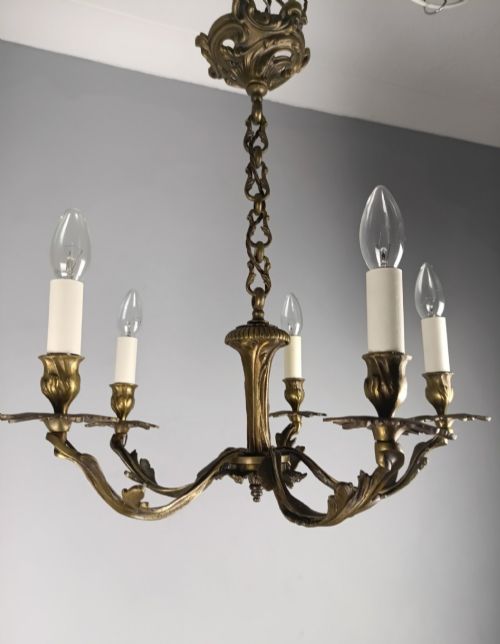
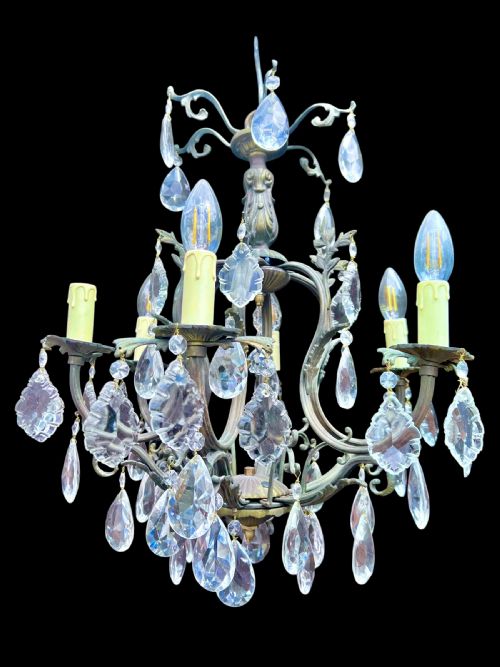
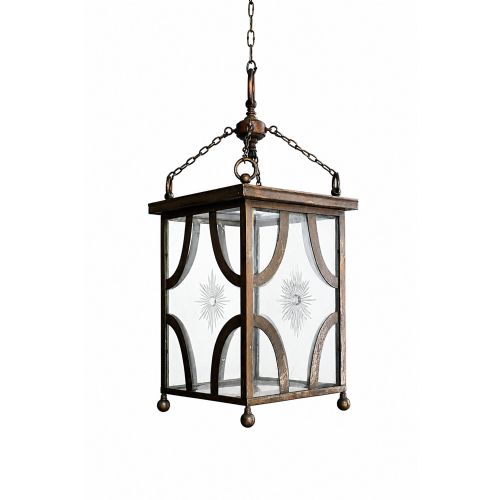
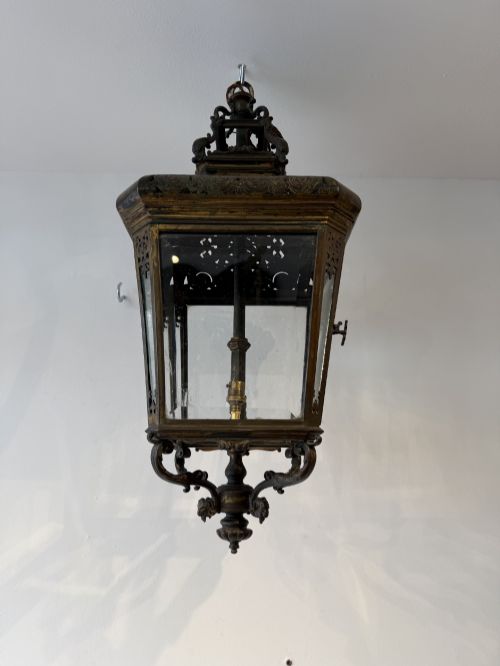
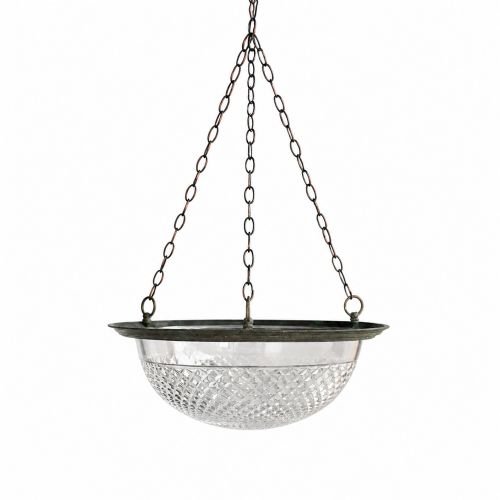
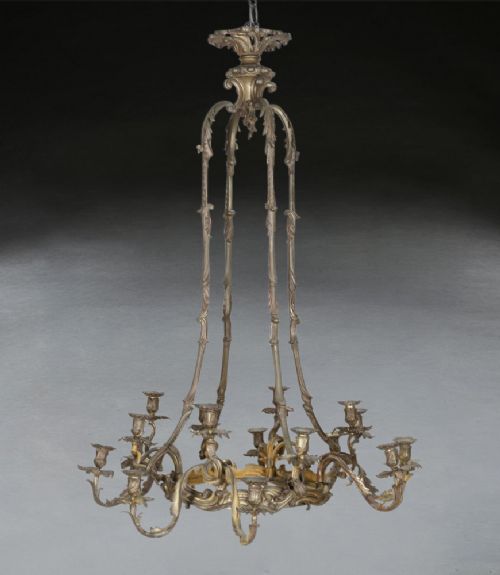
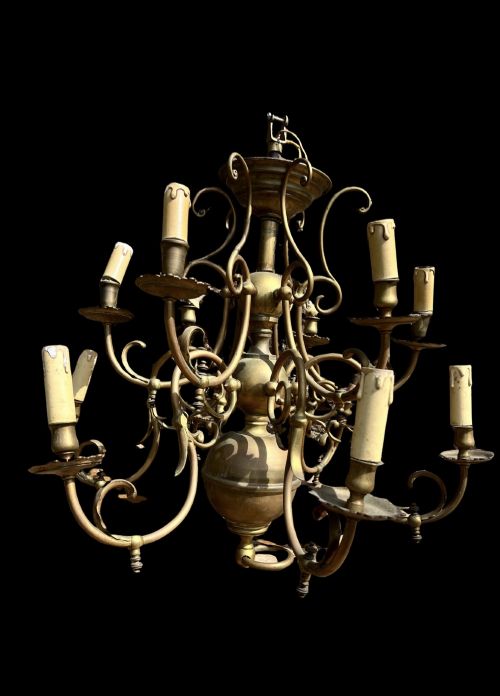
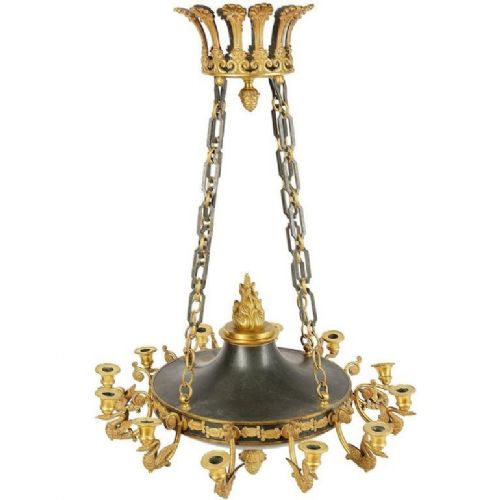
A patinated brass pendant light encompasses ceiling fixtures, chandeliers, hall lanterns, and plafonniers made from brass, bronze, and glass. These pieces originate across the nineteenth century and the early twentieth century, spanning styles from Victorian and Gothic Revival to Art Deco and French Empire.
Buyers browsing this selection most frequently encounter French bronze and brass chandeliers alongside hall lanterns dating from the nineteenth century up to the 1940s. The forms range from single-tier pendant lampshades to multi-tiered installations holding up to sixteen lights.
The materials reflect a prevalence of bronze and brass frames paired with cut or opalescent glass elements. Pieces often show the influence of French chateau and rococo design, alongside simpler English hallway lanterns.
How they were made
Metalworkers cast bronze and brass components to form the structural frames of these chandeliers and lanterns, applying dark chemical patination to achieve aged surface tones. Glass shades and drops, including opalescent and cut varieties, were blown or moulded to fit the metal mounts.
Construction techniques combine heavy metal casting with manual assembly, visible in the multi-tiered frames and fitted glass panels of period hall lanterns. Early electrical adaptations sit alongside original gasoliere fittings converted from gas illumination.
Some gasolieres retain their original swivel keys, designed for servants to light the gas jets before electricity reached the hallway ceiling.
What varies in quality
The quality of a patinated brass pendant light rests in the crispness of the bronze or brass casting and the depth of the metal patination. Finer examples display sharp architectural detailing on French empire or gothic frames rather than softened cast lines.
The integrity of the glass elements, from opalescent up-light shades to cut crystal drops, distinguishes the standard of manufacture. Weightier metal gauges and robust tier construction separate substantial hall lanterns from lighter domestic fixtures.
The Patinated Brass Pendant Light Glossary
- Patinated brass
- Metal surfaces treated with chemical processes to produce a darkened, aged appearance rather than a bright polished finish. This treatment protects the underlying alloy and gives an antique character.
- Plafonnier
- A ceiling-mounted light fixture positioned flat against the ceiling surface rather than suspended on a chain. These often incorporate glass bowls held within metal frames.
- Gasoliere
- A historic lighting fixture originally designed to burn coal gas before conversion to electricity. These date from the mid-nineteenth century and feature characteristic gas key valves.
- Opalescent glass
- Glass containing mineral additives that create a milky, translucent appearance with pearlescent colour shifts. It diffuses light softly in Art Deco pendant lampshades.
- Hall lantern
- An enclosed ceiling fixture designed for entranceways and corridors, typically featuring glazed panels set within a brass or bronze frame.
Patinated Brass Pendant Light: Frequently Asked Questions
How do I hang a heavy antique chandelier safely?
Suspension requires fixing directly into ceiling joists using a steel hook and patinated chain matching the fixture. Professional wiring ensures the internal antique brass assembly handles modern electrical loads safely.
Weight distribution matters greatly with multi-tiered bronze fixtures, so ceiling reinforcements should be checked prior to installation.
Can I clean the patinated brass finish?
Dusting with a dry, soft cloth preserves the dark chemical patination built up over decades. Abrasive polishes remove the aged surface and reduce the historical value of the bronze.
Preserving the darkened metal skin maintains the authentic visual weight intended by the nineteenth-century makers.
What is the difference between a pendant light and a chandelier?
Pendant lights generally hang from a single suspension point and may feature a single shade, such as an opalescent glass bowl. Chandeliers branch out into multiple arms holding several light sources across one or more tiers.
Both categories utilise brass and bronze structures but serve different spatial scales within a room.
How do I date an antique hall lantern?
Stylistic details such as Gothic Revival pointed arches, French Empire laurel wreaths, or Art Deco geometric lines provide primary dating clues. Construction methods like hand-cast bronze versus later stamped metal also indicate the era of manufacture.
Examining the original glass type and suspension hardware helps narrow the period further.