


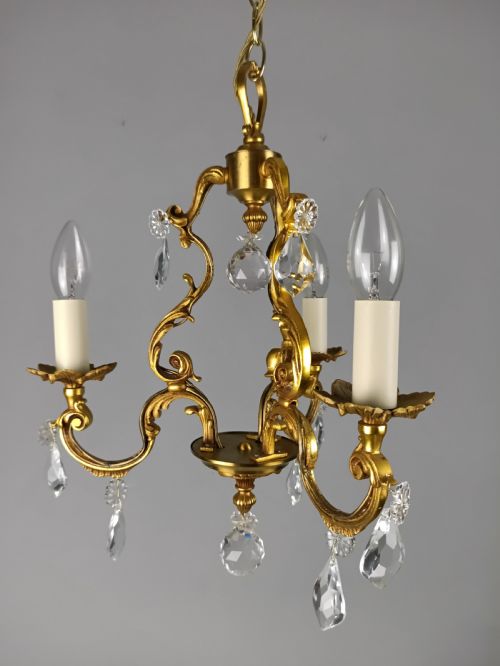


French Country Bronze Light
These french country bronze light fixtures bring rustic elegance and warm illumination to any interior space through authentic period craftsmanship.
French Country Bronze Light
A french country bronze light encompasses a variety of historical interior fittings designed to illuminate rooms with classic continental style. When exploring this selection, buyers encounter multiple forms including chandeliers, wall sconces, hall lanterns, and table lamps originating from the nineteenth and early twentieth centuries.
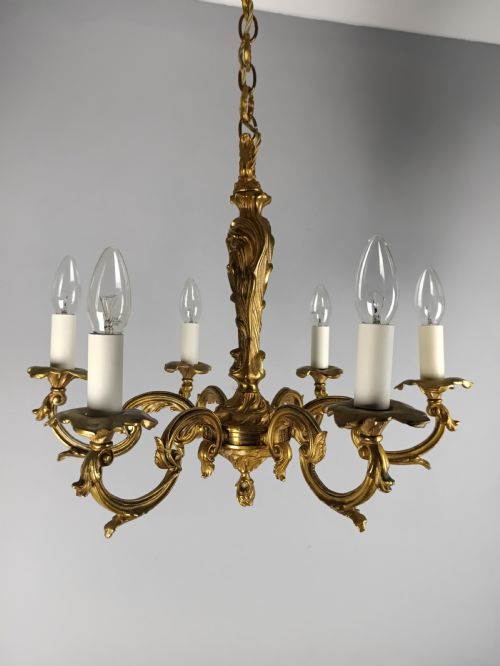
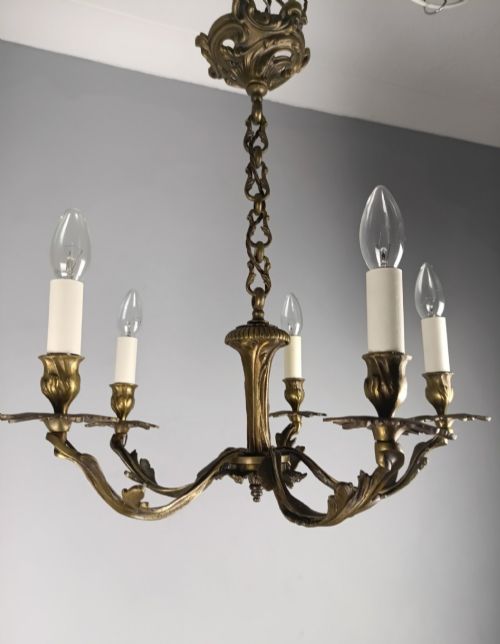
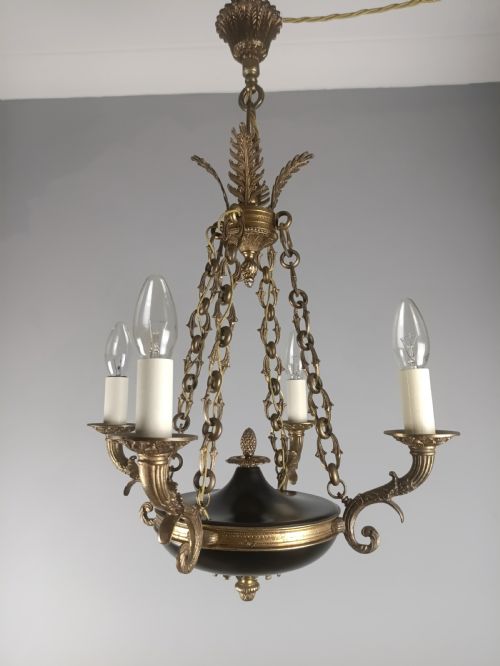
The most common examples appearing on this page date from the late nineteenth century through the nineteen-thirties. These pieces reflect distinct historical aesthetic movements such as Rococo, Empire, Neoclassical, and Provincial designs, often incorporating multiple arms or candle branches.
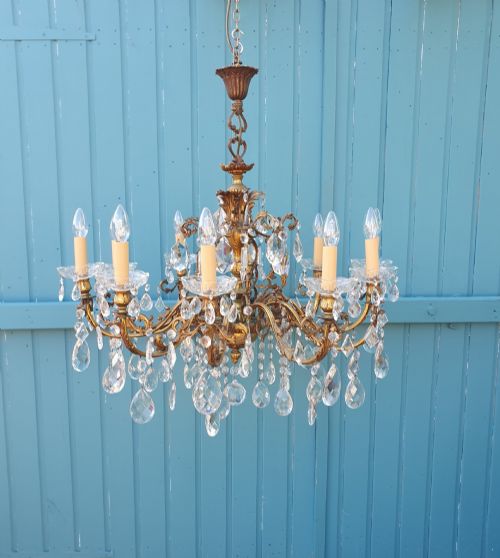
Lighting formats range from monumental multi-tier chandeliers hung with crystal drops to single-arm wall lights and decorative column lamps. Materials frequently extend beyond plain bronze to include gilt brass, crystal pendants, and porcelain elements.
Materials and construction
Makers utilised cast bronze, brass, and gilt metals as the primary structural foundations for these lighting fixtures. Metal components were shaped through traditional casting and chasing techniques to form intricate floral motifs, classical columns, and ornate arms.
Many fixtures incorporate decorative glass and crystal elements, including amber and mauve fruit drops, faceted beads, and cut glass pendants. Ormolu gilding and applied patination were regularly employed to finish the metal surfaces and enhance visual depth.
Complex designs often feature wired or oil-burning mechanisms integrated into central cage frames, faience pottery bases, or detailed toile de Jouy fabric components. Hand-assembly united the metal branches, crystals, and electrical or fuel fittings into cohesive hanging or stationary units.
Available forms include multi-arm chandeliers, wall sconces, hall lanterns, column table lamps, and cage chandeliers decorated with coloured crystal fruits.
Assessing quality and execution
Quality in these lighting fixtures rests upon the crispness of the metal casting and the depth of the chasing work. Finer examples display sharp relief on decorative details, clean joints between structural arms, and superior preservation of the original gilt or bronze patination.
The integration of glass and crystal components also dictates overall standard. Superior pieces feature hand-cut crystal drops with clear facets and secure wiring or mounting points that maintain the balance of multi-arm chandeliers and wall lanterns.
The French Country Bronze Light Glossary
- Ormolu
- A technique of applying finely ground high-carat gold to a bronze object using a mercury amalgamation process. This finish provides a brilliant golden lustre characteristic of luxury continental decorative arts.
- Cage chandelier
- A lighting form constructed around an open metal skeletal frame or cage. Crystal strands and drops are typically draped across the interior and exterior framework to refract light.
- Hall lantern
- An enclosed hanging light fixture designed primarily for corridors, entryways, and stairwells. These fixtures usually feature glass panels held within a bronze, brass, or iron frame.
- Wall sconce
- A decorative lighting fixture fixed directly to a vertical wall surface. These pieces project one or more arms forward to hold candles or electric lamp holders.
- Faience
- Tin-glazed earthenware produced in France and often utilised as a decorative base or column material for period oil lamps. It provides a smooth ceramic surface painted with traditional motifs.
French Country Bronze Light: Frequently Asked Questions
How do I clean antique bronze chandeliers?
Dust the metal gently using a soft, dry brush to preserve the underlying patina and gilt surfaces. Avoid harsh chemical cleaners that can strip historical finishes from the bronze.
For crystal drops and glass fruit elements, remove them carefully and wash them in lukewarm soapy water before drying thoroughly. Reattach each piece securely to maintain the original balance of the fixture.
Are these lights wired for modern electricity?
Many surviving nineteenth and early twentieth-century fixtures have been adapted for modern electrical standards over time. It is advisable to consult a qualified electrician to inspect the internal wiring before installation in a home.
Some pieces retain original conversion elements from oil or gas to electricity, requiring careful handling to ensure safe daily operation.
What is the difference between gilt bronze and gilt brass?
Gilt bronze, frequently termed ormolu in finer antique pieces, involves a heavier copper-alloy casting with a warm, deep metallic tone beneath the gold layer. Brass contains higher zinc content, yielding a slightly brighter yellow base metal colour.
Both materials were widely utilised across French lighting design, with bronze generally reserved for heavier, more intricately chased structural components.
How can I date a French bronze light?
Dating relies on examining stylistic indicators such as Rococo asymmetry, Empire classical motifs, or later twentieth-century simplification of cast forms. Manufacturing techniques, screw types, and mounting methods also offer clues to the period of production.
Comparative analysis with documented examples from the nineteenth and early twentieth centuries helps narrow down the probable decade of origin.