
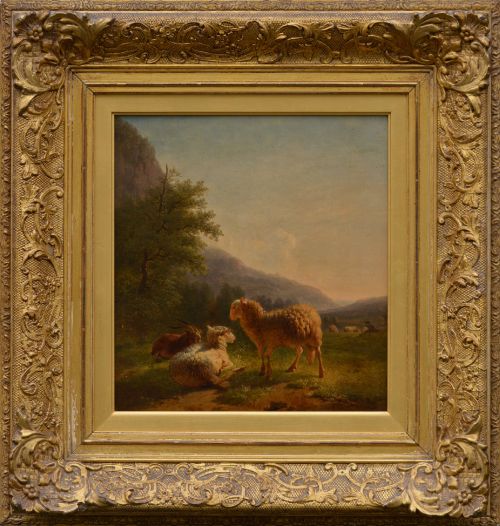


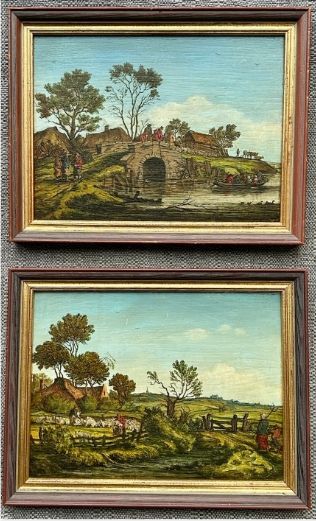
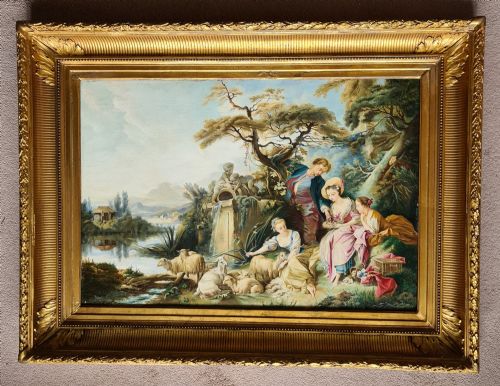
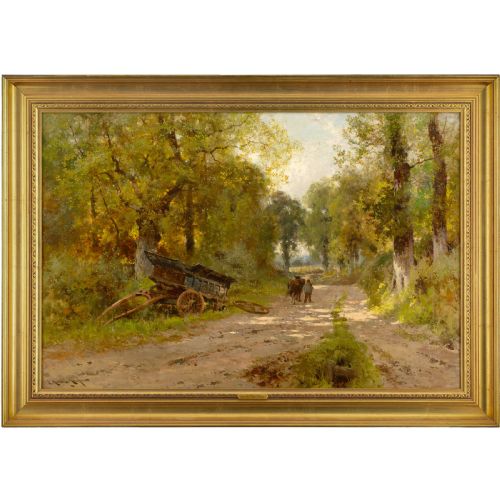
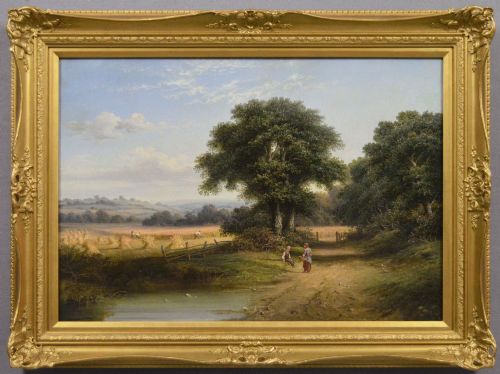
Pastoral Landscape Oil Painting
When you examine a pastoral landscape oil painting, you find works depicting rural idylls, livestock, and herdsmen originating primarily from the eighteenth, nineteenth, and early twentieth centuries.
Pastoral Landscape Oil Painting
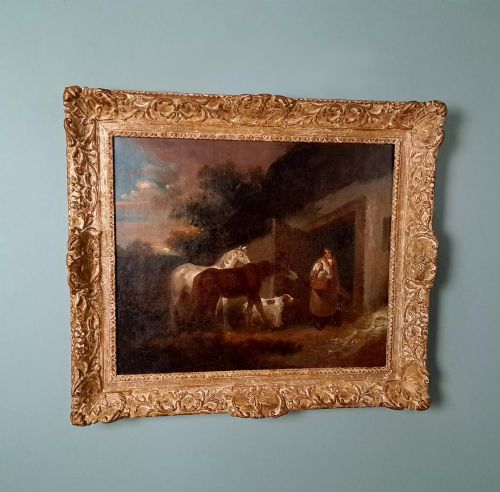
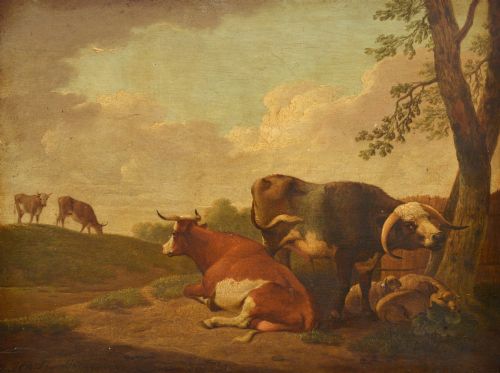
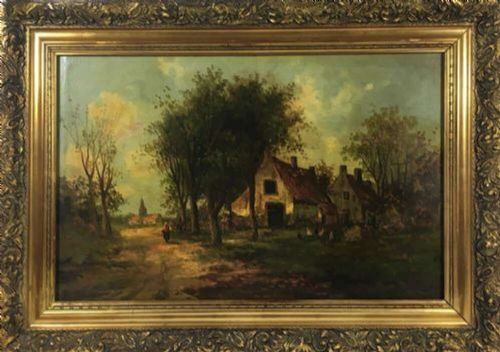
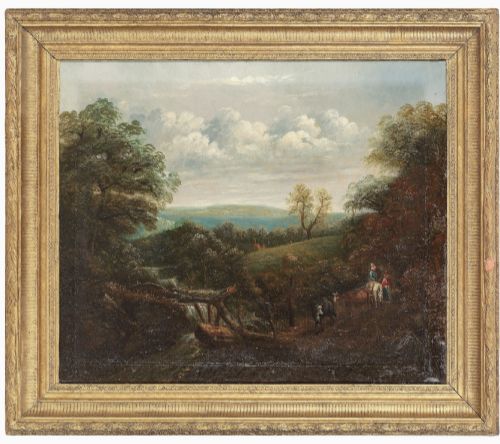
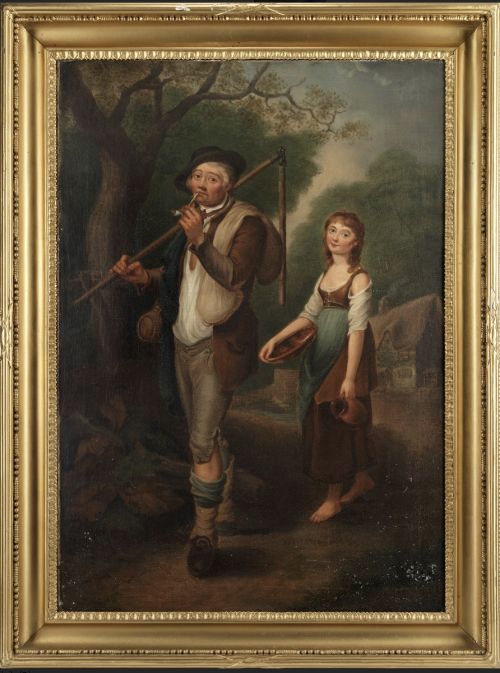
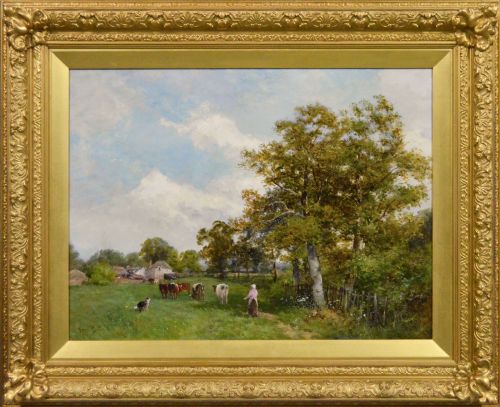
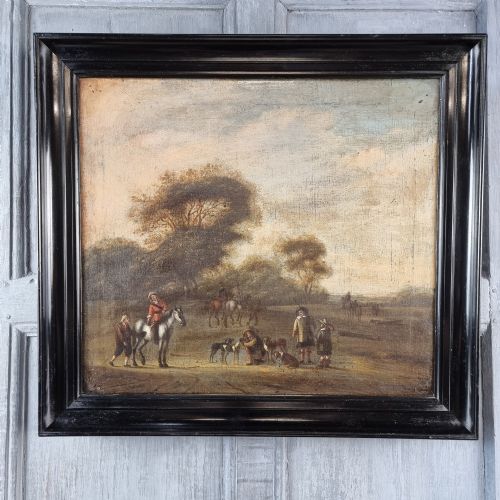
A pastoral landscape oil painting typically captures rural scenes filled with livestock, shepherds, cattle, and quiet rivers under varied atmospheric skies. These works stem predominantly from nineteenth-century British, French, and Dutch traditions, alongside notable eighteenth-century Grand Tour examples.
Subjects range from grand Scottish Highland scenes featuring sheep and cattle to intimate depictions of farmyards, milkmaids, and figures harvesting crops. Buyers frequently encounter framed works on canvas and wood panels representing distinct regional schools such as the Barbizon or Norwich movements.
Materials and Techniques
Artists painted primarily with oil paint applied to stretched canvas, prepared wood panels, and occasionally milk glass or wooden boards. These supports received priming layers of gesso to secure the pigment and provide a stable ground for detailed brushwork.
Frames completed the pieces, often utilising moulded wood, gesso ornamentation, and gold leaf gilding. Many surviving works retain their original giltwood or carved wooden frames, preserving the historical presentation of the artwork.
Pastoral Landscape Oil Painting Retail Price Guide 2026
Typical asking prices for pastoral landscape oil painting among the pieces listed under this phrase on Sellingantiques today, from the lower quarter to the upper quarter. They describe what is for sale here now, not the wider market.
Listings feature works spanning the seventeenth century through to the early twentieth century, utilising oil on canvas, wood panels, and milk glass.
Assessing Artistic Merit
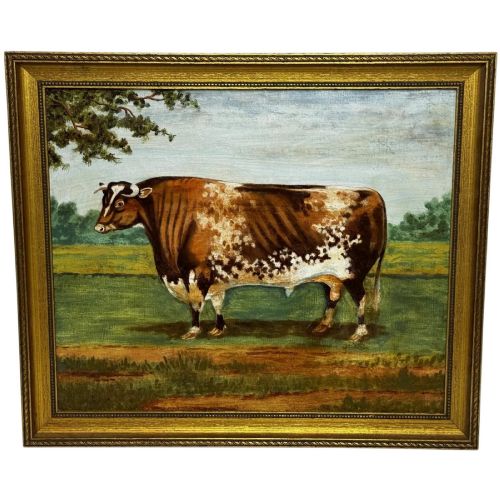
Quality rests upon the artist's handling of light, brushwork confidence, and the naturalistic rendering of animals and human figures within the scenery. Superior examples display subtle tonal transitions and careful observation, whereas simpler works lean towards provincial naive execution.
The integration of the composition, the depth of the landscape perspective, and the preservation of the original paint surface determine the distinction between standard decorative pieces and significant works by recognised European schools.
Eugène Verboeckhoven·William H Myers·Tom Campbell·John Horace Hooper·William Joseph Shayer Senior·Hendrik Willem Schweickhardt·Thomas Barker of Bath·David Bates·Walter Heath Williams·Jacob Philipp Hackert·Thomas Sidney Cooper·Ernest Higgins Rigg·Robert Watson·Albert Rieger·William Watson Jnr·Douglas Cameron·Johann Friedrich Voltz·Henry H Parker·Miles Birkett Foster·Henry Schouten·James Arthur O’Connor·Otto Von Thoren·Carlo Follini·Michael Therkildsen·T Smythe
The Pastoral Landscape Oil Painting Glossary
- Oil on Canvas
- A painting technique where oil-based pigments are applied to a woven fabric support stretched across a wooden frame. This combination allows for rich blending of colours and durable longevity.
- Wood Panel
- A rigid support constructed from timber boards used frequently by European artists before canvas became universal. Panels often preserve finer detail than woven supports.
- Gesso
- A traditional paint mixture consisting of a binder mixed with chalk, gypsum, or pigment used to prepare wood or canvas surfaces. It creates a smooth, absorbent base for oil painting.
- Giltwood
- Timber carved and coated with a thin layer of gold leaf or metallic powder. This material defined traditional picture framing throughout the eighteenth and nineteenth centuries.
- Barbizon School
- A mid-nineteenth-century French art movement focused on realist landscape painting inspired by direct observation of nature. Painters within this circle emphasised atmospheric rural scenes and farmyards.
Pastoral Landscape Oil Painting: Frequently Asked Questions
What defines a pastoral landscape?
A pastoral landscape focuses on rural scenery, agriculture, and animal husbandry, typically featuring herdsmen, cattle, sheep, and tranquil riversides.
These compositions romanticise country life and agrarian routines across different European and British regional styles.
How are wood panel paintings dated?
Dating relies on the preparation of the wood, framing construction, stylistic conventions, and artist signatures recorded in the historical record.
Panel preparation often reflects specific regional woodworking traditions prevalent during the eighteenth and nineteenth centuries.
Where should these paintings be hung?
These works suit traditional living spaces, libraries, and studies where subdued lighting enhances the rich oil pigments and giltwood frames.
Direct sunlight and excessive humidity should be avoided to protect the canvas and wooden supports over time.
What is provincial naive art?
Provincial naive art describes paintings created outside formal academic traditions, often featuring charmingly direct perspectives and simplified forms.
Such pieces offer an unpretentious view of local rural life captured by lesser-known or self-taught painters.