





Parquetry Wood Box
A parquetry wood box brings geometric precision to a room, offering a tactile store for letters, cards, or keepsakes.
Parquetry Wood Box
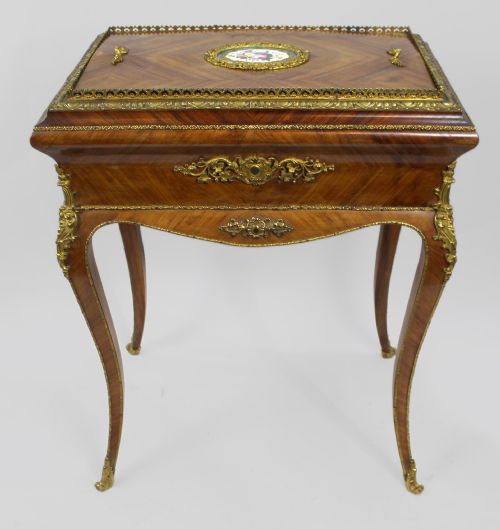
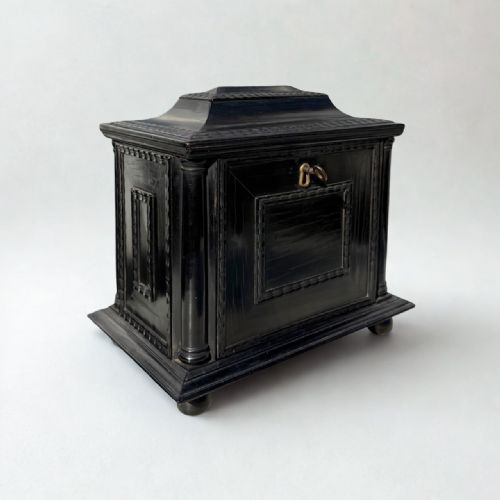
A parquetry wood box uses small, precisely fitted geometric veneers to cover surfaces in intricate patterns, creating visual depth from simple timber. When you examine a parquetry wood box on this page, you encounter pieces designed for practical containment, from tea caddies and stationery boxes to keepsake chests and games boards.
The selection ranges across several centuries, showing distinct regional tastes and technical ambitions. Victorian and Regency examples appear frequently, alongside earlier 18th-century caskets and specialised Tunbridge Ware productions.
Makers utilised contrasting timbers to build checkerboard, cube, and mosaic designs that play with light as the viewing angle shifts. These containers served domestic functions in studies, drawing rooms, and bedrooms, holding precious commodities or personal correspondence.
Materials and construction methods
Craftsmen built these containers using a solid wood carcass, often walnut, rosewood, or ebony, before applying thin veneers cut into exact geometric segments. Woods such as boxwood, satinwood, kingwood, and various specimen timbers provided natural contrast in colour and grain without relying on applied paint.
Specialist workshops employed fine saws and shooting boards to ensure every tessellation fitted together tightly before gluing to the foundation. Brass hinges, locks, and ormolu mounts were integrated to secure lids and drawers, adding structural durability alongside decorative weight.
Parquetry Wood Box Retail Price Guide 2026
Typical asking prices for parquetry wood box among the pieces listed under this phrase on Sellingantiques today, from the lower quarter to the upper quarter. They describe what is for sale here now, not the wider market.
The listings feature walnut, rosewood, kingwood, and boxwood across periods spanning from the seventeenth century to the early twentieth.
Judging execution and finish
Quality rests in the absolute precision of the veneer joints and the selection of timber contrasts. Superior pieces display seamless geometric alignment where lines meet sharply without filler or gaps, whereas simpler items tolerate minor discrepancies in the pattern grid.
The choice of secondary woods and the refinement of interior fittings also separate standard production from masterwork output. Finer examples retain original locks, keys, and fitted compartments lined in silk or velvet, executed with proportional harmony across the entire carcass.
Henry Hollamby·Edmund Nye·Victor Raulin
The Parquetry Wood Box Glossary
- Parquetry
- Geometric mosaic woodwork formed by fitting small veneer pieces together. It differs from marquetry by sticking strictly to angular and repeating patterns rather than pictorial scenes.
- Veneer
- A thin slice of figured wood applied over a stable secondary timber carcass. This technique allowed cabinetmakers to display costly grains efficiently.
- Tunbridge Ware
- Woodware decorated with mosaic tesserae made in Kent, creating microscopic pictorial or geometric motifs. Makers cut thousands of multi-coloured wood rods into tiny tiles to build up the surface.
- Carcass
- The foundational wooden body of a box or piece of furniture before decorative veneers or mounts are applied. Its construction quality dictates the long-term stability of the object.
- Sarcophagus form
- A box shape featuring a sloping lid and inverted stepped sides, popular during the Regency period for tea caddies and workboxes.
Parquetry Wood Box: Frequently Asked Questions
What were parquetry boxes used for?
These boxes held valuable commodities, writing materials, and personal items like tea, letters, stamps, and games pieces.
Their secure locks and compartmentalised interiors protected delicate or private possessions from dust and unauthorized access in busy domestic spaces.
How do I date a wood box?
Dating relies on timber choices, construction methods, hardware style, and distinct decorative movements like Regency or Victorian revivalism.
Examining the interior carcass and secondary woods often reveals the technological limits and material availability of the period.
Where should I place one?
Place them on desks, side tables, or bookshelves where the geometric veneer catches natural light and reveals its grain depth.
Keep them away from direct sunlight and rapid temperature changes to protect the delicate wood veneers from splitting or lifting.
What is Tunbridge Ware?
Tunbridge Ware is a specialised form of mosaic woodworking developed in Kent, using thousands of tiny coloured wood blocks.
These blocks form intricate geometric borders or detailed pictorial scenes of castles, butterflies, and flowers across the box lid.