


Paris Landscape Oil Artwork
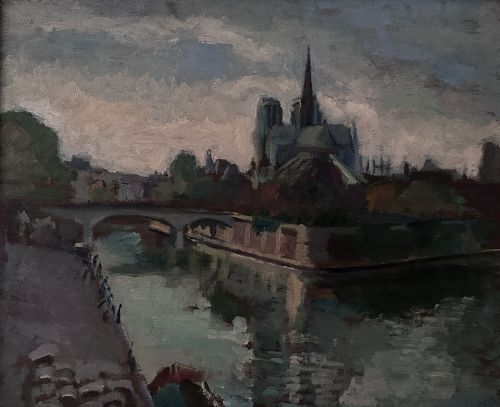
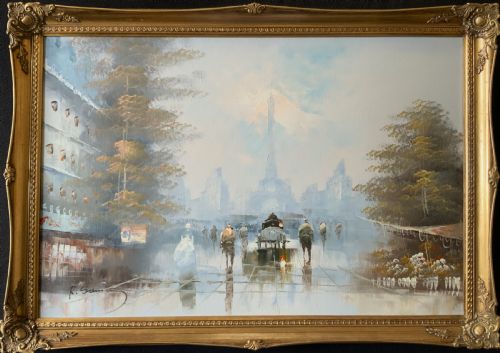
These paris landscape oil artwork pieces capture cityscapes and river scenes through impressionist brushwork and framed canvases.
Paris Landscape Oil Artwork
Paris landscape oil artwork captures iconic cityscapes, river views and street scenes through various twentieth-century movements. Buyers will find works spanning from the nineteenth century through the nineteen-sixties, depicting familiar locations such as Notre Dame, the Seine and Montmartre.
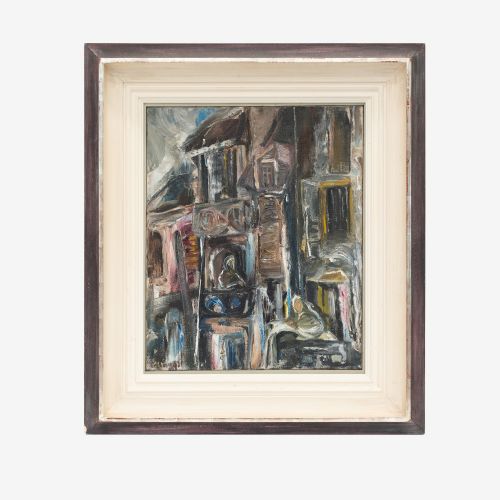
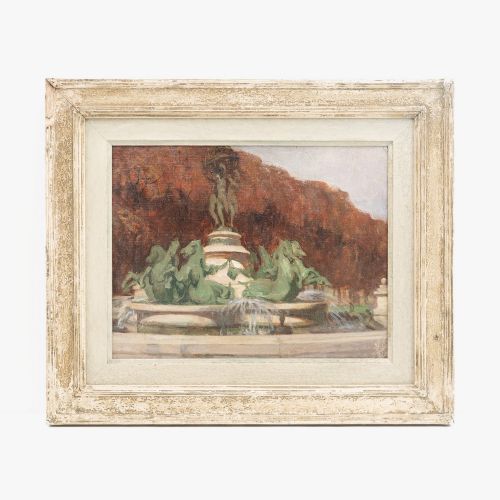
The pieces on this page appear in forms ranging from traditional canvas stretched over wooden frames to compact works executed on board. Framed presentations frequently incorporate gilt wood surrounds that complement the tonal palette of the painted surface.
Materials and technique
Artists apply oil paint to woven canvas or rigid wooden board, building texture and depth through layered application. The physical support is typically secured within a wooden or gilded frame designed to enclose and protect the composition.
Brushwork varies from loose impressionist dabs that suggest movement in Parisian streets to more structured mid-century expressions. Pigments retain their rich appearance over decades, supported by the stable nature of oil binders on prepared grounds.
Listings feature works created across multiple decades, spanning from the nineteenth century through the nineteen-sixties.
Factors that distinguish quality
The handling of light and atmospheric perspective separates accomplished compositions from more routine renderings of city views. Stronger works demonstrate a confident command of tone that effectively evokes the Parisian atmosphere during different eras.
Framing also plays a role in the overall presentation, with period gilt wood surrounds enhancing the visual weight of the canvas. The clarity of the artist's touch and the preservation of the paint surface further distinguish individual examples.
Lilian Colbourn·Alexander Jamieson·Caroline Burnett·Gabriel Dauchot·Ron Folland·Merio Ameglio·Eduard Leon Cortes·Paul Viry
The Paris Landscape Oil Artwork Glossary
- Impressionism
- A nineteenth-century painting style focusing on accurate depiction of light and fleeting moments. Artists utilise visible brushstrokes and unblended colour.
- Oil on Canvas
- A traditional painting method where oil-based pigments are applied to woven fabric stretched over a frame. This combination provides flexibility and durability.
- Gilt Wood
- Wood treated with a thin layer of gold leaf or metallic gilt paint. Such frames are frequently paired with vintage landscape paintings.
- Post-Impressionism
- An art movement extending impressionist techniques while exploring emotional depth and geometric forms. Works in this style show distinct individual interpretations of urban scenes.
Paris Landscape Oil Artwork: Frequently Asked Questions
How do I date a paris landscape oil artwork?
Dating relies on stylistic clues, framing materials, and recorded signatures or dates left by the artist on the canvas or board. Twentieth-century works often reflect mid-century or impressionist movements typical of their decade.
Examining the reverse of the canvas or the construction of the wooden stretcher can also provide additional indicators regarding the age of the piece.
Where were these paintings displayed?
These works are traditionally created for domestic interior display, frequently housed within decorative wooden frames suited for living spaces.
Collectors historically hung them in studies, drawing rooms, or galleries to bring views of Parisian streets and rivers into the home.
How should I care for an oil painting on canvas?
Maintain stable indoor humidity and temperature to prevent the canvas from slackening and to protect the wooden frame from warping. Avoid direct exposure to strong sunlight to keep oil pigments from fading.
Dust the surface gently with a soft, dry brush without applying liquid cleaners directly to the painted canvas.
What subjects appear most often in these artworks?
Common subjects include street scenes, river views of the Seine, and landmarks such as Notre Dame and the Eiffel Tower. Artists frequently capture these locations during different seasons and times of day.
Views range from bustling boulevards to quiet winter settings in Montmartre.