


Paris Cityscape Painting
A paris cityscape painting captures the enduring charm of the French capital through oil on canvas, wood, and gilded frames across the nineteenth and twentieth centuries.
Paris Cityscape Painting
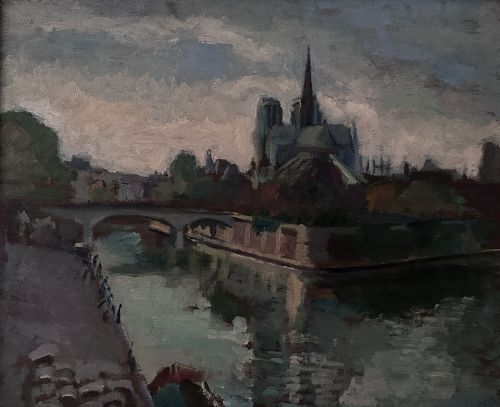
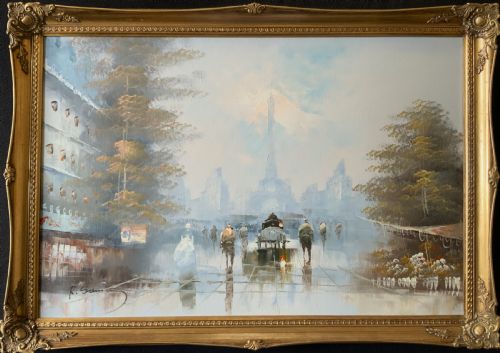
A paris cityscape painting focuses on iconic urban views such as Notre Dame, the Eiffel Tower, the River Seine, and Montmartre. These works capture the streets, quays, and monuments of the French capital through various artistic interpretations.
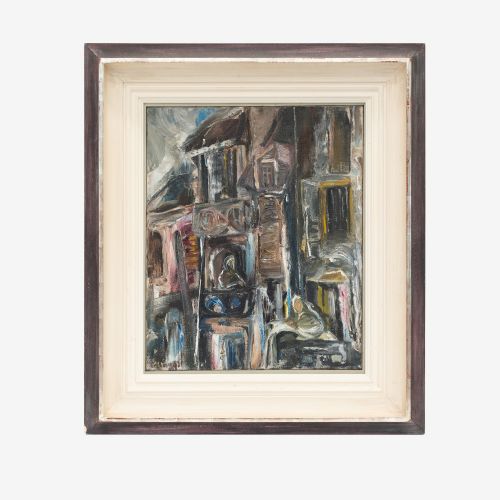
The pieces available span from the nineteenth century through the 1960s, encompassing distinct periods including the Belle Epoque, mid-century modernism, and post-impressionism. Buyers encounter works rendered in oils and watercolours, frequently housed in wood or gilt wood frames.
Most examples originate from the twentieth century, particularly the 1950s and 1960s, alongside earlier works from the 1910s, 1920s, and 1930s. These paintings document the evolving atmosphere of Parisian life across different decades.
Materials and Technique
Artists primarily employed oil paint on canvas or wood boards to construct these urban scenes, building texture and depth with brushwork. Watercolours on paper also appear among the recorded works.
Many paintings retain their period frames, constructed from wood with gilded or gilt wood finishes that complement the painterly style.
Materials recorded across the selection include oil on canvas, oil paint, oil on board, watercolours, and gilded wood frames.
Assessing Quality
Quality rests in the handling of light, brushwork, and composition, distinguishing routine topographical views from works with atmospheric presence and confident execution. The distinction lies in how effectively the painter conveys the movement and mood of the capital.
The integrity and period compatibility of the frame also contribute to the overall standing of the piece, as original gilded wood settings enhance the visual impact of the canvas.
Lilian Colbourn·Caroline Burnett·Victor Gabriel Gilbert·Gabriel Dauchot·Ron Folland·Merio Ameglio·Eduard Leon Cortes·Noel Harry Leaver·Emerson H Groom
The Paris Cityscape Painting Glossary
- Impressionism
- A nineteenth-century painting style characterised by relatively small, thin, yet visible brush strokes and an emphasis on accurate depiction of light. It forms a cornerstone of many Parisian street scenes.
- Post-Impressionism
- A predominantly French art movement that developed from about 1886 to 1905, extending Impressionism while rejecting its limitations. Artists applied more symbolic use of colour and distinct brushwork.
- Gilt Wood
- Wood that has been treated with a thin layer of gold leaf or gold paint. Frames utilising this technique frequently accompany antique and vintage artworks.
- Pont Neuf
- The oldest standing bridge across the River Seine in Paris, frequently depicted in historical cityscape paintings. It remains a recurring landmark in French topographical art.
Paris Cityscape Painting: Frequently Asked Questions
How do I date a Paris painting?
Dating relies on stylistic clues, framing materials, and recorded signatures or dates left by the artist on the canvas or board. Twentieth-century works often reflect mid-century modernist or impressionist conventions popular at the time.
Examining the canvas preparation and the construction of the wood stretcher frame provides additional context for determining the approximate age of the piece.
What subjects appear most frequently?
Common subjects include the River Seine, Notre Dame, the Eiffel Tower, Montmartre, and busy Parisian street scenes with figures. Artists frequently returned to these recognizable landmarks.
Views also extend to quieter quays, bridges such as the Pont Neuf, and suburban districts captured during different seasons.
Are these paintings on canvas or board?
The evidence shows works executed on both stretched canvas and wood boards, alongside watercolour paintings on paper. Oil on canvas remains the most common medium.
Support types varied according to the artist's preference and the scale of the composition.
How should I frame these works?
Many examples are already housed in period wood frames or vintage gilt wood mouldings that match the era of the painting. Preserving these frames maintains the historical integrity of the piece.
When reframing is necessary, select wood or gilded profiles appropriate to the mid-century or early twentieth-century aesthetic.