

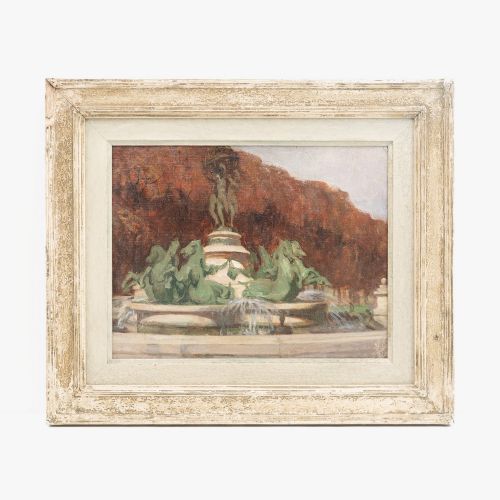


Oil Painting of Paris
An oil painting of paris captures the enduring charm of the French capital across changing artistic movements from the nineteenth century onward.
Oil Painting of Paris
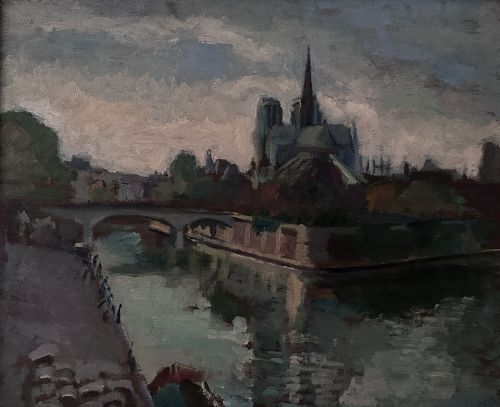
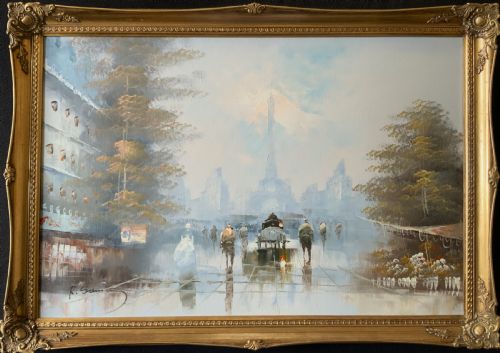
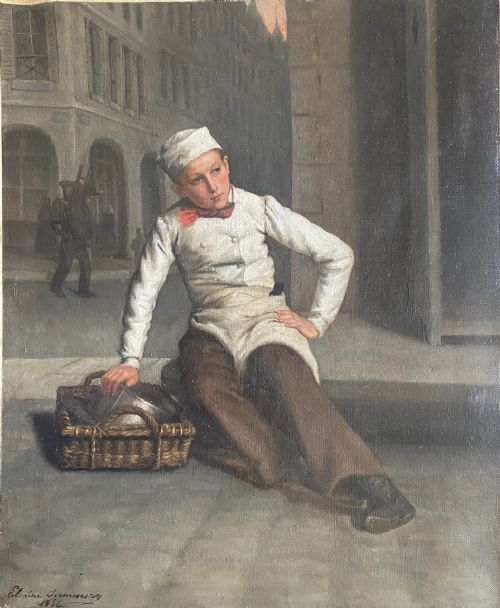
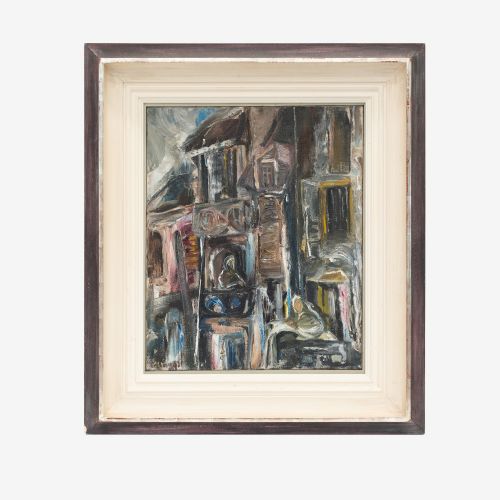
An oil painting of paris brings the street scenes, monuments and river views of the city directly into a room. These works range from nineteenth-century academic canvases and Barbizon school landscapes to mid-century modern cityscapes and post-impressionist river views.
Buyers will find depictions of familiar landmarks such as Notre Dame, the Eiffel Tower, the Pont Neuf and Montmartre. The selection includes bustling boulevards, quiet suburbs and atmospheric interior genre scenes linked to the city.
Works appear in various formats including oil on canvas, oil on board and panel, often housed within period gilt wood frames.
Materials and technique
Artists relied primarily on oil paint applied to stretched canvas, wooden panels or thick board, using brushes and palette knives to build texture. Pigments capture the changing light on the River Seine and the stone facades of Parisian buildings.
Many of these works retain their original or period frames constructed from wood, often finished with gilt or gilded wood to complement the painted surface.
Framing materials recorded include gilded wood and carved wood frames accompanying impressionist and post-impressionist cityscapes.
Judging quality
Quality rests in the handling of light, brushwork confidence and compositional balance rather than the mere recording of a famous landmark. A strong impressionist or post-impressionist canvas demonstrates vitality and atmosphere through assured pigment application.
The integration of the frame with the painting also influences the piece, as period gilt wood frames designed specifically for the canvas enhance the overall integrity of the artwork.
Paul Désiré Trouillebert·Lilian Colbourn·Alexander Jamieson·Caroline Burnett·Victor Gabriel Gilbert·Gabriel Dauchot·Ron Folland·Merio Ameglio·Eduard Leon Cortes·Pinchus Krémègne·Paul Viry·George Hayter·Jules Ribeaucourt·Michel Katzaroff
The Oil Painting of Paris Glossary
- Barbizon School
- A nineteenth-century movement towards realism in landscape painting, emphasising direct observation of nature. Artists associated with this group worked in the forest of Fontainebleau and around Paris.
- Post-Impressionism
- A French art movement developing roughly from the late nineteenth century that extended impressionism while rejecting its limitations. Painters pursued more symbolic content and personal expression.
- Oil on Canvas
- Pigments suspended in a drying oil applied to a woven fabric support stretched across a wooden frame. This combination provides durability and a textured surface for expressive brushwork.
- Gilt Wood
- Wood carved and coated with a thin layer of gold leaf or gold paint. This finish frequently decorates traditional frames surrounding Parisian cityscapes.
Oil Painting of Paris: Frequently Asked Questions
What periods do these paintings cover?
The available selection spans from the mid-nineteenth century through the twentieth century, encompassing academic salon works, impressionist views, and mid-century modern interpretations of the city.
These eras reflect the changing artistic approaches to capturing Parisian street life, river scenes, and architectural landmarks over more than a century.
How should I care for an oil painting?
Keep the canvas away from direct sunlight, damp environments, and rapid temperature fluctuations to protect both the oil pigments and the wooden support.
Dust the surface gently with a soft, dry brush and avoid using water or liquid cleaners on either the paint or the gilt wood frame.
Are these paintings supplied with frames?
Many listings include period frames such as vintage gilt wood or carved wooden surrounds that complement the age and style of the artwork.
Checking the individual description confirms whether a specific painting retains its original or a subsequent framing.
What subjects are most common?
Cityscapes featuring Parisian streets, cafes, and landmarks like Notre Dame, the Eiffel Tower, and the Seine appear frequently across the selections.
Other common subjects include quiet suburbs, Montmartre snow scenes, and figurative genre portraits set within the French capital.