


Paper Watercolour Sketch
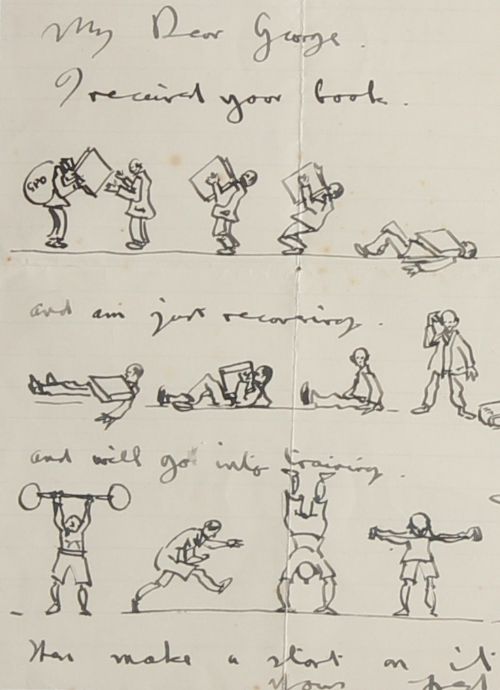
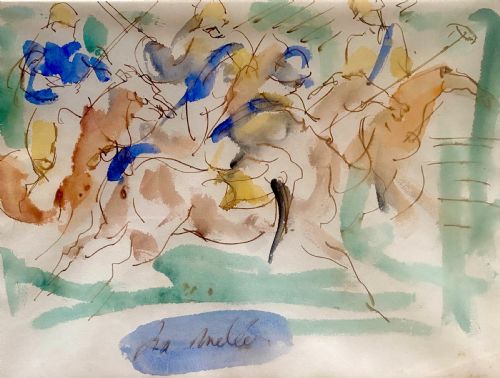
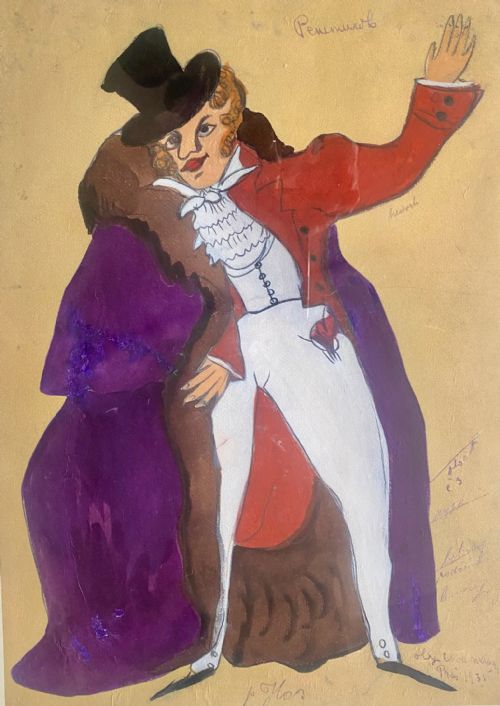
A paper watercolour sketch captures a direct moment of observation on paper, prized for its immediacy and intimate scale.
Paper Watercolour Sketch
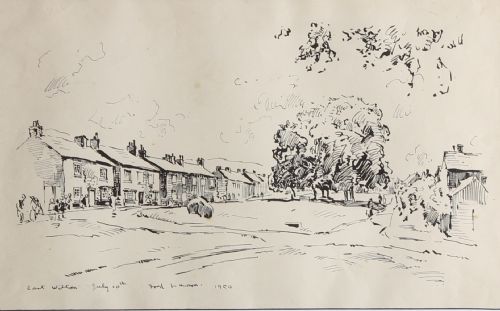
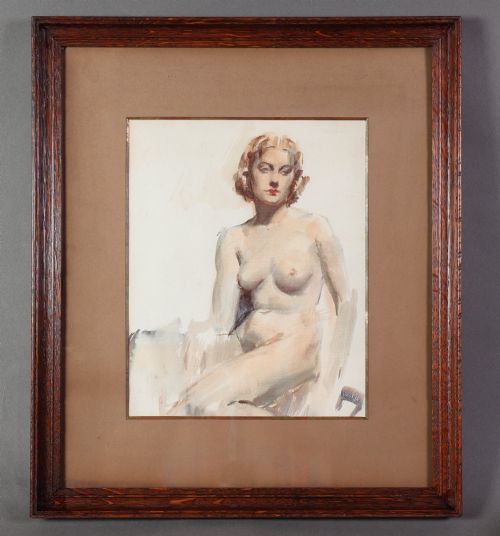
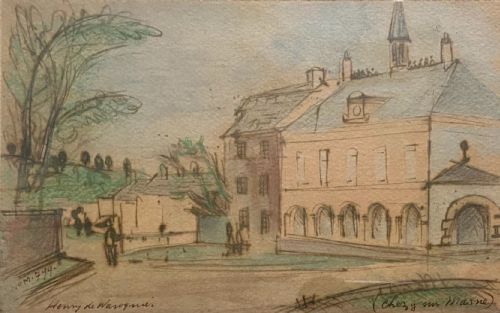
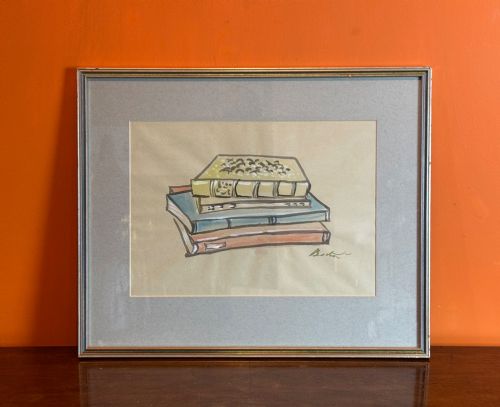
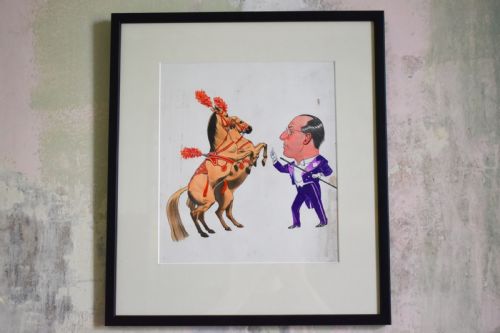
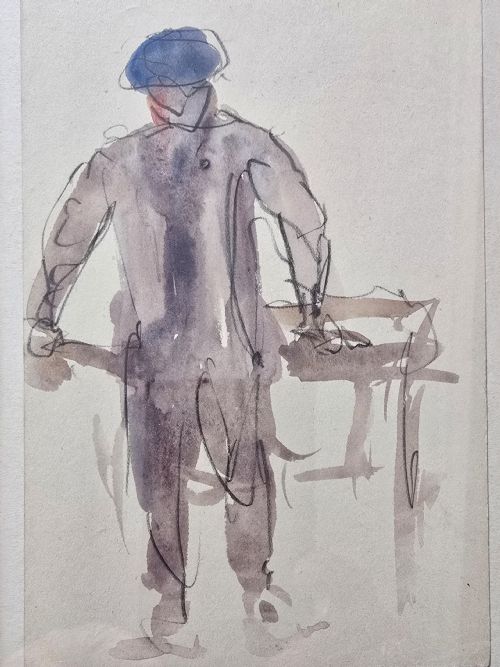
A paper watercolour sketch represents an intimate, direct method of capturing visual ideas, ranging from rapid landscape studies to finished portraits. When exploring paper watercolour sketch options, buyers encounter works spanning the Georgian, Victorian, and mid-century modern eras.
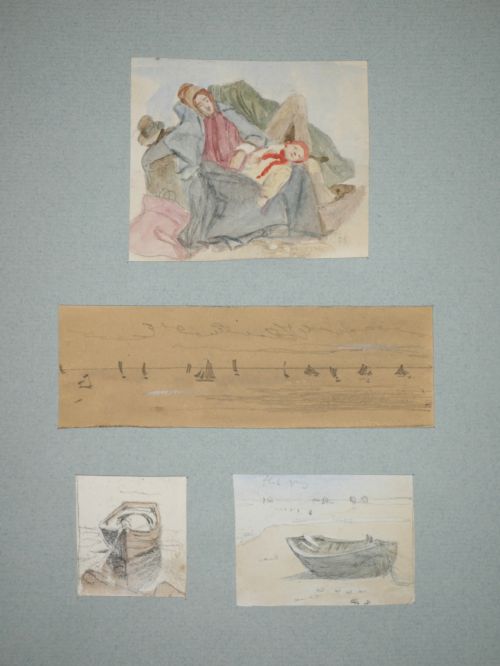
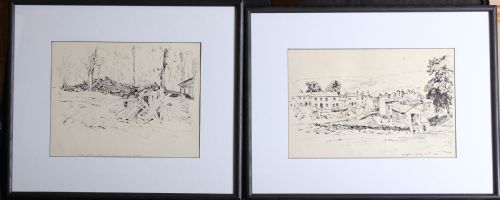
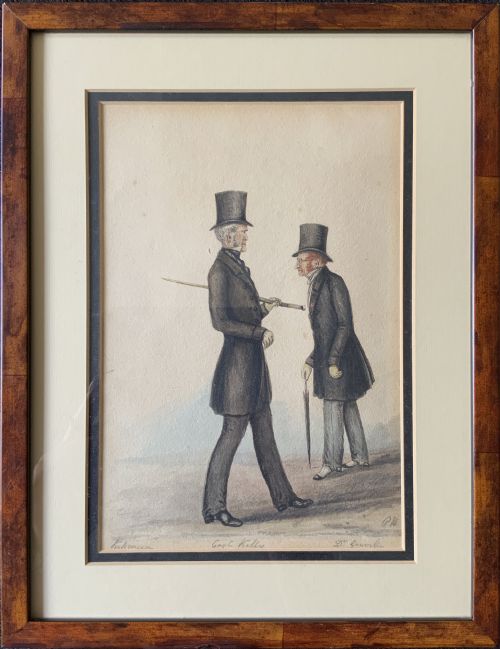
The selections on this page encompass framed artwork, bound albums, and loose drawings executed by named artists and anonymous hands alike. Common subjects involve British landscapes, maritime scenes, townscapes, and character studies set against paper supports.
Materials and execution
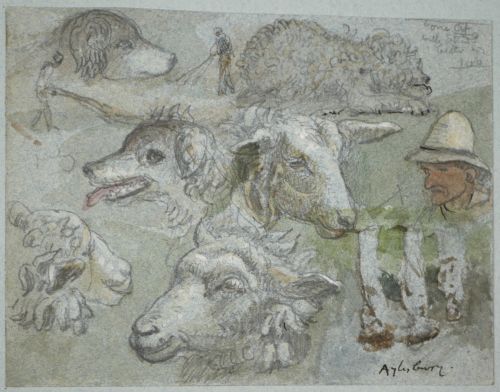
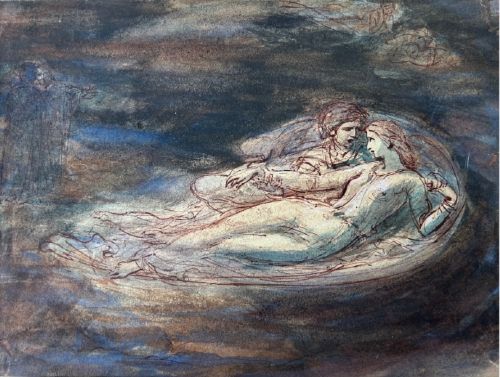
Artists executed these works on paper supports, combining watercolour pigments with ink, pencil, graphite, gouache, or wash. The application often involved quick linear work in ink or pencil overlaid with transparent washes of watercolour.
Protective framing frequently incorporates glass and wood, preserving the delicate paper and water-soluble pigments from atmospheric damage.
Several sheets preserve intimate glimpses of the past, including a Victorian girl reading a newspaper with a hidden painting on the reverse.
Distinctions in quality
Quality rests upon the sureness of the draftsmanship and the vitality of the brushwork, where confident lines and deliberate pigment placement distinguish accomplished masters from routine practitioners. The preservation of the paper support and the vibrancy of the original watercolours significantly influence the overall integrity of the piece.
Context also defines standing, as works bearing clear attribution to known artists or established schools carry greater documentary and aesthetic weight than anonymous studio exercises.
Fred Lawson·James Smetham·Henry de Waroquier·Cecil Beaton·Michael Healy·Gen Paul·Olga Choumansky·George F Pennington·William Frederick Settle·Edward Dayes·YA MING·Arthur Todd·Thomas Rowlandson·Hercules Brabazon Brabazon·Johan Noah Bemmel·Charles Prosper Sainton·Walter Sickert·Maurice Asselin·Kees van Dongen·Dame Laura Knight
The Paper Watercolour Sketch Glossary
- Gouache
- An opaque watercolour paint mixed with a white pigment to create a heavier, solid finish. It allows for highlights that sit above transparent washes.
- Wash
- A thin, semi-transparent layer of diluted watercolour applied evenly across the paper to create background tones or skies.
- Graphite
- A form of carbon used for preliminary sketching beneath watercolour applications or as a finished linear medium on paper.
- Pre-Raphaelite
- A 19th-century artistic movement focused on detailed observation, bright colours, and serious subjects, often reflected in careful works on paper.
Paper Watercolour Sketch: Frequently Asked Questions
How should I display paper watercolour sketches safely?
Keep works behind glass away from direct sunlight to prevent the watercolour pigments from fading over time. Maintaining stable indoor humidity levels also protects the underlying paper support from warping.
Choose archival mounting materials and professional framing to ensure the paper breathes without touching the glass directly.
Are these works finished paintings or preliminary studies?
Many items function as preparatory studies or rapid records made on location, while others represent complete, signed compositions intended for exhibition. Artists valued the speed of watercolour for capturing fleeting weather or momentary gestures.
Signatures, dates, and framing often indicate whether a piece was treated as a finished artwork or a private sketchbook page.
How can I identify the period of a sketch?
Dating relies on stylistic clues, costume details in portraits, paper characteristics, and any accompanying inscriptions or artist signatures. Georgian and Regency examples often feature softer tonal washes, whereas mid-century works show bolder modernist lines.
Comparing signatures and known working methods of specific periods helps clarify the exact date of creation.
What is the difference between watercolour and gouache?
Watercolour relies on transparent pigments that allow the white of the paper to shine through as light. Gouache incorporates an opaque white additive, giving the paint a dense, matte appearance similar to poster colour.
Artists frequently combined both mediums on a single sheet to create sharp opaque highlights over transparent washes.