


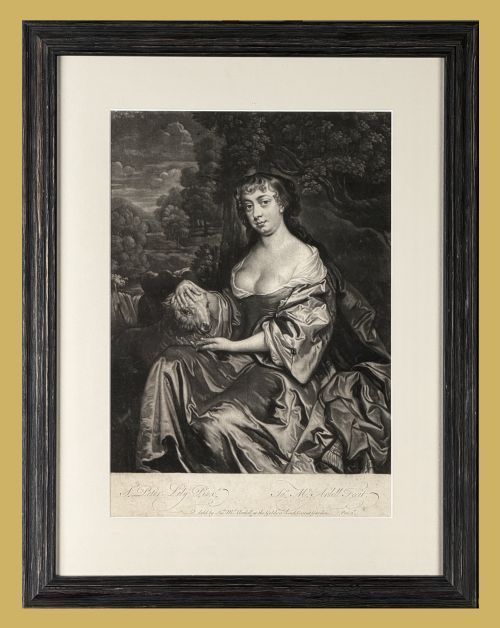
Paper Mezzotint Engraving
Paper mezzotint engraving prints capture royal and aristocratic portraits from the eighteenth century with rich tonal depth.
What They Are
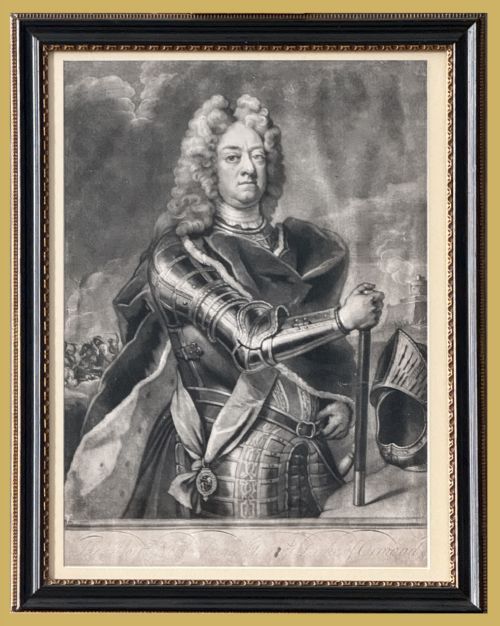
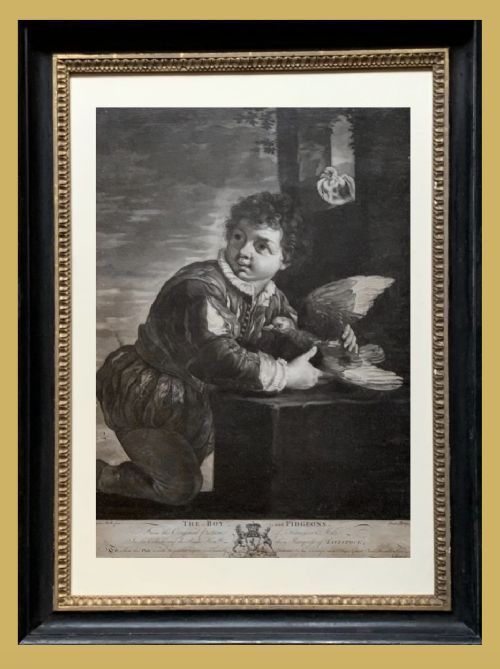
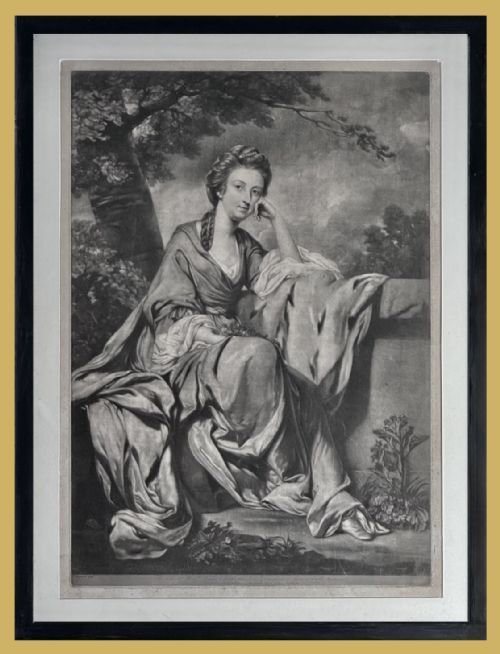
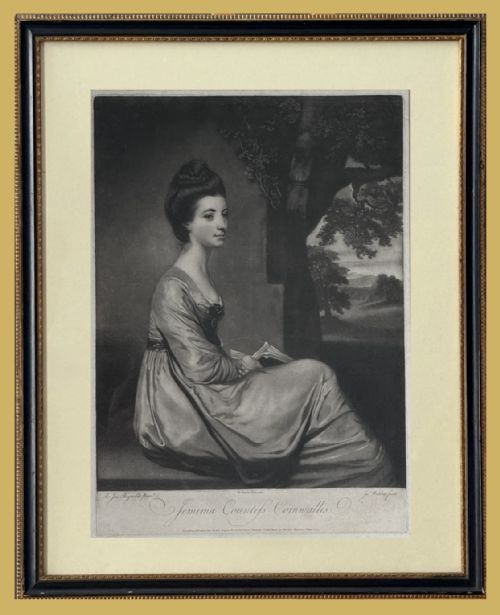
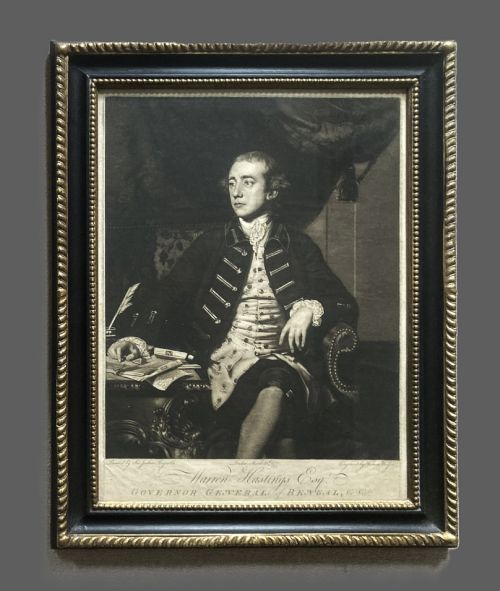
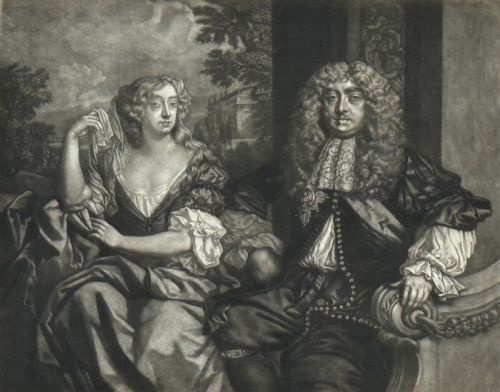
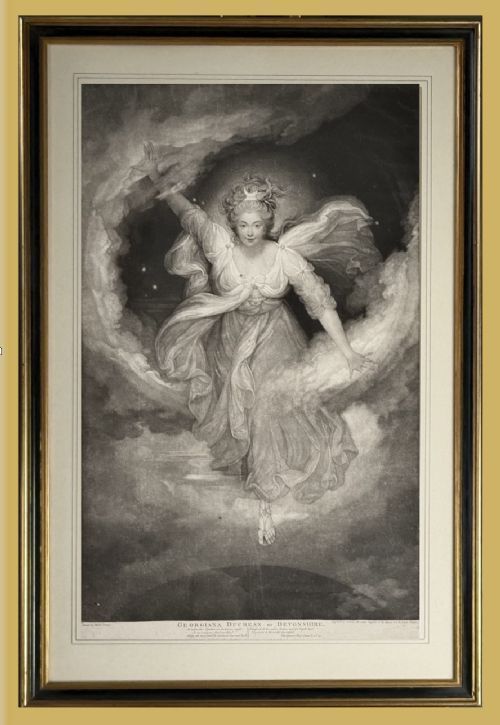
Paper mezzotint engraving pieces on this page are eighteenth-century framed prints and prints and engravings. Buyers searching for paper mezzotint engraving find historic portraits originating from this Georgian period.
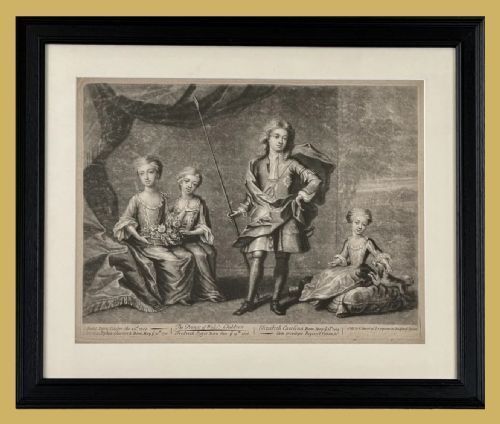
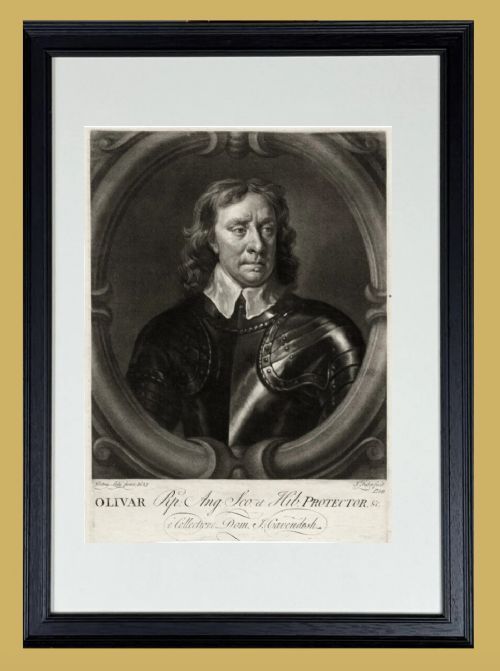
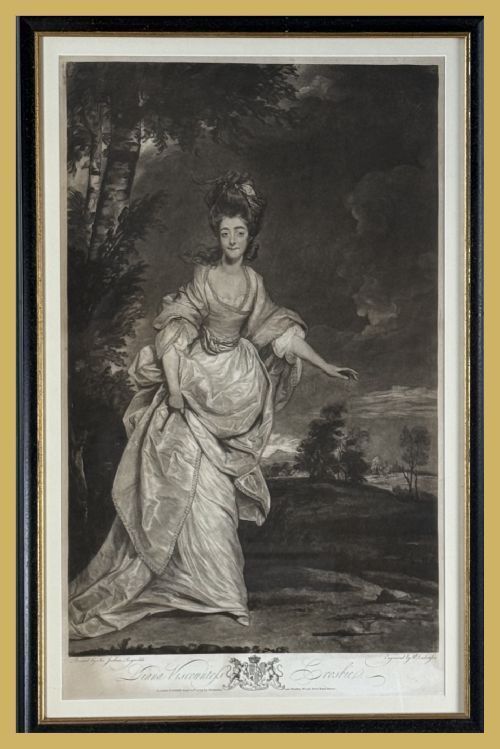
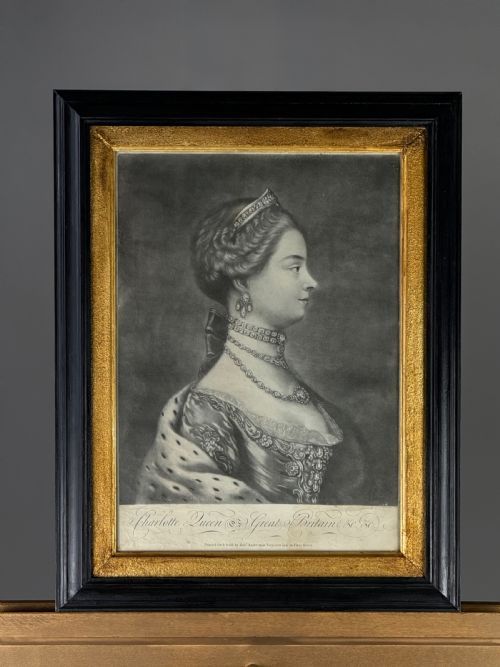
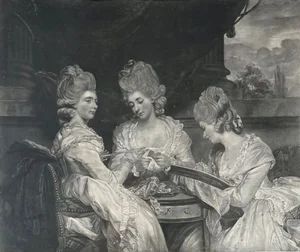
The subjects depicted include prominent historical figures such as Queen Caroline as Princess of Wales and the Ladies Waldegrave. These works record sitters originally painted by notable artists of the era.
How They Were Made
The physical construction of these works combines ink on paper sheets housed within wood and glass frames. Artisans built up the dark backgrounds and subtle tonal gradations characteristic of the mezzotint technique directly on the printing plate.
Printers transferred the inked image onto paper supports using traditional press methods. Finished impressions were subsequently mounted beneath glass within timber framing.
Current listings exclusively feature eighteenth-century Georgian prints utilising paper, ink, wood, and glass materials.
What Varies in Quality
Framing materials and overall preservation also define the hierarchy of these works. Retaining original wood and glass components enhances the historical integrity of the piece.
John Smith·G. Kneller·Valentine Green·Sir Joshua Reynolds
The Paper Mezzotint Engraving Glossary
- Mezzotint
- A printmaking process where the copper plate is roughened evenly to produce rich dark tones and smooth gradations of light. This tonal method distinguishes the technique from pure line engraving.
- Georgian
- The historical period spanning the reigns of the Hanoverian kings in Britain during the eighteenth century. Pieces from this era reflect the prevailing artistic and portraiture conventions of the time.
- Impression
- A single copy of a print pulled from the engraved plate onto paper. Early impressions typically display greater clarity and depth than later printings from worn plates.
Frequently Asked Questions
What is a paper mezzotint engraving?
A paper mezzotint engraving is an intaglio print produced by roughening a metal plate to achieve varied tones. These eighteenth-century works typically portray prominent historical sitters.
Such prints translate oil paintings into monochrome printed form using specialised rocker tools on copper. The resulting paper sheets display characteristic velvety shadows and soft highlights.
How do I display these prints safely?
These framed paper works require placement away from direct sunlight to prevent fading of the ink and paper support. Maintaining stable indoor humidity protects both the wood frames and the paper underneath the glass.
Wall placement should also avoid damp exterior walls or areas prone to rapid temperature fluctuations. Proper hanging secures the timber frame without stressing the historical materials.
How are these prints dated?
Dating relies on the stylistic conventions of the depicted subjects, the paper characteristics, and the recorded artists or printmakers. Eighteenth-century Georgian portraiture provides a primary chronological anchor.
Inscriptional evidence on the paper often names the sitter, painter, and engraver to confirm the period of production. Comparative analysis with documented print runs helps establish the exact era.
What distinguishes these from line engravings?
Mezzotint prints rely on continuous tones and rich shadow areas rather than network lines. The process works from dark to light by roughening and smoothing the plate surface.
Line engravings use distinct cuts and hatches to build up an image. This tonal contrast gives paper mezzotint engravings their distinct painted quality.