

Paper Lithograph Wall Art
Paper lithograph wall art brings vibrant colour and sharp detail into domestic spaces through mass-produced printing methods.

Paper Lithograph Wall Art
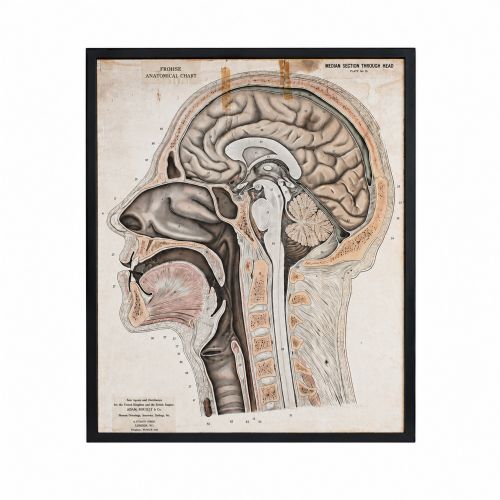
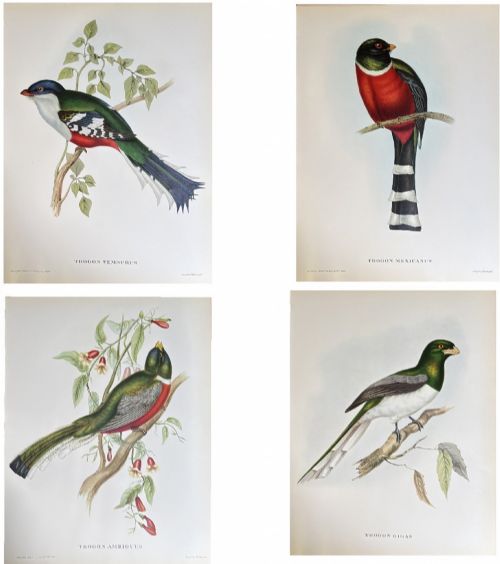
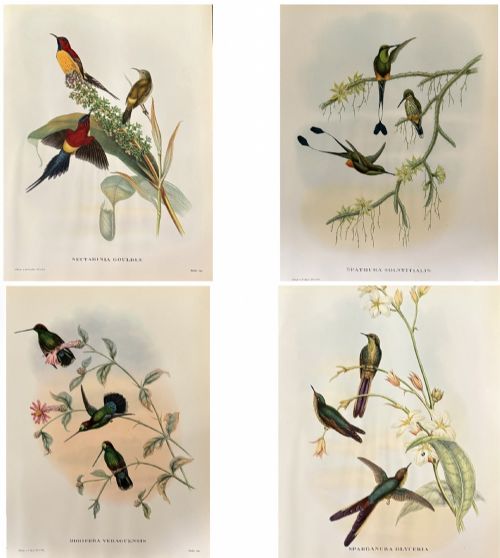
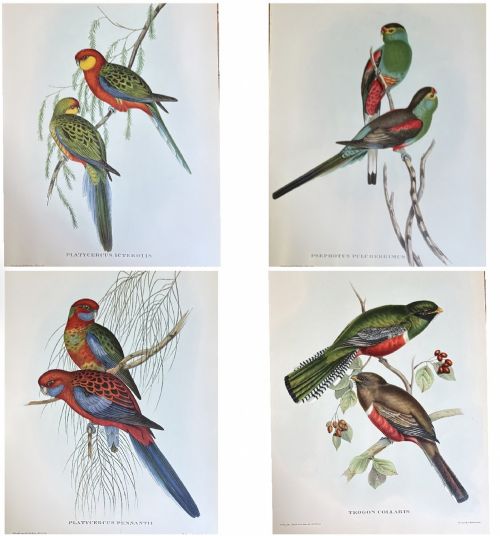
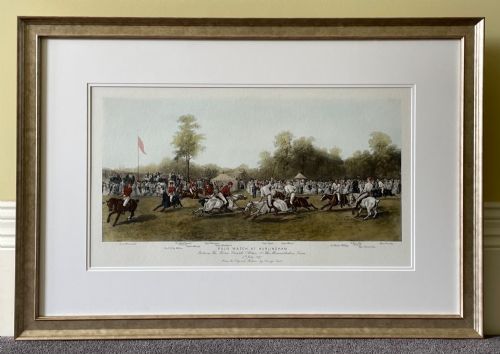
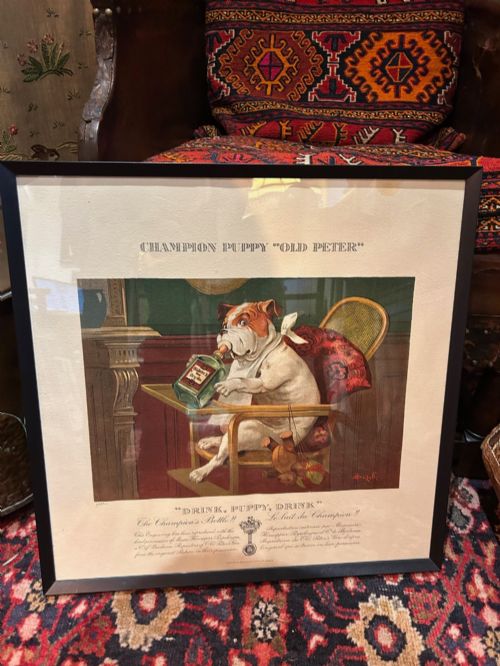
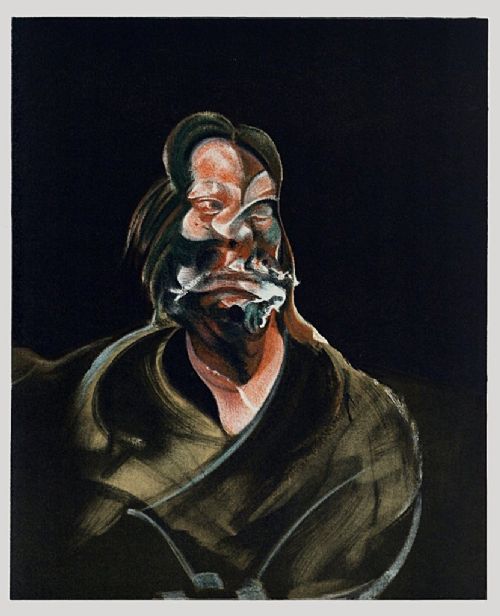
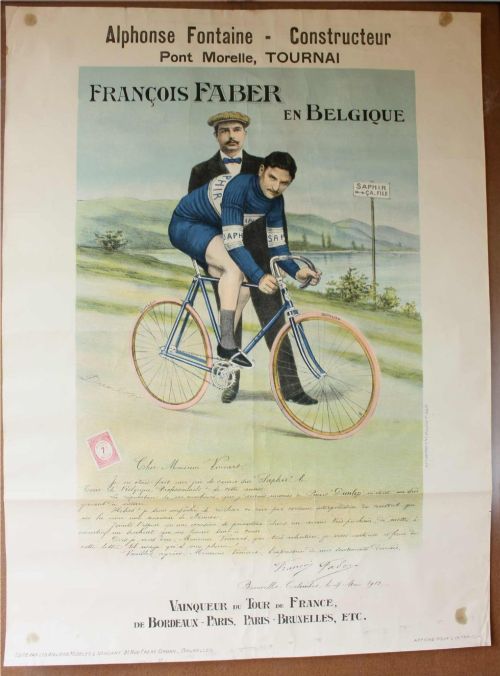
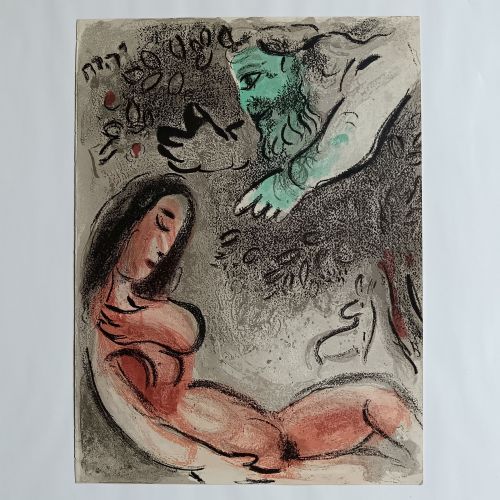
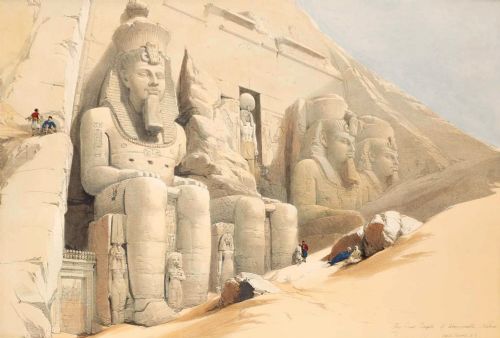
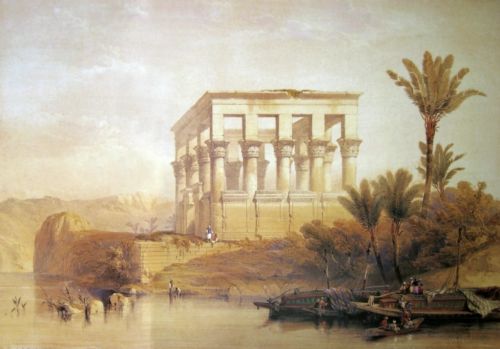
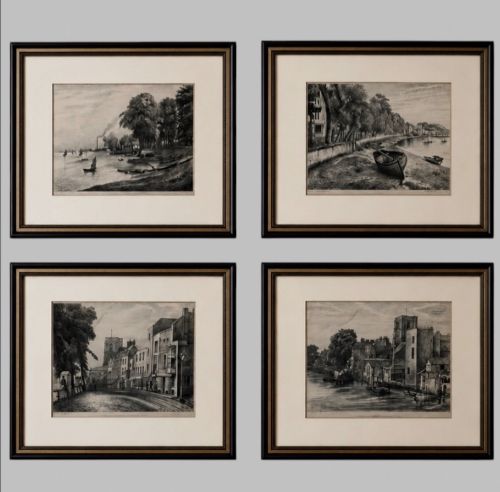
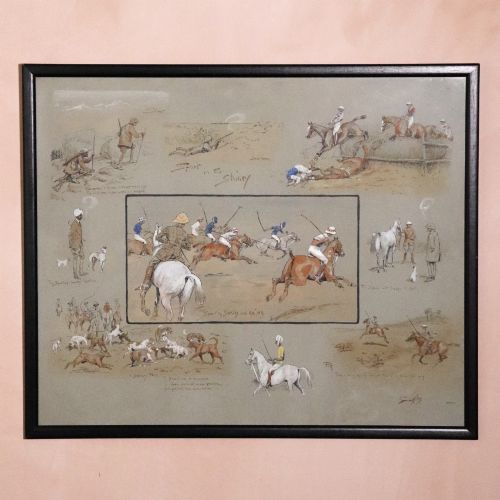
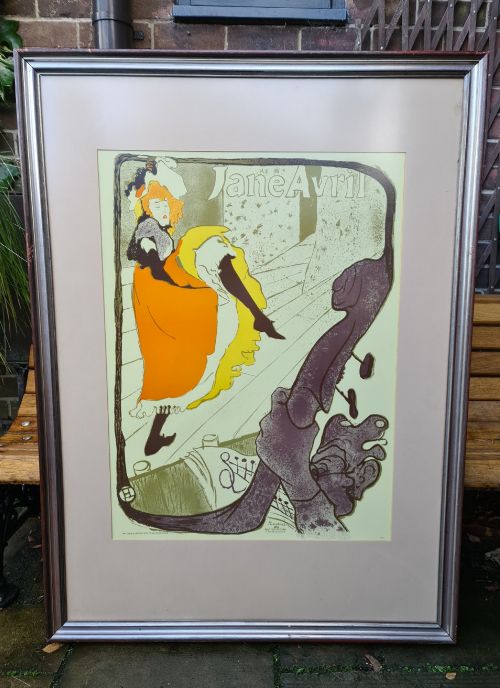
Paper lithograph wall art encompasses framed prints, posters, and book plates produced across the nineteenth and twentieth centuries. These works span subjects from Victorian natural history and sporting scenes to mid-century modernism and early advertising posters. Collectors encounter matching sets of tropical birds alongside single character portraits and large advertising sheets.
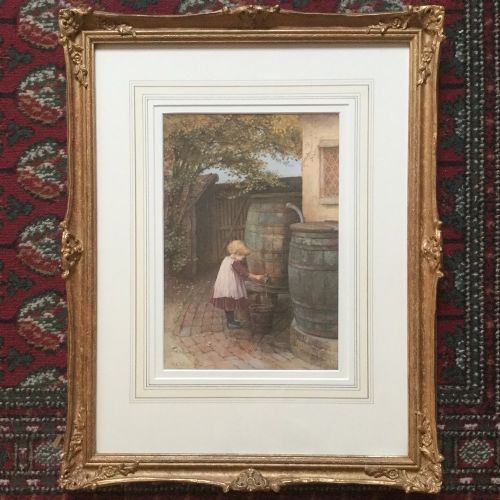
The objects frequently arrive framed under glass with wood or gesso surrounds, though unframed sets also appear. Victorian pieces often depict formal subjects, while later twentieth-century examples lean towards artistic prints by notable painters and bold cycling or tyre advertisements.
Materials and production
These works rely on paper sheets printed with lithographic ink, sometimes enhanced with watercolour touches by hand. Printers utilised metal plates or stones to transfer ink onto paper, creating layered fields of colour that define the image.
Protection came from timber frames, glass panels, and occasionally gesso mouldings. Metal components or backing boards support the paper within its frame, preserving the delicate sheet from moisture and handling.
Listings span periods from the nineteenth century through the 1960s, featuring paper, ink, wood, and glass.
Assessing quality and preservation
Quality rests in the crispness of the lithographic registration and the stability of the paper support. Strong impressions retain vibrant ink tones without fading or heavy foxing across the sheet.
The integrity of the original framing, publisher markings, and the preservation of sheet margins separate standard decorative prints from finer collector examples.
The Paper Lithograph Wall Art Glossary
- Lithograph
- A print produced by drawing on stone or metal with a greasy substance so that ink adheres only to the designated areas. This technique allowed for broad tonal ranges and mass production.
- Gesso
- A plaster mixture applied to wood frames and moulded into decorative reliefs before gilding or painting. It provides a solid base for ornate nineteenth-century framing.
- Foxing
- Brown spots or patches that develop on older paper due to chemical reactions over time. Moisture exposure accelerates this process in unsealed frames.
- Publisher
- The firm or individual responsible for issuing the print, often noted in the margin alongside the printer's details. These stamps help date and attribute anonymous sheets.
Paper Lithograph Wall Art: Frequently Asked Questions
How should I hang paper lithographs safely?
Keep prints away from direct sunlight and damp walls to prevent fading and paper degradation. Glazed frames protect the delicate ink surface from atmospheric dust and accidental marking.
Ensure hanging wires and fixings match the weight of the wood and glass frame. Professional framing backing boards provide additional acid-free protection for the sheet.
How do I date a vintage lithograph?
Look for publisher imprints, dates within the image margin, or paper watermarks that point to a specific decade of production. Stylistic clues such as typography, dress, and printing technology also narrow down the era.
Compare the paper texture and ink application against known production methods of the nineteenth and twentieth centuries.
Are these prints originals or reproductions?
Original lithographs were printed directly from the artist or printer's prepared stones or plates during the stated period. Modern photographic reproductions lack the fine dot patterns and ink layering characteristic of authentic vintage lithography.
Examining the surface under magnification reveals the flat ink coverage typical of period printing rather than modern dot-matrix printing.
Can I buy these pieces unframed?
Unframed sets of prints appear frequently, particularly botanical studies and series plates intended for portfolio storage. These allow buyers to choose bespoke framing that suits their interior aesthetic.
Check whether unframed sheets retain their full margins, as trimmed edges can affect the presentation and balance of the print.