
Paper Lithograph Print
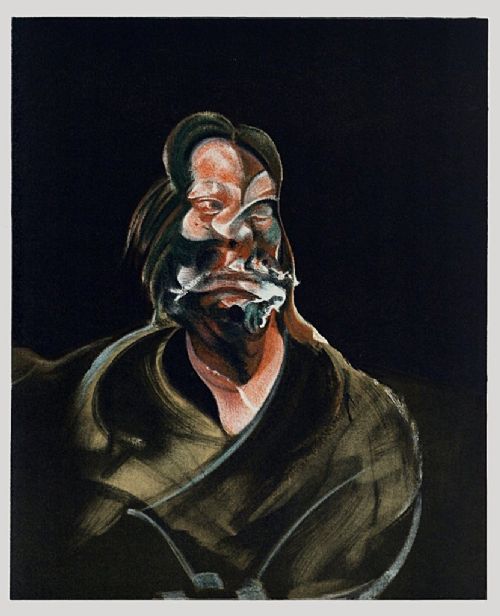
When you look for a paper lithograph print, you are holding a flat piece of history produced through stone and ink.
Paper Lithograph Print
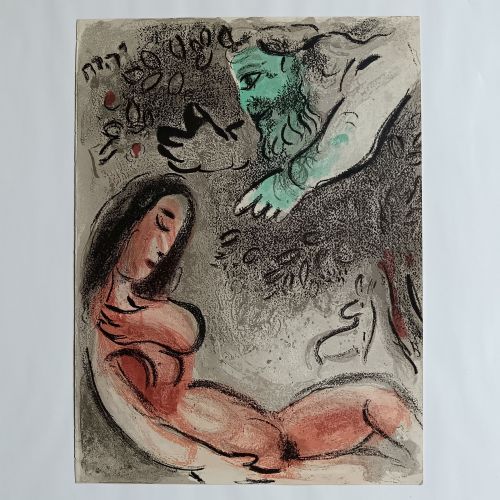
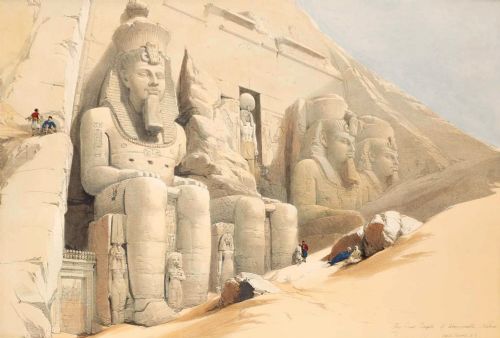
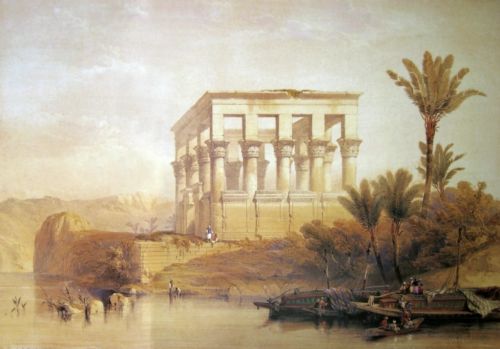
A paper lithograph print represents an image transferred from a prepared stone or metal plate onto paper using oil and water repulsion. The pieces found here span from the nineteenth century through the mid-twentieth century, capturing a broad sweep of visual culture.
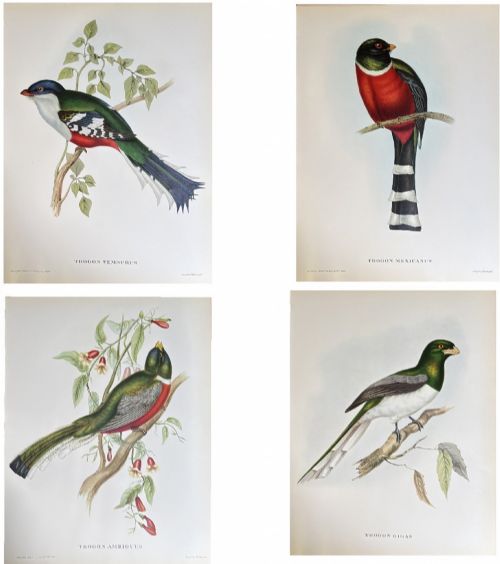
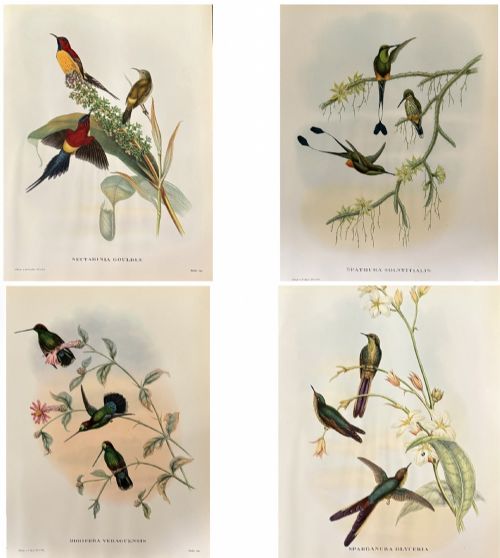
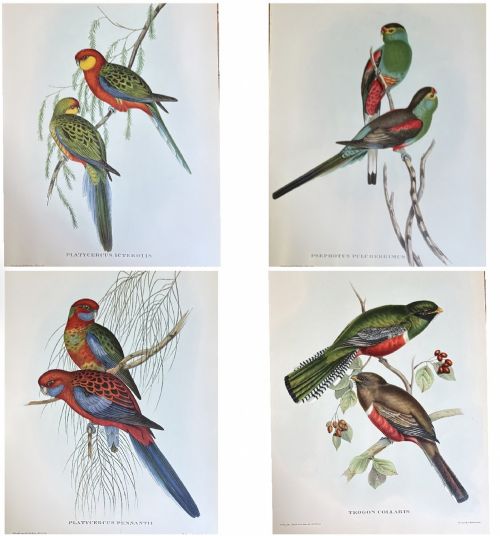
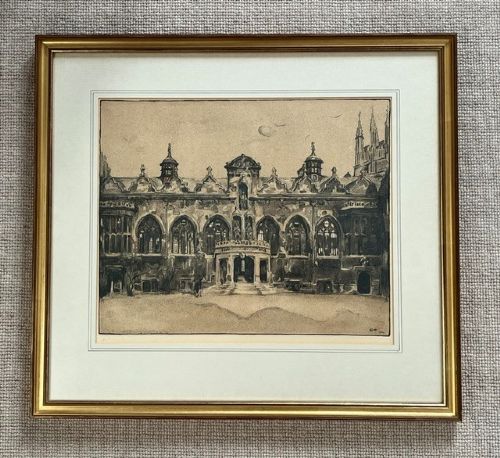
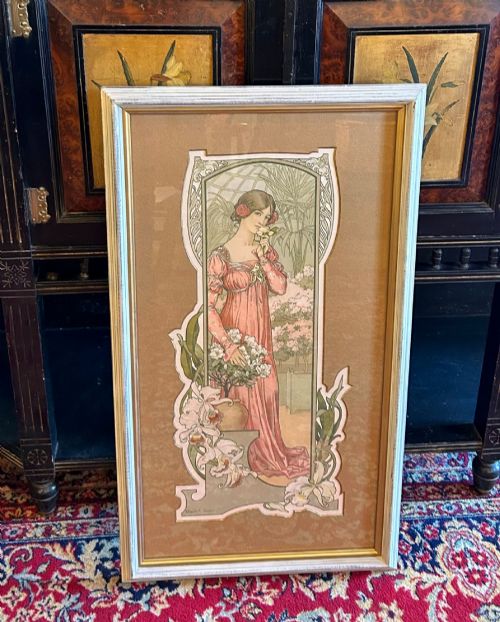
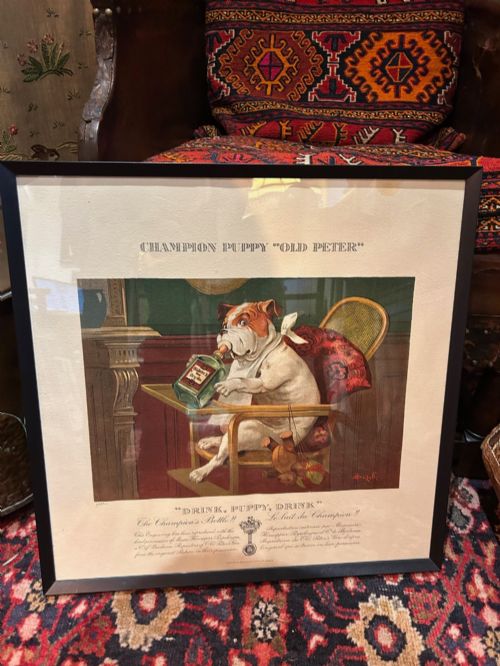
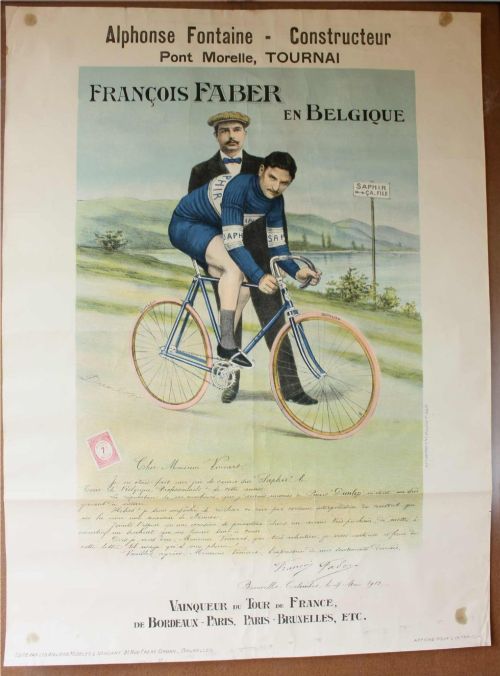
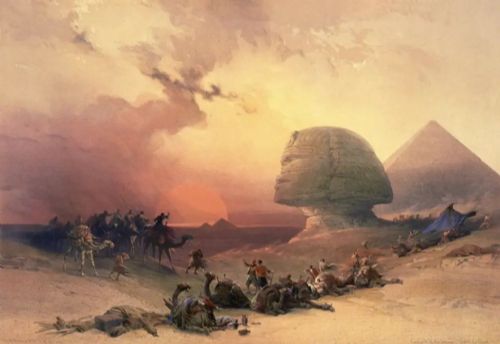
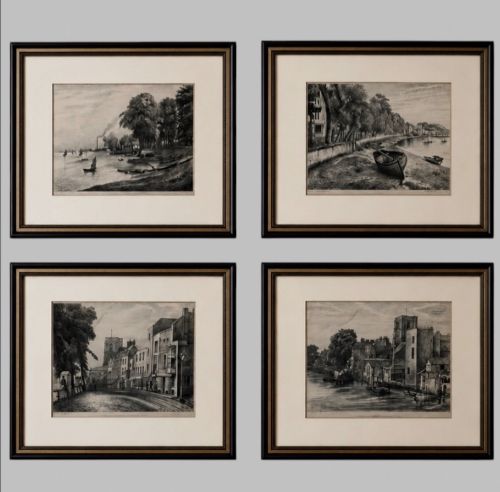
The selections available include framed prints, wall art, and unframed sheets. Subjects range from natural history and architectural views to satirical portraits and early advertising posters.
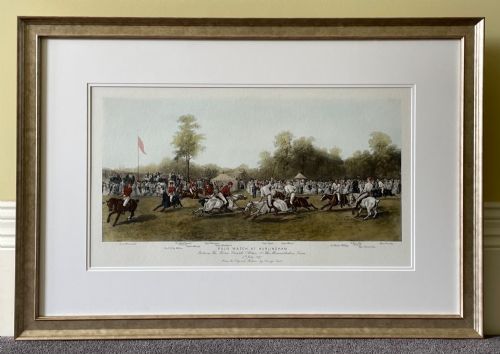
Victorian and Edwardian examples dominate the offerings, alongside later mid-century works. These items functioned as magazine supplements, independent wall decorations, and commercial advertisements.
How they were made
Lithographic ink adheres to grease-retaining limestone or metal plates while water repels the non-image areas. Printers applied pressure to transfer the inked design directly onto paper sheets.
Many examples incorporate multiple stones or plates to achieve distinct colours, sometimes enhanced with hand-applied watercolour or gold leaf details. Chromolithography built complex, layered hues through successive impressions of different chromatic inks.
Paper Lithograph Print Retail Price Guide 2026
Typical asking prices for paper lithograph print among the pieces listed under this phrase on Sellingantiques today, from the lower quarter to the upper quarter. They describe what is for sale here now, not the wider market.
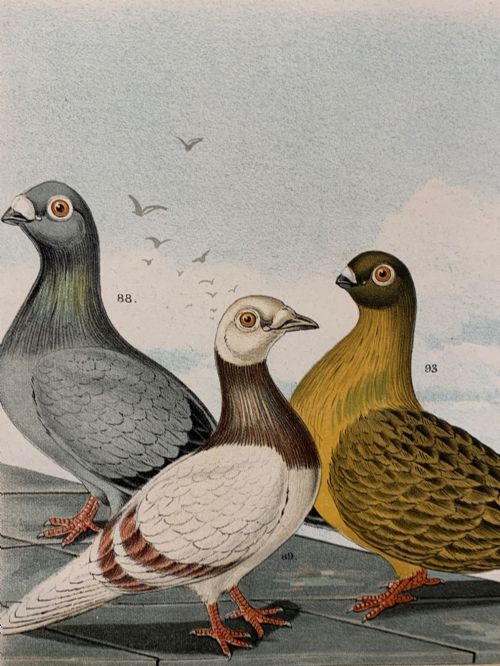
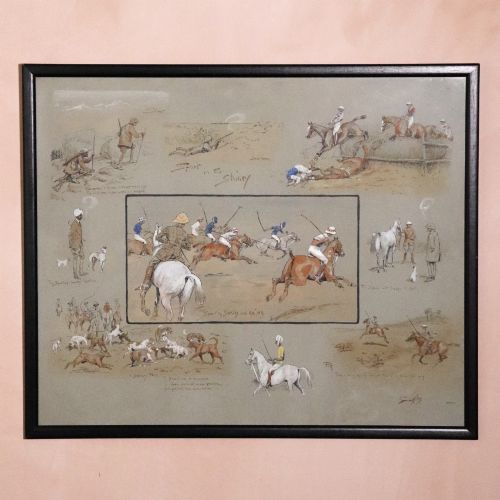
Pigeons, racehorses, and tropical birds stare out across these centuries, proving that Victorians loved animals just as much as we do.
What varies in quality
Quality rests upon the crispness of the impression and the precision of the ink register across the paper. Clean lines and vibrant, un-faded lithographic ink distinguish superior plates from worn, late impressions.
The grade of the original paper stock and the preservation of margins dictate desirability. Intact sheets without heavy toning or foxing hold greater visual clarity.
The Paper Lithograph Print Glossary
- Chromolithography
- A multicolour planographic printing process that uses separate stones for each hue. It creates rich, painterly surfaces without relying on hand colouring.
- Lithographic ink
- A greasy substance applied to stone plates during printing. It repels water and binds to the drawn image.
- Foxing
- Brown spots caused by chemical reactions in ageing paper pulp. It appears commonly on nineteenth-century sheets.
- Double-page
- A wide format sheet printed across two pages of a periodical with a central fold. These plates often measure larger than standard single leaves.
- Planographic
- A printing method from a flat surface rather than a raised relief or incised intaglio groove.
Paper Lithograph Print: Frequently Asked Questions
How do I frame a vintage paper lithograph print?
Use conservation-grade materials with UV-protective glass to prevent fading from sunlight. Keep the paper elevated off the glass using mounts so moisture cannot trap against the surface.
Avoid dry-mounting historical sheets to backing boards. Retain the original sheet dimensions and margins wherever possible.
Are these prints originals or modern reproductions?
The pieces listed originate from the period stated in each title, produced via traditional lithographic methods. Look closely under magnification for dot patterns typical of modern offset lithography or digital printing.
Period lithographs display flat ink layers and slight plate impressions rather than uniform microscopic dots. Paper age and texture provide further confirmation of era.
What is the difference between a poster and a print?
Posters served an ephemeral commercial function, displayed outdoors or in public spaces to advertise events and goods. Prints typically issued from periodicals, art folios, or dedicated plate series for indoor framing.
Posters generally measure larger and utilise bolder graphic layouts to catch attention from a distance. Both utilise the same fundamental lithographic stone technique.